


Victorian Scent Box
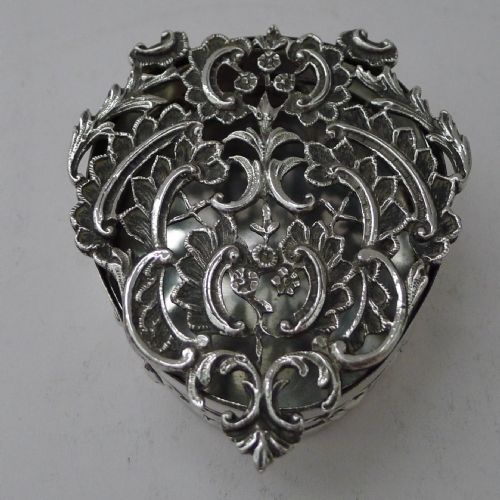
These Victorian scent boxes are fitted travelling caskets and miniature holders designed to keep delicate perfumes and vinaigrettes secure during transit.
Victorian Scent Box
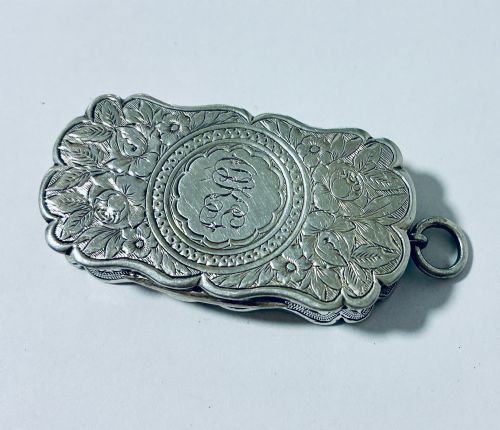
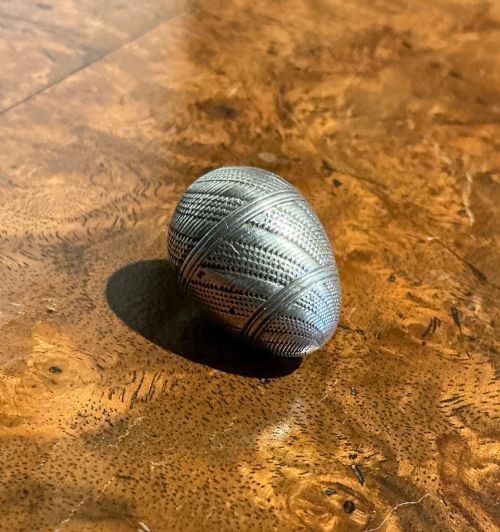
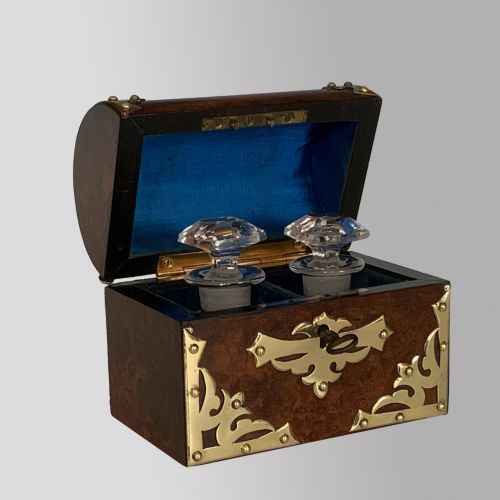
A victorian scent box gathers small glass bottles and vinaigrettes into fitted wooden or leather enclosures. These pieces take the form of miniature caskets, travelling sets, and fall-front boxes designed for personal fragrance.
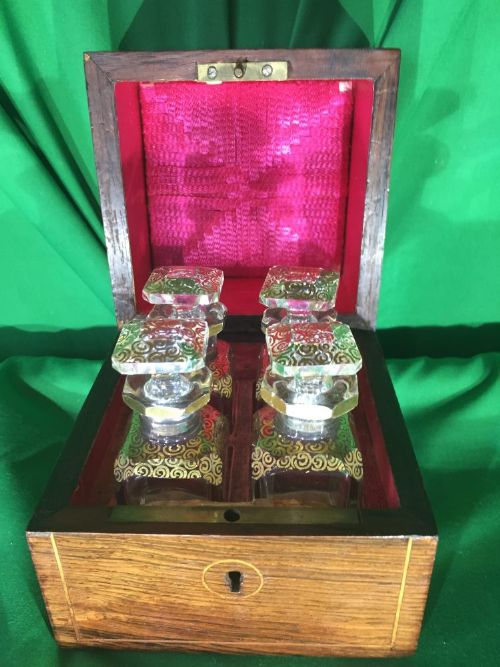
The versions met most often utilise exotic timbers like rosewood, coromandel, and walnut, frequently mounted with brass or ormolu. Interiors are lined with velvet and silk to cushion the glass scent bottles within.
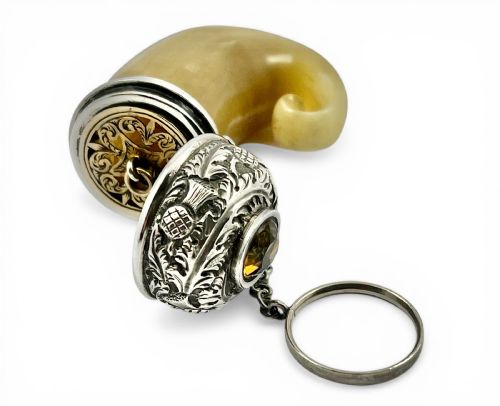
Alongside timber cases, the evidence includes horn, tortoiseshell, papier-mâché, and embossed leather. Some pieces house individual silver-gilt vinaigrettes, while others contain sets of cut glass bottles with matching silver tops.
Materials and Construction
Cabinetmakers constructed the exterior carcasses from dense hardwoods, frequently employing decorative veneers like coromandel and walnut. Metal mounts in brass and ormolu reinforced corners and edges, while fitted wooden internal blocks kept the glass bottles upright.
Metalwork involved sterling silver, silver gilt, and brass, shaped through casting, embossing, and engine-turning. Internal compartments relied on precise woodworking to house delicate glass scent bottles, cut glass, and hinged vinaigrettes.
Soft textiles such as silk and velvet provided the internal lining for boxes and caskets. Leather binders applied tooling and dome tops to travelling scent caskets.
Scottish horn and citrine vinaigrettes bring highland practicality to Victorian perfume storage.
Quality and Craftsmanship
The calibre of a box rests upon the choice of timber and the precision of its internal fittings. Superior examples utilise figured veneers like coromandel and walnut paired with heavy cast brass or ormolu mounts, rather than plain secondary woods.
Glass selection divides standard production from finer work. Top pieces contain original cut glass, Baccarat crystal, or matching sets of silver-gilt bottles, while lesser items rely on replacement or mismatched glass.
Maker attribution elevates certain pieces significantly. Boxes bearing marks from known silversmiths or containing intricate engine-turned guilloche design demonstrate a higher level of workshop execution.
Horton and Allday·William Comyns·Edward Smith·Samson Mordan
The Victorian Scent Box Glossary
- Vinaigrette
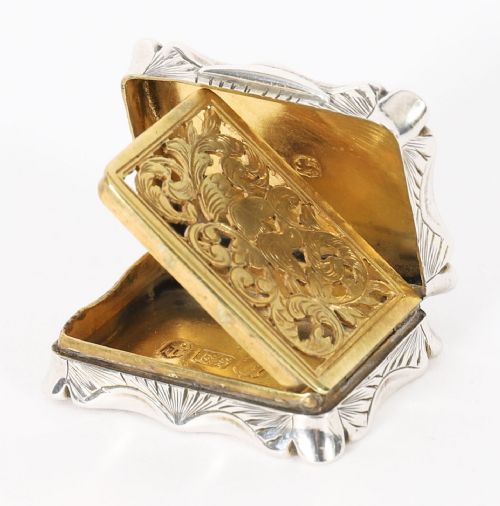
- A small ornamental box featuring an internal pierced grille, used for holding a sponge soaked in aromatic vinegar. These containers form a distinct subset of personal silver items in the collection.
- Coromandel
- A dense, heavily figured timber from Asia featuring dark brown grain and yellow streaks, frequently employed for nineteenth-century luxury boxes. Cabinetmakers prized this wood for high-end fitted caskets.
- Guilloche
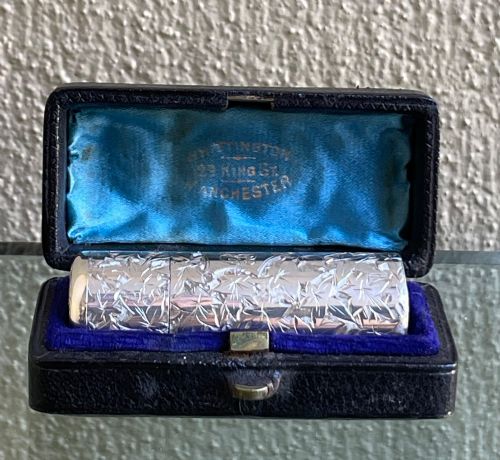
- A decorative engraving technique producing precise, intricate geometric patterns upon metal surfaces. This method appears on silver-gilt etuis and boxes.
- Ormolu
- Gilded bronze used for decorative mounts on nineteenth-century boxes and caskets. This material provided contrasting metallic highlights against wooden exteriors.
- Etui
- A small cylindrical case used for holding needles, tweezers, or scent containers. These portable items often featured engine-turned or solid silver-gilt construction.
Victorian Scent Box: Frequently Asked Questions
What is a Victorian scent box?
A Victorian scent box is a fitted container designed to house perfume bottles, smelling salts, or vinaigrettes. These pieces range from small silver vinaigrettes to wooden caskets lined with velvet.
Interior blocks hold cut glass bottles securely in place during travel. Wealthy Victorians used them for personal grooming and fragrance carriage.
How do I distinguish a vinaigrette from a scent bottle?
A vinaigrette is a small flat box featuring a hinged lid and an internal pierced grille. The grille covers a sponge soaked in aromatic vinegar rather than liquid perfume.
Scent bottles are upright glass vessels with stoppers designed to hold liquid perfume. Many boxes in the collection house combinations of both items.
How should I care for a nineteenth-century box?
Keep wooden boxes away from direct sunlight and extreme humidity to protect the veneer and internal silk linings. Use soft cloths for dusting brass and silver mounts.
Avoid liquid polish on delicate textiles or aged leather surfaces. Handle internal glass bottles carefully to preserve original stoppers.