



Antique Perfume Pendant
These antique perfume pendants and vinaigrettes are portable scent containers spanning Georgian and Victorian periods, offering pocket-sized luxury for daily wear.
Antique Perfume Pendant
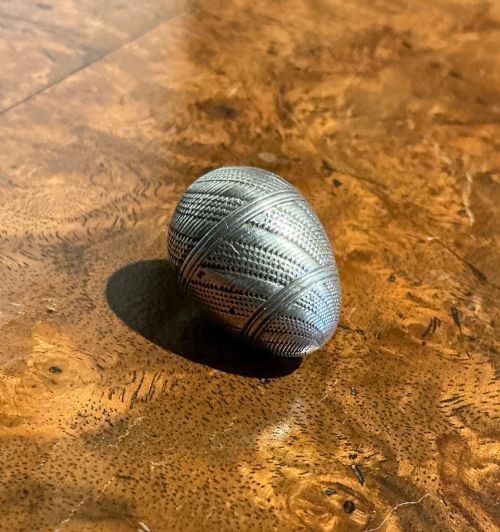
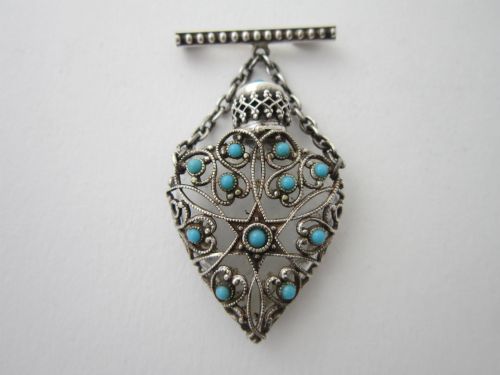
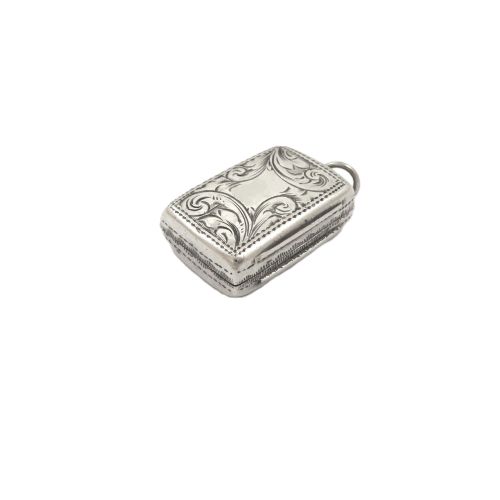
When you search for antique perfume pendant, you encounter small personal scent containers designed to hold fragrant oils, smelling salts or vinegars. These pieces range from Georgian and Victorian eras down to the 1920s, appearing as miniature boxes, scent bottles and hanging vinaigrettes.
You meet both simple utilitarian designs and ornate jewelled pieces set with turquoise, citrine or enamel. Each item reflects the historical need to mask unpleasant odours or provide restorative vapours while travelling.
How they were made
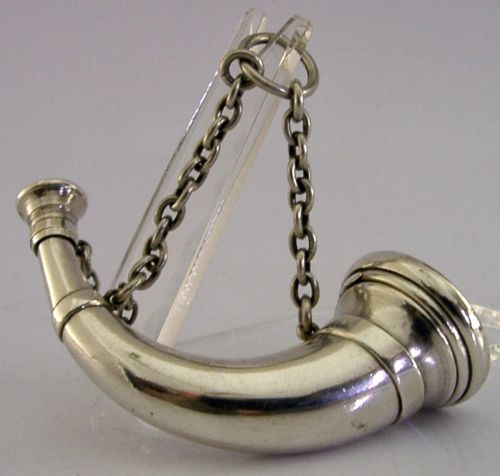
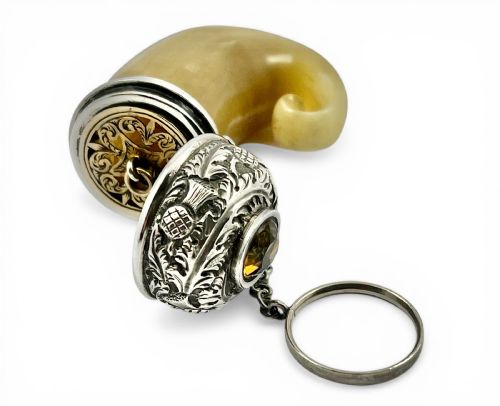
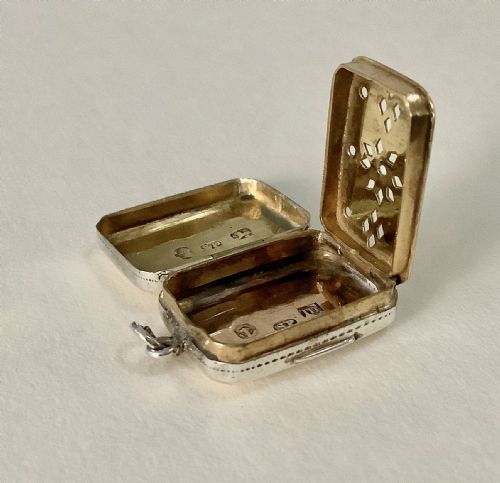
Silversmiths constructed the metal bodies using sterling silver, silver gilt, and continental silver, often forming intricate small boxes and novelty shapes like fish and hunting horns. Pierced inner grilles within vinaigrettes allowed the release of sponge-soaked scents while containing the solid aromatics.
Makers combined metalwork with organic and mineral elements, mounting glass, horn, turquoise, citrine, and enamel into the designs. These decorative additions required precise bezel settings and careful fitting to secure fragile stones and coloured glass within tiny dimensions.
What varies in quality
The distinction between standard items and exceptional pieces rests upon the complexity of the form and the refinement of the metalwork. Novelty shapes like articulated fish or hunting horns demonstrate superior craftsmanship compared to plain geometric boxes.
Material selection also dictates the tier of the piece, with gold, enamel, and natural gemstones such as citrine and turquoise elevating the work above basic sterling silver or glass examples.
Sampson Mordan·Pemberton
The Antique Perfume Pendant Glossary
- Vinaigrette
- A small ornamental box featuring a perforated internal grille designed to hold a sponge soaked in aromatic vinegar. These were carried to counteract foul odours in public spaces.
- Sterling silver
- A silver alloy containing 92.5 percent pure silver by mass and 7.5 percent other metals, usually copper. This standard provides durability for intricate miniature containers.
- Silver gilt
- Silver that has been coated with a thin layer of gold on its surface. This technique offers the rich appearance of solid gold while utilising a silver base.
- Continental silver
- Silver items manufactured in mainland Europe that adhere to various foreign purity standards rather than British hallmarking regulations. These pieces often display distinct assay marks from countries such as Switzerland.
Antique Perfume Pendant: Frequently Asked Questions
What is an antique perfume pendant?
An antique perfume pendant is a small wearable container designed to hold scented oils, smelling salts, or aromatic vinegars close to the body.
These pieces span the Georgian, Victorian, and early twentieth-century periods, taking forms such as miniature scent bottles and small silver boxes.
How were vinaigrettes used?
Vinaigrettes were used to combat unpleasant odours in crowded streets and poorly ventilated rooms during the Georgian and Victorian eras. The wearer opened the outer lid to reveal a pierced internal grille through which the scented vapours escaped from a vinegar-soaked sponge.
Unlike standard perfume bottles that held liquid scents, vinaigrettes specifically utilised absorbent materials saturated with pungent aromatics.
How do I identify a Georgian piece?
Georgian pieces date from the eighteenth century up to eighteen thirty, displaying distinct neoclassical styles or clever novelty forms such as articulated fish. Construction methods and early silver marks help distinguish these items from later Victorian iterations.
Examining the hinges, piercing patterns on internal grilles, and overall weight provides further clues to their period of origin.