
Victorian Rustic Coffer
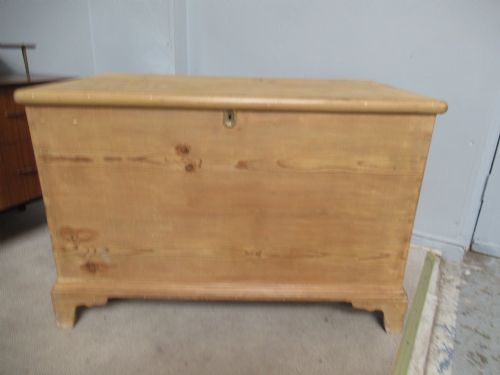
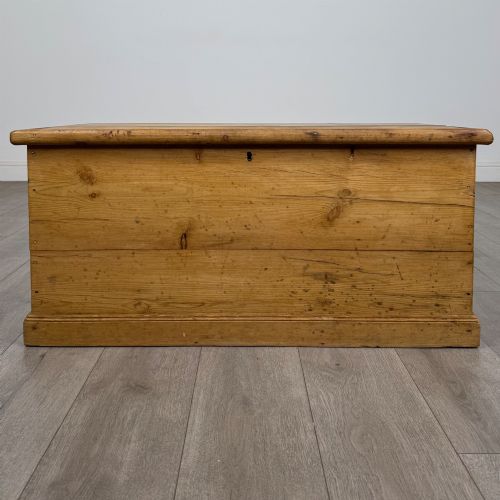
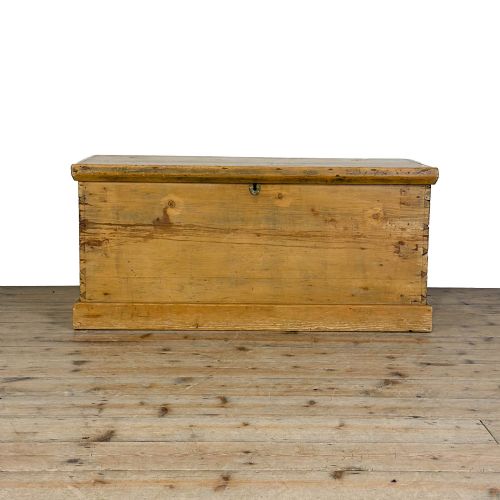
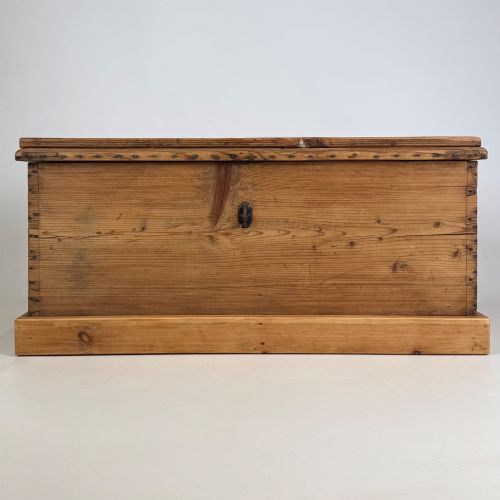
A victorian rustic coffer brings heavy timber and honest storage straight from the nineteenth century into modern rooms.
Victorian Rustic Coffer
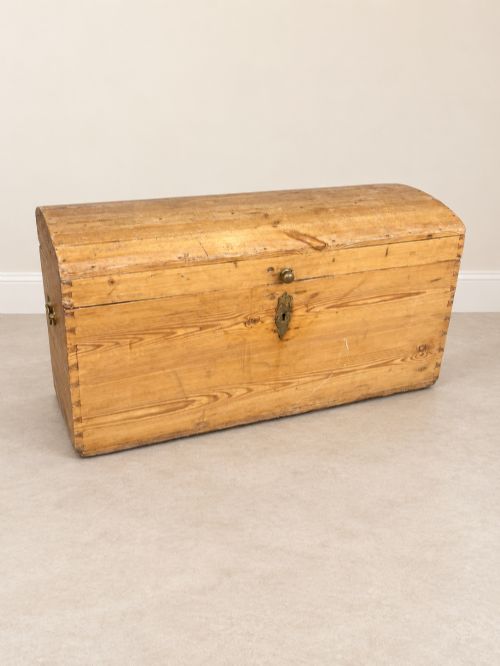
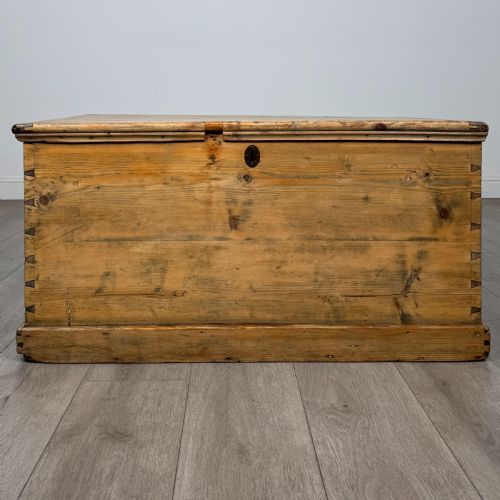
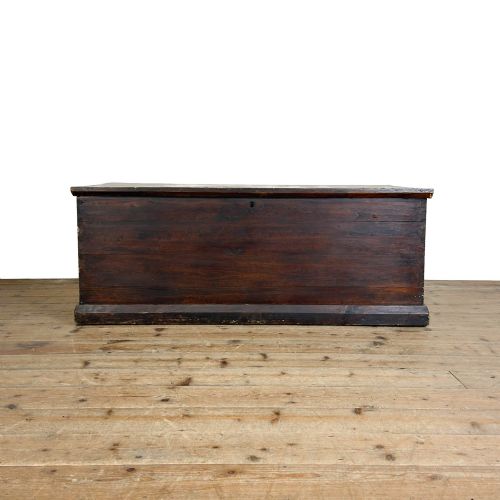
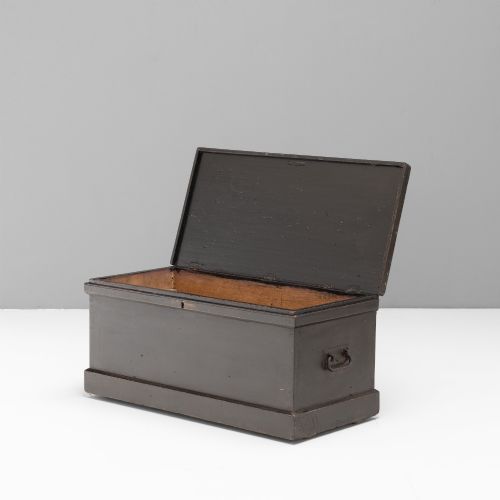
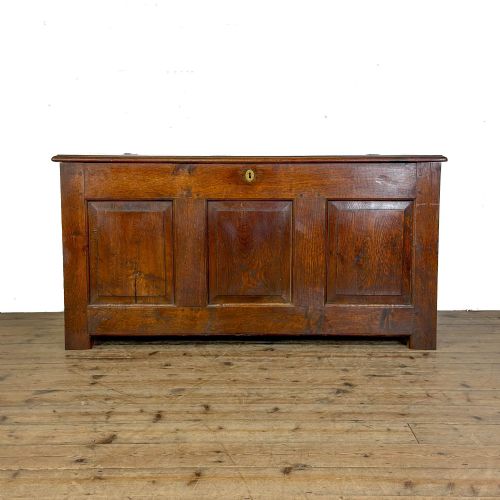
A victorian rustic coffer encompasses heavy storage chests, travel trunks, and blanket boxes built during the nineteenth century. These utilitarian pieces served practical domestic and travel needs, constructed to withstand hard daily use rather than sit as formal parlour furniture.
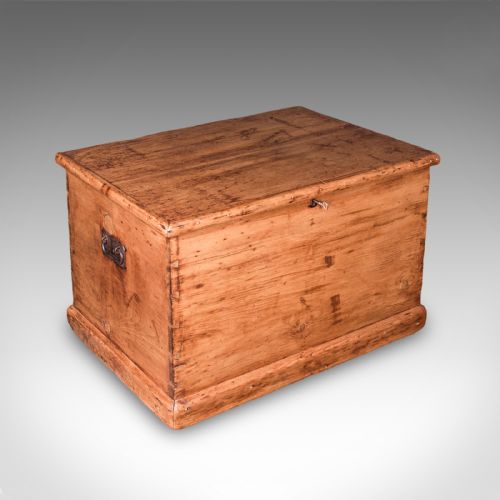
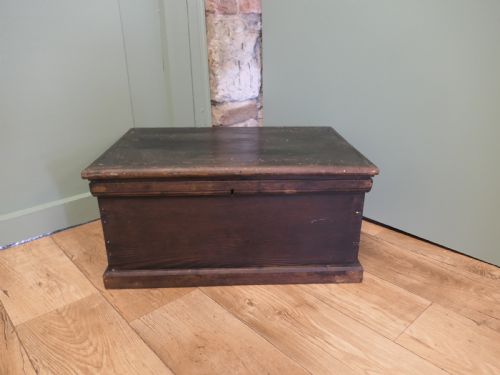
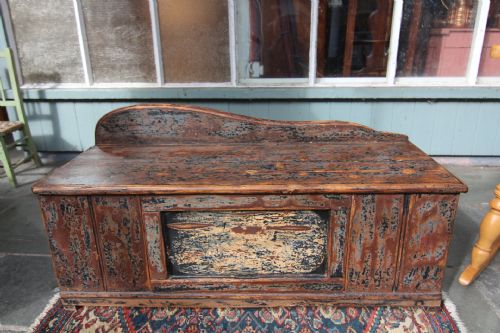
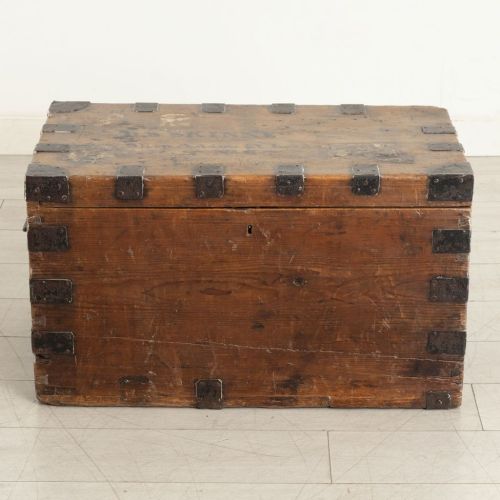
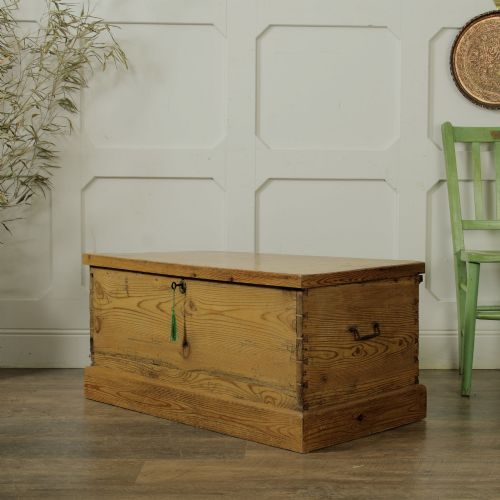
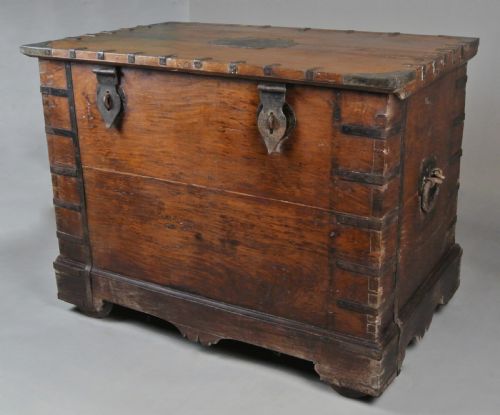
Pine dominates the selection alongside oak, elm, and teak, often appearing in waxed finishes or with original scumble paint. Many examples retain simple hinged lids, internal candle tills, or iron bindings that reveal their origins as travel trunks or provincial blanket boxes.
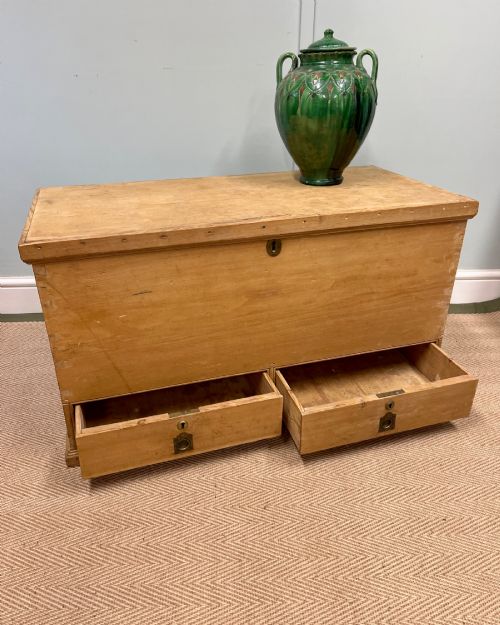
Buyers meet variations ranging from plain domestic storage boxes to iron-bound campaign chests and mule trunks fitted with internal drawers. The period spans from simple rural workshop output to robust military and colonial transport pieces.
Materials and construction
Makers utilised solid softwoods and hardwoods, predominantly pine, oak, and teak, joined with robust corner construction to handle heavy loads. Timber boards were frequently hand-planed and assembled with traditional joinery methods suited to utilitarian furniture.
Iron and brass hardware such as strap hinges, carrying handles, and corner brackets reinforced the structure for travel and domestic service. Surface treatments ranged from clear wax finishes to protective layers of scumble paint designed to mimic more expensive timbers.
Forms include blanket boxes, travel trunks, mule chests, and campaign furniture.
Quality and proportion
Construction heft and the retention of original surfaces dictate the standing of individual pieces, separating simple utilitarian boxes from finer fitted chests. Examples retaining their original paint, brass mounts, and internal divisions hold greater interest than stripped or heavily altered items.
Proportion and scale play a significant role, as large dowry chests and monumental travel trunks require superior timber selection to remain stable. The integration of functional details like internal drawers and robust iron bindings distinguishes better workshop production.
The Victorian Rustic Coffer Glossary
- Cofer
- A robust wooden chest traditionally used for storing valuables or household goods.
- Scumble
- A decorative painting technique used to simulate the grain of more costly wood on plain pine surfaces.
- Mule chest
- A storage chest featuring one or more drawers beneath the main lifting compartment.
- Campaign chest
- A portable trunk or chest made in sections with recessed brass fittings for military transport.
- Till
- A small lidded compartment fixed inside a chest for holding smaller items.
Victorian Rustic Coffer: Frequently Asked Questions
What was a rustic coffer used for?
These chests served primarily for storing household linens, blankets, and personal belongings in nineteenth-century homes.
Sturdy travel versions also transported personal effects during military campaigns or domestic journeys.
How do I care for a waxed pine chest?
Maintain the timber by applying a traditional beeswax polish sparingly and buffing with a soft cloth to preserve the finish.
Keep the piece away from direct heat sources and strong sunlight to prevent the wood from drying out or splitting.
Are these chests from the Victorian period?
The listings consist entirely of nineteenth-century pieces, spanning the Victorian era and adjacent decades from the eighteen-fifties onward.
Construction methods, timber types, and hardware align with the manufacturing practices of that period.
Can a coffer double as a coffee table?
Low and wide variants work well as coffee tables while providing generous internal storage for living rooms.
Ensure the lid stability and height suit your seating arrangement before placing items on the surface.