





Victorian Royal China
Victorian royal china brings together fine porcelain, rich gilding and hand-painted detail from the 19th and early 20th centuries.
Victorian Royal China
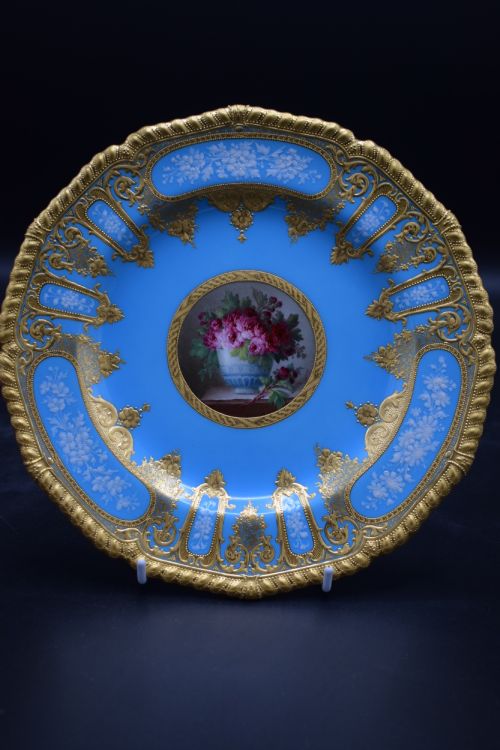
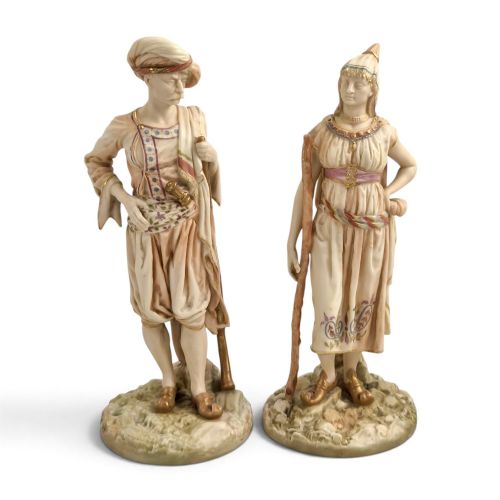
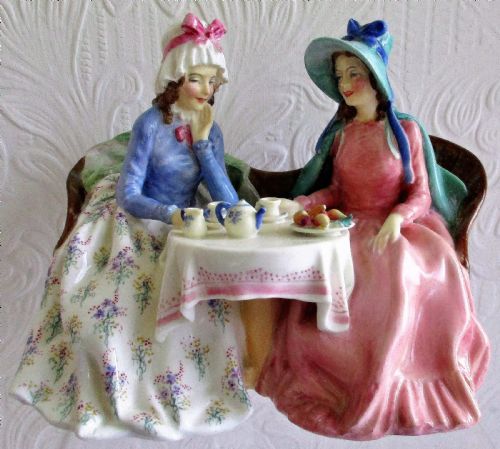
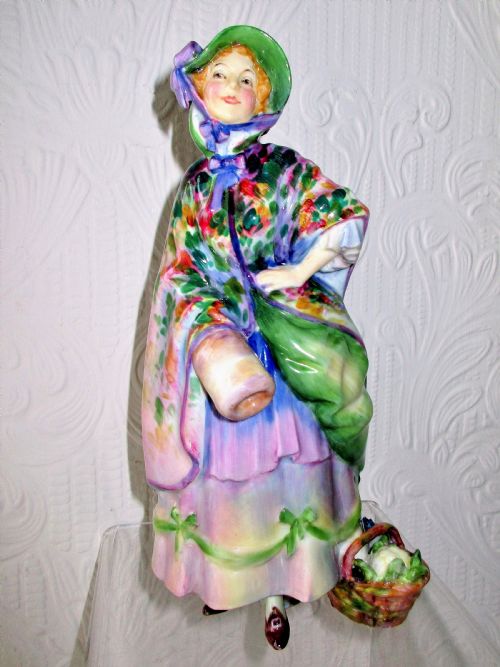
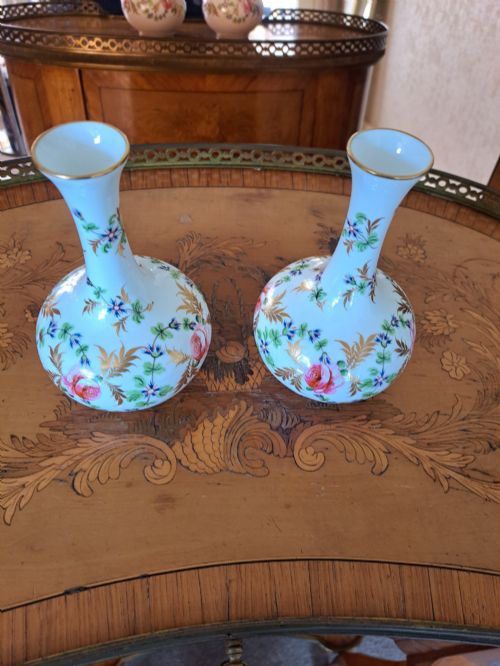
Victorian royal china encompasses decorative and functional ceramics produced by prominent British potteries holding royal warrants during the 19th and early 20th centuries. These pieces reflect the tastes of the Victorian and Edwardian eras, ranging from heavily gilded cabinet plates to delicate porcelain figures and finely painted vases.
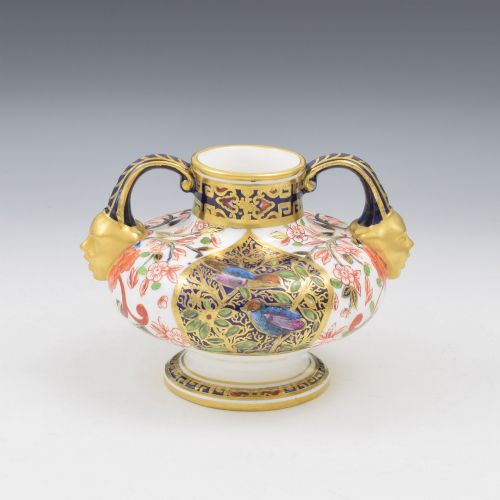
The objects most frequently encountered on this page include cabinet plates, decorative urns, and vases originating from esteemed works such as Royal Worcester, Royal Crown Derby, and Royal Doulton. Many pieces display historic styles such as Victorian Imari, Aesthetic Movement designs, and Rococo Revival curves.
Forms vary widely from utilitarian tea sets and dinner services to purely ornamental items like candle snuffers, loving cups, and porcelain figurines. Collectors seek them out for their intricate brushwork, rich historical associations, and enduring craftsmanship.
Assessing Quality
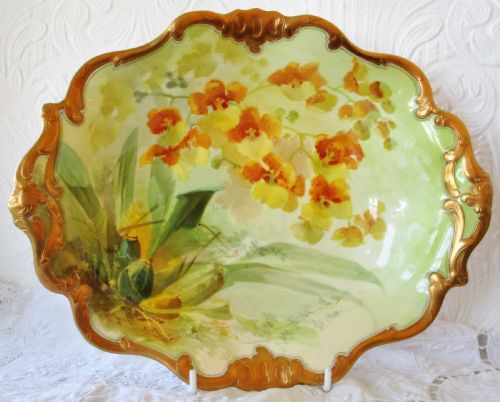
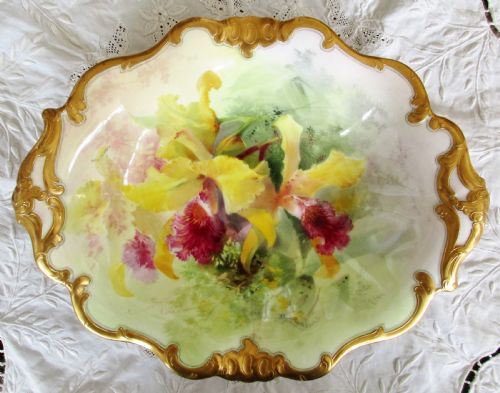
Quality in these ceramics rests primarily on the sophistication of the hand-painting and the crispness of the moulded relief work. Pieces decorated by documented artists command greater attention due to the high level of individual artistic skill required to render detailed subjects like swans, orchids, or figures.
The application of gilding and the purity of the porcelain body also distinguish finer examples from standard production wares. Intricate finishing, such as pierced borders or elaborate twin-handled forms, indicates higher workshop standards.
Victorian Royal China Retail Price Guide 2026
Typical asking prices for victorian royal china among the pieces listed under this phrase on Sellingantiques today, from the lower quarter to the upper quarter. They describe what is for sale here now, not the wider market.
Listings feature porcelain and bone china from the 19th century through the 1940s, utilising gilding and enamel decoration.
Royal Worcester·Royal Crown Derby·Royal Doulton·Coalport·Doulton Burslem
The Victorian Royal China Glossary
- Bone china
- A type of soft-paste porcelain incorporating bone ash, known for its high strength, chip resistance, and translucent white appearance. It became a staple material for fine British dinnerware.
- Gilding
- The application of gold leaf or powdered gold to the surface of ceramics for decorative accent. On finer pieces, this is often burnished to achieve a bright, reflective shine.
- Imari
- A decorative style inspired by Japanese export porcelain, featuring a distinct palette of underglaze blue, iron red, and abundant gold. British potteries adapted this aesthetic extensively during the 19th century.
- Cabinet plate
- A decorative ceramic plate intended for display in a cabinet or on a wall rather than for practical dining use. These often feature elaborate hand-painted scenes by prominent artists.
- Enamel
- Opaque, coloured glass fused to the ceramic surface during firing. It provides the vibrant, lasting hues seen on floral and figural decorations.
Victorian Royal China: Frequently Asked Questions
What is Victorian royal china?
Victorian royal china refers to porcelain and bone china tableware and decorative objects produced by British potteries that held royal warrants during the 19th and early 20th centuries. These items include cabinet plates, tea services, and vases made by factories such as Royal Worcester and Royal Crown Derby.
Such pieces often feature hand-painted decoration, rich gilding, and historical motifs reflecting the aesthetic tastes of the Victorian period.
How do I identify the period?
Dating these ceramics relies heavily on factory backstamps, impressed marks, and pattern numbers found on the underside of each piece. Reference books and online registers map these marks to specific decades of production.
Stylistic cues also help narrow down the date, such as the heavy ornamentation of the High Victorian era versus the lighter, naturalistic motifs of the Edwardian years.
Were these pieces used daily?
While dinner services and tea sets were made for dining and entertaining, many decorative items like cabinet plates and urns were intended strictly for display. Functional items saw use in prosperous Victorian households during formal meals and afternoon tea.
Extant items often show varying degrees of wear depending on whether they spent their lives in a china cabinet or on a dining table.
How should I care for them?
Displaying and storing these ceramics requires gentle handling, keeping them away from direct sunlight to preserve the vibrancy of the hand-painted enamels. Hand washing in lukewarm water with mild soap is necessary when cleaning is required, avoiding dishwashers entirely.
Care should be taken with gilded edges, as abrasive cleaners can wear away the gold leaf over time.