

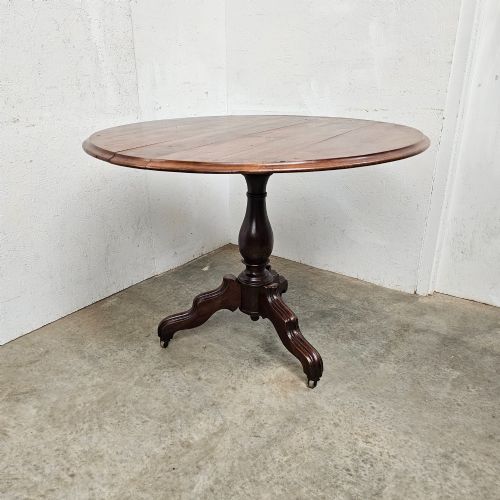


Victorian Round Tea Table
A victorian round tea table brings centuries of social ritual into a room, offering a compact surface for evening gatherings and daily tea.
Victorian Round Tea Table
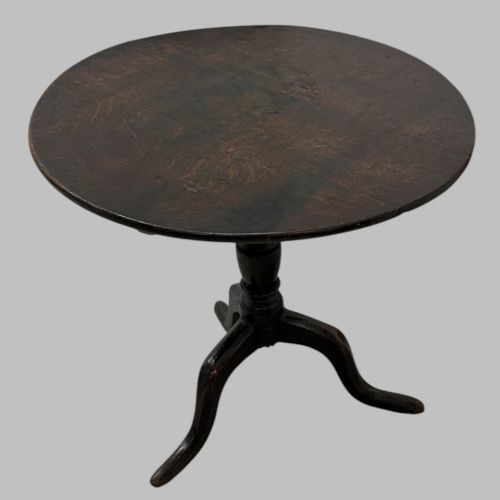
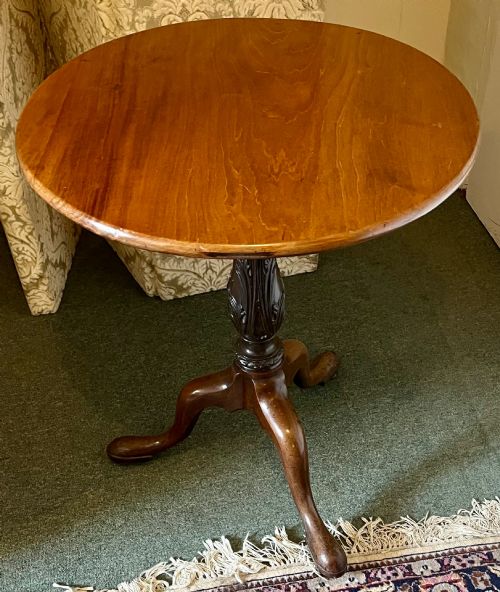
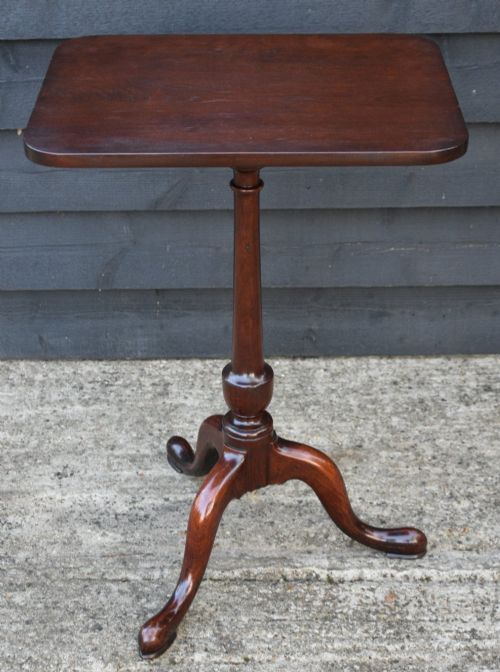
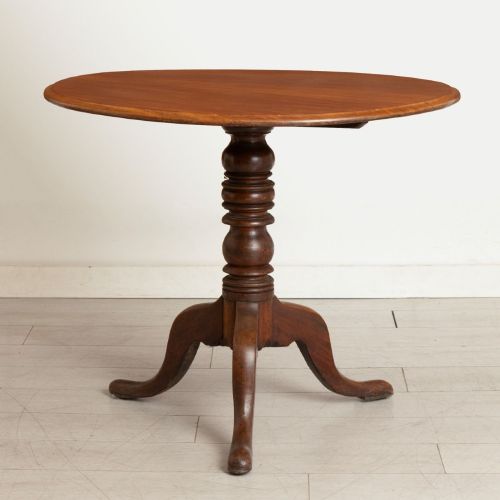
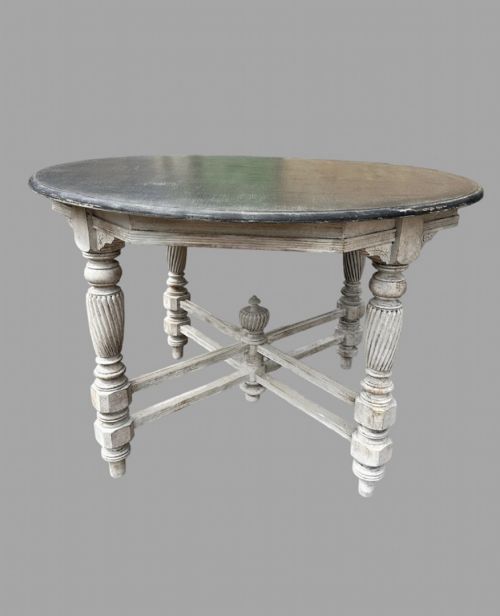
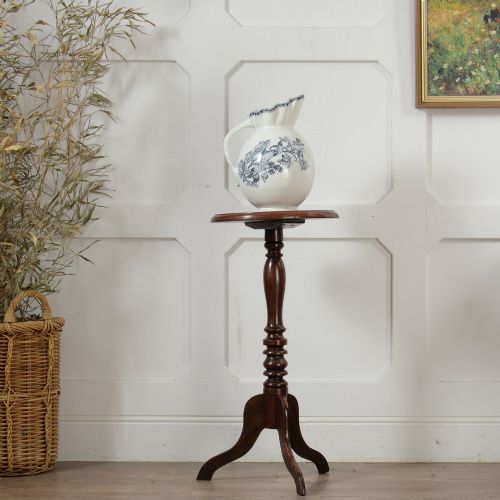
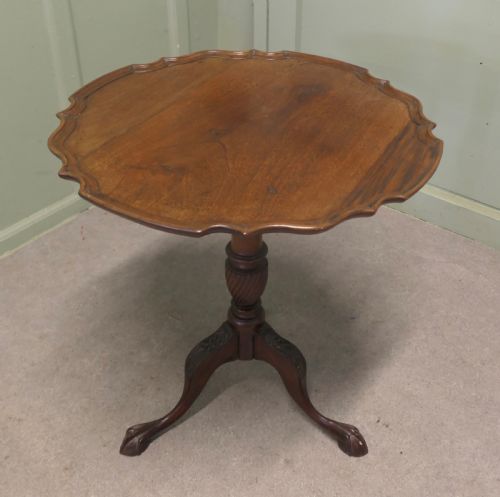
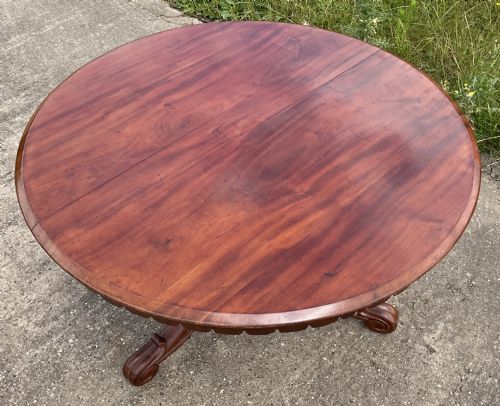
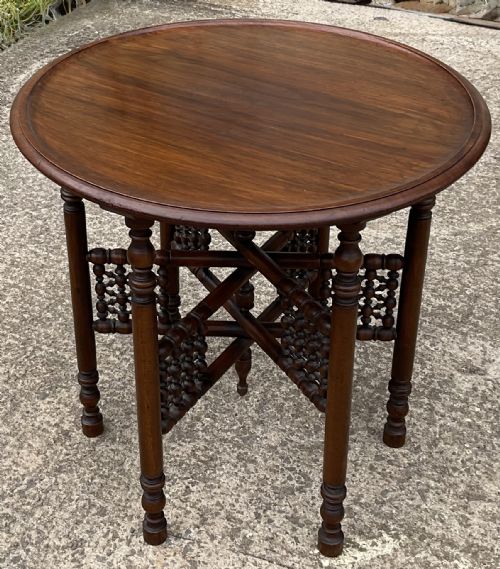
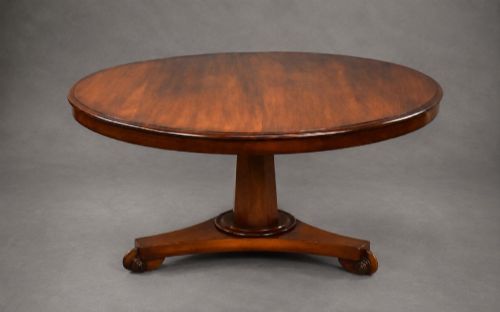
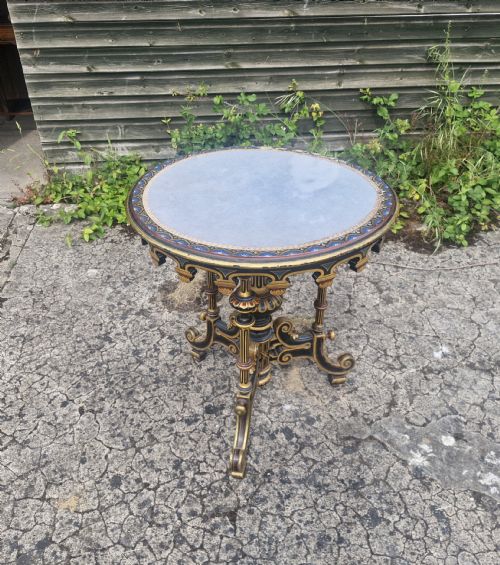
A victorian round tea table appears across several distinct forms in the evidence, spanning pedestal wine tables, tilt-top occasional pieces, and larger centre tables. Most examples date from the nineteenth century, including specific decades such as eighteen-eighty, eighteen-fifty, and eighteen-ninety, alongside related William Fourth and early Victorian periods.
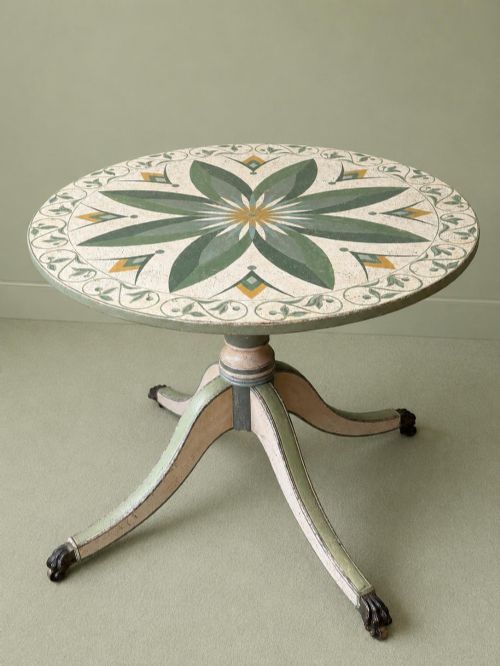
The materials utilised range from traditional timbers like mahogany, walnut, and rosewood to painted finishes, cherrywood, oak, pine, and birch. Buyers also encounter imported pieces including Anglo-Indian designs with mother of pearl inlay, as well as occasional items styled in rustic farmhouse or Victorian Gothic revival manners.
Materials and Construction
Makers constructed these circular tables using dense hardwoods such as mahogany and walnut, frequently supporting the tops on central pedestals with tripod legs or tilt-top mechanisms. Cabinetmakers applied decorative techniques including marquetry inlay, surface painting, and intricate carving to enrich the timber.
Alternative woods appear in pine and cherrywood, while specialised examples incorporate brass fittings, coromandel, and mother of pearl detail. Joinery methods support functional elements like folding tilt-tops and stable gate-legged frames.
Victorian Round Tea Table Retail Price Guide 2026
Typical asking prices for victorian round tea table among the pieces listed under this phrase on Sellingantiques today, from the lower quarter to the upper quarter. They describe what is for sale here now, not the wider market.
Quality and Distinction
Distinction across these tables rests upon the selection of timber figures, such as burr walnut or well-grained mahogany, and the precision of any marquetry inlay or surface painting. Finer pieces demonstrate careful balancing in tilt-top mechanisms and stability in tripod pillar supports.
The crispness of hand-carved ornamentation and the integrity of original structural elements differentiate standard utility items from more ambitious cabinet work found in nineteenth-century workshops.
The Victorian Round Tea Table Glossary
- Tilt-top table
- A table with a hinged top that pivots vertically to save space when not in use. This mechanism allows the surface to rest flat against a wall or corner.
- Tripod table
- A small freestanding table supported by a central pillar resting on three feet. This construction provides balance on uneven floors.
- Marquetry inlay
- Decorative patterns formed by fitting small pieces of veneer into a prepared wooden ground. Artisans use contrasting timbers to create pictorial or geometric designs.
- Centre table
- A freestanding piece finished on all sides intended to stand away from walls in the middle of a room. These tables often serve decorative or display functions.
- Pedestal table
- A single central column supporting a table top instead of traditional corner legs. This design maximises legroom for seated users.
Victorian Round Tea Table: Frequently Asked Questions
What is a victorian round tea table used for?
These tables originally served households during afternoon tea and social gatherings. Today, they function as lamp tables, display surfaces, or occasional tables in living spaces.
Their compact circular design allows them to fit easily beside seating arrangements while providing adequate surface area for everyday items.
What woods were commonly used?
Mahogany and walnut predominate among nineteenth-century examples, often chosen for their rich grain and durability. Cabinetmakers also utilised rosewood, oak, pine, and birch depending on the regional style.
Some pieces feature decorative additions such as painted finishes, marquetry, or mother of pearl inlay.
Are these tables suitable for small rooms?
The compact footprint of a round pedestal table makes it practical for smaller interiors. Tables with tilting tops offer additional space-saving versatility when stored against a wall.
Tripod bases also minimise obstruction around the floor compared to four-legged dining tables.
How do I distinguish different nineteenth century styles?
Stylistic variations depend on decorative details, turning shapes, and inlay work. Early Victorian and William Fourth examples emphasise heavy mahogany and rosewood grains.
Later Victorian pieces introduce painted surfaces, aesthetic movement influences, or carved Anglo-Indian motifs.