

Victorian Rosewood Shelves
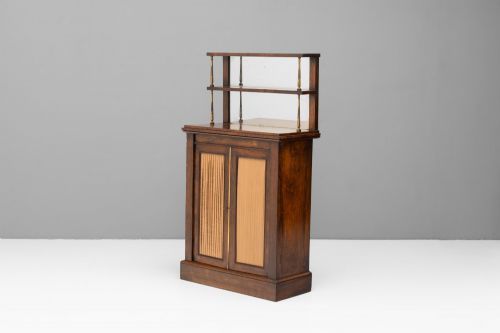
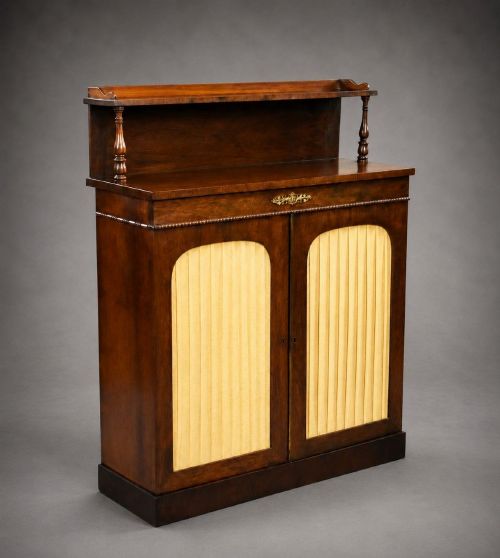
Victorian rosewood shelves combine rich dark timber with practical tiered storage, forming a distinct category of nineteenth century furniture.
Victorian Rosewood Shelves
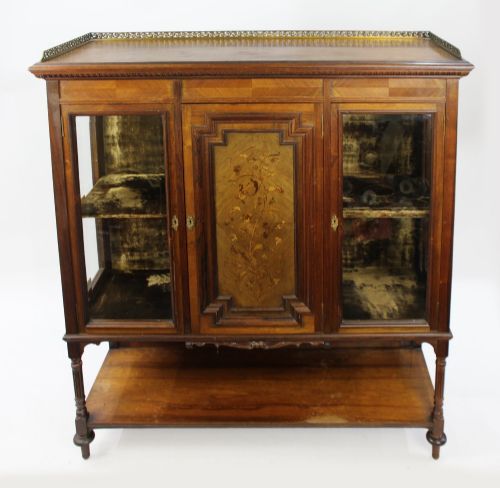
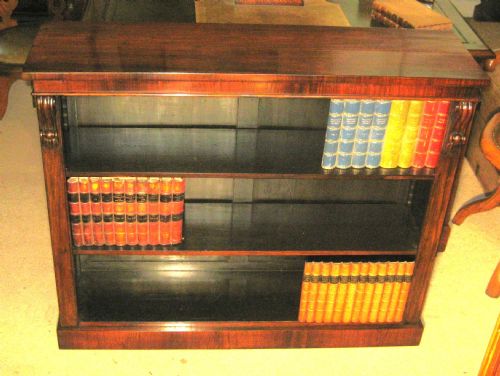
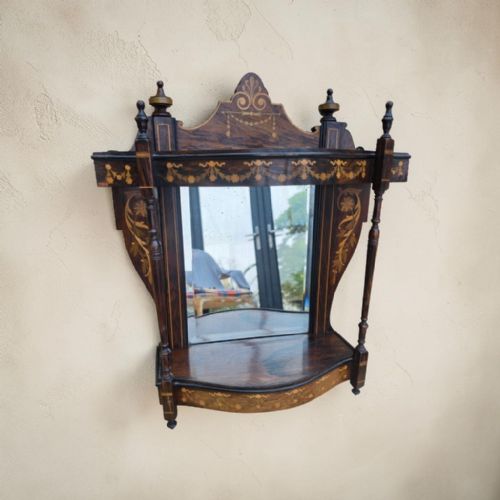
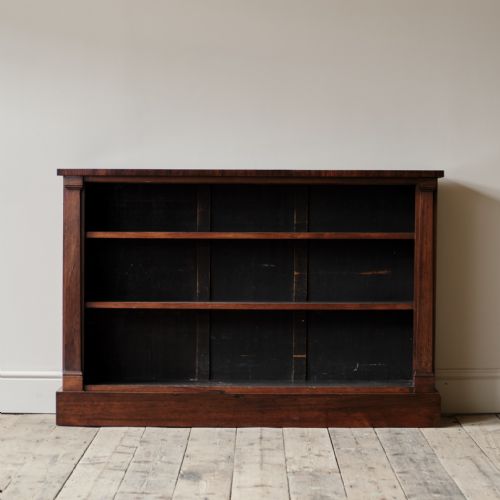
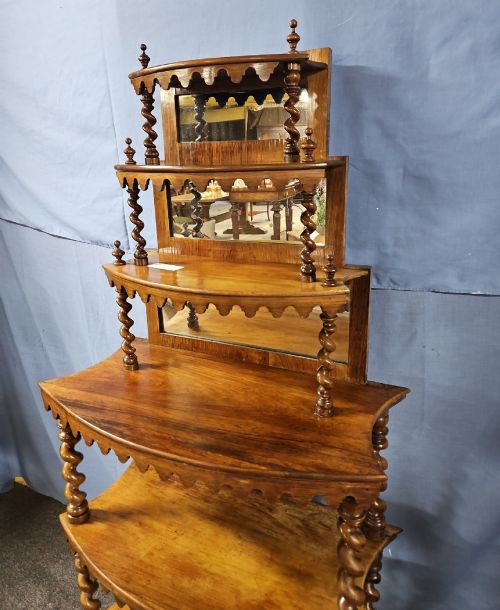
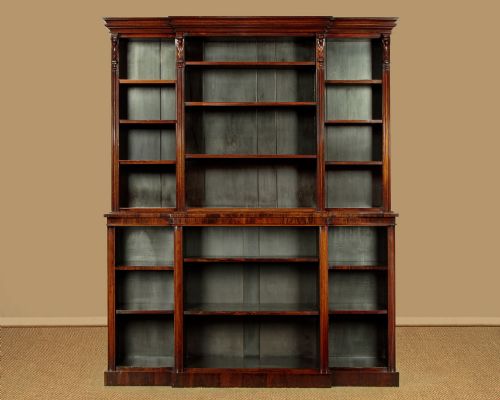
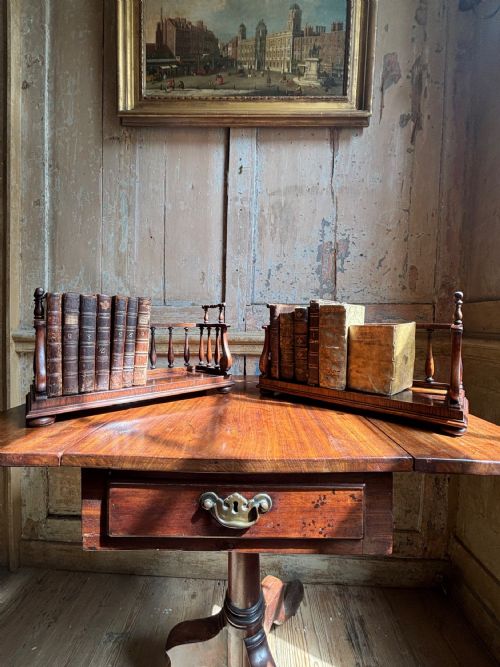
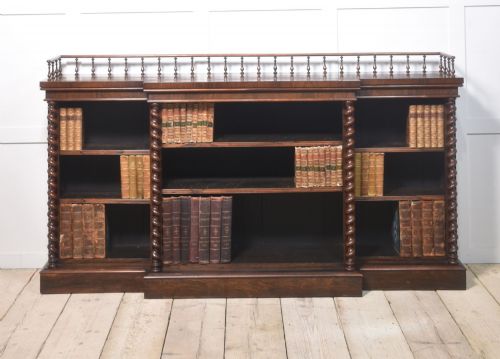
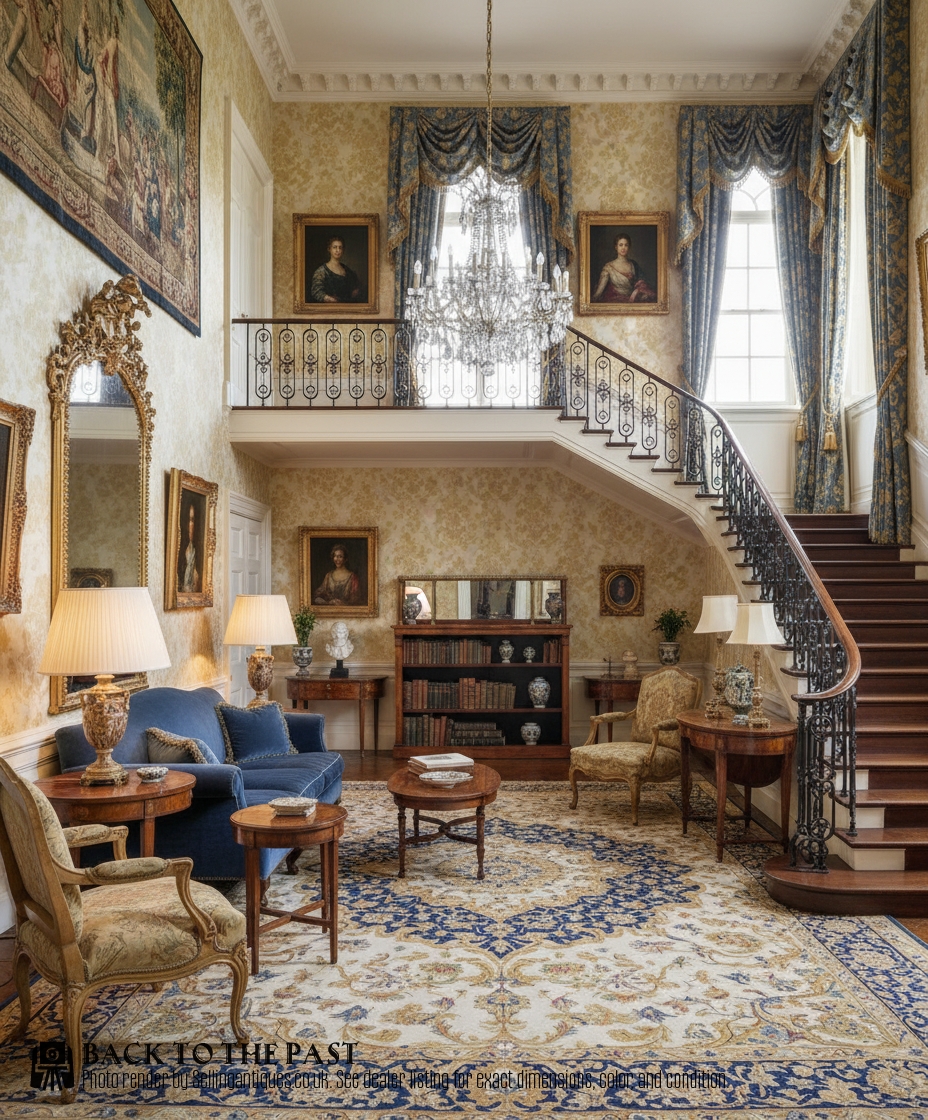
Victorian rosewood shelves encompass a range of tiered forms, from open bookcases and hanging wall units to freestanding étagères and multi-functional side cabinets. These pieces serve primarily to display books or decorative objects while adding warmth to a room through dense tropical timber.
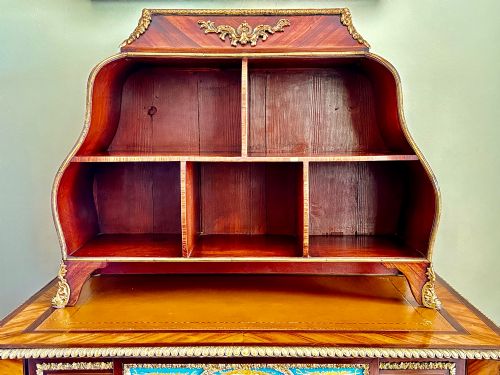
The version most commonly encountered on this page is the open bookcase or upright whatnot dating from the mid-nineteenth century. These items typically feature fixed or adjustable tiers supported by slender uprights, sometimes incorporating a small cupboard base or mirrored back.
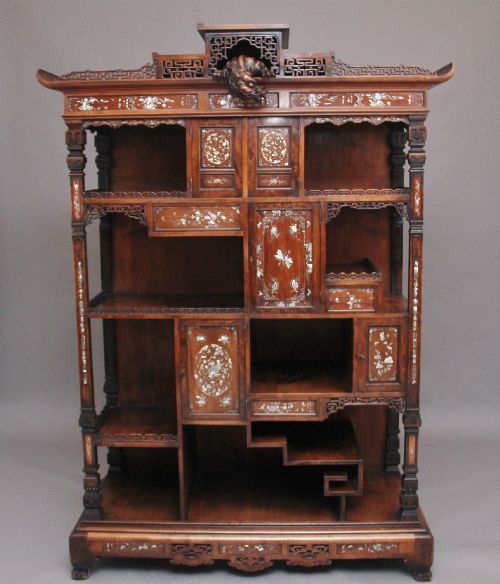
Makers and manufacturers produced these functional units across various stylistic revivals, including Louis XV, French Empire, and Japonisme. Alongside standard English examples, one finds pieces bearing influences from Anglo-Indian carving traditions and Irish cabinet workshops.
Evaluating quality and execution
Quality in these shelves reveals itself through the depth of the timber's figuring and the precision of the joinery connecting the tiers to the upright supports. Superior examples exhibit seamless veneer matching and robust structural integrity that prevents sagging under the weight of heavy volumes.
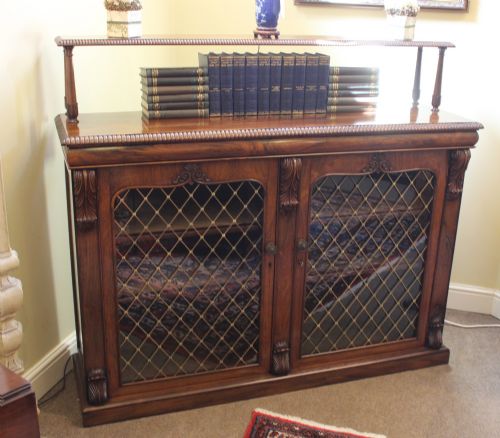
The refinement of carved details, such as corbels, applied mouldings, or inlay work, separates standard workshop production from exceptional pieces. Furthermore, the inclusion of integrated elements like original brass hardware or patinated marble tops indicates a higher initial commission.
A stray American wall clock with a painted panel occasionally wanders into the rosewood shelving lineup to keep everyone strictly on time.
Robert Strahan·Gillows·Samson and Son
The Victorian Rosewood Shelves Glossary
- Étagère
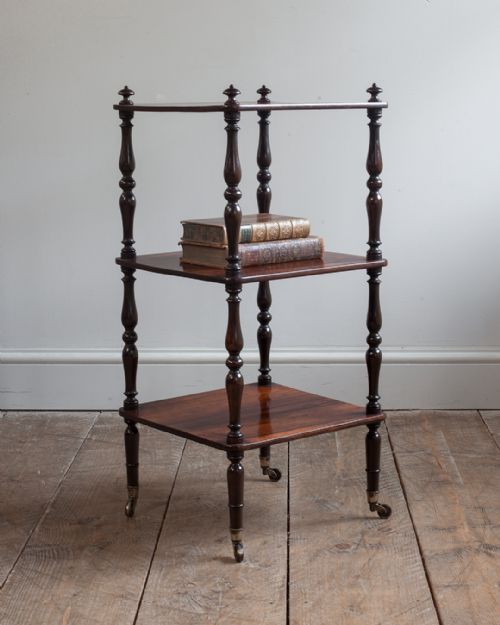
- A piece of furniture consisting of a set of open shelves for displaying small objects or ornaments. It usually stands upright on slender legs or upright supports.
- Whatnot
- An open shelved cabinet used for storing and displaying books, ornaments, or bric-a-brac. It gained immense popularity during the Victorian period.
- Chiffonier
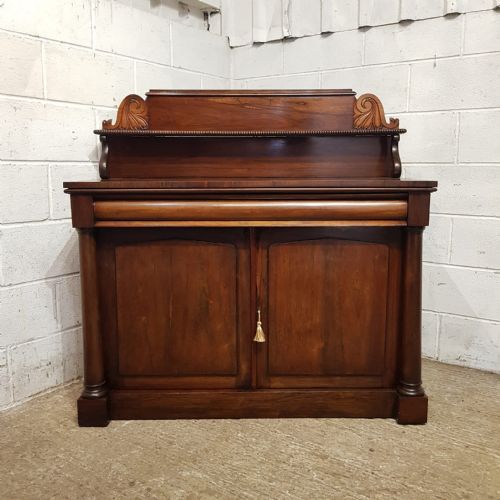
- A small sideboard, typically with drawers and enclosed shelves beneath. Victorian versions in rosewood often incorporate open display shelving on the upper tier.
- Cartonnier
- A piece of furniture containing drawers or compartments for holding papers and documents. French examples often feature decorative ormolu mounts.
- Shodona
- A Japanese-influenced display cabinet or shelving unit featuring asymmetrical tiers. These pieces reflect the nineteenth century enthusiasm for Japonisme.
Victorian Rosewood Shelves: Frequently Asked Questions
How were Victorian rosewood shelves used?
These units served multiple domestic functions, primarily holding leather-bound books, ceramic ornaments, and personal collections in drawing rooms and libraries. Freestanding étagères and whatnots allowed families to display decorative objects in prominent living spaces.
Wall-mounted versions and smaller hanging shelves kept floor space clear while providing accessible storage in bedrooms and smaller parlours. Their open design encouraged the arrangement of items for visual effect rather than concealed storage.
How do I tell an étagère from a whatnot?
An étagère generally emphasises display with tiered platforms supported by slender columns, often intended for ornaments and porcelain. A whatnot typically incorporates a slightly more robust structure, occasionally featuring enclosed cupboards or drawers at the lower level.
While both terms describe multi-tiered shelving units from the nineteenth century, whatnots lean closer to functional storage for books and papers alongside display.
Are these shelves suitable for heavy books?
Open bookcases and sturdy chiffonier shelving handle standard book collections well, provided the fixed shelves and upright supports remain solid. Lighter hanging shelves and delicate étagères suit decorative objects and smaller volumes rather than heavy folios.
Checking the thickness of the timber and the condition of the wall fixings or floor supports ensures safe loading for heavier antique texts.
How do I care for rosewood furniture?
Rosewood benefits from a stable indoor environment away from direct sunlight and excessive heat sources, which can dry out the timber and veneer. Gentle dusting with a dry, soft cloth preserves the polished surface without the need for heavy chemical polishes.
Applying a traditional beeswax occasionally helps nourish the wood grain and maintains the natural lustre of the nineteenth-century finish.