


Victorian Rococo Side Table
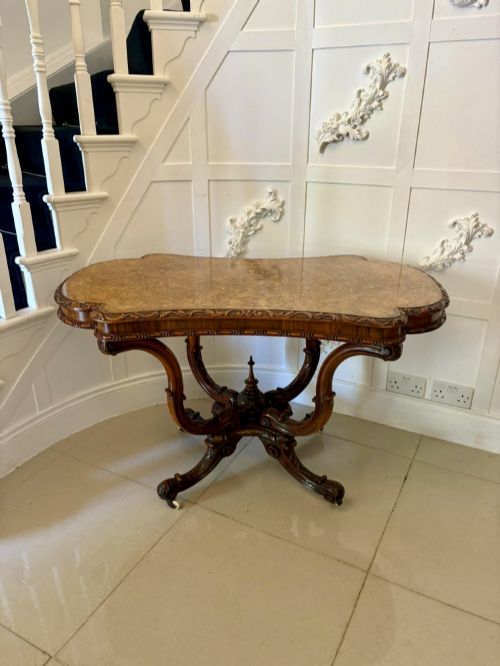
A victorian rococo side table brings extravagant nineteenth-century curves and polished walnut into a room.
Victorian Rococo Side Table
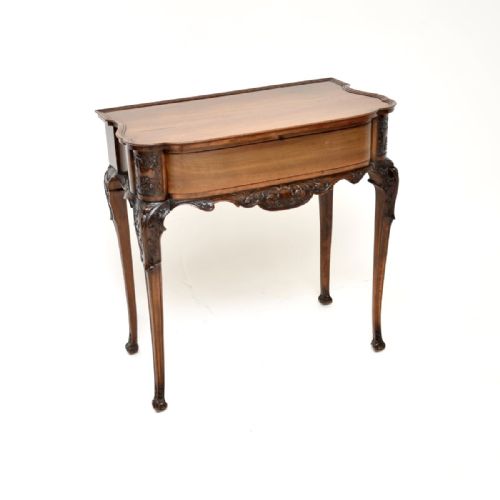
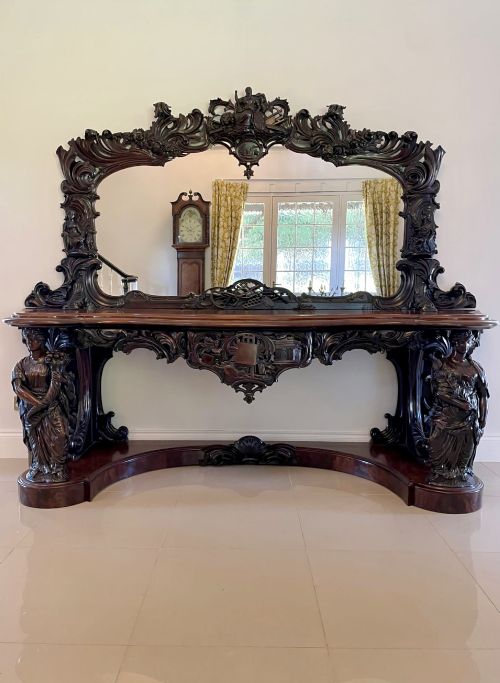
When you search for a victorian rococo side table, you encounter ornate nineteenth-century furnishings designed for formal reception rooms. These pieces draw heavily on French Rococo Revival and Louis XV revival styles, translating continental excess into Victorian British interiors.
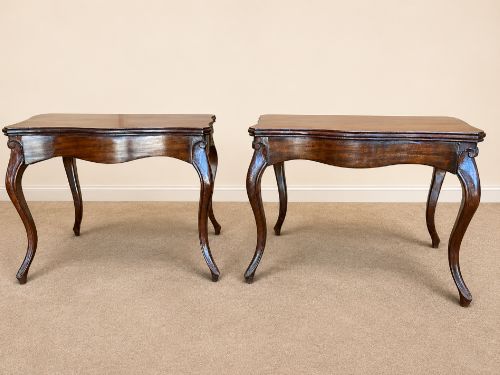
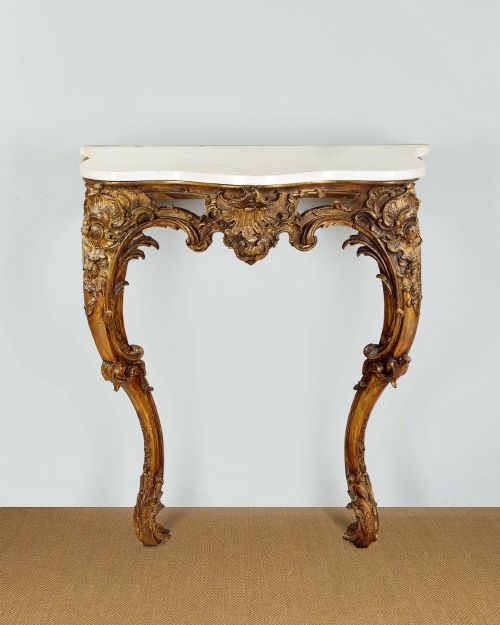
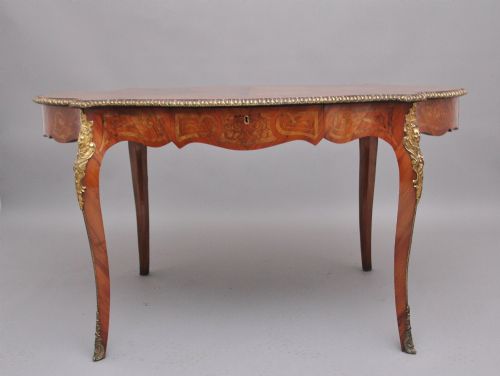
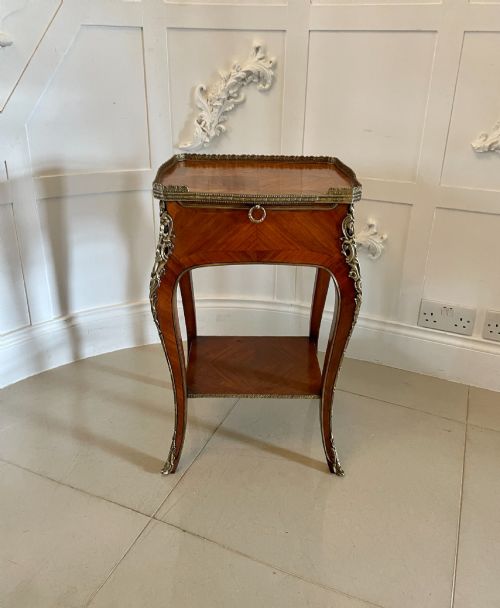
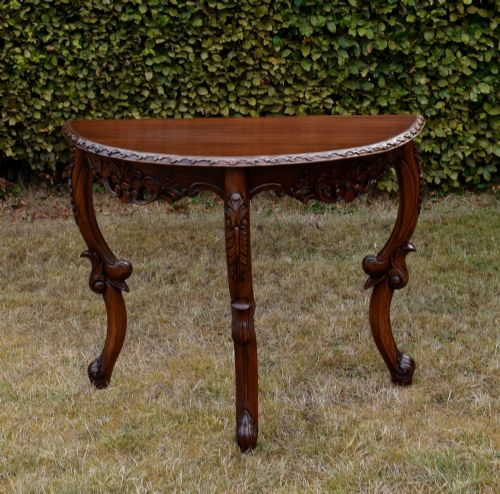
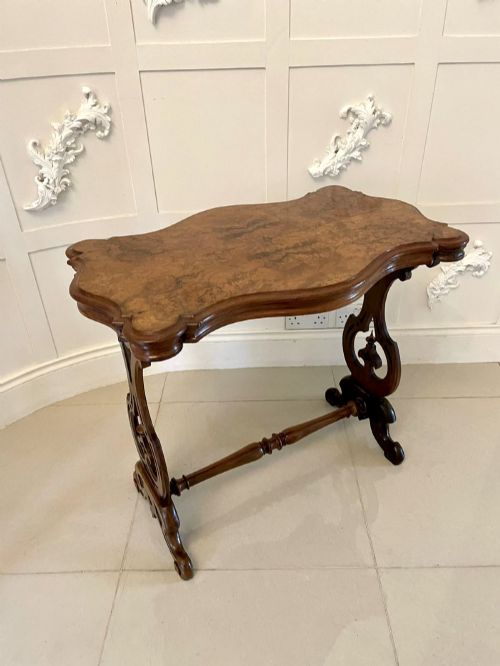
The versions you are most likely to meet on this page include freestanding centre tables, console tables, and occasional lamp tables. They frequently feature serpentine tops, shaped aprons, and cabriole legs rooted in the 1850s, 1860s, and 1870s periods.
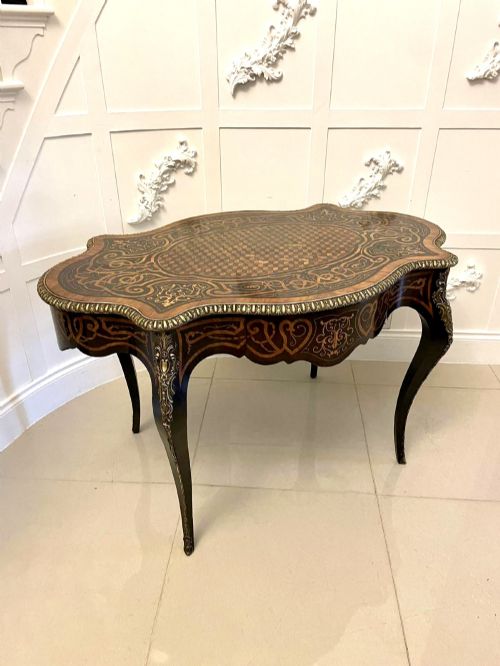
Makers of the era utilised elaborate silhouettes, often incorporating marble tops or marquetry inlay to catch the light. They served as social centrepieces, designed to hold lamps, cards, or decorative vases rather than heavy domestic loads.
How they were made
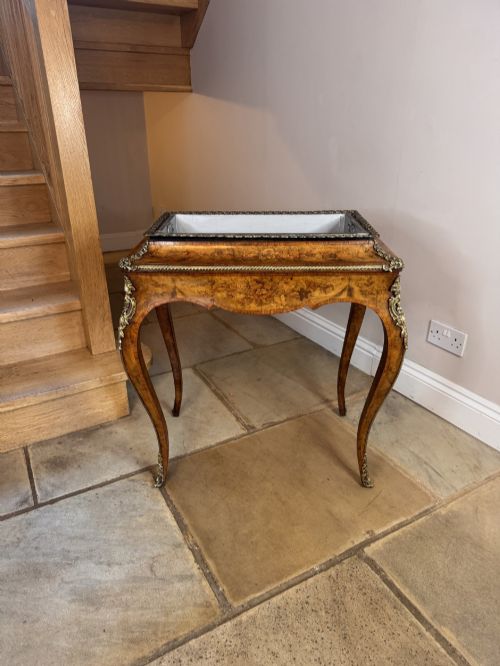
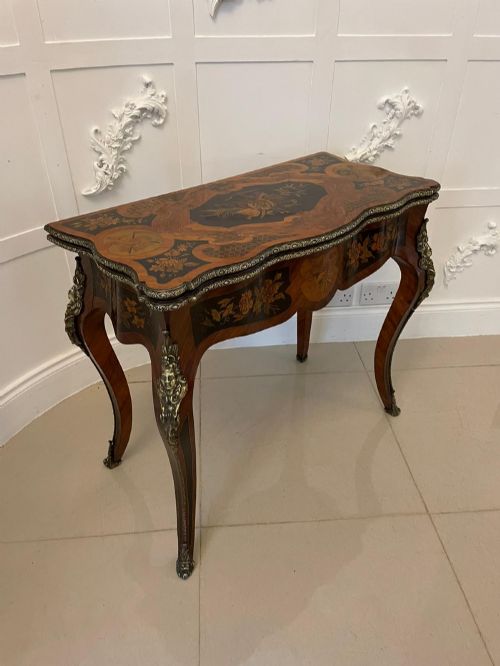
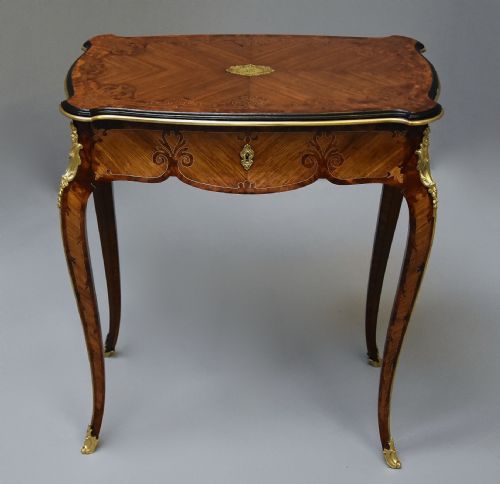
Cabinet makers built these frames using dense timbers like walnut, burr walnut, and mahogany, frequently applying kingwood and satinwood veneers in intricate marquetry patterns. Brass, ormolu, and gilt bronze mounts were cast and chased to accentuate the scrollwork and corners of the framework.
Surfaces were frequently finished with heavy inset marble slabs or polished to a high gloss to reveal the grain of the burl wood. Carving was executed by hand, creating deep relief foliage, scrolls, and asymmetrical motifs characteristic of the revival styles.
Victorian Rococo Side Table Retail Price Guide 2026
Typical asking prices for victorian rococo side table among the pieces listed under this phrase on Sellingantiques today, from the lower quarter to the upper quarter. They describe what is for sale here now, not the wider market.
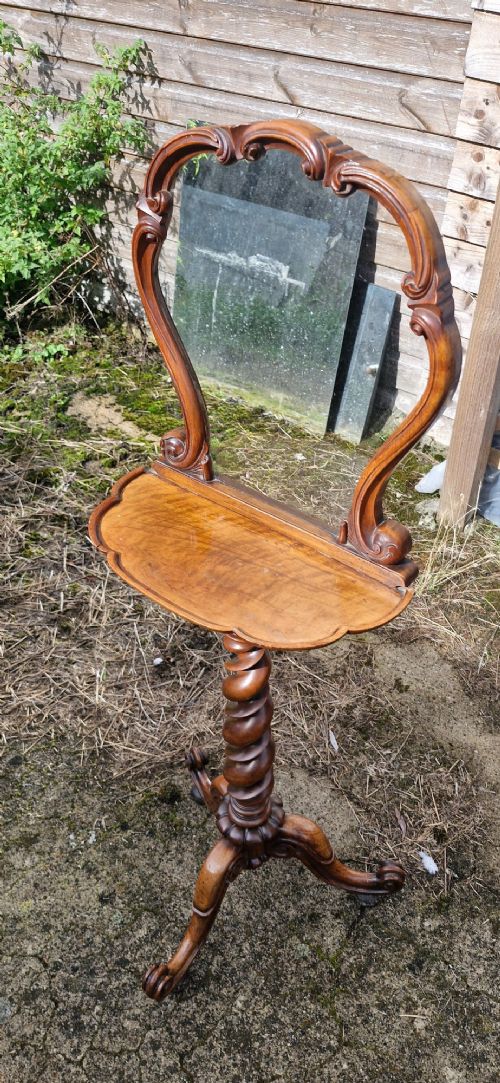
Some occasional tables concealed sophisticated mechanisms to assist with card games and tea.
What varies in quality
The distinction between ordinary and exceptional examples lies in the depth and crispness of the hand-carved details and the choice of timber. Tables utilising highly figured burr walnut or dense kingwood with precise marquetry inlay command greater attention than plain veneered alternatives.
Quality also rests in the hardware and secondary materials, such as heavy fire-gilded ormolu mounts rather than light brass plating, and thick slabs of rouge marble fitted flush into the wooden frame.
Edwards & Roberts
The Victorian Rococo Side Table Glossary
- Ormolu
- Gilt bronze ornamentation applied to furniture mounts. This technique was widely utilised during the nineteenth century to highlight rococo curves.
- Marquetry
- Decorative veneer work forming intricate pictures or geometric patterns. Craftsmen used various coloured woods to achieve this pictorial effect.
- Serpentine
- A gently undulating line curving inward and outward. This contour defines the edges and tops of many rococo revival tables.
- Cabriole leg
- A furniture leg that curves outward and then tapers inward, finishing in a scroll or pad foot. It mimics the natural shape of an animal's leg.
- Console table
- A table designed to be fixed against a wall, frequently supported by ornate brackets or front legs. These often featured heavy marble tops.
Victorian Rococo Side Table: Frequently Asked Questions
What is a victorian rococo side table used for?
These tables served primarily as decorative furnishings in nineteenth-century drawing rooms and reception spaces. They held table lamps, porcelain vases, or cards rather than heavy everyday items.
Today, they function as striking accent pieces in hallways or living rooms, offering a flat surface for display while introducing nineteenth-century character to an interior.
How do I distinguish rococo revival from other styles?
Rococo revival pieces are defined by asymmetrical scrolls, naturalistic leaf motifs, and flowing, serpentine lines. Unlike the straight lines of earlier neoclassical furniture, everything curves.
Look for cabriole legs, carved floral aprons, and rich burr walnut or kingwood veneers that soften the overall architectural silhouette.
Were these tables made in England or France?
The evidence shows both British Victorian production and French imports or continental inspirations working side by side. Many British workshops adopted French Louis XV styles.
London makers and provincial cabinet makers reinterpreted these continental motifs, leading to a vibrant mix of domestic walnut pieces and French-influenced kingwood designs.
How should I care for a marble top table?
Marble surfaces require gentle cleaning with mild, pH-neutral soap and warm water to protect the polished stone from acidic stains. Avoid harsh chemical cleaners.
Because antique marble is often heavy and sits loose within the wooden frame, take care when moving the table to prevent the stone from shifting or chipping.