



Victorian Rococo Revival Sofa
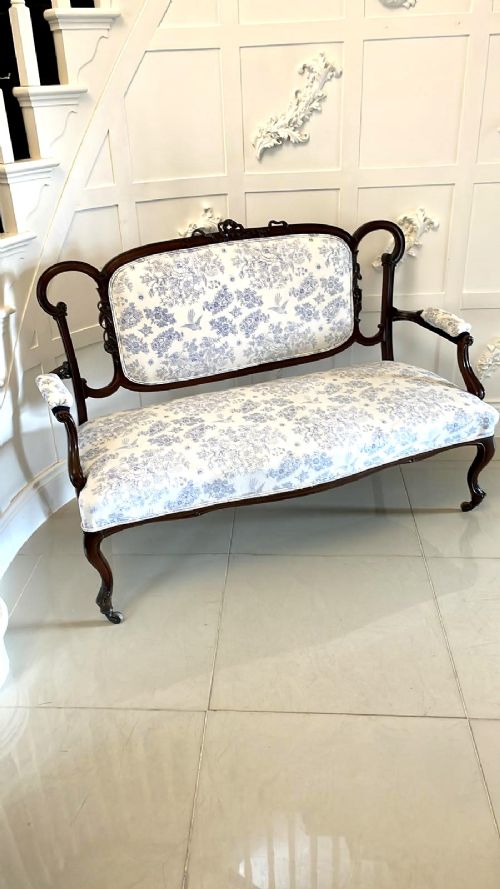
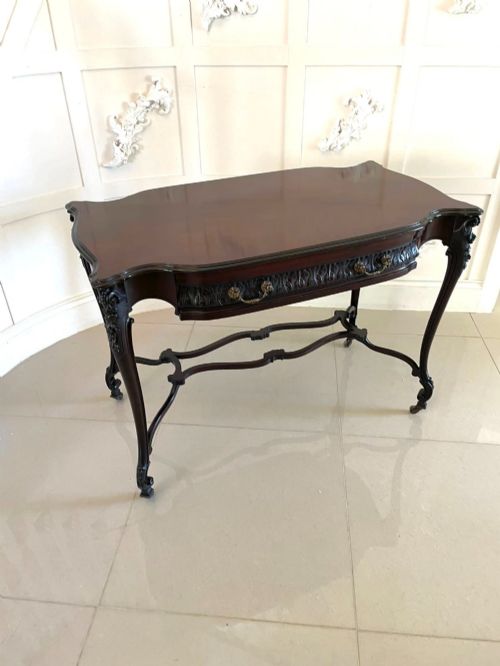
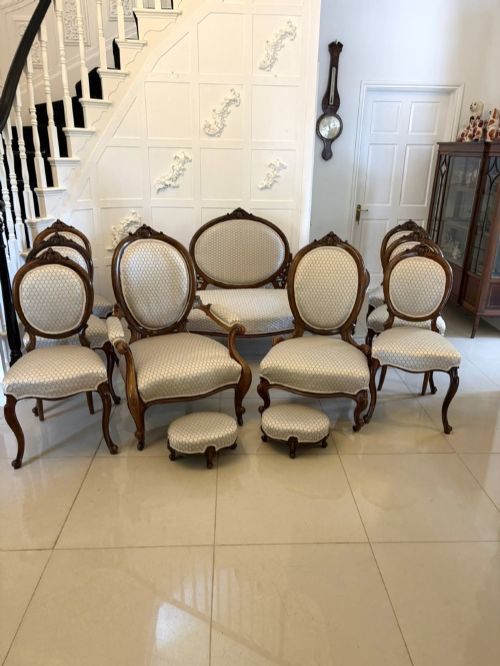
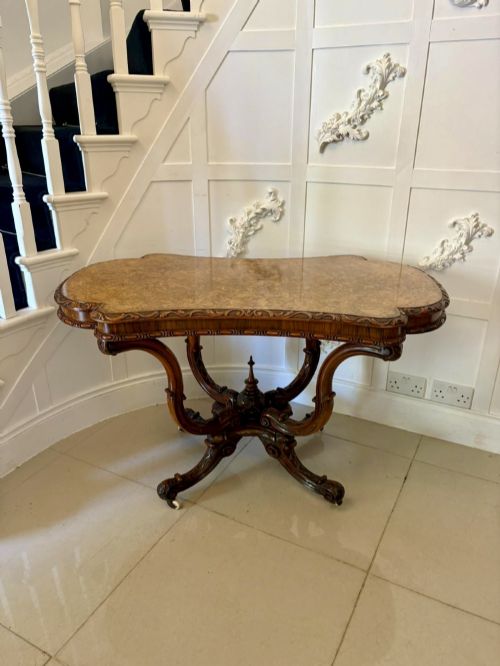
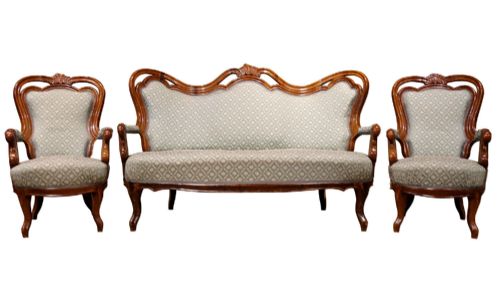
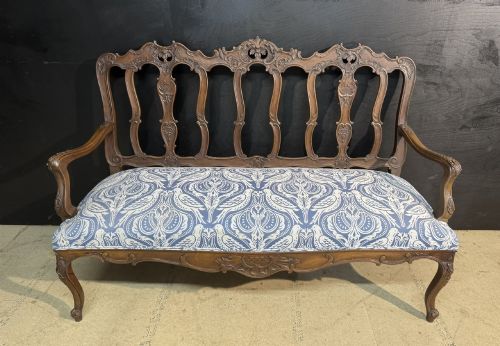
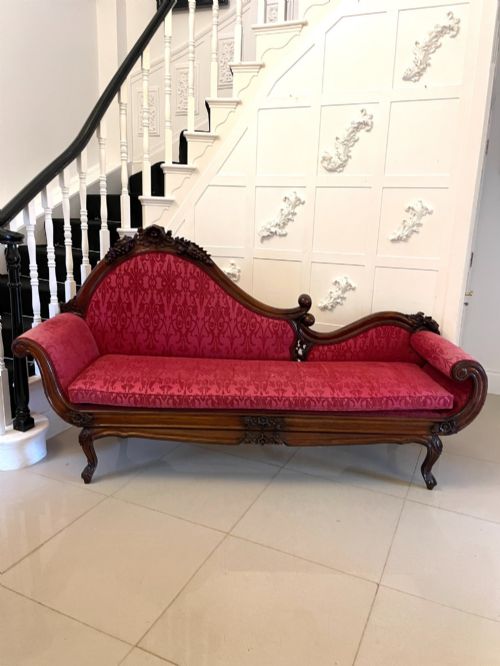
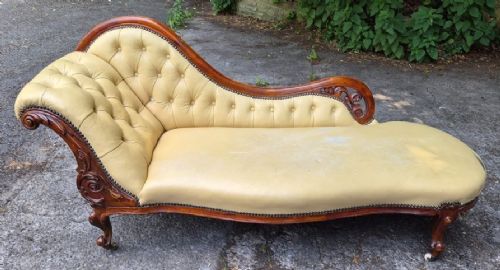
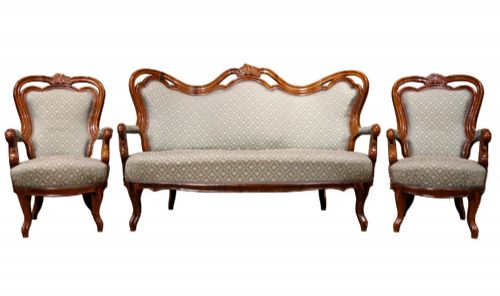
These walnut and mahogany pieces are a victorian rococo revival sofa, built to bring fluid, curved seating and rich nineteenth-century ornament into a formal interior.
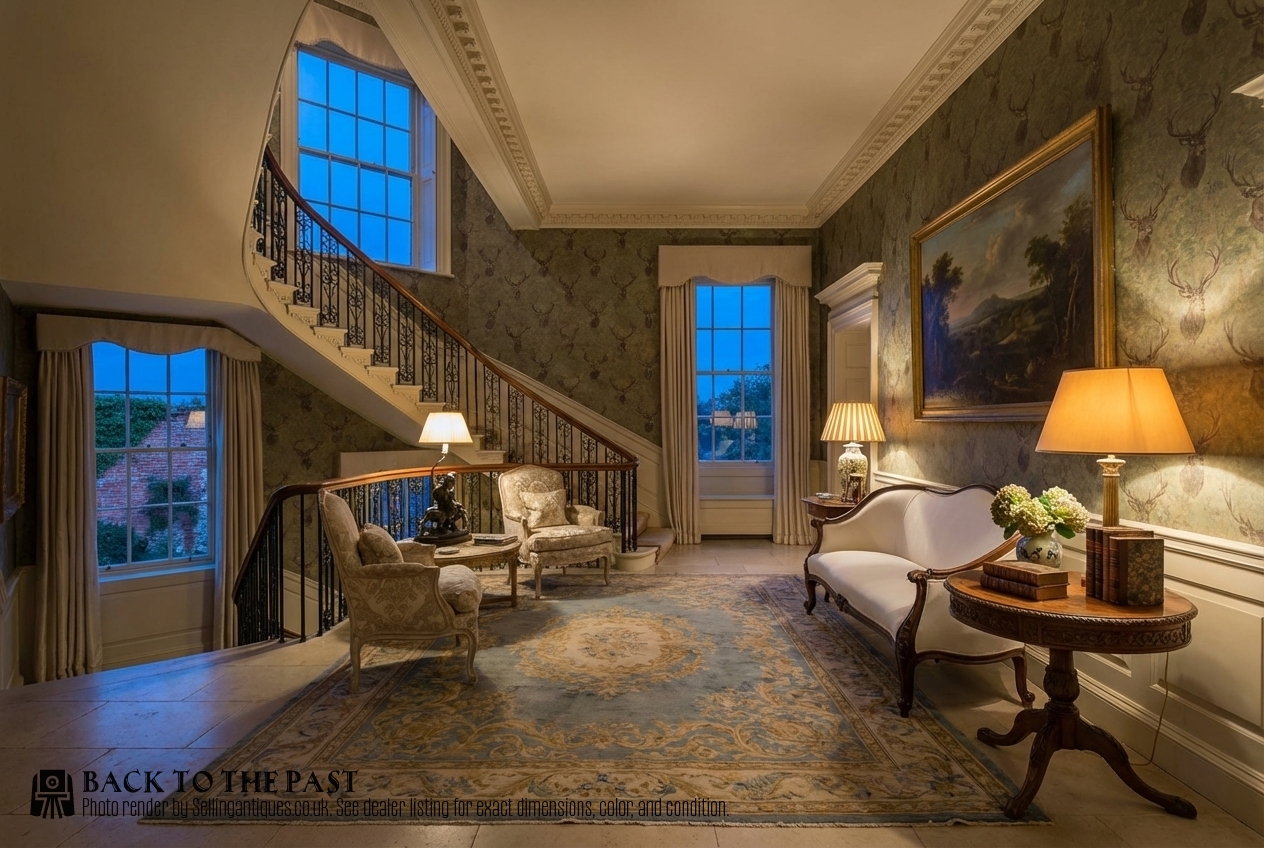
Victorian Rococo Revival Sofa
A victorian rococo revival sofa belongs to the broader movement of nineteenth-century seating, appearing frequently alongside settee and chaise longue forms. These examples span the mid to late nineteenth century, emerging from periods dated around 1850 and 1860.
The silhouettes rely on shaped wooden frames upholstered in fabric, velvet, or textile. Many sit within broader Victorian and Louis XV revival styles, showing the distinct curves associated with this decorative tradition.
Materials and Construction
Makers shaped structural frames primarily from dense hardwoods like walnut, burr walnut, mahogany, and rosewood. These timbers permitted deep, sculptural carving along the crest rails and cabriole legs.
Upholstery completed the forms, utilising supportive textiles and velvet surfaces secured to framed wooden bases. Brass fittings and gilt elements occasionally accented the primary wood structures.
Listings feature primary periods spanning from the 1850s through to the early twentieth century, constructed predominantly in walnut, mahogany, and rosewood.
Assessing Quality and Execution
Quality rests in the depth and crispness of the timber carving along the frame. Superior examples display meticulously shaped walnut or mahogany scrollwork without hesitation in the hand-chiselled details.
The integration of the upholstered components with the wooden chassis dictates the overall solidity. Better pieces maintain tight joinery and well-balanced proportions across multi-seater couches and cameo-backed settees.
Morison and Co Edinburgh·Holland and Son
The Victorian Rococo Revival Sofa Glossary
- Rococo Revival
- A nineteenth-century design movement characterised by asymmetrical C-scrolls, S-scrolls, and naturalistic floral motifs. This style draws inspiration from eighteenth-century French ornamentation.
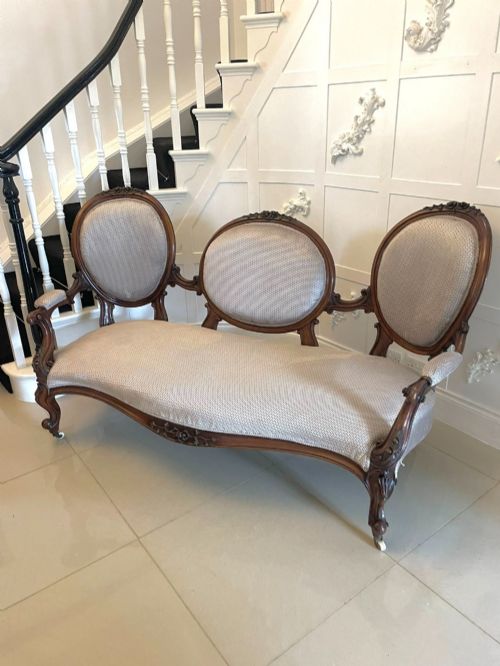
- Cameo Back
- A distinct oval or shield-shaped upholstered panel set within a carved wooden frame. The design frames the sitter in the manner of a classical portrait medallion.
- Cabriole Leg
- A furniture leg that curves outward in a convex arc at the knee and tapers inward in a concave arc toward the foot. It terminates frequently in a scroll or plain pad.
- Chaise Longue
- An upholstered long chair designed for reclining, combining a seat with an extended backrest or end rest. These pieces appear frequently in nineteenth-century salon arrangements.
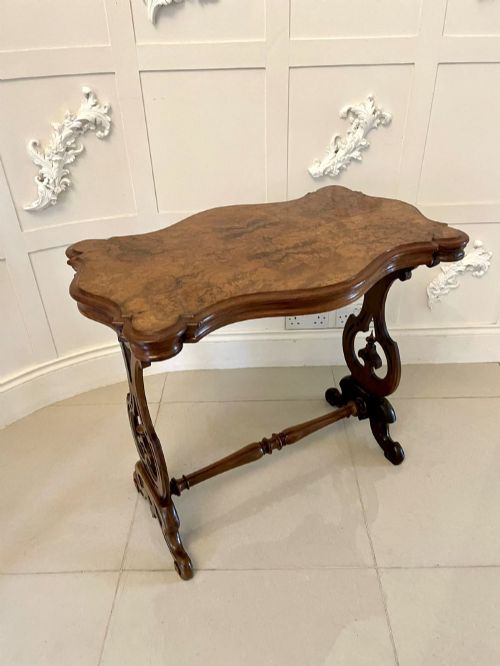
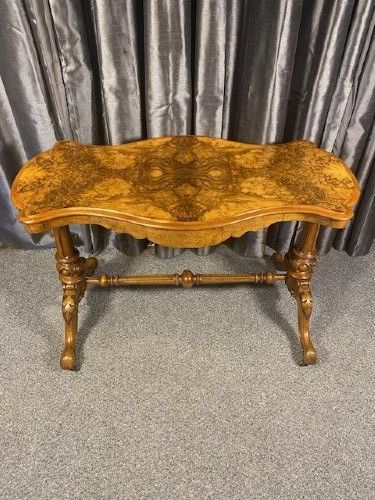
- Burr Walnut
- Timber taken from a tree growth or wart, producing intricate, swirling grain patterns. Cabinet makers prized this veneer for high-status table tops and decorative panels.
Victorian Rococo Revival Sofa: Frequently Asked Questions
What defines a rococo revival sofa?
These pieces feature curvilinear wooden frames with deep carving, asymmetric scrollwork, and cabriole legs. The design draws heavily on mid-nineteenth-century revivals of earlier French styles.
Upholstered surfaces in velvet or textile soften the robust wooden structures. They provide formal seating designed for nineteenth-century reception rooms and parlours.
How do I care for the upholstery?
Protect the fabric and velvet surfaces from direct sunlight to prevent fading of the textile colours. Gentle vacuuming with a soft brush attachment removes surface dust.
Avoid moisture-based cleaning agents on antique textiles. Professional conservation cleaning preserves the integrity of the original stuffing and fabric.
Where should I place a settee?
These settees suit principal reception rooms, large hallways, or drawing rooms where the carved wooden frame remains visible. Freestanding placement showcases the curved back and arms.
Ensure adequate clearance around the piece so the cabriole legs and shaped woodwork can be seen clearly. Keep them away from heat sources to protect the walnut or mahogany timber.
How do I identify the timber?
Examine the grain patterns and colour variations across the exposed wooden frame. Walnut displays rich brown tones with darker figuring, while mahogany tends toward a deeper reddish-brown hue.
Burr walnut reveals dense, swirling patterns caused by tree growths. Rosewood exhibits darker grain streaks and a heavy, dense feel.