


Victorian Revival Pendant
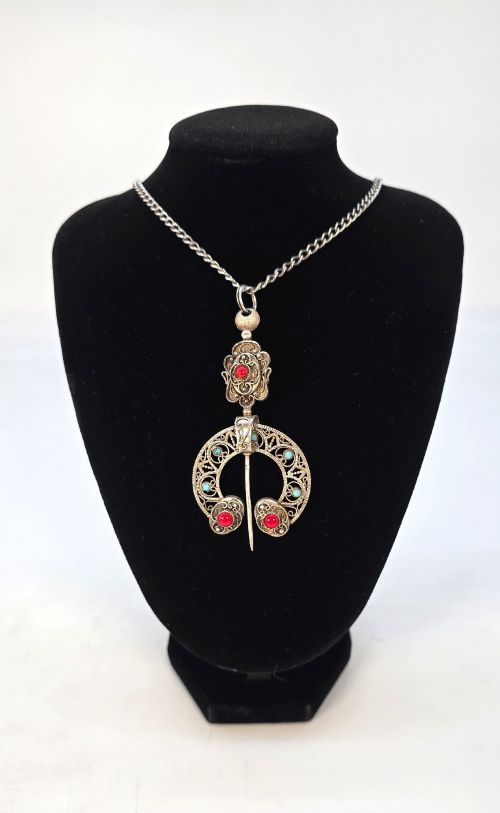
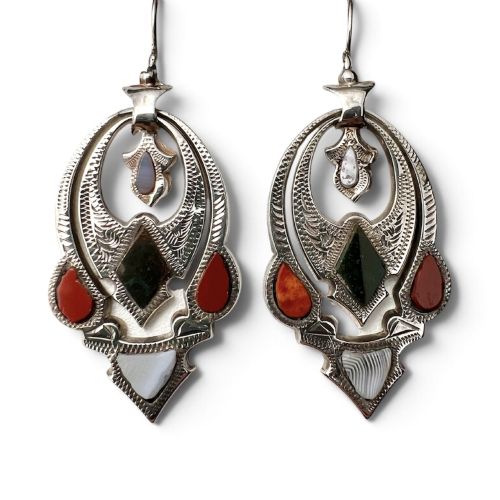
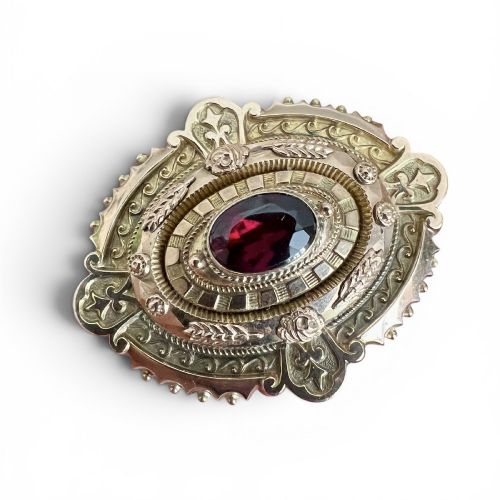
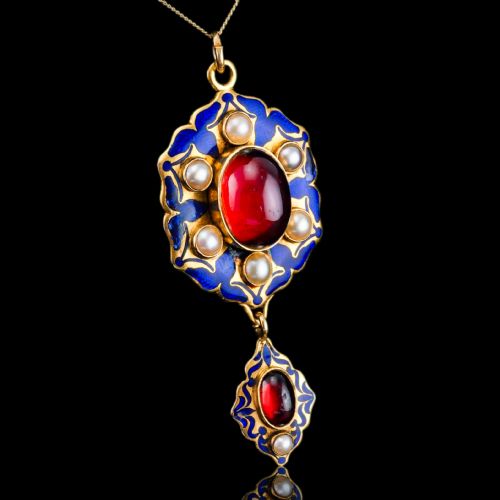
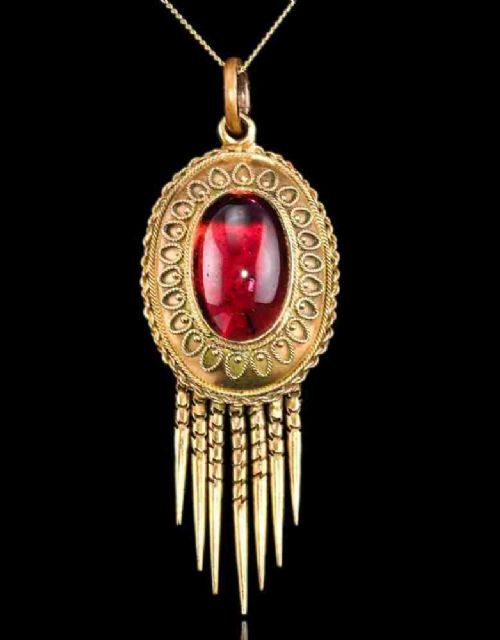
These victorian revival pendant pieces draw on historical vocabularies of design, offering layered metalwork and garnet settings that suit traditional interiors.
Victorian Revival Pendant
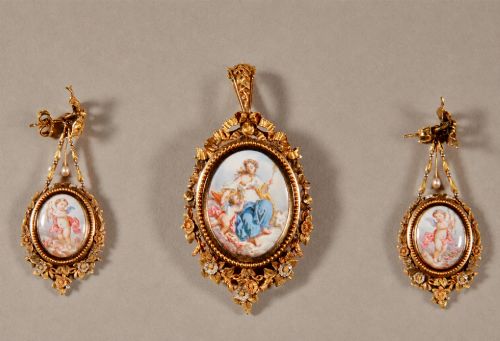
A victorian revival pendant brings together classical, gothic, and ancient motifs reimagined during the nineteenth century and subsequent revival periods. These items typically incorporate gold, garnet, and enamel work configured into distinct cultural revivals.
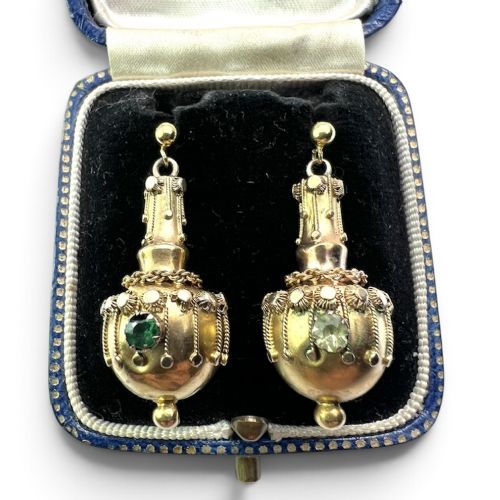
Buyers encounter forms spanning Etruscan revival necklaces, Egyptian motifs, and Holbeinesque designs. The selections on this page originate from periods ranging from the mid-nineteenth century into the early twentieth century.
Pendants share space with related items such as lockets and brooches, maintaining a cohesive aesthetic rooted in historical historicism. Each piece reflects the nineteenth-century fascination with archaeological discoveries and medieval art.
How They Were Made
Goldsmiths utilised high and low carat gold alongside silver gilt and bronze to construct intricate frames. Techniques included granulation and wirework to emulate ancient Etruscan and archaeological finds.
Gemstones such as garnets, pearls, and turquoise were hand-set into metal mounts, often paired with polychrome enamel or miniature paint work. Construction involved disciplined manual assembly, soldering, and casting by period artisans.
Victorian Revival Pendant Retail Price Guide 2026
Typical asking prices for victorian revival pendant among the pieces listed under this phrase on Sellingantiques today, from the lower quarter to the upper quarter. They describe what is for sale here now, not the wider market.
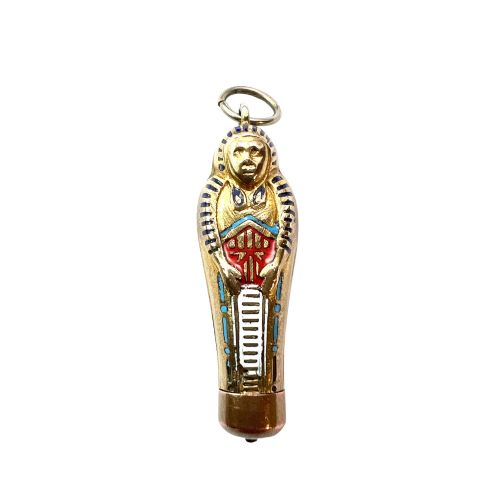
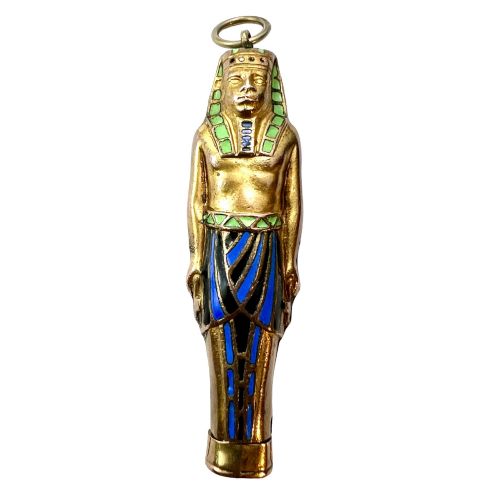
Some nineteenth-century makers hid tiny Egyptian pharaohs inside miniature propelling pencils, proving that even a desk tool needed a dramatic backstory.
What Varies in Quality
The distinction between tiers rests upon the precision of the metal granulation and the depth of the repoussé work. Finer examples display crisp detail in chased borders and secure stone settings.
Material choice dictates structural integrity, with higher-carat gold and natural pearls marking superior production. Enamel condition and the complexity of the historical reference further define the grade of an individual piece.
Joseph Wilmotte
The Victorian Revival Pendant Glossary
- Etruscan Revival
- A design style inspired by ancient archaeological excavations, characterised by gold granulation and applied wirework. This aesthetic gained popularity during the mid-nineteenth century.
- Holbeinesque
- A style of jewellery drawing on sixteenth-century German and Swiss court designs, often featuring clustered gemstones and pendant pearls. It was revived prominently during the Victorian era.
- Enamel
- A vitreous substance fused to metal through high-temperature firing to add colour and decoration. It appears frequently in nineteenth-century revival pieces to mimic precious stones or create pictorial scenes.
- Granulation
- A decorative technique involving tiny spheres of precious metal soldered to a surface in geometric patterns. This method defines much of the archaeological revival jewellery.
- Parure
- A matched set of jewellery designed to be worn together, typically comprising a necklace, earrings, and a brooch or pendant. These suites share consistent materials and stylistic motifs.
Victorian Revival Pendant: Frequently Asked Questions
What is a victorian revival pendant?
A victorian revival pendant is a decorative ornament created during the nineteenth century or later periods that imitates historical styles like Gothic or Etruscan art. These pieces utilise gold, enamel, and garnets to replicate ancient aesthetics.
Craftsmen drew inspiration from archaeological discoveries and medieval manuscripts to shape these wearable ornaments. They serve as tangible examples of nineteenth-century historicism.
How do I style a period pendant?
These pendants pair well with traditional chains or ribbons, depending on the scale and weight of the gold or silver mount. They function effectively as focal points for historical attire or as statement pieces against contemporary fabrics.
Consider the drop length and the presence of matching elements like earrings to balance the display. Proper storage away from moisture preserves the enamel and delicate metalwork.
How do I date these pieces?
Dating relies on examining the metal hallmarks, gemstone cuts, and the specific revival style employed by the maker. Etruscan and Gothic motifs often align with distinct decades of the nineteenth century.
Construction methods, such as the type of pin stem or jump ring, offer further clues to chronology. Comparing stylistic markers against documented pieces helps narrow the production era.
What materials were used?
Makers employed yellow and rose gold, silver gilt, and bronze as the primary structural metals for these ornaments. Gemstones such as garnets, pearls, and turquoise feature prominently within the settings.
Enamel and glass elements also appear to add colour and texture to the designs. Each material reflects the manufacturing capabilities and aesthetic preferences of the period.