


Victorian Revival Jewellery
Victorian revival jewellery draws on ancient, medieval and Renaissance motifs, offering a distinct aesthetic that blends classical forms with 19th-century craftsmanship.
Victorian Revival Jewellery
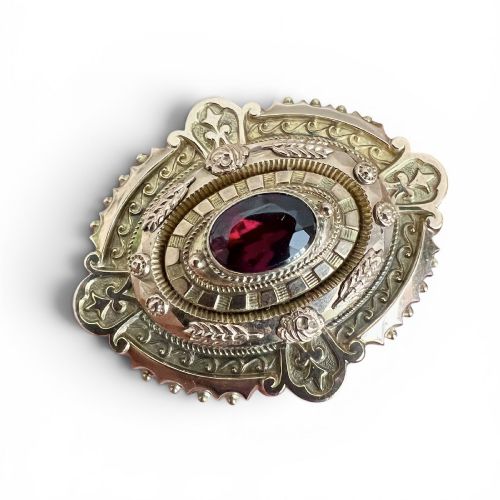
Victorian revival jewellery encompasses pieces created during the 19th century and adjacent decades that look back to earlier historical epochs for inspiration. When searching for victorian revival jewellery, buyers encounter a diverse selection of earrings, brooches, necklaces and pendants spanning stylistic revivals from Etruscan and Egyptian to Renaissance and Gothic aesthetics.
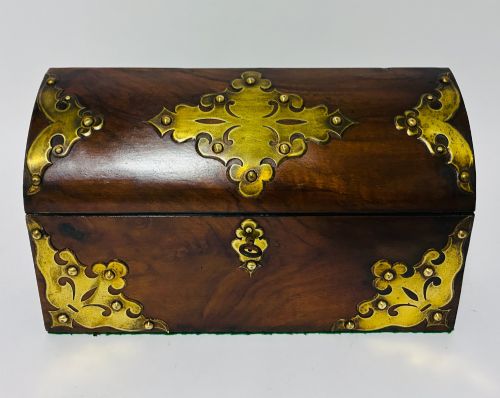
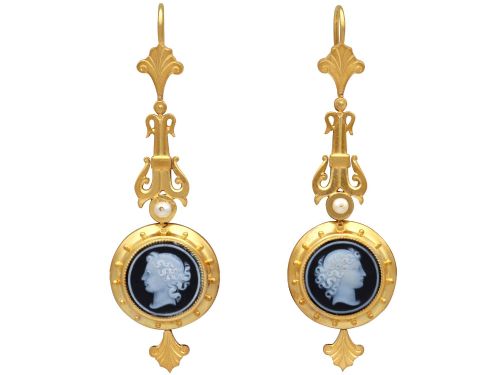
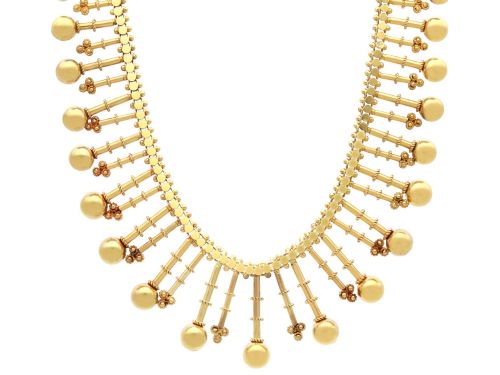
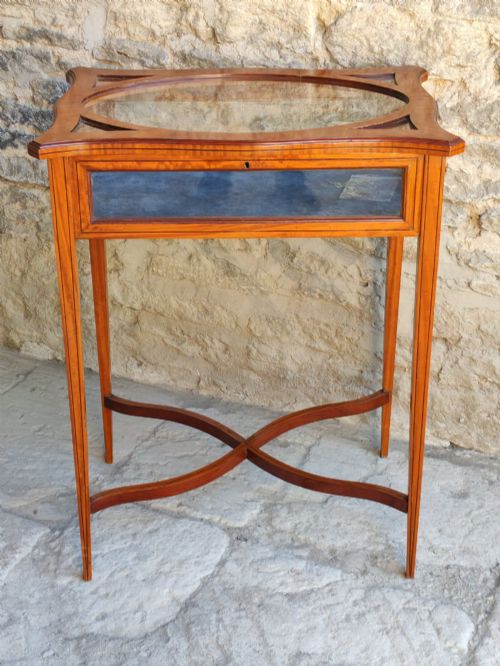
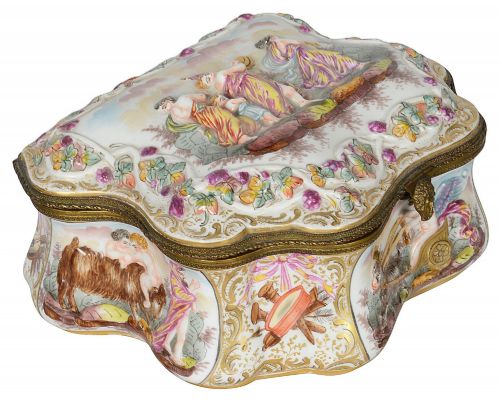
The objects on this page largely reflect the Victorian period alongside Edwardian and mid-20th-century echoes, utilising familiar forms such as drop earrings, fringe necklaces and locket brooches. Alongside wearable ornaments, the selection includes related receptacles like jewellery caskets, bijouterie tables and boxes that share the same historical stylistic vocabulary.
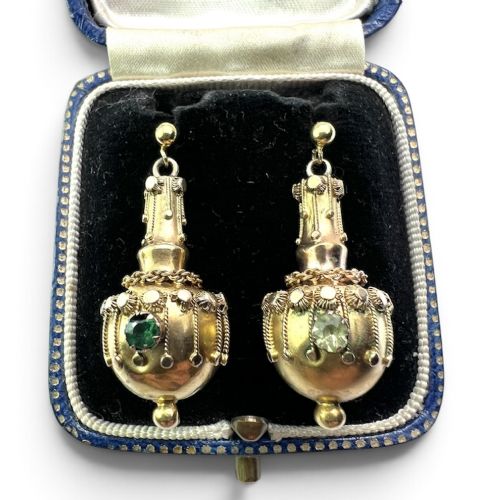
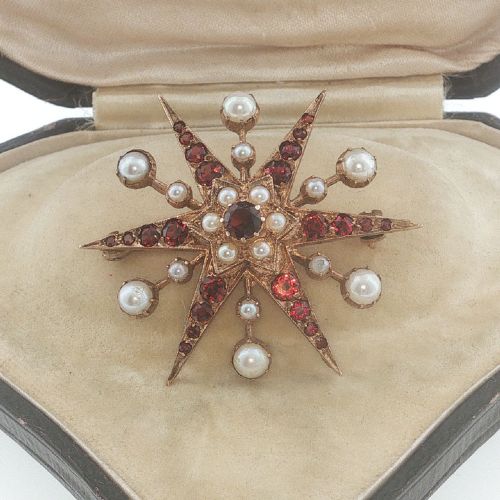
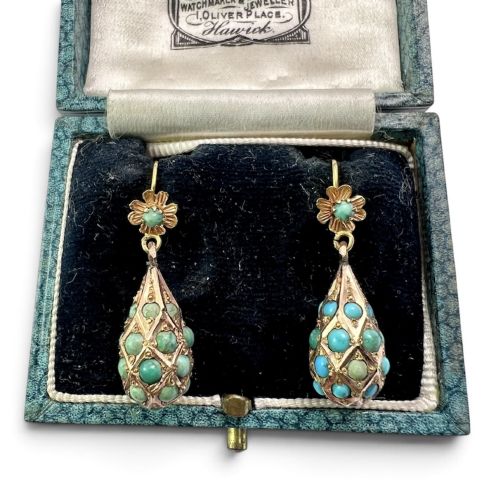
Makers of these pieces adapted ancient techniques and motifs to suit contemporary tastes, resulting in ornaments that feel both archaeological and thoroughly Victorian. Buyers frequently find garnet starbursts, turquoise-set drop earrings and multi-gem pendants that mirror the historicist enthusiasm of the era.
How They Were Made
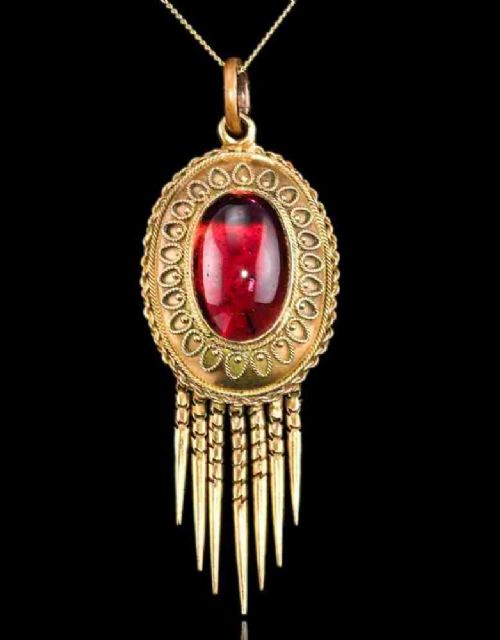
The construction of these pieces relies on high-karat yellow gold, silver gilt, and brass, combined with natural stones such as garnet, turquoise, agate, malachite, pearl, and diamond. Metalsmiths employed meticulous wirework, granulation, and enoximetal application to recreate the appearance of ancient Greek, Roman, and Etruscan treasures.
Hardstones like sardonyx, carnelian, and shell were hand-carved into cameos and intaglios, then mounted securely into gold or silver settings. Enamel work, particularly polychrome and translucent variants, added vivid colour to brooches, pendants, and table boxes, mimicking medieval and Renaissance masterpieces.
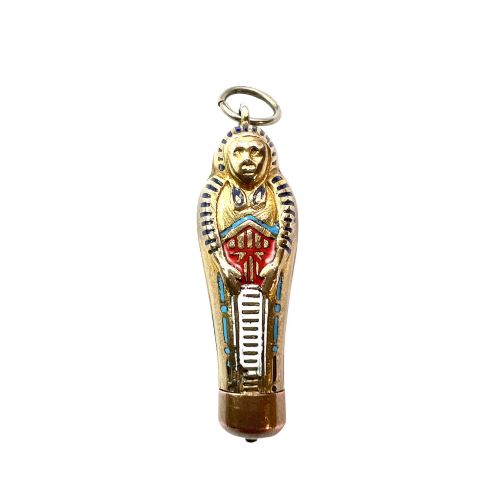
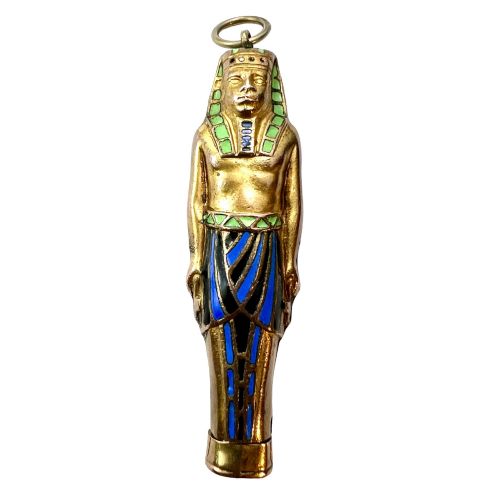
Several pieces double as tiny writing implements, including enamelled propelling pencils shaped like Egyptian sarcophagi.
What Varies in Quality
Quality in these pieces rests upon the precision of the hand-carving in stones and shells, the fineness of the granulation and wirework on gold surfaces, and the integrity of the enamel. Superior examples display crisp definition in classical motifs and secure, balanced settings for every garnet, pearl, and diamond.
The choice of materials also dictates the tier of the piece, with higher-karat golds and substantial natural gemstones separating master-level work from standard commercial output. Structural refinement in secondary elements, such as the hinge of a locket or the bezel of a pendant, distinguishes more ambitious workshops from simpler iterations.
The Victorian Revival Jewellery Glossary
- Etruscan Revival
- A 19th-century design movement inspired by archaeological discoveries in Italy, characterised by gold granulation, wirework, and classical geometric motifs.
- Holbeinesque
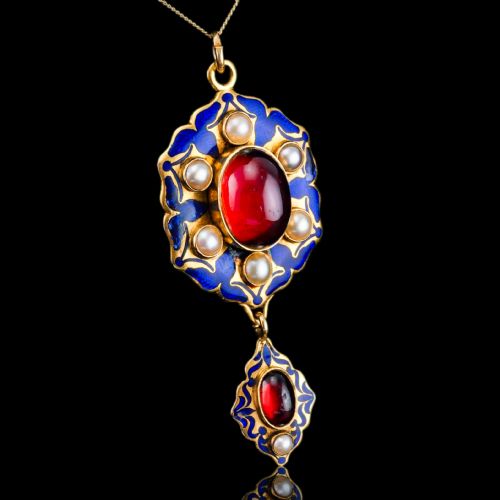
- A Victorian revival style drawing on 16th-century designs attributed to Hans Holbein, typically featuring elaborate pendants set with polychrome enamel, pearls, and table-cut stones.
- Bijouterie table
- A glass-topped display table designed specifically for showcasing small valuable objects, jewellery, and curiosities within a drawing room.
- Agate
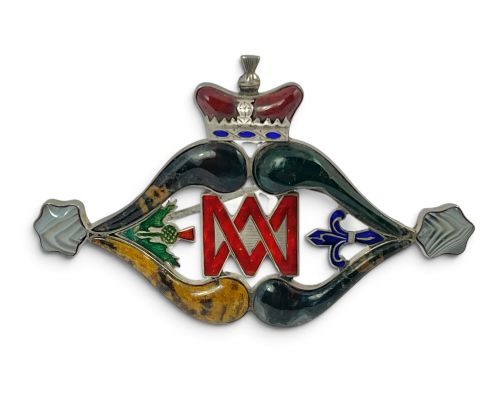
- A form of chalcedony frequently utilised in Scottish Victorian jewellery, often cut and polished into banded panels for brooches and bracelets.
Victorian Revival Jewellery: Frequently Asked Questions
What defines Victorian revival jewellery?
Victorian revival jewellery is characterised by its deliberate borrowing of historical design elements from ancient civilisations, the medieval era, and the Renaissance. Craftsmen of the period reinterpreted these older aesthetics using contemporary goldworking techniques and gemstone settings.
Items typically include Etruscan-style granulation, Renaissance enamel work, and Egyptian scarabs or pharaoh motifs. This creates wearable pieces that pay homage to historical periods while remaining distinctively 19th-century in construction.
How can I date these pieces?
Dating relies on a combination of hallmarks, material selection, and stylistic markers characteristic of specific decades. The presence of 9ct, 15ct, or 18ct yellow gold alongside particular revival styles like Gothic or Egyptian revival helps narrow the timeline.
Assay office marks and maker stamps, when present, provide the most precise indication of origin and year. Comparing the specific setting techniques and stone combinations with documented examples further clarifies the era of manufacture.
How were these ornaments worn?
Wearers in the 19th century displayed these pieces prominently on heavy gold fringe necklaces, multi-gem pendants, and large statement brooches pinned to garments. Earrings were often long and dangling, designed to catch the light during evening events.
Matching suites of jewellery, known as parures, allowed wearers to coordinate necklaces, brooches, and earrings simultaneously. These ornaments were intended to signal both personal taste and an appreciation for classical history and culture.
How do I care for my piece?
Caring for historical jewellery involves gentle cleaning with a soft, dry cloth to remove surface dust without disturbing delicate enamel or glued pearls. Moisture should be kept away from organic materials like shell cameos and seed pearls, which are sensitive to water and harsh chemicals.
Storage in dedicated jewellery boxes, caskets, or lined drawers prevents scratches and protects intricate wirework from bending. Regular inspection of settings by a specialist ensures that gemstones remain secure in their original mounts.