


Victorian Revival Furniture
Victorian revival furniture brings together historic styles from Gothic to Sheraton revival, crafted in oak, walnut, and mahogany for sophisticated interiors.
Victorian Revival Furniture
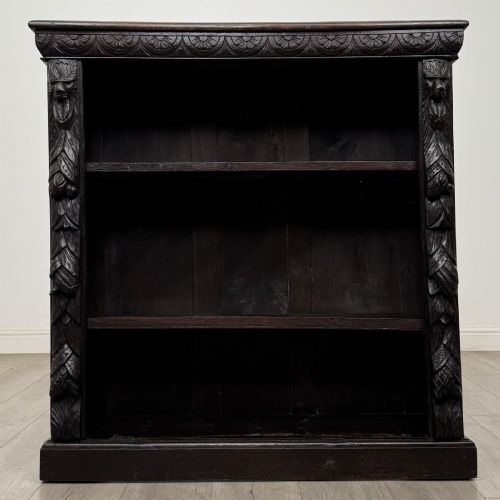
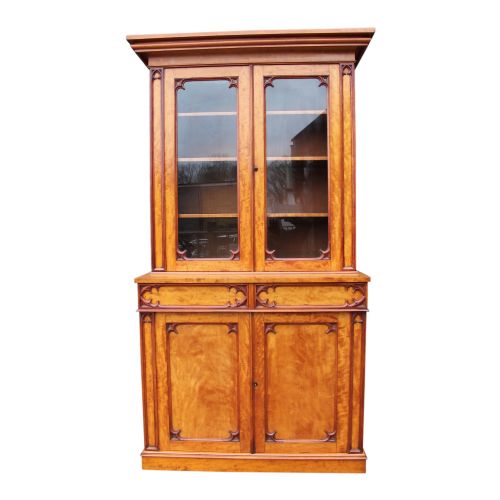
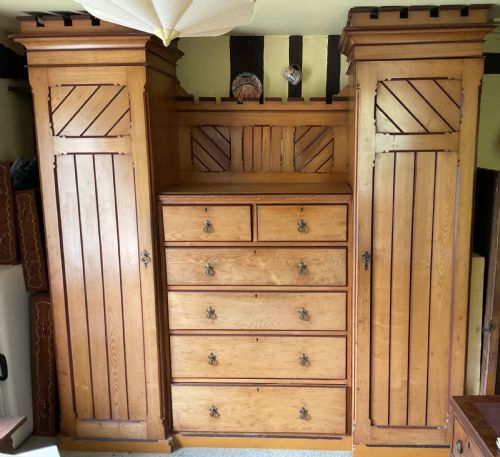
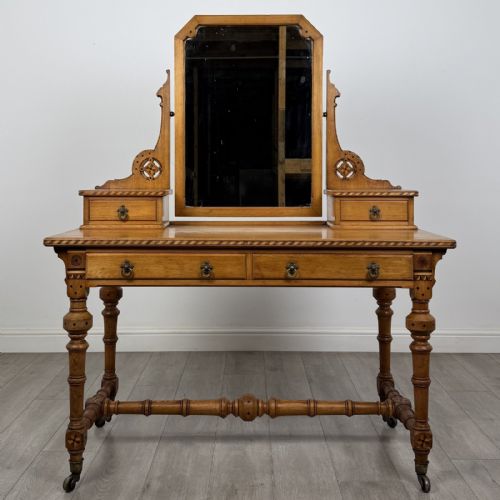
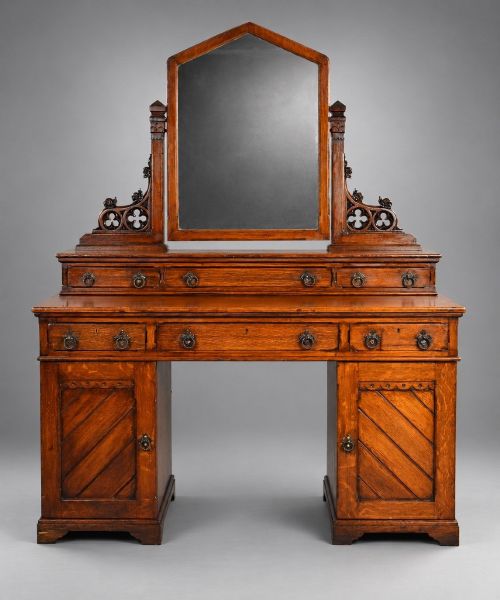
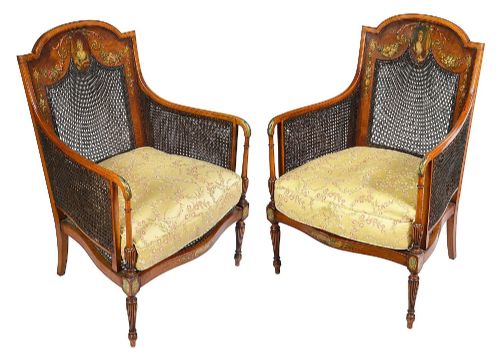
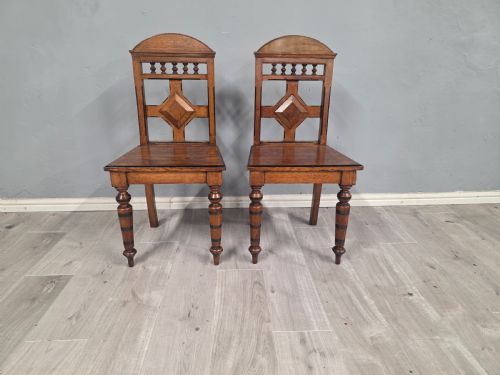
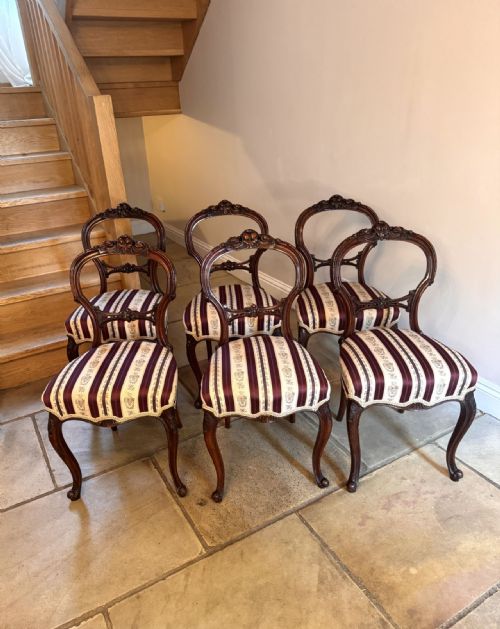
Victorian revival furniture encompasses diverse historicist interpretations including Gothic, Sheraton, Renaissance, and Louis XV revival pieces produced during the nineteenth century. Buyers examine seating, storage, and display pieces that borrow ornamental motifs from earlier centuries.
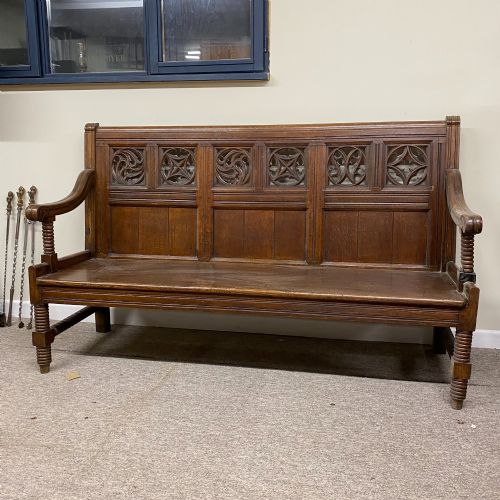
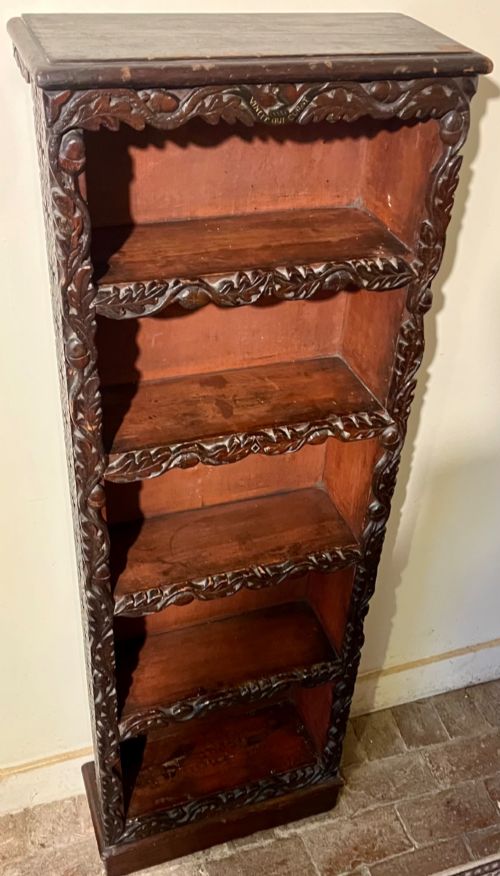
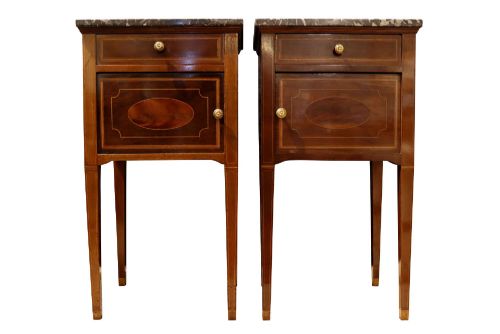
The pieces on this page appear in varied forms such as carved oak benches, inlaid mahogany cabinets, and satinwood étagères. These works reflect nineteenth-century makers reinterpreting older aesthetics for contemporary domestic and ecclesiastical settings.
Originating across Britain, France, and Italy, these objects demonstrate how makers adapted historic styles to suit Victorian interiors. Oak, walnut, and mahogany dominate the structural forms alongside decorative marquetry and inlay.
Materials and construction
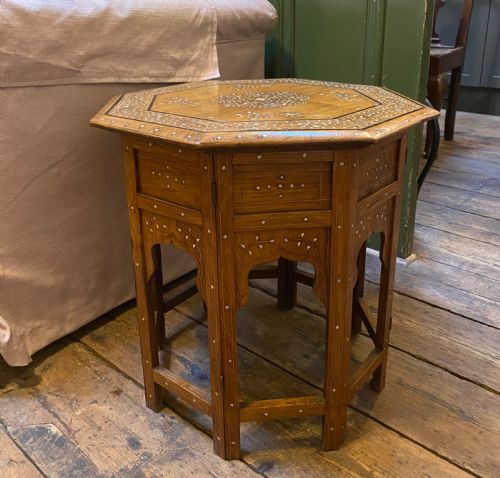
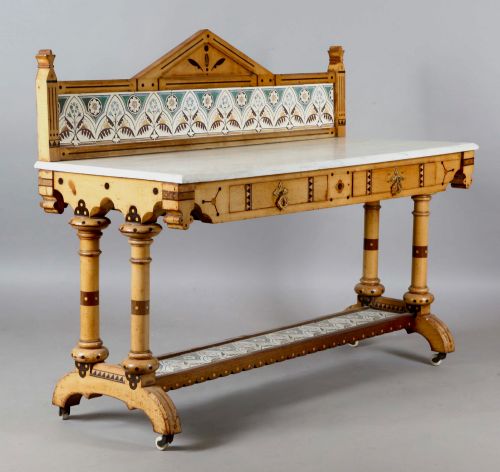
Makers utilised solid and veneered timbers including oak, walnut, mahogany, and satinwood, frequently enhanced by intricate marquetry inlay, parquetry, and brass hardware. Cabinet construction often involved dense hardwoods selected for structural stability and carved detailing.
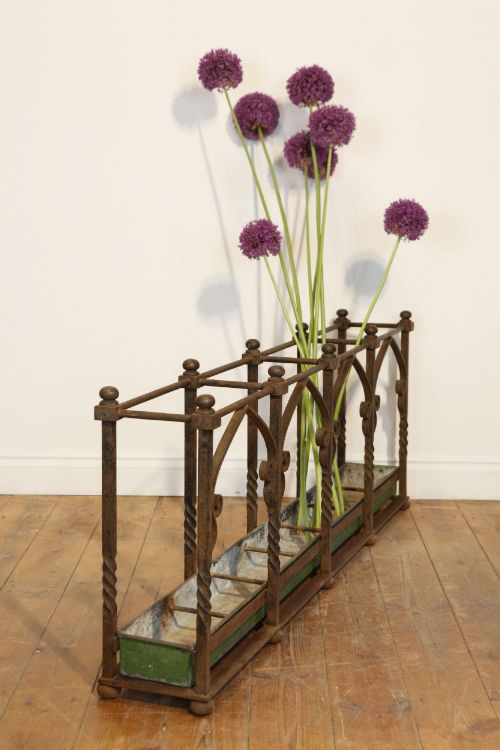
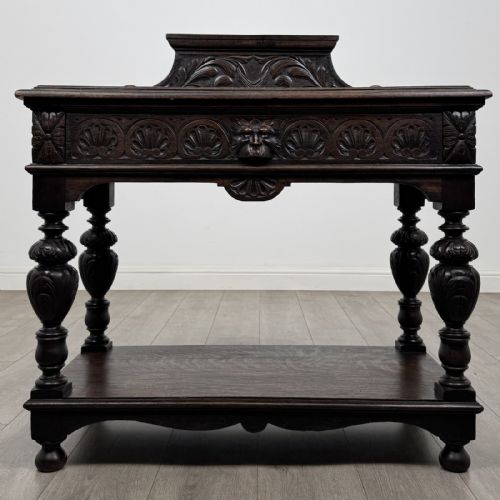
Decorative surfaces display specialised techniques such as Vernis Martin painted decoration, carved green man motifs, and gilt-bronze mounts. Structural elements combine traditional joinery with cast iron components seen in garden benches and chairs.
Victorian Revival Furniture Retail Price Guide 2026
Typical asking prices for victorian revival furniture among the pieces listed under this phrase on Sellingantiques today, from the lower quarter to the upper quarter. They describe what is for sale here now, not the wider market.
Listings feature woods such as oak, walnut, mahogany, satinwood, and rosewood across multiple nineteenth-century revival styles.
Variations in quality
Quality varies according to the precision of the carving, the selection of timber veneers, and the attribution to documented makers. Finer examples exhibit meticulous marquetry inlay, original painted decoration, and integrated structural hardware.
Design ambition separates standard commercial production from exceptional salon suites and exhibition pieces. The depth of relief carving and the sophistication of historic revival detailing determine the standing of each piece.
John Moyr Smith·Edwards & Roberts·Gillows·JAS Shoolbred·Hewetsons
The Victorian Revival Furniture Glossary
- Gothic Revival
- An architectural and decorative style drawing inspiration from medieval forms, featuring pointed arches, tracery, and heavy carved oak.
- Sheraton Revival
- A late nineteenth-century movement emulating the refined neoclassical furniture designs of eighteenth-century designer Thomas Sheraton, often utilising satinwood.
- Marquetry
- The art of applying pieces of veneer to a structure to form decorative patterns, frequently seen in floral and geometric mahogany compositions.
- Étagère
- A piece of furniture consisting of a set of open shelves for displaying small objects, popular in satinwood during the late nineteenth century.
- Vernis Martin
- A type of simulated Japanese lacquer developed in France, utilised on high-quality cabinets and vitrines to produce translucent decorative panels.
Victorian Revival Furniture: Frequently Asked Questions
What is victorian revival furniture?
Victorian revival furniture comprises nineteenth-century pieces designed in historical styles like Gothic, Sheraton, and Renaissance revival.
Makers drew upon medieval and eighteenth-century aesthetics to create cabinets, benches, and tables for contemporary interiors.
How do I identify a gothic revival piece?
Gothic revival pieces feature architectural motifs such as pointed arches, tracery, and heavy carved oak construction.
These items often include ecclesiastical elements or robust framing reminiscent of medieval architecture.
Where were these pieces made?
These works originated in workshops across Britain, France, Italy, and the Channel Islands.
Major firms and cabinetmakers produced specialised items ranging from domestic salon suites to public display furniture.
How do I care for inlaid wood?
Protect inlaid and veneered surfaces from direct sunlight and fluctuating humidity to prevent timber movement.
Maintain the finish with gentle dusting using a soft dry cloth without applying harsh chemical polishes.