

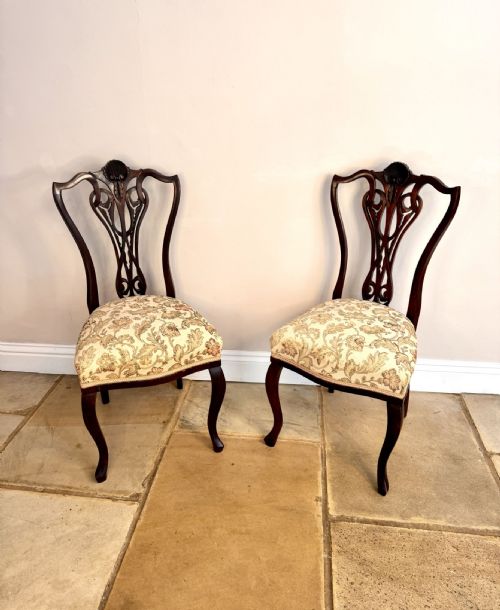
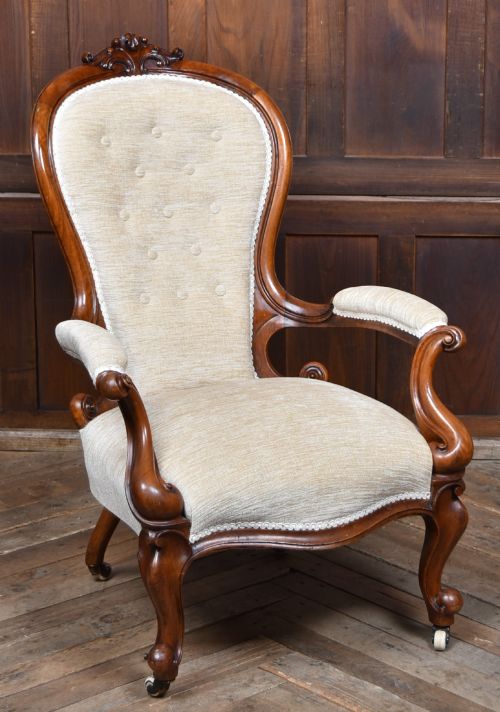
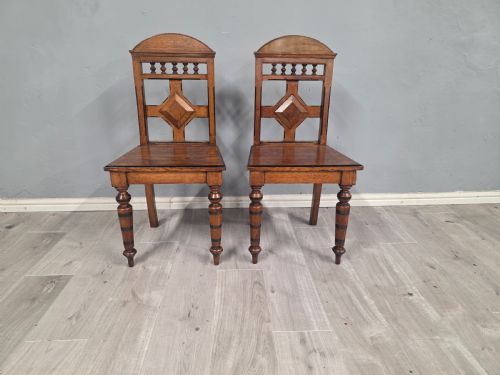
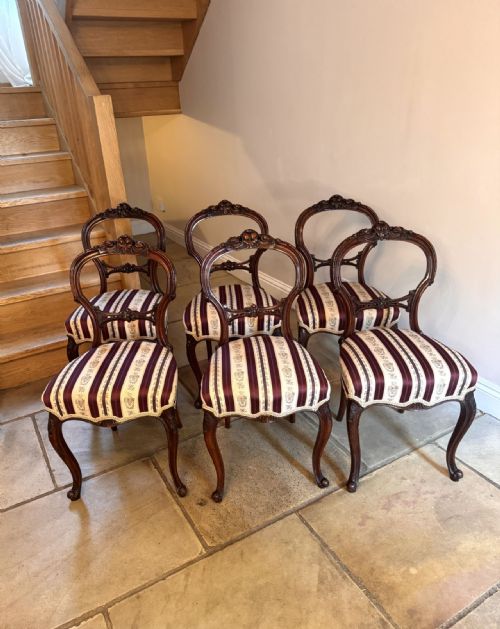
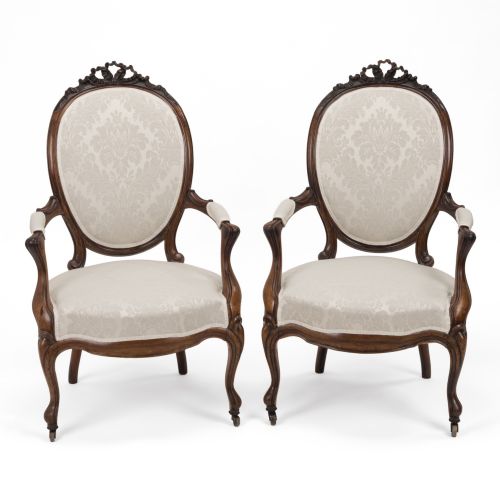
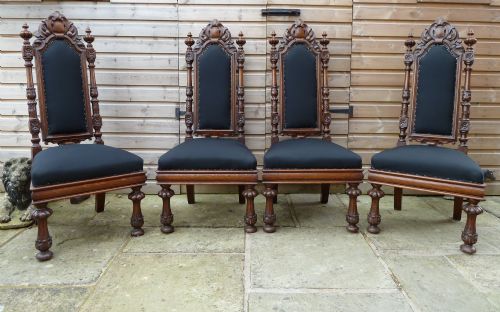
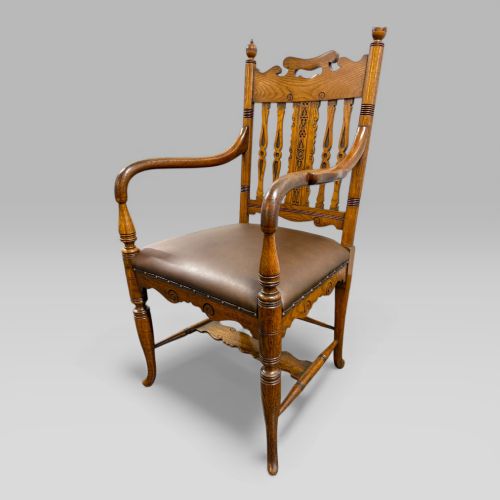
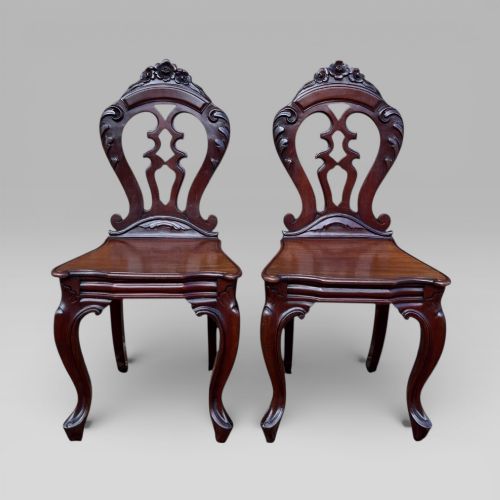
Victorian Revival Chairs
Victorian revival chairs bring back earlier historic styles with nineteenth-century craftsmanship, offering robust seating options for traditional rooms.
Victorian Revival Chairs
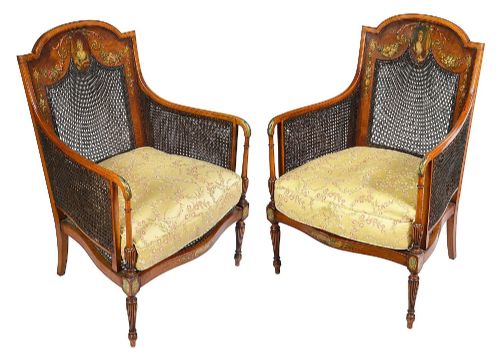
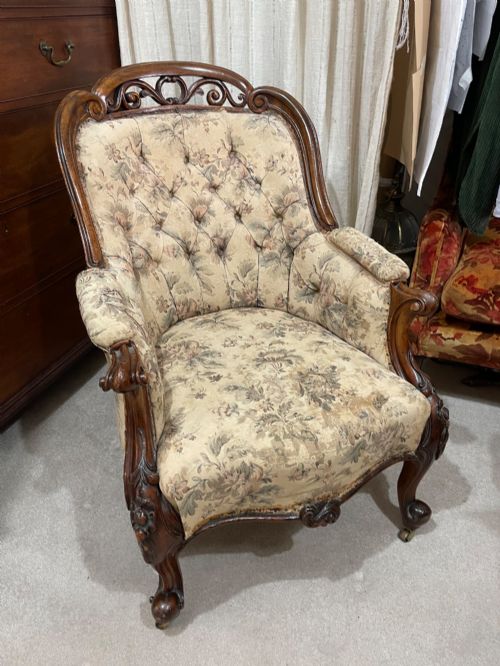
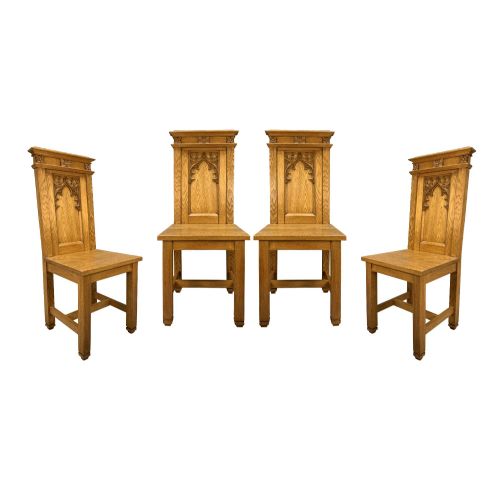
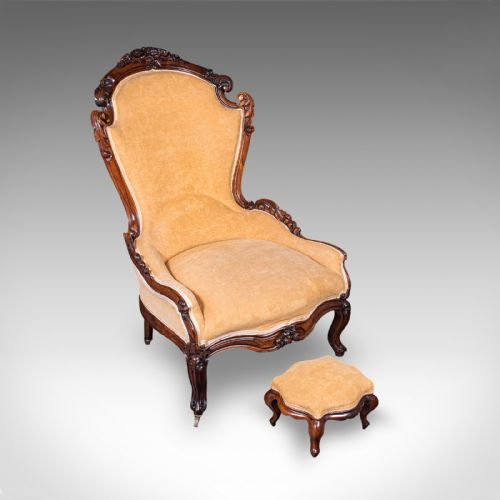
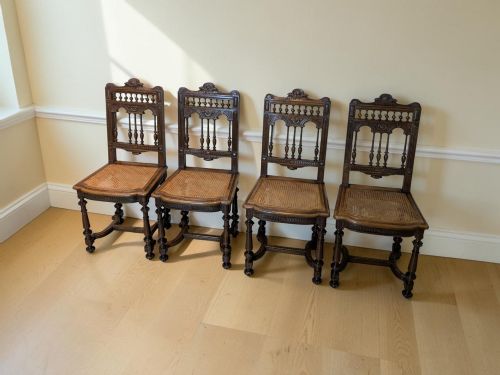
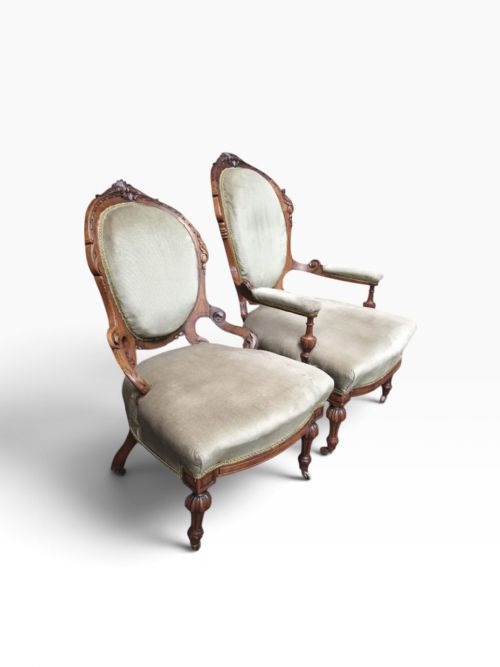
When you search for victorian revival chairs, you encounter seating designed during the nineteenth century that consciously draws upon earlier historic idioms such as Gothic, Renaissance, and Rococo. The forms range from functional oak hall chairs and sturdy dining chairs to comfortable armchairs, library chairs, and complete salon suites.
The material record spans nineteenth-century production dates from eighteen-fifty through nineteen-twenty, encompassing revival styles like Chippendale, Baronial, and Greek Revival. Walnut and mahogany predominate in polite rooms, while oak appears frequently in heavier baronial and Gothic seating.
Materials and Construction
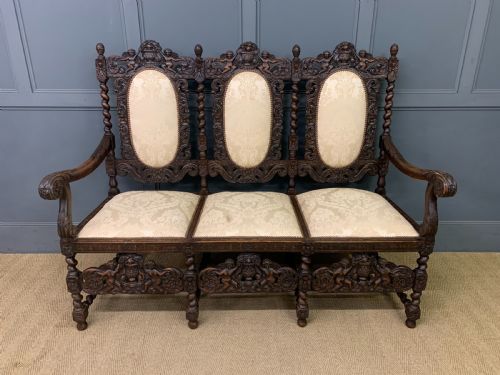
Cabinetmakers utilised solid timbers including oak, mahogany, walnut, and rosewood, shaping frames through traditional joinery and carving techniques. Surface ornamentation often incorporates barley twists, bone and boxwood inlay, or crisp relief carvings characteristic of revival aesthetics.
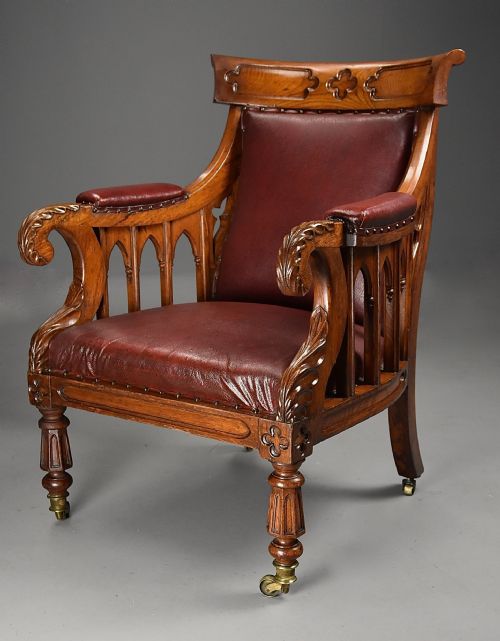
Upholstered variants rely on materials such as leather, velvet, tapestry, and other textiles, frequently secured over sprung or padded seat foundations. Iron and brass components appear in specific functional types like garden chairs and revolving desk chairs.
Victorian Revival Chairs Retail Price Guide 2026
Typical asking prices for victorian revival chairs among the pieces listed under this phrase on Sellingantiques today, from the lower quarter to the upper quarter. They describe what is for sale here now, not the wider market.
Listings feature oak, walnut, and mahogany frames alongside diverse textiles, spanning nineteenth-century dates from eighteen-fifty to nineteen-twenty.
Standards of Execution
The distinction between ordinary and superior examples lies in the depth and crispness of the carved details on the timber frame. Pieces attributed to documented makers or specific design traditions display finer proportions and more careful selection of figured woods.
Structural integrity and the retention of original upholstery materials, textiles, or maker labels elevate certain specimens above standard production furniture of the period.
Gillows·Bruce James Talbert·Howard and Sons·Warings·W.A. Willcocks
The Victorian Revival Chairs Glossary
- Gothic Revival
- A nineteenth-century design movement inspired by medieval architecture, featuring pointed arches, tracery, and heavy timber construction.
- Hall Chair
- A rigid, often wooden seat placed in an entrance hall, typically displaying carved family crests or plain timber shields.
- Barley Twist
- A turned column resembling a twisted rope, commonly found on nineteenth-century oak furniture legs and stretchers.
- Sgabello
- A lightweight, movable Renaissance chair type with trestle supports, revived during the nineteenth century for decorative halls.
- Carver
- A traditional term for an armchair designed to match a set of smaller dining chairs.
Victorian Revival Chairs: Frequently Asked Questions
What defines victorian revival chairs?
These pieces combine nineteenth-century manufacturing methods with historical design motifs borrowed from medieval, Renaissance, or eighteenth-century sources.
Cabinetmakers adapted older aesthetic traditions to suit contemporary Victorian domestic interiors and public spaces.
How were hall chairs used?
Hall chairs served primarily as formal seating in entrance spaces rather than for prolonged daily lounging.
Their upright wooden construction encouraged brief use by visitors waiting in corridors or reception areas.
How do I identify a revival style?
Revival styles reveal themselves through deliberate imitation of historic ornament, such as Gothic arches or Chippendale carved splats.
Examining the wood species and construction joints helps confirm the nineteenth-century date of manufacture.
Can I use these chairs daily?
Most solid wood forms remain robust enough for regular seating if the frame joinery is stable.
Upholstered salon seats and antique textiles may require more careful treatment to preserve their historic fabric.