



Victorian Rectangular Table
When you search for a victorian rectangular table, you uncover a versatile domestic piece ranging from robust pine kitchen boards to finely figured rosewood centre tables.
Victorian Rectangular Table
A victorian rectangular table serves multiple domestic functions, appearing across dining rooms, kitchens, and parlours as dining boards, extending tables, centre pieces, or compact occasional furniture.
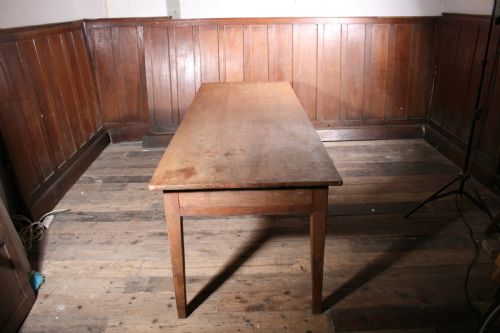
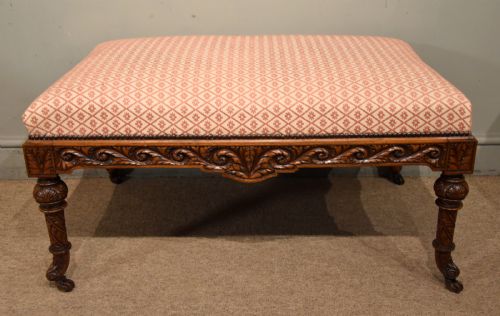
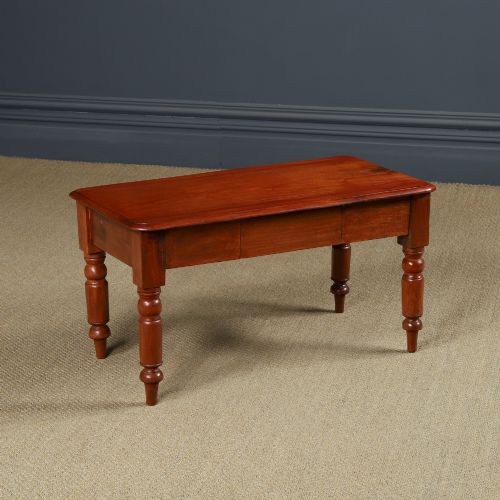
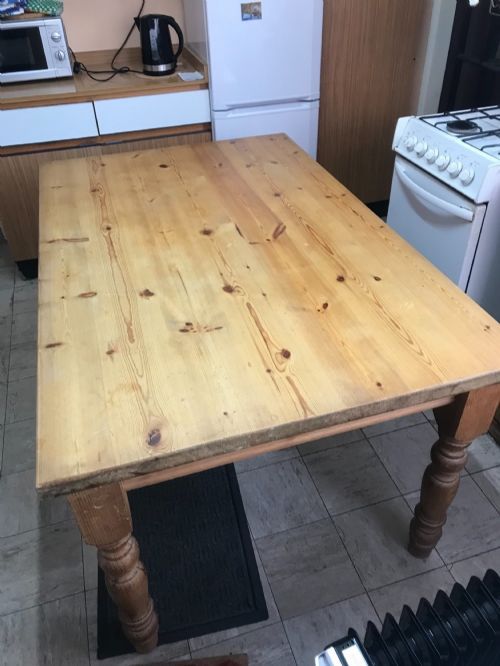
The selection includes robust pine farmhouse kitchen tables alongside refined rosewood, walnut, and mahogany designs intended for formal display.
Examples span foundational periods of the nineteenth century, encompassing early Victorian craftsmanship, Aesthetic Movement creations, and later adaptations.
How they were made
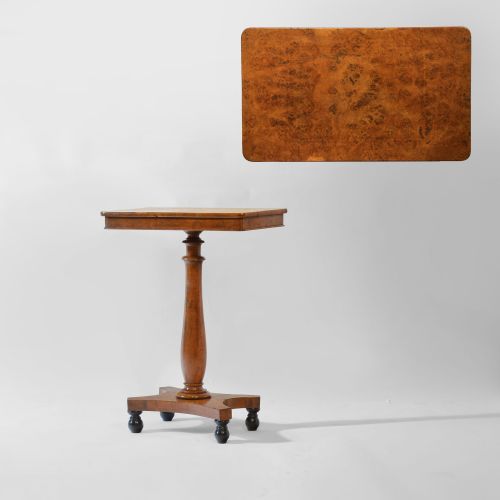
Cabinet makers utilised dense hardwoods such as mahogany, rosewood, and walnut, often accentuating the grain with flame patterns or burr figures.
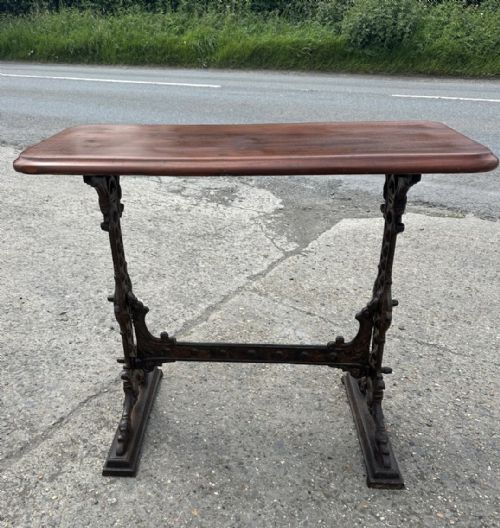
Sturdier utilitarian pieces relied upon pine and oak, whilst industrial components introduced cast iron bases for pub and garden furniture.
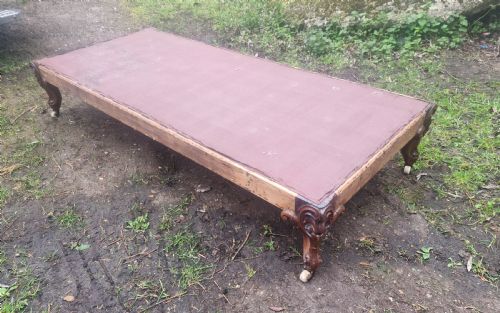
Construction techniques featured turned columns, splayed legs fitted with brass castors, and intricate inlaid specimen wood tops.
Victorian Rectangular Table Retail Price Guide 2026
Typical asking prices for victorian rectangular table among the pieces listed under this phrase on Sellingantiques today, from the lower quarter to the upper quarter. They describe what is for sale here now, not the wider market.
Certain tables feature secret compartments designed to hide forgotten letters from distant relatives.
What varies in quality
Quality reveals itself in the selection of timber veneers, the precision of inlaid specimen woods, and the depth of hand carving on the frame.
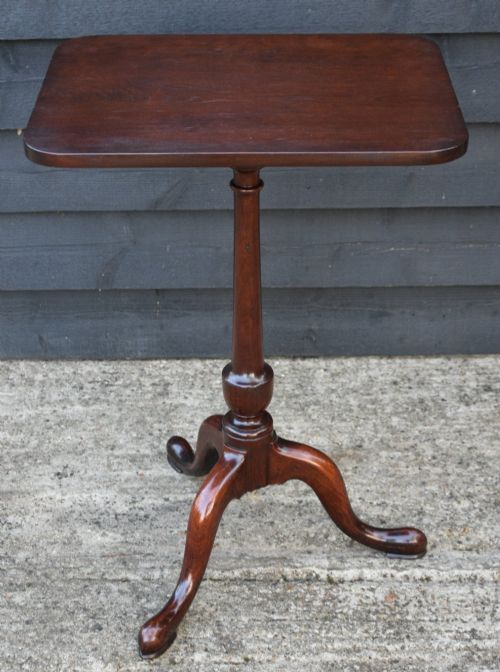
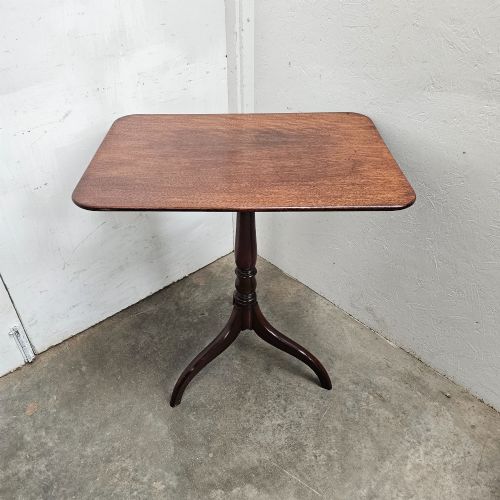
Structural integrity depends on the original joinery, from stable tilt-top mechanisms to the solid construction of heavy dining frames and stretcher supports.
James Winter and Sons·Edwards and Roberts
The Victorian Rectangular Table Glossary
- Centre table
- A freestanding piece designed to be viewed from all sides, placed in the middle of a room rather than against a wall.
- Tilt-top
- A hinged table top that folds vertically when not in use, allowing the piece to be stored against a wall.
- Aesthetic Movement
- A late nineteenth-century style prioritising artistic design, often featuring ebonised finishes and geometric forms.
- Pollard oak
- Timber taken from trees that have been pollarded, producing a highly figured, knotted grain prized for decorative surfaces.
Victorian Rectangular Table: Frequently Asked Questions
How are these tables used today?
These pieces adapt easily to modern interiors as dining surfaces, coffee tables, or occasional lamp tables. Their varied proportions suit both compact flats and spacious reception rooms.
Heavier pine and oak versions anchor country kitchens, whilst polished rosewood and mahogany designs function well in formal sitting rooms.
What woods were commonly utilised?
Mahogany remains the most frequent timber encountered, alongside warm walnut, figured rosewood, and durable oak. Pine appears predominantly in kitchen and farmhouse contexts.
Cabinet makers also incorporated exotic woods for decorative inlay work and specific aesthetic movements.
What defines an Aesthetic Movement table?
Aesthetic Movement pieces from the late nineteenth century favour clean lines, ebonised surfaces, and minimalist structure over heavy Victorian carving. They often incorporate two tiers for display.
These tables reflect a shift towards artistic simplicity and oriental-inspired design principles.