

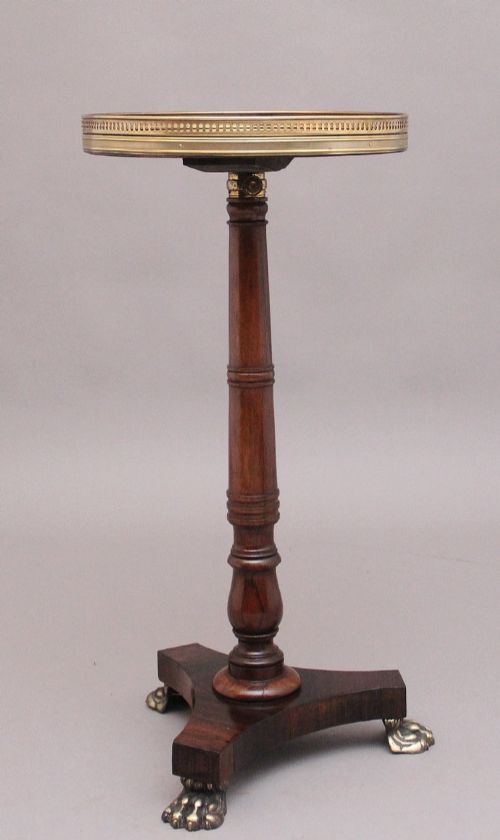
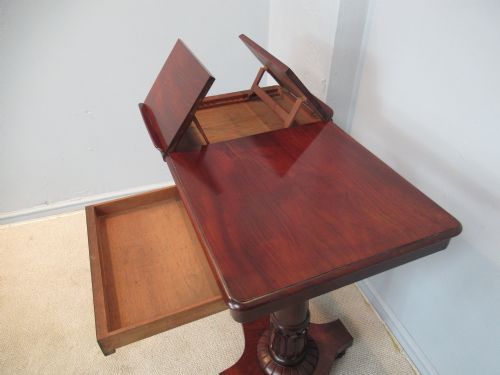
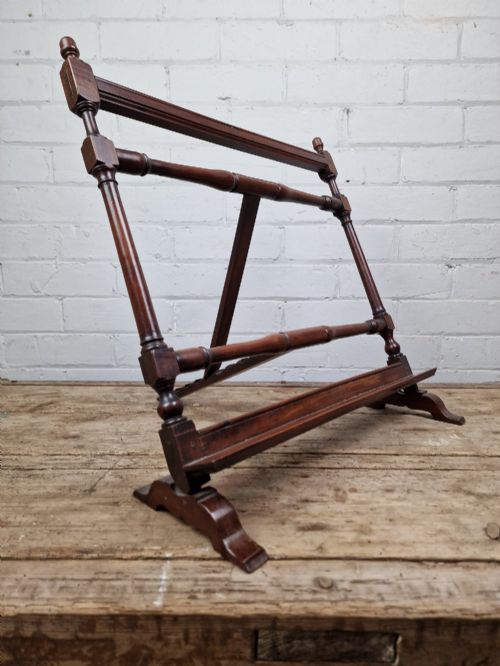


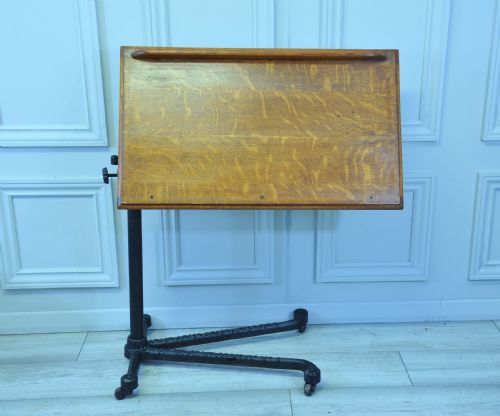

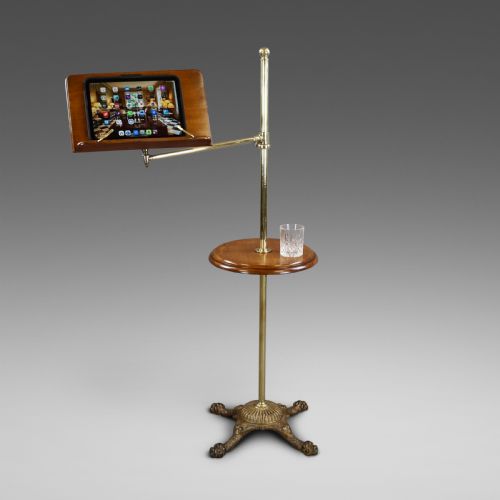
Victorian Reading Stand Table
A Victorian reading stand table brings adjustable practicality and rich timber grain to a study or library.
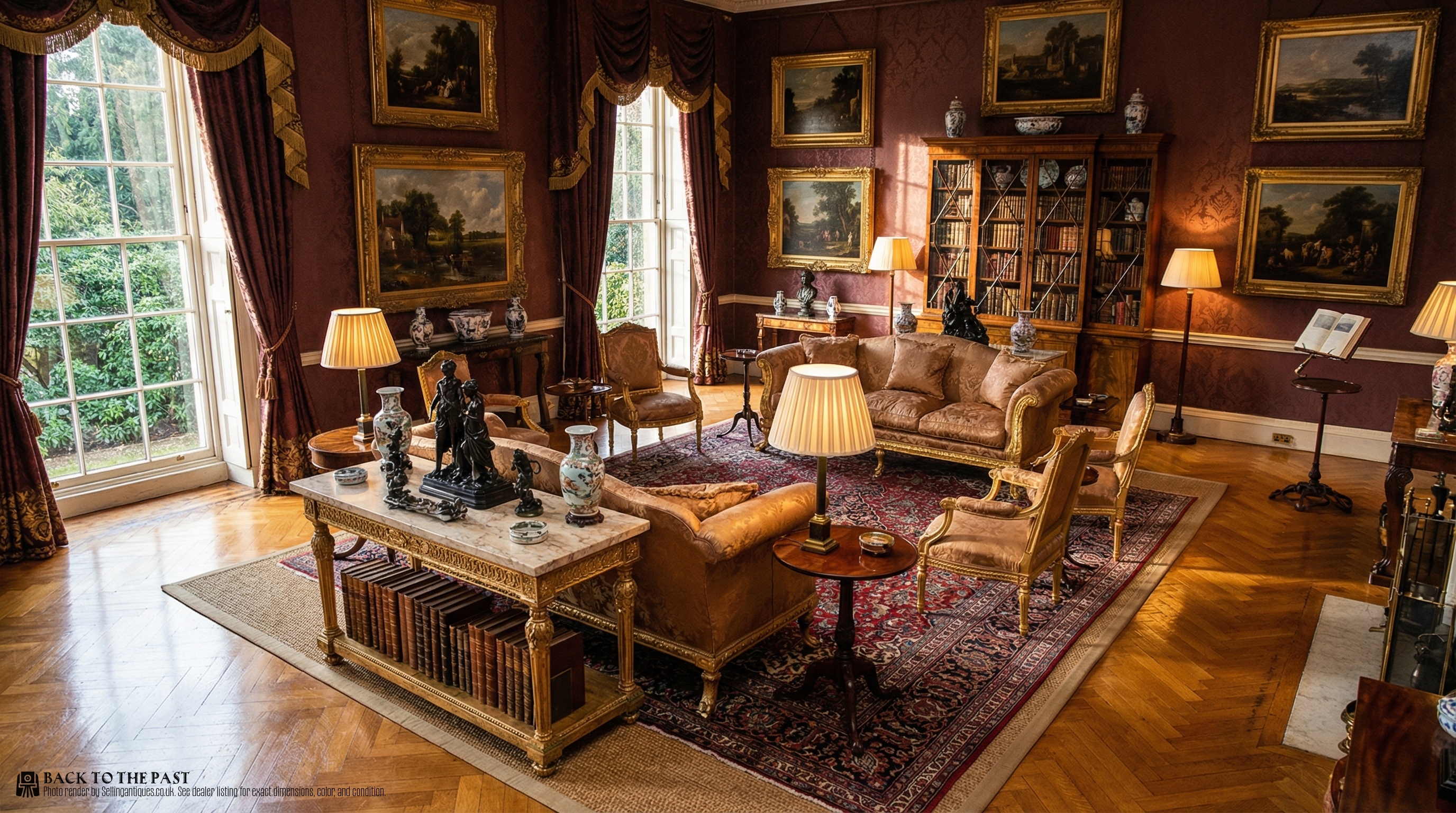
Victorian Reading Stand Table
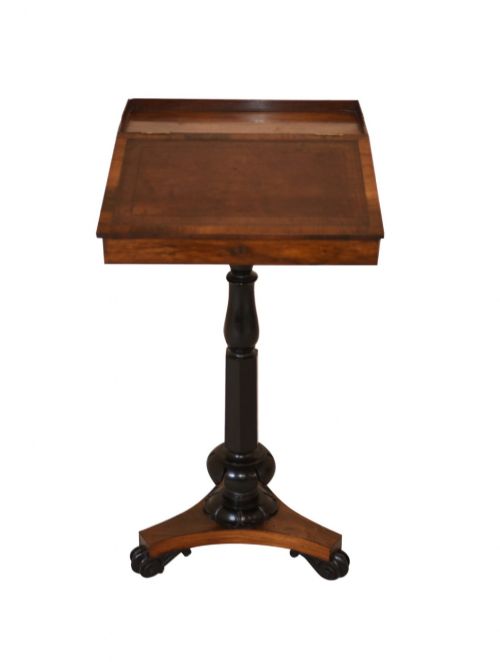
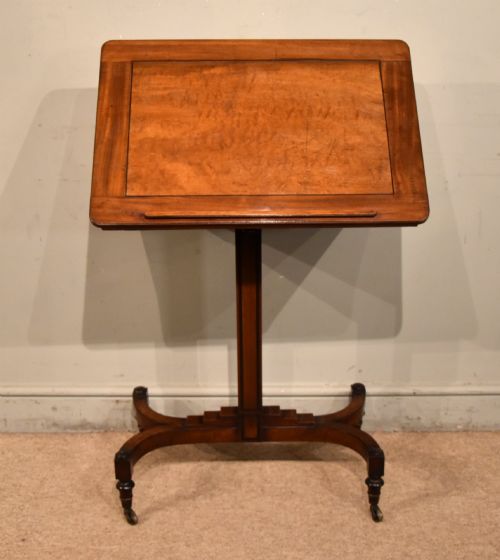
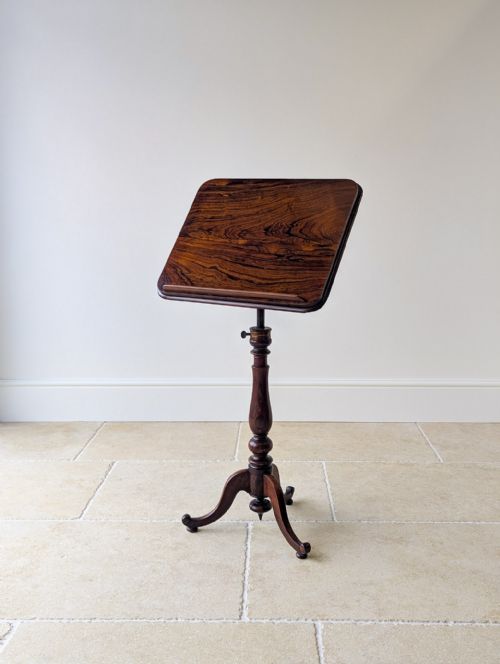
A victorian reading stand table combines a stable occasional surface with an adjustable book rest or lectern for daily study. These pieces serve multiple functions as music stands, writing desks, and side tables within domestic interiors.
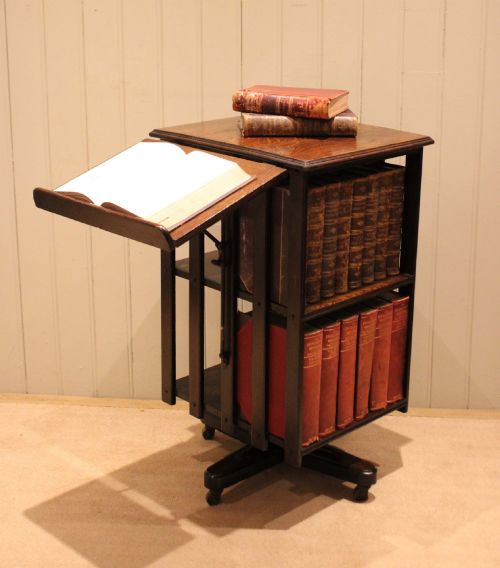
The version most commonly met on this page is the mahogany reading table featuring adjustable mechanisms for height and tilt. Many examples date from the nineteenth century and incorporate revolving book stands or metamorphic designs.
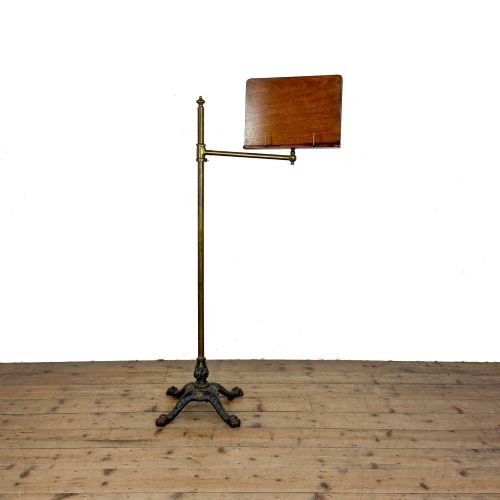
Makers designed these items for versatility in the library, drawing room, or bedroom, often utilising brass fittings and cast iron bases. Surviving forms range from compact table-top easels to heavy floor-standing reading furniture.
How They Were Made
Cabinet makers utilised dense hardwoods such as mahogany, rosewood, burr walnut, and oak to construct the main frames and table tops. These timbers provide the structural strength required for supporting heavy volumes and adjustable mechanisms.
Metal components, including brass ratchets, telescopic stems, and cast iron bases, allow the reading surfaces to rise, fall, and tilt. Joinery techniques such as dovetailing and brass inlay secure the moving parts and decorative elements together.
Victorian Reading Stand Table Retail Price Guide 2026
Typical asking prices for victorian reading stand table among the pieces listed under this phrase on Sellingantiques today, from the lower quarter to the upper quarter. They describe what is for sale here now, not the wider market.
Several reading tables incorporate marine-themed details and mobility aids designed for nineteenth-century travellers and recovering patients.
What Varies in Quality
The sophistication of the mechanical adjustment mechanism dictates the upper tier of the range, where smooth telescoping action and secure ratchets show superior workshop engineering. Simpler fixed or basic pivoting stands occupy the more utilitarian end.
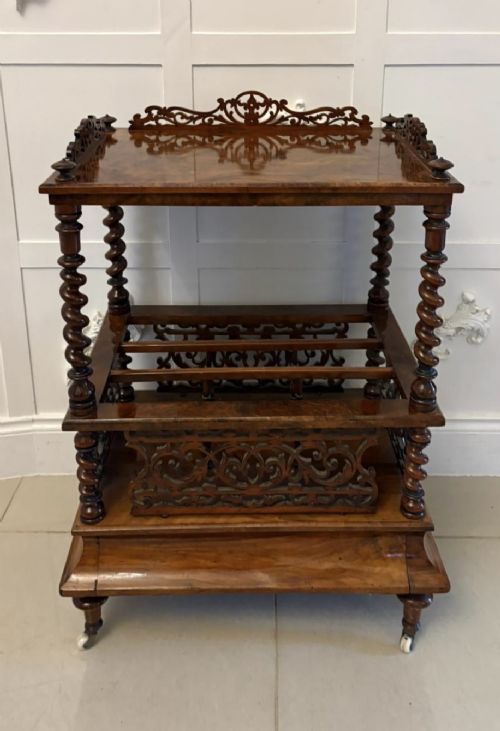
Selection of timber figure, such as richly grained burr walnut or figured mahogany, separates standard production pieces from exhibition-grade furniture. Finer examples display meticulous brass inlay, turned columns, and substantial cast iron or carved wooden bases.
Carters Of London·Leveson And Sons·Gillows
The Victorian Reading Stand Table Glossary
- Metamorphic
- Furniture that transforms from one object type into another, such as a side table converting into a reading desk. This ingenuity defined much Victorian mechanical design.
- Lectern
- A slanted reading desk designed to hold books or sheet music at a comfortable viewing angle. These often feature adjustable height and retaining ledges.
- Telescopic
- An adjustable stem design allowing vertical movement by sliding one tube inside another. This mechanism permits precise height positioning for readers.
- Burr Walnut
- Timber featuring intricate, swirling grain patterns caused by tree growths. Cabinet makers prized this wood for high-status table tops and cabinet fronts.
- Duet Stand
- A double-sided reading stand or music desk designed for two people to use simultaneously. These wider units accommodate multiple open scores or heavy volumes.
Victorian Reading Stand Table: Frequently Asked Questions
How do I adjust the height?
Most pieces utilise a telescopic brass stem or a mechanical ratchet system to alter the height and tilt of the reading surface. Turning a thumb screw or lifting the ratcheted arm allows the desk to lock into the desired position.
Heavier examples rely on counterweights or internal spring mechanisms to assist the movement. Users should support the weight of the reading rest while operating the adjustment catch.
Were these used in bedrooms?
Makers designed specific over-bed reading tables and bed tables for convalescents and morning readers. These variants feature extended C-shaped or H-shaped bases that slide over a bed frame.
Other models served dual purposes as bedside occasional tables and writing desks. The adjustable stands provided comfort for reading without requiring the user to sit upright at a fixed desk.
How do I tell a music stand from a reading table?
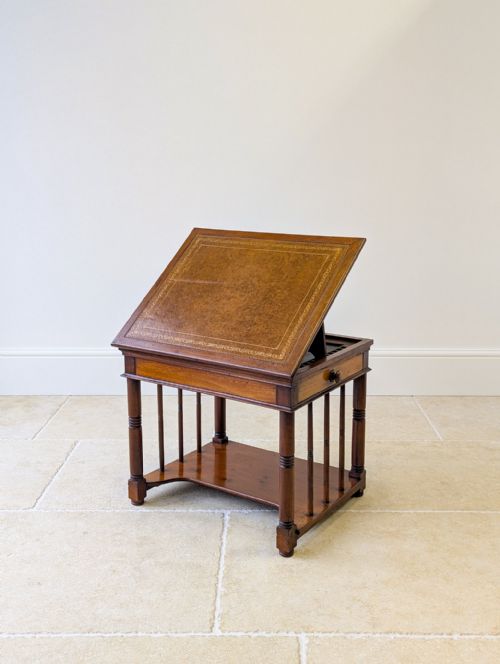
Music stands generally feature dedicated sheet music ledges, open music racks, or revolving book rests designed to hold bound scores. Reading tables typically combine a flat side table surface with an adjustable book rest or tilt-top.
Many Victorian pieces bridge both categories, functioning as music stands, reading tables, and occasional furniture interchangeably. The presence of folio storage or a drawer often points towards writing and reading use.
What is a revolving book table?
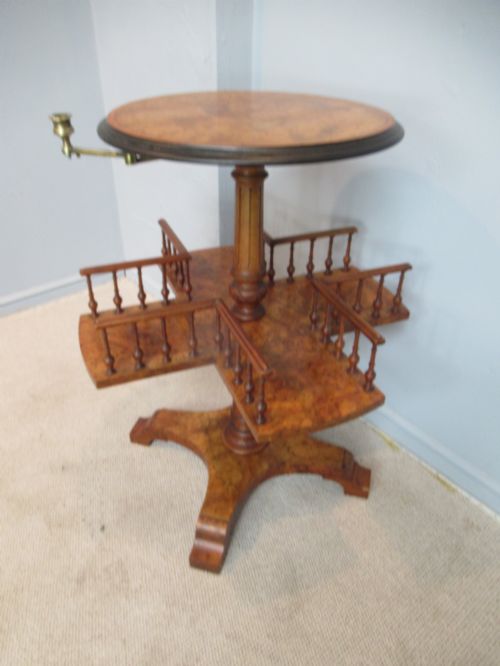
A revolving book table incorporates a rotating tier or book trough mounted on a central pillar. This allows users to access multiple volumes from a stationary seating position.
These tables frequently appear in mahogany or burr walnut with slatted or compartmented book storage beneath the main top. The rotating mechanism relies on a concealed pivot bearing within the column.