

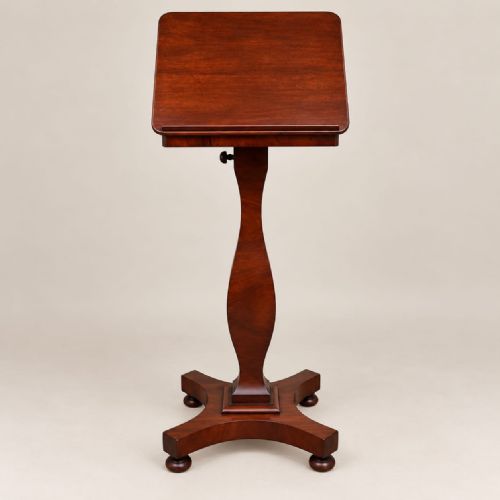
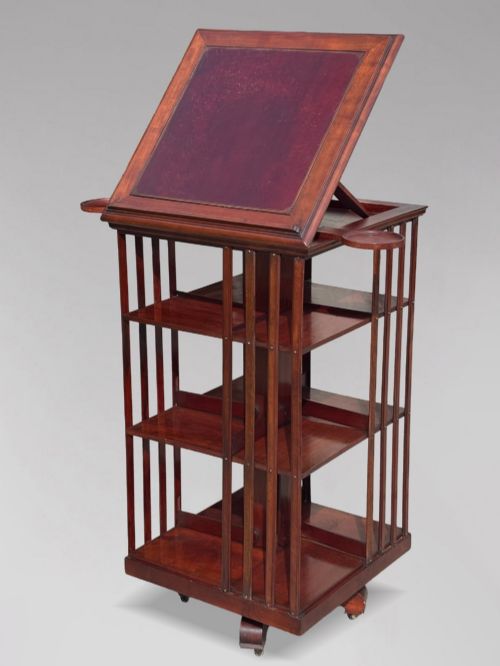
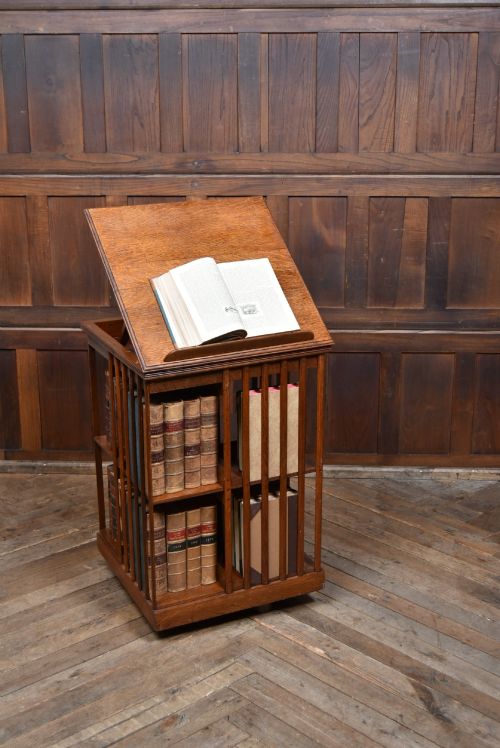
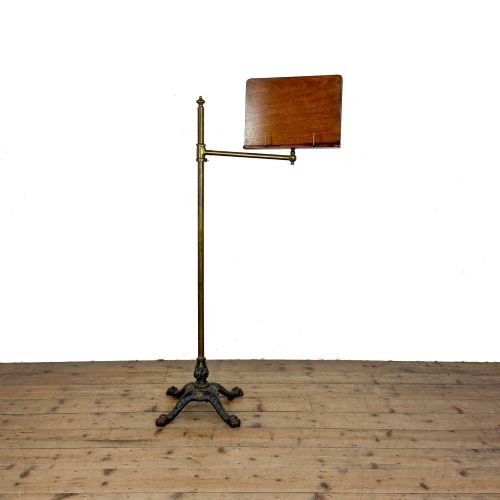

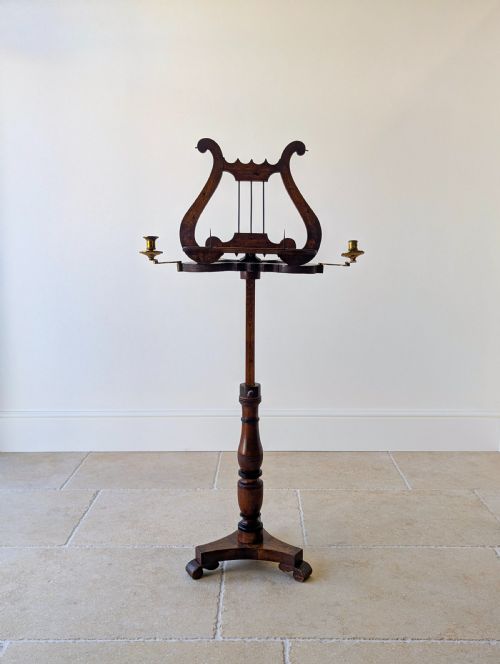


Mahogany Dictionary Stand
These mahogany dictionary stand pieces are practical reading furniture designed to hold large volumes at a comfortable angle for study.
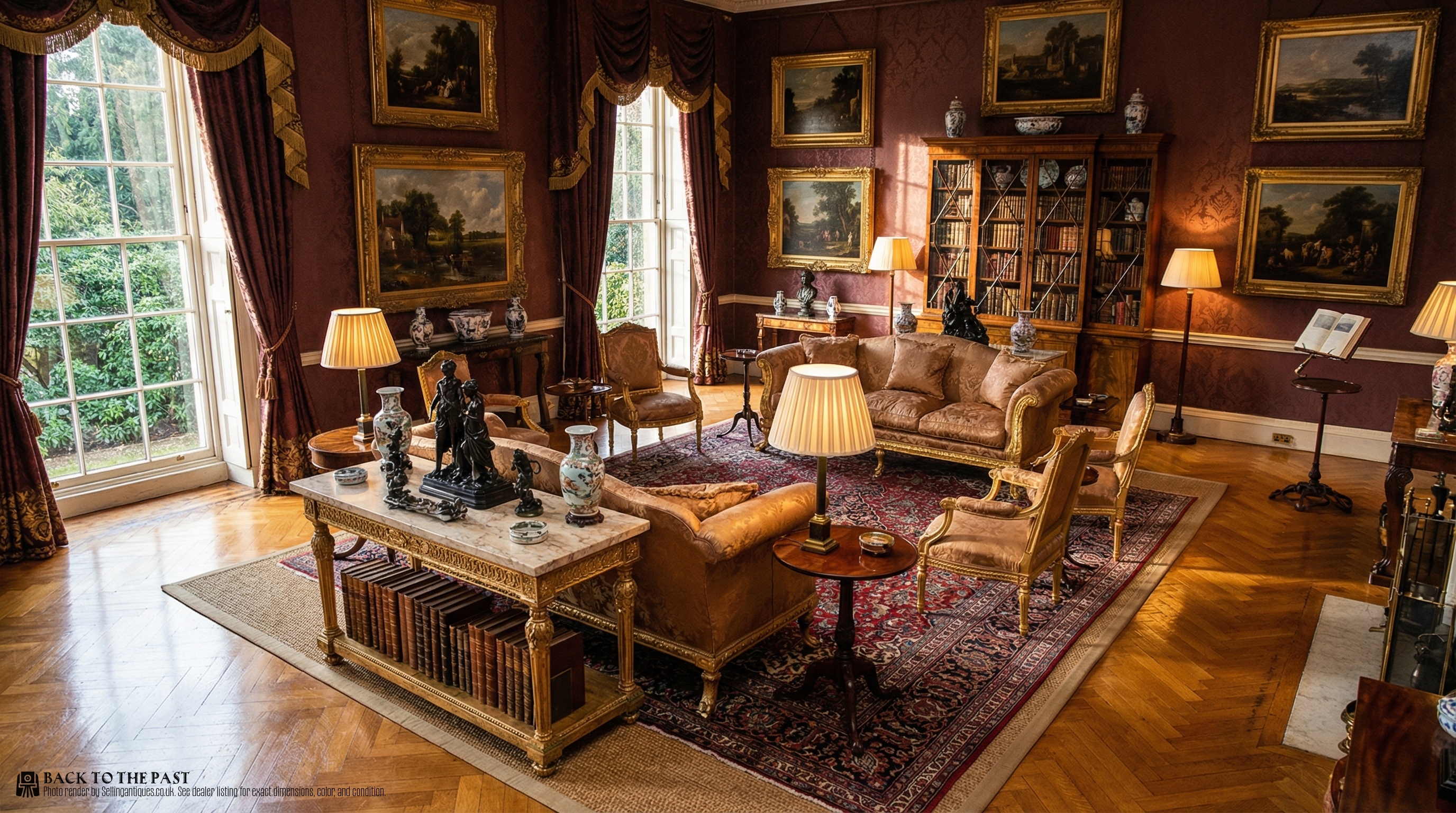
Mahogany Dictionary Stand
A mahogany dictionary stand serves as dedicated furniture for holding heavy reference books, folios or music scores at a convenient reading angle. When you search for a mahogany dictionary stand, you encounter varied forms intended for support and study.
The pieces listed on this page span several distinct periods, including Regency, Victorian, Edwardian and the 18th century. Forms range from reading tables and revolving bookcases to music stands, lecterns and occasional tables with adjustable book rests.
Makers utilised mahogany as the primary timber, often combining it with brass or cast iron mechanisms to allow height and angle adjustments. These items reflect the domestic and institutional study habits of past centuries, offering both function and timber character.
How they were made
Cabinet makers constructed these stands primarily from mahogany, frequently incorporating inlaid timber details or solid tops. The wood was selected for its rich grain and durability, which suited items subjected to frequent adjustment and daily use.
Functional metal components such as brass ratchets, hinges and cast iron mechanisms were integrated into the design to enable reading surfaces to tilt or elevate. These durable mechanical parts allowed users to customise the height and slant of the heavy volumes resting upon them.
Mahogany Dictionary Stand Retail Price Guide 2026
Typical asking prices for mahogany dictionary stand among the pieces listed under this phrase on Sellingantiques today, from the lower quarter to the upper quarter. They describe what is for sale here now, not the wider market.
Current listings demonstrate a variety of materials including mahogany, brass, cast iron, oak, glass and inlaid timber.
What varies in quality
The sophistication of the mechanical adjustment mechanism dictates much of the distinction between standard items and superior examples. Smoothly operating brass ratchets and well-engineered pivoting joints demonstrate skilled workshop execution.
Timber selection and secondary woods also define the standard of a piece, with finely figured mahogany and neat joinery marking out finer examples. The integration of stable bases, such as heavy cast iron or substantial timber pedestals, ensures the stand remains secure when holding large books.
The Mahogany Dictionary Stand Glossary
- Lectern
- A slanted reading desk designed to hold books or notes for a standing reader. These often feature adjustable ledges to keep heavy volumes from slipping.
- Regency
- An English design period spanning the early 19th century, known for classical restraint and occasional Grecian or marine influences. Pieces from this era frequently utilise rich mahogany and brass mounts.
- Metamorphic
- Furniture designed to transform from one form into another, such as an occasional table that converts into a reading stand. This ingenious carpentry allows a single object to serve multiple domestic purposes.
- Lyre-form
- A decorative support shaped like an ancient musical instrument, often seen in the central columns of tables and music stands from the Regency and William IV periods.
Mahogany Dictionary Stand: Frequently Asked Questions
What is a mahogany dictionary stand used for?
These stands provide a stable, angled surface designed to support large, heavy reference books, ledgers or music scores. They allow readers to consult weighty volumes comfortably without straining their hands or neck.
Historically, they were placed in libraries, studies and reception rooms where large texts required frequent consultation. Today, they serve a similar functional purpose while adding traditional timber character to a room.
How do I adjust the reading height?
Many examples incorporate integrated brass ratchets, screws or counterbalanced mechanisms hidden beneath the reading ledge. These allow the user to alter the slope of the surface or raise the entire top to suit standing or seated reading.
It is important to operate these mechanisms gently, supporting the weight of the reading surface by hand while releasing any locking catches to prevent strain on old joints.
How can I tell a Victorian stand from a Regency one?
Regency stands often display clean classical lines, bold mahogany grains and sometimes lyre-shaped pedestals influenced by antique Greek design. Victorian pieces tend to be heavier, sometimes incorporating more ornate turned columns or complex cast iron mechanical adjustments.
Examining the construction methods, such as the type of screw threads and timber seasoning, helps confirm the manufacturing era of the piece.
Can these stands hold modern books?
Yes, the adjustable ledges and sturdy mahogany surfaces are well suited to supporting modern art books, atlases and heavy dictionaries. The original wooden lips or brass bars prevent large volumes from sliding off the slanted surface.
Ensure that any tilting mechanism is securely locked into position before placing a heavy modern folio onto the rest.