


Victorian Pub Glass
Victorian pub glass pieces are heavy commercial vessels and mirrors built for busy taverns, offering robust charm and tangible tavern history.
Victorian Pub Glass
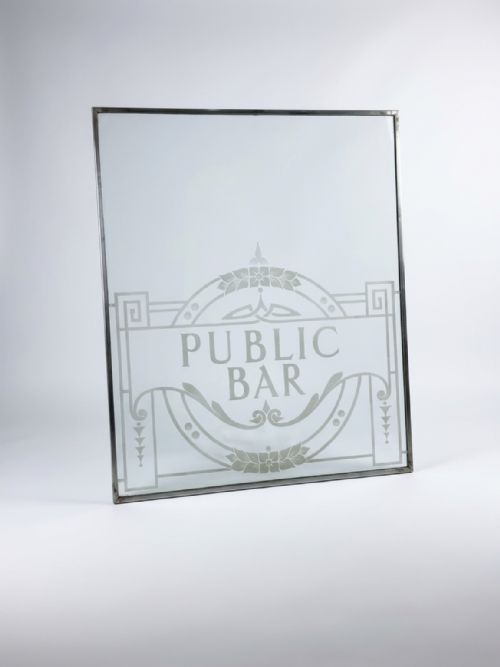
These items comprise heavy drinking vessels, large dispensing barrels, and architectural windows made for taverns and refreshment rooms during the nineteenth century and the Edwardian era. You will encounter acid-etched mirrors from city establishments alongside cut glass rummers and spirit fountains bearing brewery names.
Originating primarily from British contexts, the objects reflect the robust material culture of public bars and tobacconists. The surviving forms demonstrate how establishments branded their premises and served spirits directly to patrons.
Materials and construction
Makers utilised heavy clear glass, often forming vessels and drinking glasses through hand-blowing and thumb-cutting techniques. Architectural windows and mirrors relied upon acid etching and frosting to create opaque lettering and decorative borders against clear panes.
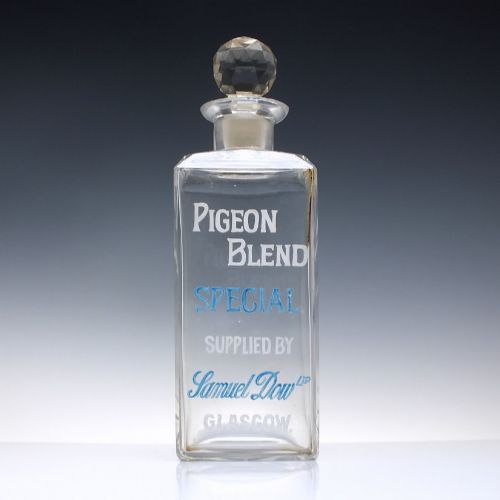
Surface decoration frequently incorporated gold leaf, enamel, and paint to highlight lettering and pictorial elements such as swans or beer emblems. Wooden components like oak appeared in associated cabinetry and frames, while brass fittings supported dispensers and lamps.
Listings feature items spanning the Victorian, 19th Century, Edwardian, and 1920 periods, utilising glass, brass, oak, enamel, paint, and gold leaf.
Assessing quality
Quality rests upon the crispness of the acid etching, the depth of the glass cutting, and the clarity of the enamel and gold leaf lettering. Pieces displaying detailed pictorial work or named Scottish whisky distilleries represent more sophisticated commercial commissions.
The structural integrity of large architectural windows and the presence of original brass hardware or painted advertising details influence the standing of an item. Stronger examples retain their original brewery attribution and uncompromised glass surfaces.
The Victorian Pub Glass Glossary
- Acid Etched Glass
- Glass treated with acid to create frosted patterns and opaque lettering. This technique produced durable advertising signage for public windows and mirrors.
- Rummer
- A heavy drinking glass with a short stem and a capacious bowl used in taverns. These robust vessels handled heavy commercial use in nineteenth-century public bars.
- Spirit Dispenser
- A glass vessel designed to hold and pour liquor in a commercial setting. They often featured painted or enamelled labels naming specific whisky blends.
- Architectural Salvage
- Building elements removed from older structures, including pub windows and mirrors. These items preserve the interior decoration of historical commercial premises.
- Enamel
- Opaque vitreous material fused to glass surfaces for permanent colour and lettering. It added bright branding to decanters and window panels.
Victorian Pub Glass: Frequently Asked Questions
What is a Victorian pub glass?
These objects are commercial drinking vessels, spirit dispensers, and etched windows made for nineteenth-century taverns. They were engineered for heavy daily use in public bars.
They carry the physical character of historic drinking establishments, often featuring brewery names or brand lettering.
How were pub windows decorated?
Glaziers used acid etching and frosting techniques to create opaque lettering and decorative designs on clear glass panels. Paint, enamel, and gold leaf were often applied to highlight branding.
This signage advertised specific spirits, breweries, and refreshment rooms to passersby on the street.
What is a glass rummer?
A rummer is a sturdy, thick-walled drinking glass featuring a short stem and a wide bowl. They were common in nineteenth-century taverns for serving wine, rum, and ale.
Their heavy construction prevented breakage during busy service hours in public houses.
How do I care for antique glass?
Wash glass items gently with lukewarm water and mild soap, avoiding abrasive scrubbers that might damage painted or enamelled surfaces. Protect etched windows and mirrors from physical impacts.
Display them securely away from heavy vibrations to preserve their historic material.
Can I use these decanters daily?
While these vessels were originally made for functional dispensing in taverns, surviving antique decanters and dispensers are typically treated as decorative collection pieces. Their aged enamel and gold leaf require careful handling.
Examine the fittings and glass condition before deciding on regular practical use.