


Victorian Heavy Glass
Victorian heavy glass brings substantial weight and deep refraction to a room, offering genuine tactile presence through thick-walled vessels and mirrors.
Victorian Heavy Glass
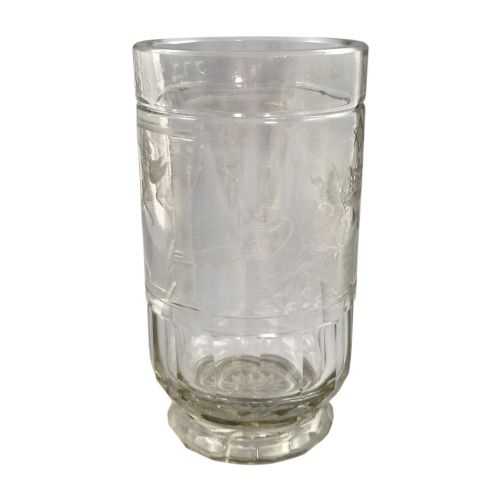
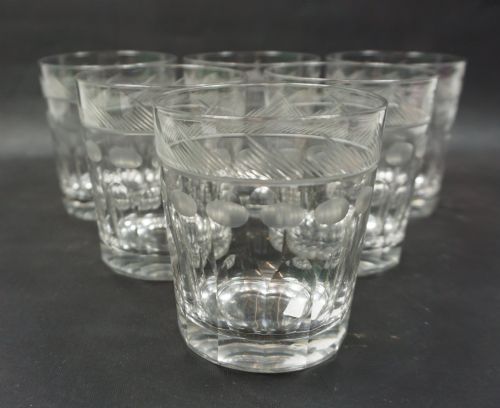
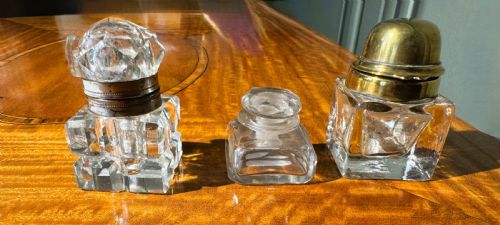
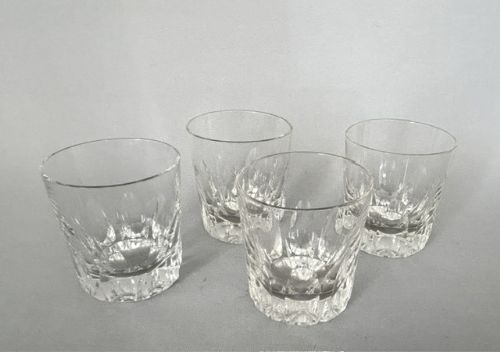
When you search for Victorian heavy glass, you encounter pieces designed with considerable mass, from large table lamps and decanters to rummers, inkwells, and massive ceremonial beakers.
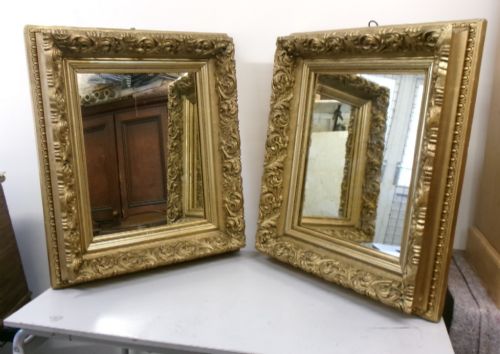
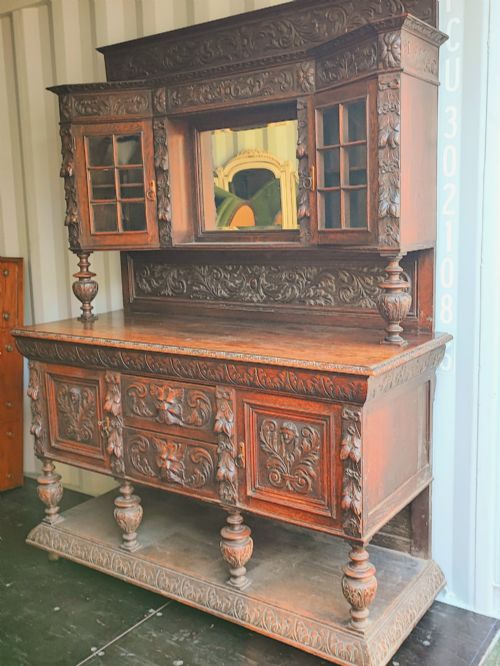
The objects on this page span tablewares and desk accessories alongside substantial mirrors framed in oak, brass, and giltwood that incorporate heavy glass elements or mirror plates.
Originating largely from the nineteenth century, these items reflect the period's preference for dense, durable materials capable of supporting deep cutting and moulding.
Materials and technique
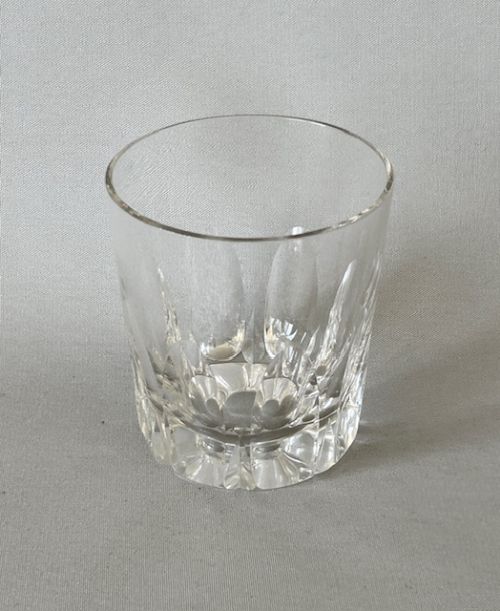
The pieces rely on lead crystal and clear glass that were hand-blown, cast, or sand-moulded to achieve thick walls and substantial bases.
Makers shaped the heavy forms through precise cutting and engraving, often mounting the glass in brass, silver, or carved oak frames.
Listings combine nineteenth-century glassware with heavy brass stands, oak frames, and giltwood mirrors from the Victorian era.
Assessing quality
Clarity of the material and crispness of the cut facets distinguish finer examples from simpler production wares.
The integration of mounts, whether cast brass, silver, or carved wood, dictates the overall refinement of the piece.
The Victorian Heavy Glass Glossary
- Lead crystal
- Glass containing metal oxides that increase weight, brilliance, and softness for deep cutting. This material gives Victorian vessels their characteristic heavy feel and bright refraction.
- Rummer
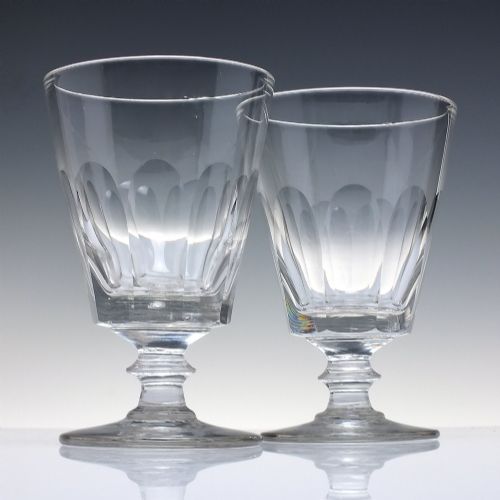
- A large, heavy-stemmed drinking glass popular in the nineteenth century for beer or wine. These sturdy vessels often feature baluster stems and cut bowls.
- Sulphide
- A small ceramic cameo embedded within clear glass during manufacturing. These white relief plaques frequently depict floral motifs like roses and thistles.
- Cut glass
- Glass decorated by grinding facets or patterns into the surface using rotating wheels. The depth of these cuts defines the tactile quality of heavy pieces.
Victorian Heavy Glass: Frequently Asked Questions
What is Victorian heavy glass?
These are dense, thick-walled glass objects produced during the nineteenth century, including decanters, rummers, inkwells, and vases.
The category encompasses both functional tableware and decorative items designed for substantial weight and durability.
How were heavy glass decanters used?
Victorian households utilised heavy cut glass decanters for storing and serving spirits and wine at the dining table or sideboard.
Their thick walls helped keep contents cool while the heavy stoppers minimised evaporation.
How do I clean antique glass?
Wash pieces gently in warm water using mild soap, avoiding sudden temperature changes that can crack old material.
Dry them immediately with a lint-free cloth to preserve the clarity of the lead crystal.
What are glass dumps?
Glass dumps are solid, heavy paperweights created from leftover glass at the end of a working day.
Workers often incorporated trapped air bubbles or sulphide cameos inside the dense mass.