




Victorian Profile Portrait
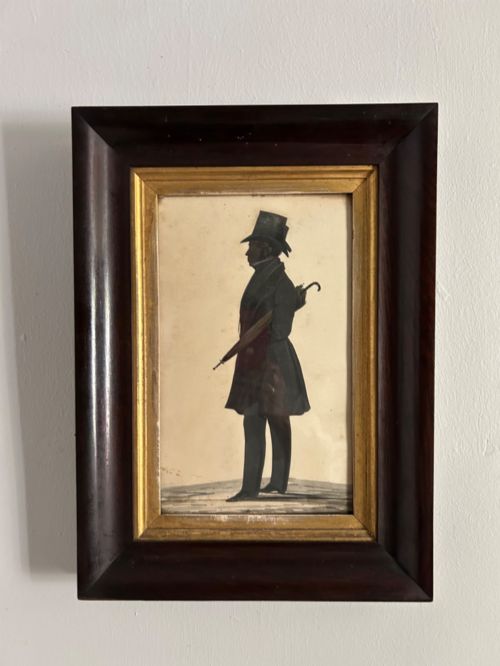
A victorian profile portrait captures the precise likeness of a sitter in silhouette, watercolour, cameo, or bronze relief, offering an intimate glimpse into nineteenth-century life.
Victorian Profile Portrait
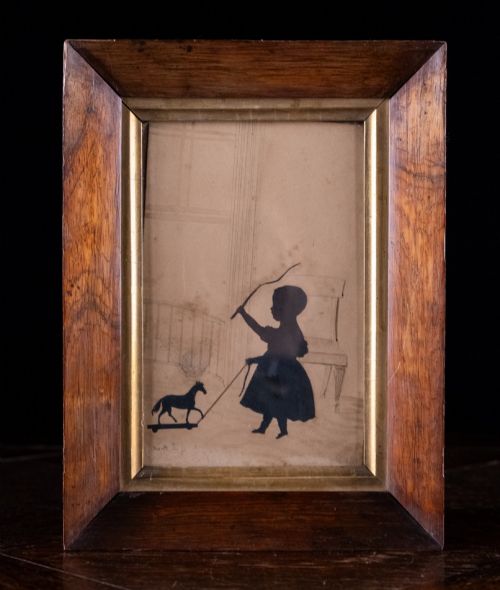
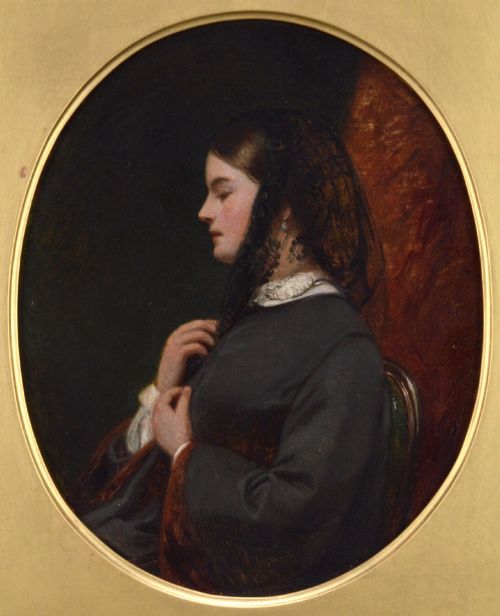
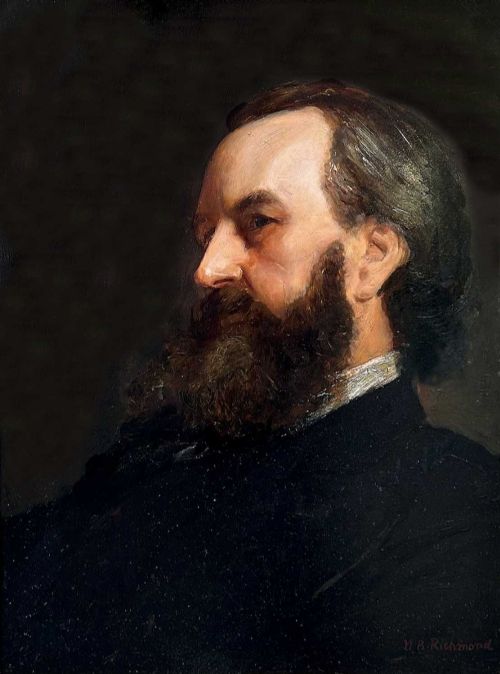
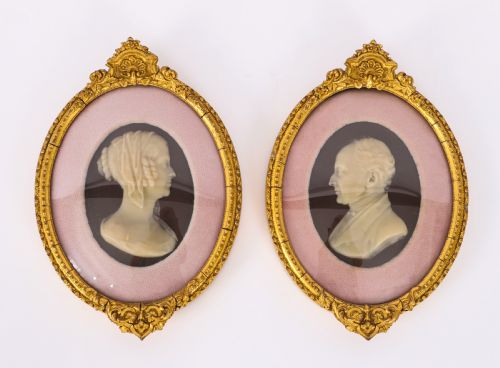
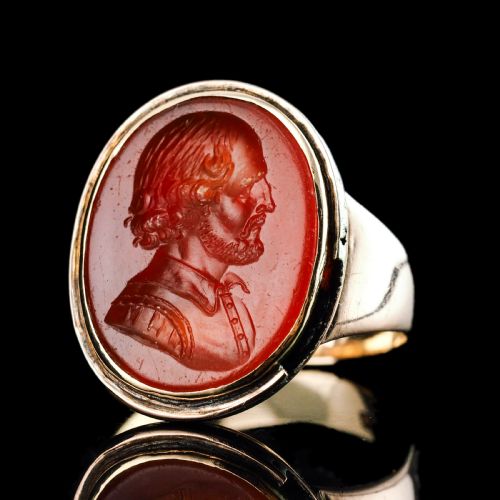
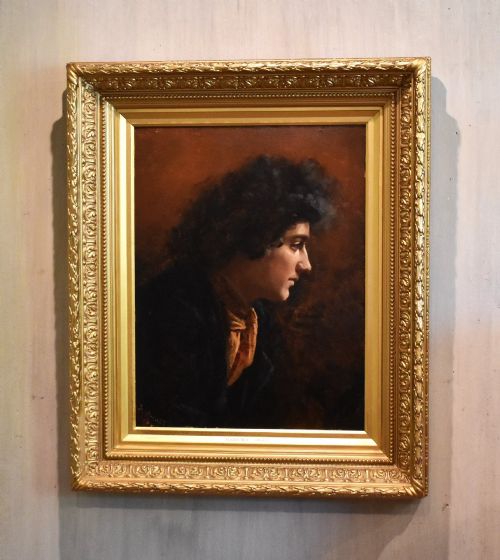
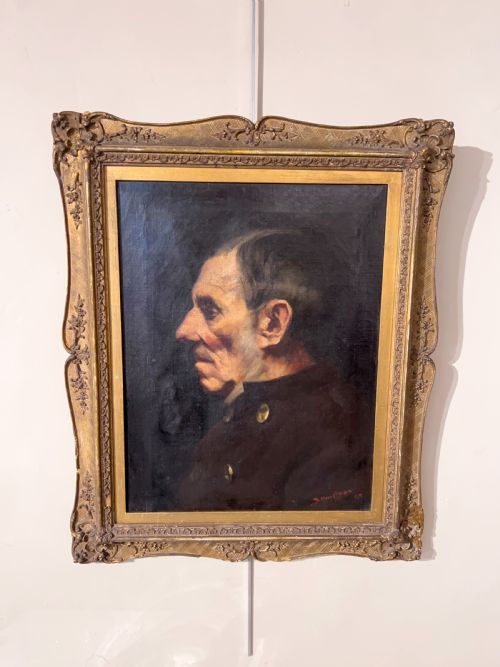
A victorian profile portrait encompasses a variety of mediums from the nineteenth century, ranging from delicate cut-paper silhouettes to carved shell cameos, oil paintings, and wax reliefs. Buyers seeking these works will encounter framed artworks designed for walls alongside wearable jewellery such as rings, brooches, and bracelets.
The selections span different periods including Regency, Victorian, and Edwardian eras, reflecting both domestic intimacy and Grand Tour souvenirs. Framed silhouettes and miniature watercolours dominate the wall art, while gold and bronze settings house carved coral, lava, and carnelian profiles.
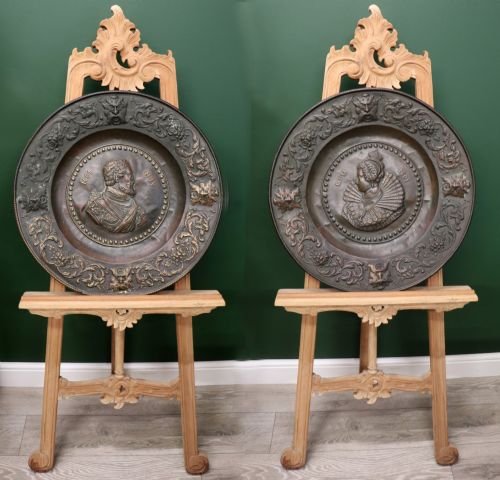
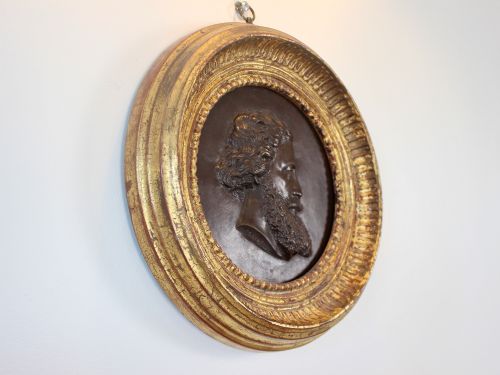
These likenesses depict gentlemen, ladies, children, and historical figures, often rendered by named artists or recognised galleries of the period. The assortment bridges personal keepsake portraiture and classical sculpture in miniature.
How they were made
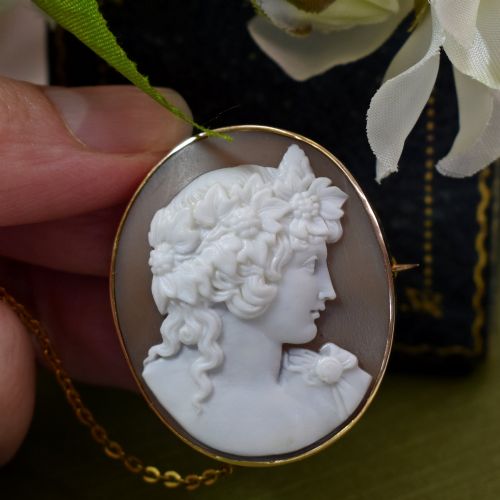
Makers utilised paper, card, and shell, shaping them through hand-cutting, watercolour painting, and meticulous carving in high or low relief. Cameos and intaglios rely on the natural stratifications of shells, coral, agate, and lava, carved by hand to reveal contrasting colour layers against a darker background.
Victorian Profile Portrait Retail Price Guide 2026
Typical asking prices for victorian profile portrait among the pieces listed under this phrase on Sellingantiques today, from the lower quarter to the upper quarter. They describe what is for sale here now, not the wider market.
Listings feature works spanning the Regency, Victorian, and Edwardian periods, executed in paper, shell, gold, and bronze.
What varies in quality
The fineness of execution distinguishes the superior examples, particularly in the precision of a cut paper silhouette, the depth and crispness of a shell cameo carver's stroke, or the delicate brushwork of a miniature watercolour. Mastery of proportion and the sitter's expression elevate a portrait from a standard record to an accomplished work of art.
Materials dictate the standing of a piece, with high-carat gold mountings, well-preserved original ebonised frames, and signed works by established artists holding greater distinction. The integrity of the preservation, from untouched paper to crisp shell relief without hairline fractures, determines the piece's standing.
Augustin Edouart·Hubard Gallery·Florence Small·Bertram Priestman·Mainfroy
The Victorian Profile Portrait Glossary
- Silhouette
- A solid black outline or profile of a person, usually cut from paper or painted on card. This form gained immense popularity during the eighteenth and nineteenth centuries.
- Cameo
- A method of carving an object such as a gemstone, shell, or piece of coral in relief. The design projects upward from a background of a different colour.
- Intaglio
- A gem or stone carved with a design depressed below the surface. This technique allows the piece to be used as a seal or stamp when pressed into hot wax.
- Wax relief
- A three-dimensional portrait modelled in pigmented wax. These delicate works were frequently mounted within velvet-lined frames.
- Grand Tour
- A traditional trip of Europe undertaken by upper-class European young men of the middle and upper classes. Travellers frequently returned with carved shell and lava cameos as souvenirs.
Victorian Profile Portrait: Frequently Asked Questions
What materials are used?
These portraits utilise paper, glass, wood, ink, watercolour, shell, coral, lava, bronze, copper, wax, and various grades of gold.
Artists matched these materials to the medium, employing paper for cut silhouettes and shell or stone for carved cameos.
How were silhouettes made?
Silhouettes were hand-cut from black paper using scissors or a knife, sometimes embellished with watercolour or bronze highlights by the artist.
Many examples were housed in small ebonised frames or featured in family conversation pieces.
Where were cameos worn?
Cameos appeared primarily as jewellery, set into gold or silver brooches, rings, bracelets, and teardrop earrings.
They also featured on decorative wall plaques and snuff boxes during the nineteenth century.
How do I date a portrait?
Dating relies on the costume of the sitter, the framing materials, signatures, and stylistic markers associated with the Victorian and Regency periods.
Written inscriptions on the reverse often provide specific dates or the identity of the subject.