


Victorian Female Portrait Painting
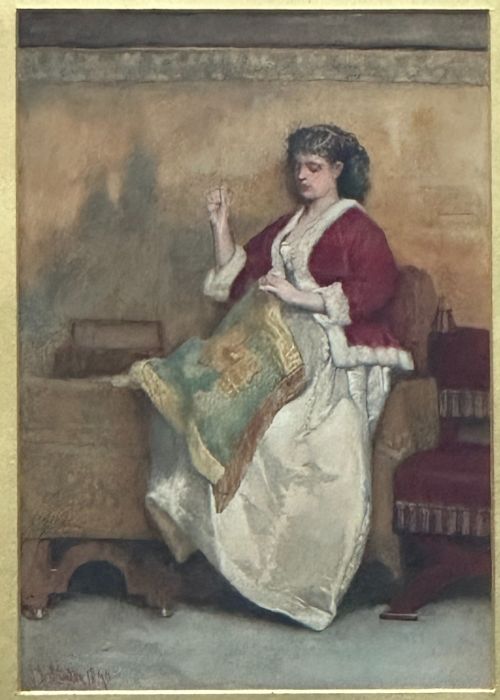
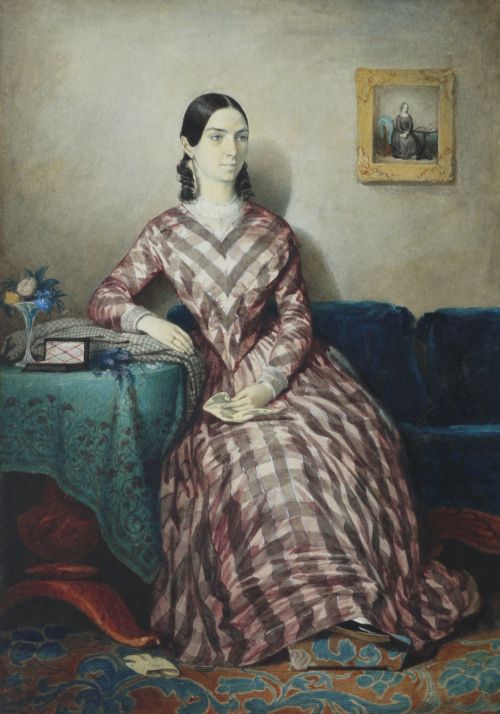
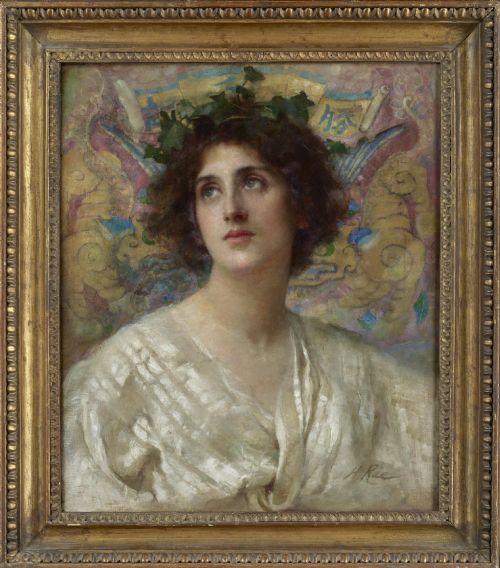
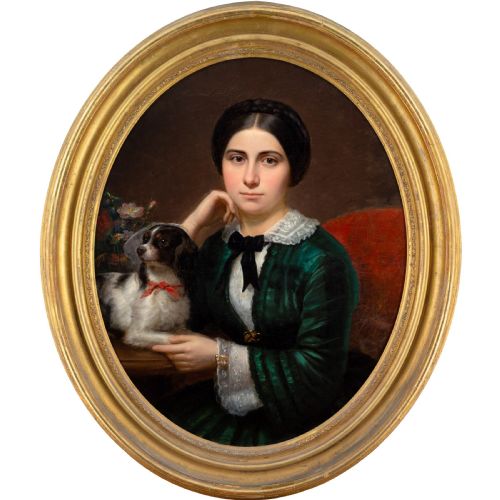
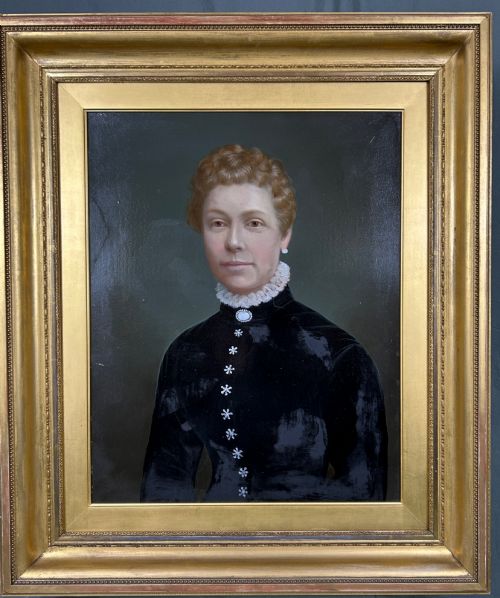
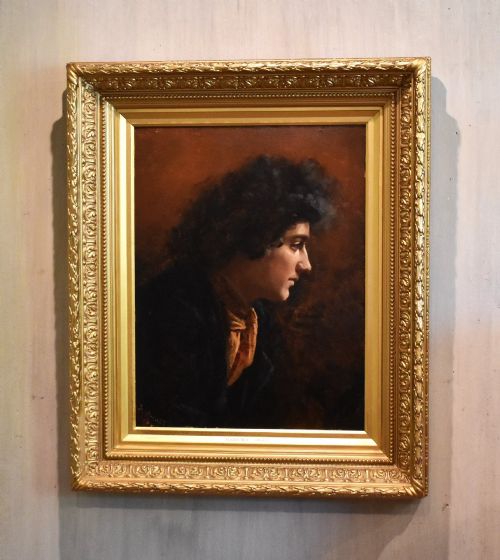
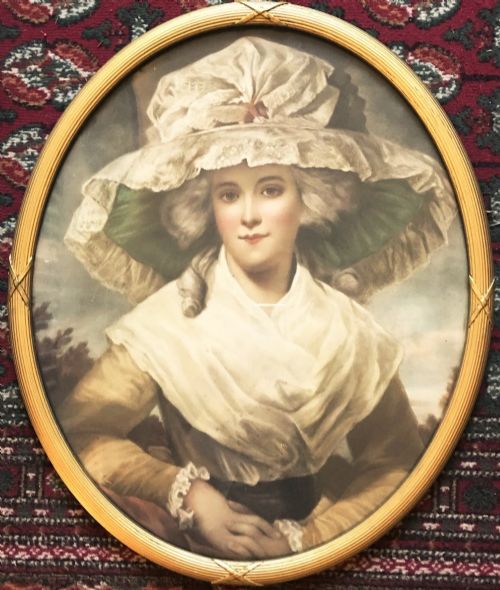
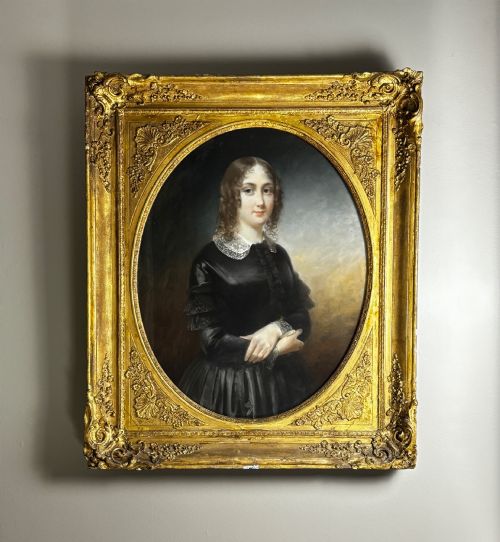
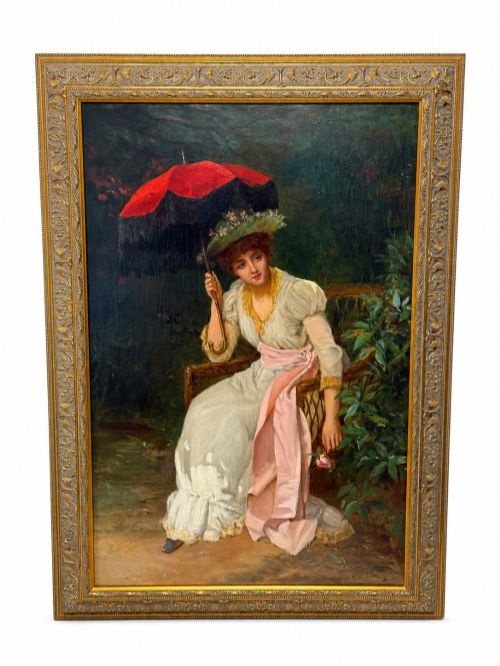
A victorian female portrait painting captures the character, fashion, and social standing of women through oil on canvas, watercolour, and pastel.
Victorian Female Portrait Painting
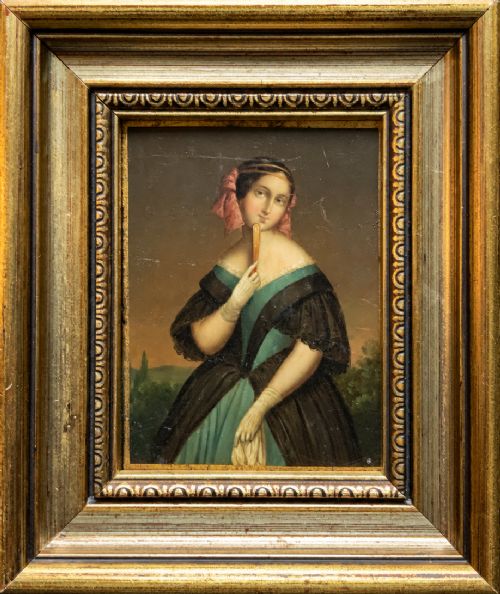
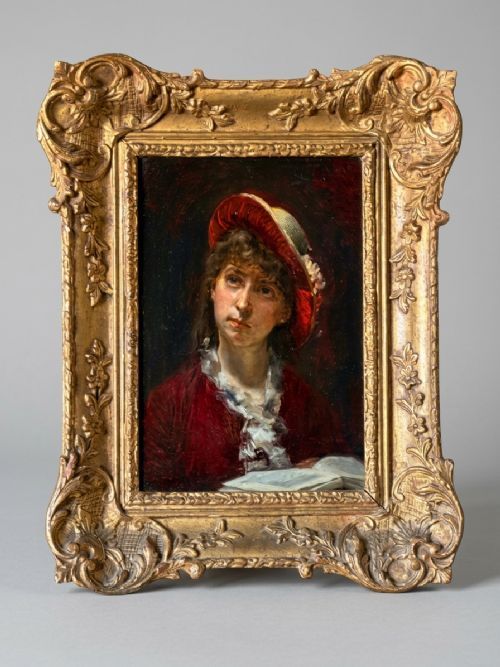
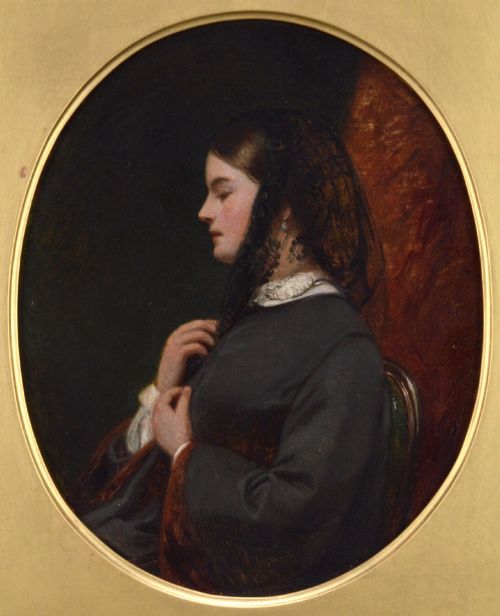
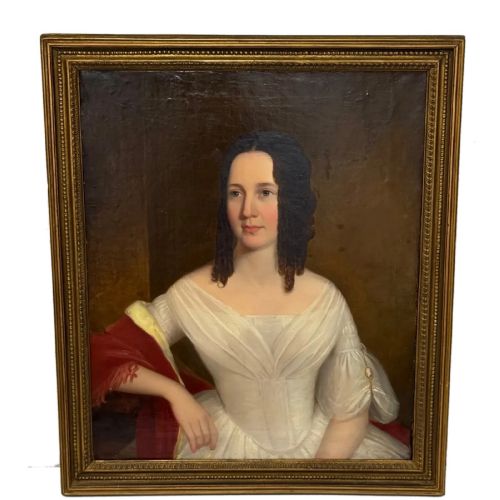
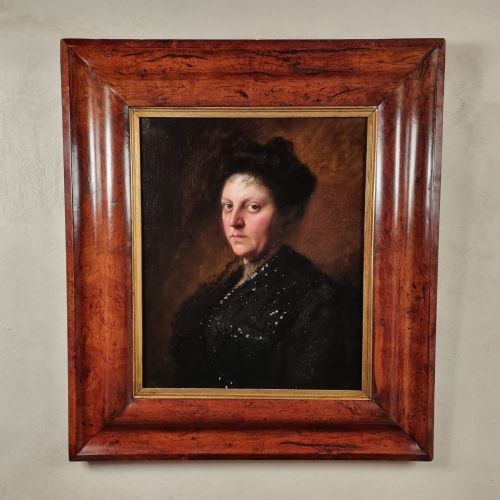
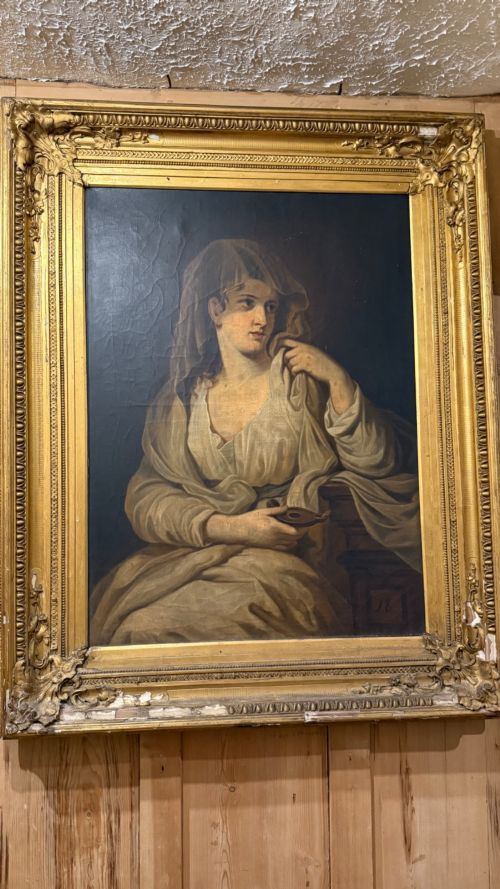
A victorian female portrait painting shows individual women, ranging from society figures and family members to imagined literary subjects, rendered during the nineteenth and early twentieth centuries. These works appear in various scales, from intimate miniature watercolours to large oil paintings housed in ornate giltwood frames.
The most common examples on this page are oil paintings on canvas or board, alongside delicate watercolours and gouache works created during the Victorian and Edwardian periods.
How They Were Made
Artists built these portraits using oil paint on stretched canvas or wooden boards, allowing for rich colour depth and layered glazing techniques. Watercolour and gouache on paper or card were equally prevalent, often finished with pencil detail and housed under protective glass.
Many of these paintings survive in their original giltwood, maple, or ebony frames, which match the aesthetic tastes of the nineteenth century.
Victorian Female Portrait Painting Retail Price Guide 2026
Typical asking prices for victorian female portrait painting among the pieces listed under this phrase on Sellingantiques today, from the lower quarter to the upper quarter. They describe what is for sale here now, not the wider market.
The listings span the nineteenth and early twentieth centuries, featuring works in oil, watercolour, and gouache.
What Varies in Quality
The distinction between standard works and superior pieces lies in the anatomical precision of the hands and face, the handling of textiles, and the psychological depth captured by the artist. Master painters rendered light on velvet, silk, and skin with confident brushwork that elevates a simple likeness into a compelling study.
Framing also influences quality, as period-correct giltwood or carved frames that match the age of the canvas indicate careful preservation over generations.
Sir James Dromgole Linton·Henrietta Rae·William Oliver·André Charles Voillemot·Alice Anne Renshaw·Thomas Edward Roberts·Henry E Hobson·William Henry Knight·John Robert Dicksee·Louis William Desanges·Alexander Maclean·August Heinrich Riedell·William Edward Frost
The Victorian Female Portrait Painting Glossary
- Giltwood
- Wood carved and coated with gold leaf. It forms the shimmering surface of many nineteenth-century frames.
- Gouache
- An opaque watercolour medium containing a white pigment binder. It creates solid areas of matte colour in works on paper.
- Academic style
- Art produced under the influence of European academies. It emphasises classical composition, smooth finishes, and traditional themes.
- Miniature painting
- A small-scale portrait typically executed in watercolour or pastel on ivory, paper, or card. These works often feature delicate stippling and precise detail.
- Provenance
- The documented history of ownership of an artwork. It traces the lineage of the piece back to its creation or early collections.
Victorian Female Portrait Painting: Frequently Asked Questions
How do I identify the period of a portrait?
Examine the sitter's clothing, hairstyle, and framing materials, which usually follow the dominant fashions of the mid to late nineteenth century or the Edwardian era. Written inscriptions on the reverse of the canvas or backing paper often provide specific dates or names.
Compare the painting technique and the type of canvas or paper to known examples from the same decade to confirm the era.
Were these portraits painted from life?
Many portraits were commissioned by families to record the likeness of wives, mothers, or daughters, and were painted directly from life sitting in a studio. Other works depict historical figures, mythological subjects, or models arranged by the artist for exhibition.
Inscribed details on the back of the panel frequently clarify whether the sitter was a family member or a private commission.
How should I care for a canvas painting?
Keep oil paintings away from direct sunlight and steady changes in humidity to prevent the canvas from slackening and the paint from cracking. Dust the surface gently with a soft, dry brush without applying pressure to the paint layer.
Ensure that watercolours remain behind protective glass in low-light environments to prevent the pigments from fading.
What is the difference between oil and watercolour portraits?
Oil paintings use suspended pigments in drying oils on canvas or board, offering rich textures and deep colour blending suited for grand formal compositions. Watercolour works use water-soluble pigments on paper, producing a lighter, more transparent finish.
Watercolour portraits are typically smaller in scale and framed under glass for protection against atmospheric moisture.