



Victorian Pottery Barrels
These Victorian pottery barrels bring robust nineteenth-century utility and decorative charm to any room, offering classic storage for biscuits and tobacco alongside striking garden seating.
Victorian Pottery Barrels
Victorian pottery barrels encompass a diverse group of nineteenth-century vessels designed for practical household use and garden ornamentation. The selection includes biscuit barrels, tobacco jars, water filter urns, stick stands, and garden seats.
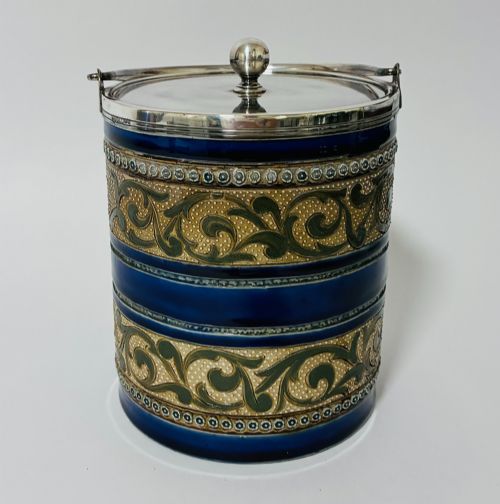
Biscuit barrels form the most frequent encounters within these listings, spanning styles from Jasperware and Majolica to silver-plated mountings. These domestic containers reflect the refined leisure habits of the late nineteenth century.
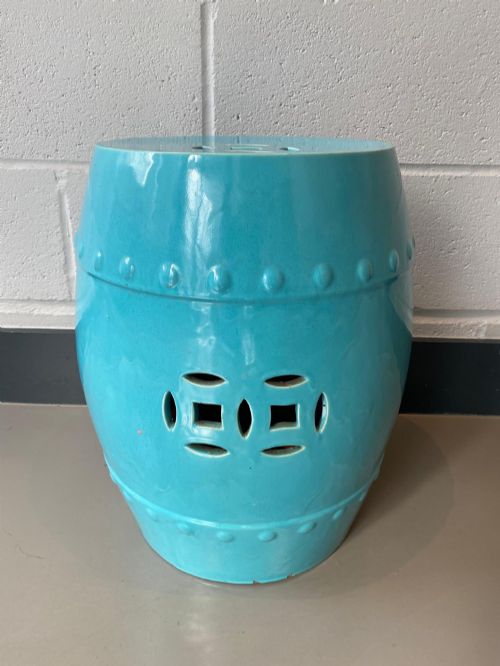
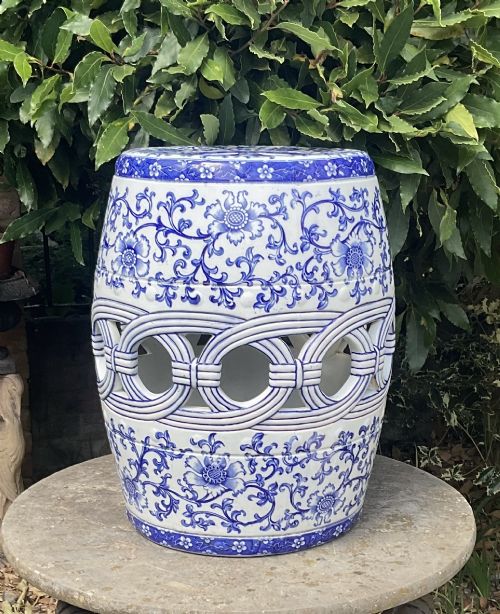
Larger items such as stick stands and garden seats demonstrate the heavier industrial capacities of period kilns. Stoneware and earthenware forms dominate this heavier category, built to withstand daily functional demands.
How they were made
Potters shaped these vessels using durable ceramic bodies including stoneware, saltglaze stoneware, and glazed earthenware. These robust materials provided the necessary structural integrity for both domestic containers and heavy garden furniture.
Decoration relied heavily on moulded relief work, particularly seen in Jasperware pieces, alongside vibrant Majolica glazes and hand-painted blue and white designs. Metal components such as silver plate frequently added hinged lids and swing handles to biscuit barrels.
Victorian Pottery Barrels Retail Price Guide 2026
Typical asking prices for victorian pottery barrels among the pieces listed under this phrase on Sellingantiques today, from the lower quarter to the upper quarter. They describe what is for sale here now, not the wider market.
Biscuit barrels appear across multiple manufacturing styles, accompanied by larger garden seats, stick stands, and water filter urns.
What varies in quality
Excellence in these pieces rests upon the crispness of the moulded detail and the richness of the glaze application. Finer examples display sharp definition in relief work and deeply saturated colour pigments across Majolica and Jasperware surfaces.
The integration of metalwork mounts on biscuit barrels distinguishes superior workshop production from simpler domestic wares. Solid silver plate fittings and well-preserved ceramic bodies indicate higher tier manufacturing origins.
Minton·Doulton Lambeth·Carlton Ware·Wedgwood
The Victorian Pottery Barrels Glossary
- Biscuit barrel
- A covered ceramic container used originally for storing dry baked goods on the Victorian dining table. These vessels typically incorporate metal lids and handles.
- Jasperware
- A fine stoneware developed with a matte surface, most famously featuring white neoclassical relief figures against a coloured ground. Wedgwood produced notable examples of this technique.
- Majolica
- A heavy earthenware pottery covered with colourful opaque tin glazes, known for rich polychrome effects. This style gained immense popularity during the mid-nineteenth century.
- Saltglaze stoneware
- A dense, impermeable pottery fired by throwing common salt into the kiln during high temperatures. This process creates a distinctive textured surface resembling orange peel.
Victorian Pottery Barrels: Frequently Asked Questions
What were Victorian pottery barrels used for?
These vessels served diverse domestic and garden purposes across the nineteenth century. Smaller lidded containers held dry biscuits or tobacco, while massive stoneware barrels functioned as stick stands or garden seats.
Water filter urns provided clean household hydration, combining utilitarian engineering with decorative ceramic exteriors. Each form reflects the specific domestic requirements of Victorian and Edwardian households.
How do I care for antique ceramic barrels?
Gentle cleaning with a soft, dry cloth preserves the delicate surface glazes and delicate metallic mounts. Avoid abrasive cleaners that might damage nineteenth-century saltglaze or Majolica finishes.
Keep these vessels away from extreme temperature fluctuations and damp environments to protect the structural integrity of the ceramic body and silver-plated fittings.
How do I identify Jasperware pieces?
Jasperware is characterised by its distinctive unglazed matte finish and contrasting white moulded relief ornamentation. The body feels slightly porous and displays classic neoclassical decorative motifs.
Prominent English potteries such as Wedgwood utilised this technique to create highly tactile biscuit barrels and decorative vessels.
What is saltglaze stoneware?
Saltglaze stoneware is a hardy ceramic material created by introducing salt into the kiln at peak firing temperatures. This chemical reaction produces a durable, slightly pitted surface texture.
Such robust manufacturing suited heavy items like stick stands and large garden containers intended for rugged daily use.