


Victorian Portrait Art Canvas
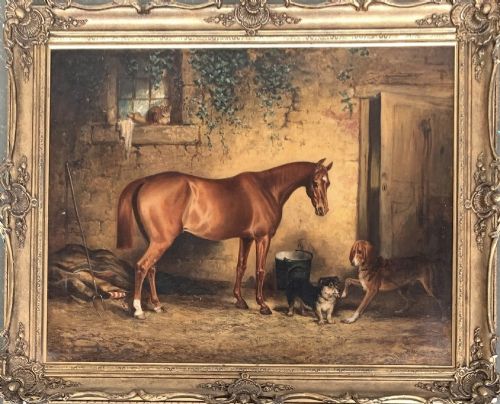
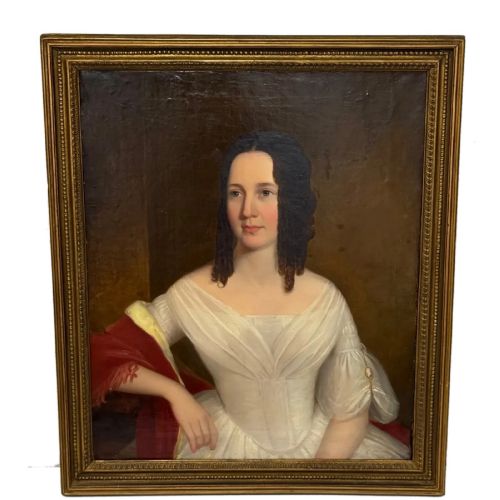
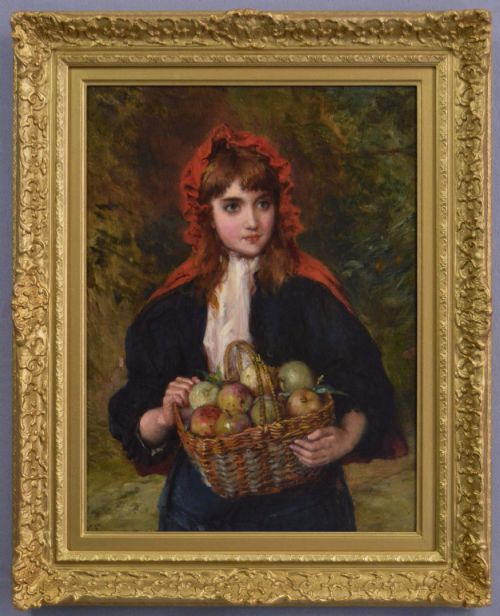
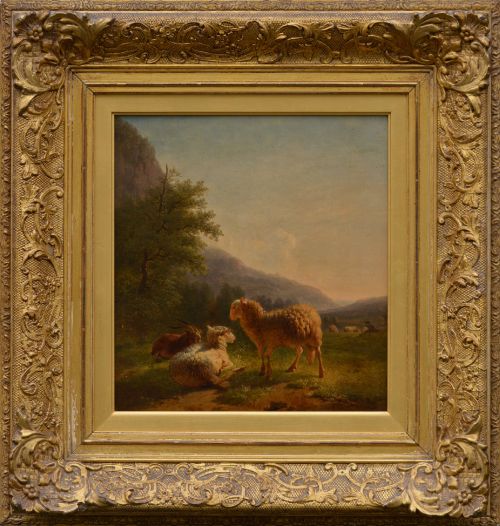
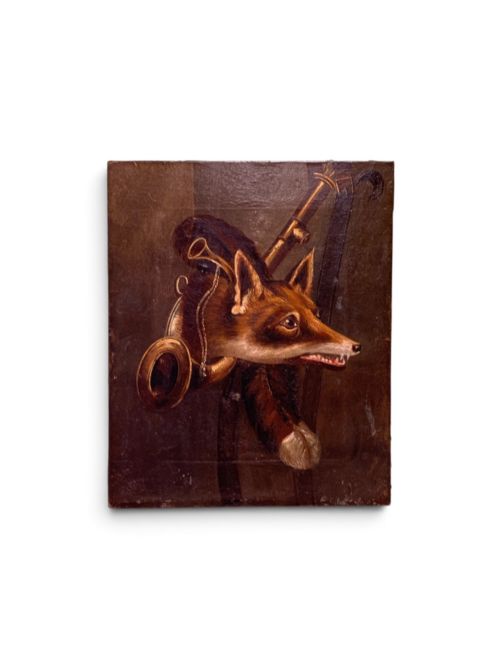
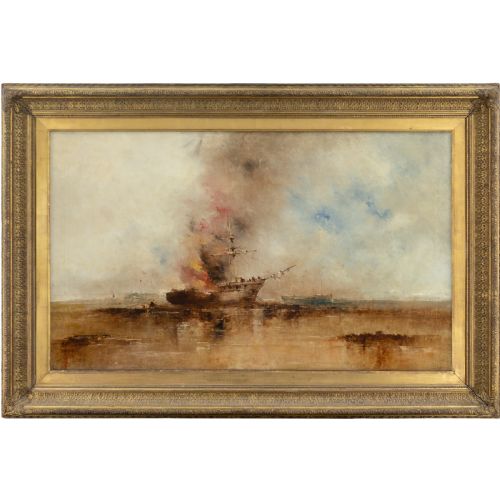
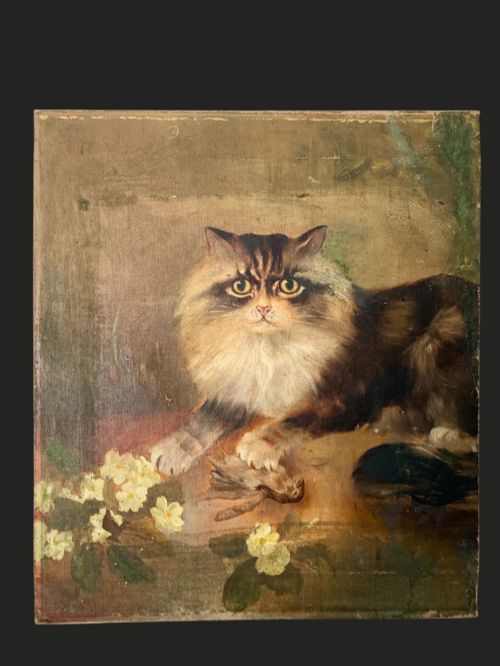
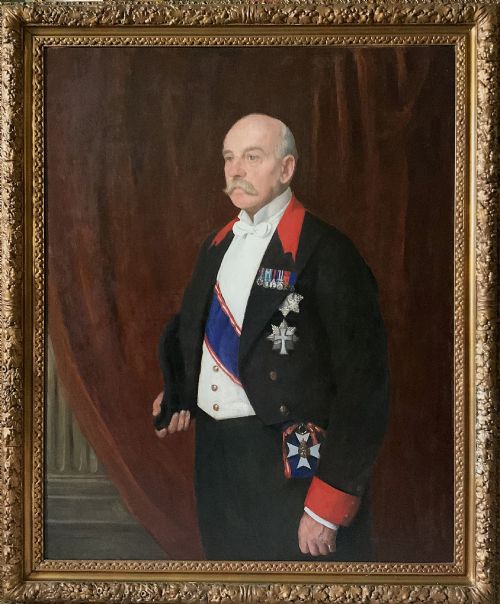
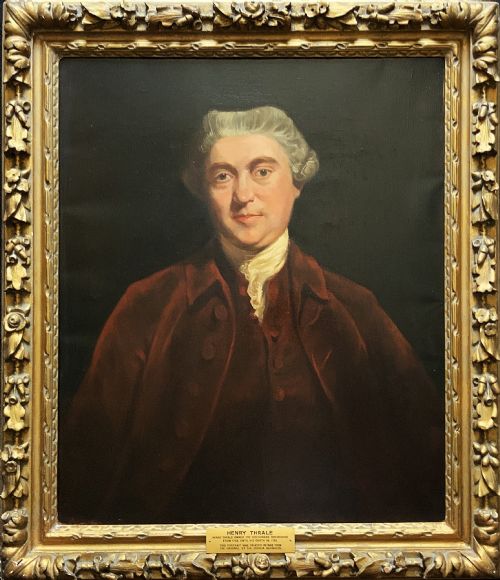
When you search for victorian portrait art canvas, you are looking at oil paintings on fabric from the nineteenth century depicting people, animals and domestic scenes.
Victorian Portrait Art Canvas
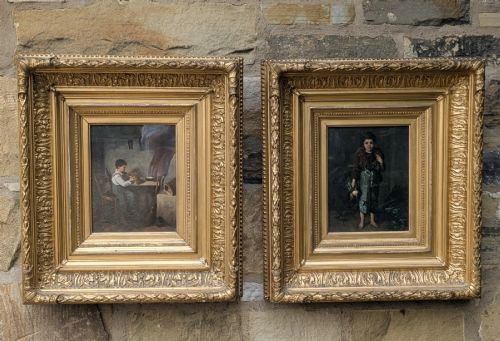
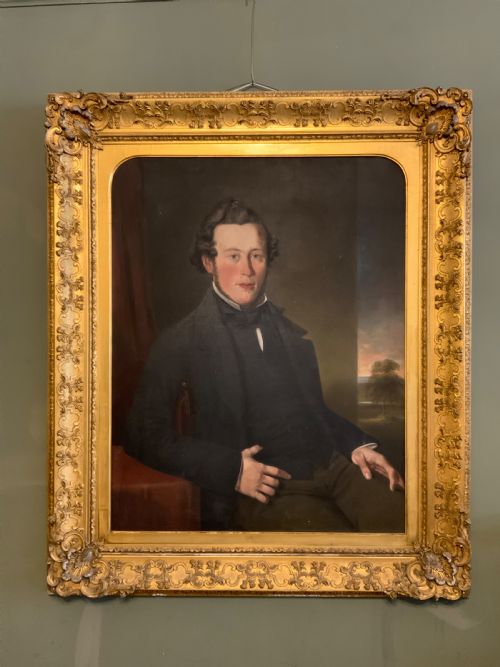
Victorian portrait art canvas selections comprise oil paintings executed on woven fabric supports, primarily originating during the nineteenth century. The subjects range from individual gentlemen and ladies to children, animals and character studies.
Most pieces encountered here date from the mid to late nineteenth century, spanning periods such as the eighteen-fifties, eighteen-seventies and eighteen-eighties. The styles vary from academic realism and naive school works to British and European portraiture.
How they were made
Artists applied oil paint directly onto stretched canvas, utilising wood for stretchers and frames. Many frames incorporate gesso moulded ornamentation finished with gold leaf or giltwood.
The physical structure relies on the tension of the woven canvas fixed to a wooden frame, often housed within heavy gilt wood surrounds that reflect the aesthetic of the period.
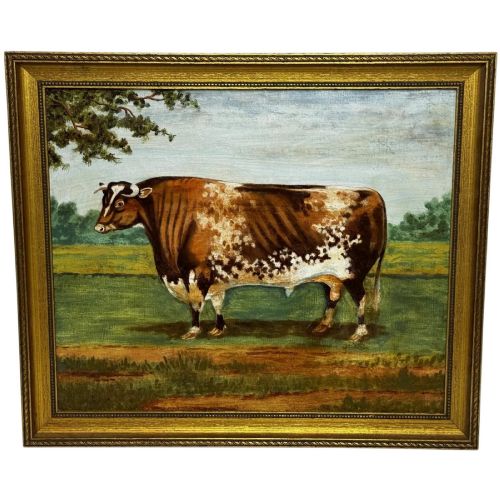
Several Victorian canvases preserve the stern gazes of prize-winning shorthorn bulls alongside human portraits.
What varies in quality
The standard of execution depends on the precision of the brushwork, the anatomical accuracy of the figures or animals, and the depth of expression captured by the artist. Academic works show refined handling, whilst naive school pieces display simpler, direct charm.
Framing also influences the overall presentation, with original giltwood and gesso frames carrying greater material integrity than later replacements.
William Oliver·Eugène Verboeckhoven·John Maler Collier·Vittorio Reggianini·Albert Clark·Howard Helmick·Margaret Sarah Carpenter·Adelaïde Salles-Wagner·Max Kaltenmoser
The Victorian Portrait Art Canvas Glossary
- Canvas
- A heavy woven fabric used as a support surface for oil paintings. It is typically stretched tightly across a wooden frame before painting.
- Gesso
- A plaster mixture applied to wood frames to create a smooth surface for gilding. It allows for intricate moulded decorative details.
- Giltwood
- Wood that has been thinly coated with gold leaf or gold paint. This finish provides a bright, reflective border to nineteenth-century artworks.
- Naive school
- Art produced by painters with little or no formal academic training. These works often feature flat perspective and simplified forms.
- Academic
- Art created under the influence of European academies following strict classical rules. It demonstrates formal mastery of proportion, lighting and composition.
Victorian Portrait Art Canvas: Frequently Asked Questions
What periods do these paintings cover?
The listings span the nineteenth century, including specific decades from the eighteen-fifties through to nineteen-hundred. Victorian examples form the primary focus.
Earlier Regency items and occasional Edwardian pieces also appear alongside the core nineteenth-century material.
Are these works painted on panel or fabric?
The works use canvas as the primary support for the oil paint. Wood is utilised mainly for the internal stretchers and the surrounding frames.
Frames frequently feature gesso and gold leaf detailing to complement the paintings.
How do I care for an oil on canvas?
Keep the paintings away from direct sunlight and fluctuating humidity to protect the oil paint and canvas. Dust the giltwood frames gently with a soft dry cloth.
Avoid using moisture or chemical cleaners on either the canvas surface or the gilded frame.
What subjects besides people do these canvases show?
Portraits extend beyond humans to include animals such as dogs, horses, sheep, cats and racehorses. Sporting scenes and genre subjects also feature prominently.
Artists frequently depicted domestic animals alongside their owners or within narrative compositions.