

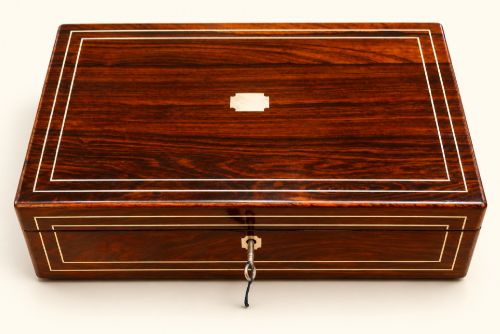
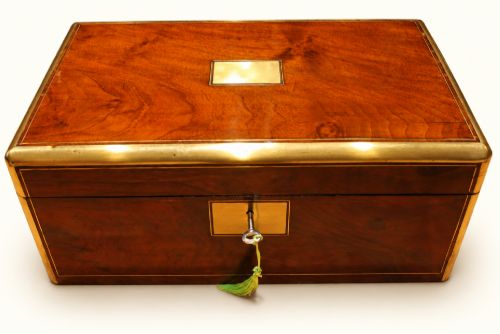
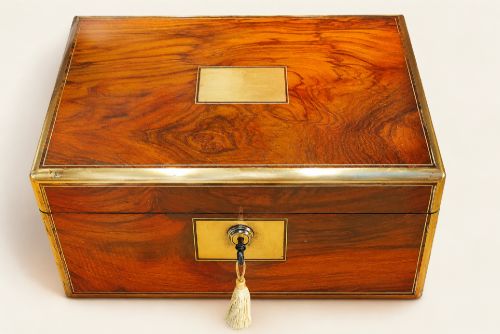
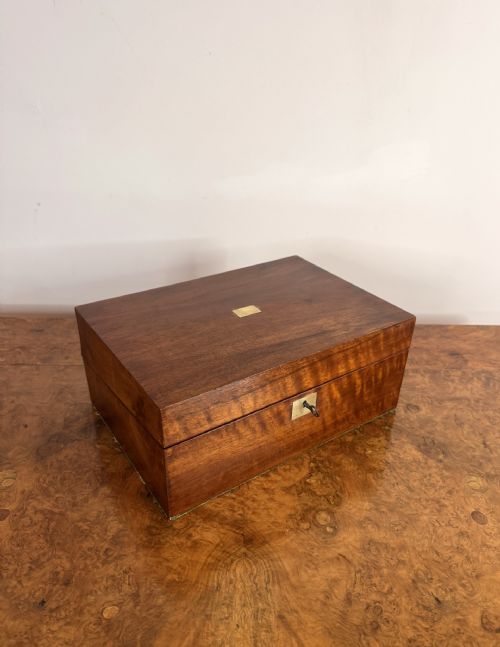

Victorian Portable Box
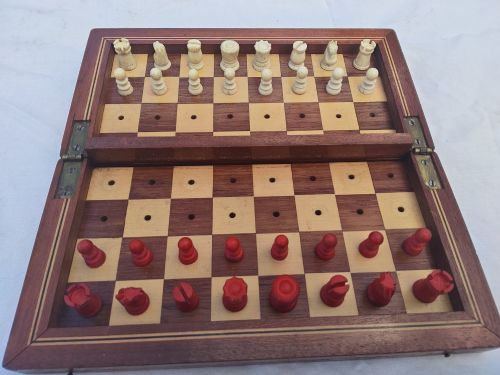
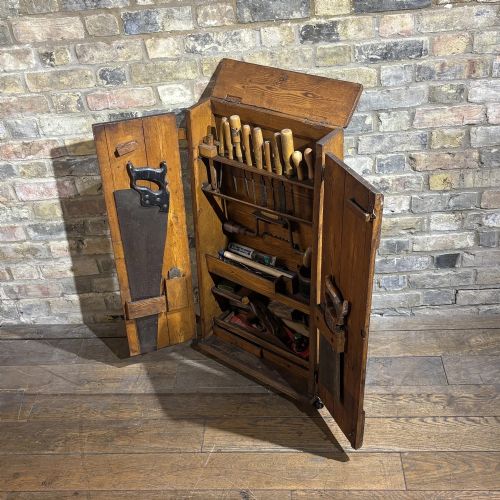
A victorian portable box brings together ingenious internal mechanics and durable exterior housing designed for travel across the nineteenth century.
Victorian Portable Box
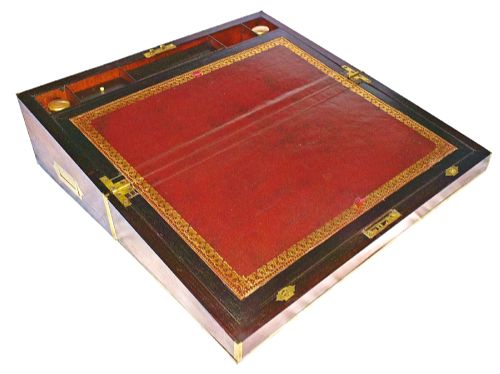
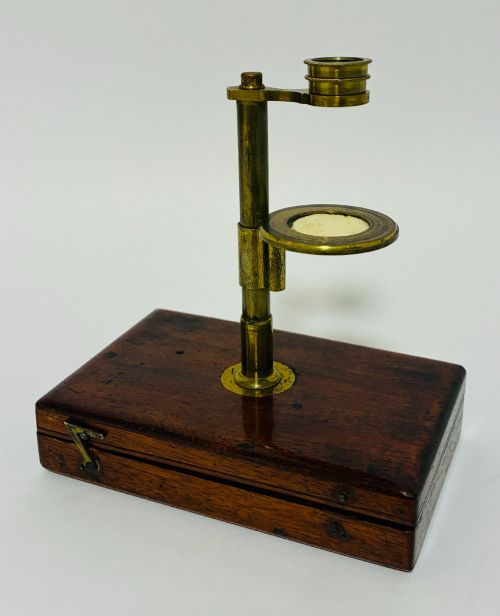
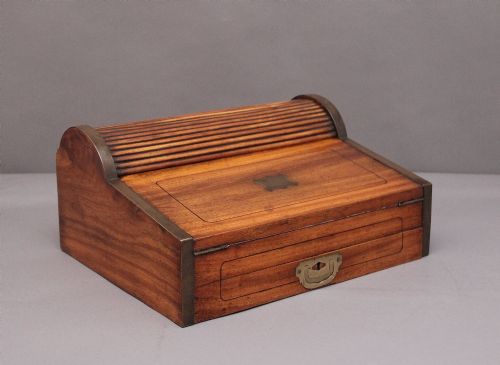
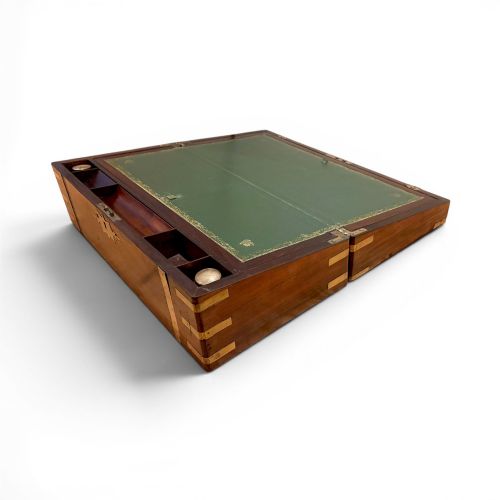
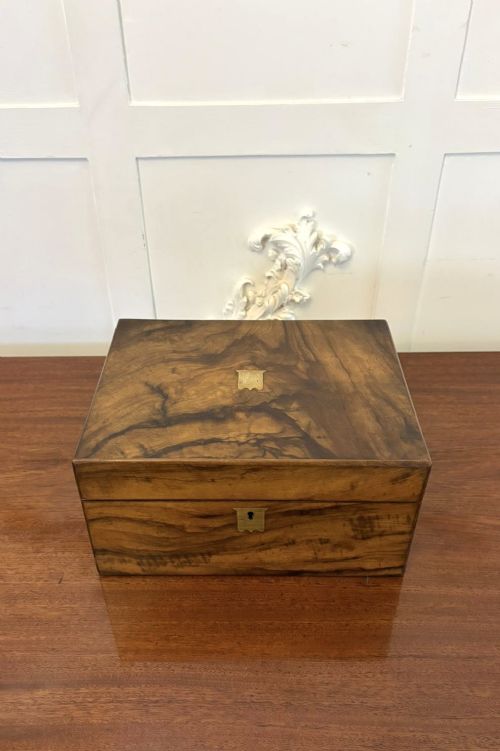
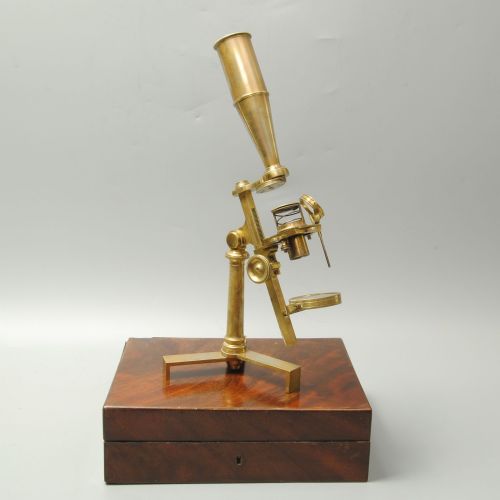
A victorian portable box encompasses writing slopes, campaign desks, scientific instrument cases, and travelling stationery boxes originating during the nineteenth century. These items were engineered to secure personal documents, correspondence, and precision equipment while on the move.
Writing slopes and lap desks dominate the selection available on this page, frequently featuring folding writing surfaces, inkwells, and concealed compartments. Buyers encounter mahogany and walnut variants most often, supplemented by exotic timbers such as camphor wood and coromandel.
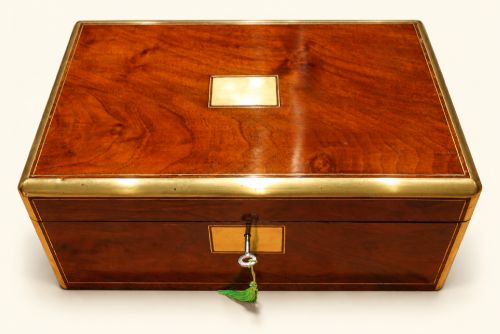
Sturdy construction methods link domestic Victorian pieces to military campaign equipment designed for officers on duty. Makers integrated brass corner bindings, recessed carrying handles, and secure locks to withstand rigorous travel across land and sea.
Materials and Construction
Cabinet makers utilised dense hardwoods including mahogany, walnut, rosewood, and ebony to construct the primary carcass of a victorian portable box. These timbers resist warping and provide a stable foundation for intricate brass banding and inlaid decoration.
Functional metalwork defined the construction, with heavy brass corner reinforcement protecting vulnerable edges from impact. Recessed flush handles and specialised locks by makers such as Bramah secured the contents during transit.
Victorian Portable Box Retail Price Guide 2026
Typical asking prices for victorian portable box among the pieces listed under this phrase on Sellingantiques today, from the lower quarter to the upper quarter. They describe what is for sale here now, not the wider market.
Some nineteenth-century writing boxes include secret compartments so well hidden that owners still misplace their love letters today.
Distinctions in Standard
The sophistication of internal mechanisms sets finer examples apart from standard portable containers. Master workshops integrated secret drawers activated by hidden spring catches, alongside bespoke fitted interiors lined in velvet or leather.
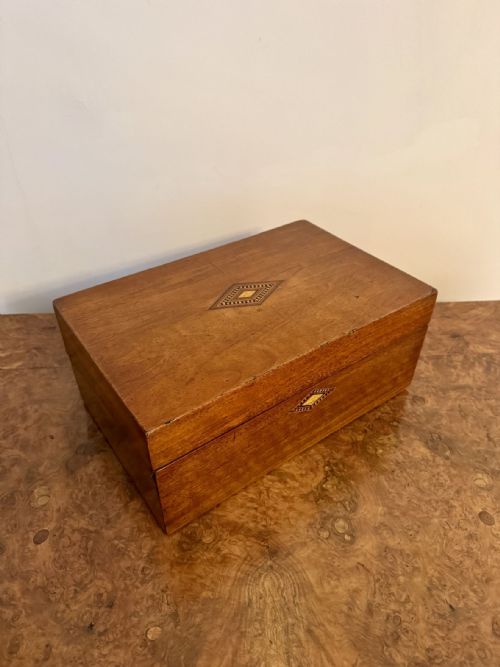
Material selection and decorative execution reveal the tier of production. Subtle additions like Tunbridge ware inlay, precision dovetail joinery, and solid ebony or coromandel construction indicate higher status objects intended for wealthy patrons.
Mappin & Webb·A W Insall
The Victorian Portable Box Glossary
- Writing Slope
- A box with an inclined writing surface that folds down to reveal compartments for stationery and inkwells. These items served as portable desks before the widespread use of fitted study furniture.
- Campaign Box
- Furniture or boxes built for military officers on active service abroad. They typically feature brass reinforcement and folding elements for compact transport.
- Secret Drawers
- Concealed compartments hidden behind false panels within a writing box. They require specific release mechanisms to open.
- Tunbridge Ware
- Small wooden objects decorated with mosaic patterns created from thousands of tiny tinted wood blocks. This decorative technique originated in Tunbridge Wells.
- Tantalus
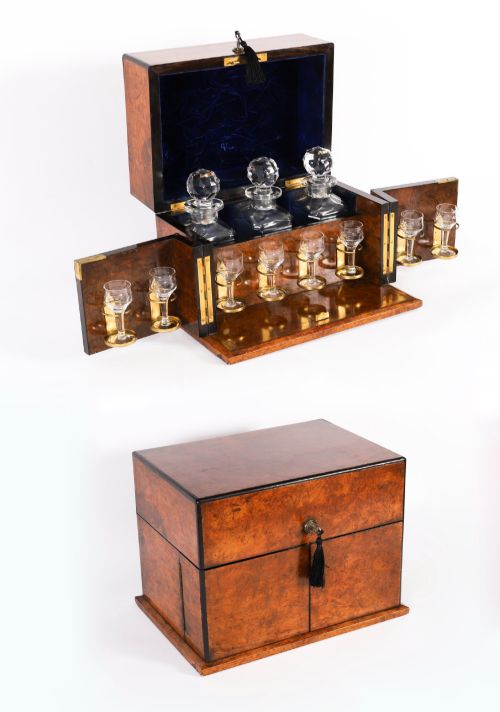
- A locking drink cabinet holding decanters visible behind a wooden and metal frame. The mechanism prevents access to the bottles without a key.
Victorian Portable Box: Frequently Asked Questions
What is a victorian portable box used for today?
These boxes function as decorative storage containers for modern correspondence, jewellery, or keepsakes while retaining their historical character on a desk.
Their internal compartments accommodate modern pens and small items just as they held inkwells and sealing wax in the nineteenth century.
How do I identify a military campaign box?
Campaign boxes feature durable hardwood bodies strengthened by brass corner braces, edge straps, and flush-fitting inset handles.
These additions prevented the wood from splitting and allowed multiple cases to pack tightly together during military transport.
What woods are typical for these boxes?
Mahogany and walnut appear frequently in standard domestic writing slopes throughout the Victorian period.
Exotic imports like camphor wood, coromandel, and ebony indicate specialised production or overseas manufacture, particularly in Anglo-Indian pieces.
How do secret drawers work?
Secret drawers rely on hidden spring mechanisms or interlocking partitions within the stationery well of a writing slope.
Removing a specific divider or pressing a concealed wooden pin releases the spring-loaded compartment.