





Victorian Porcelain Tableware
Victorian porcelain tableware brings nineteenth-century dining tables to life with hand-painted scenes, gold leaf, and bone china.
Victorian Porcelain Tableware
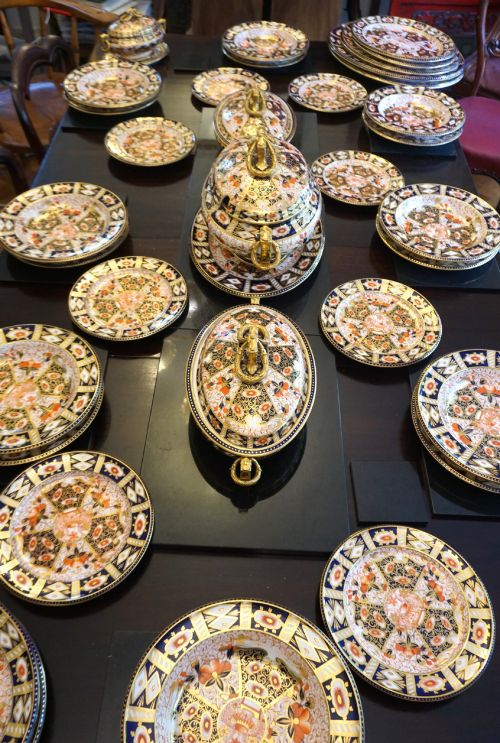
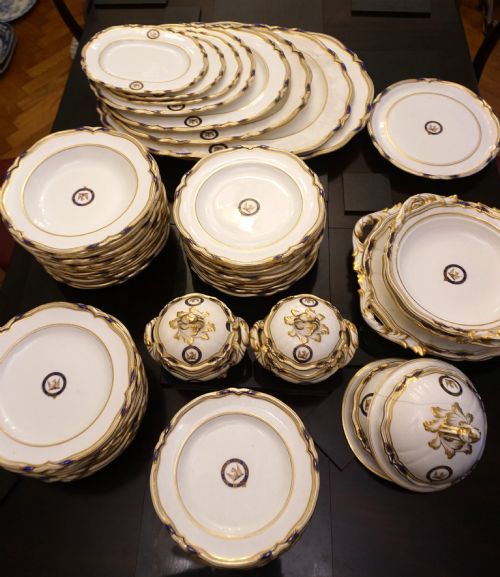
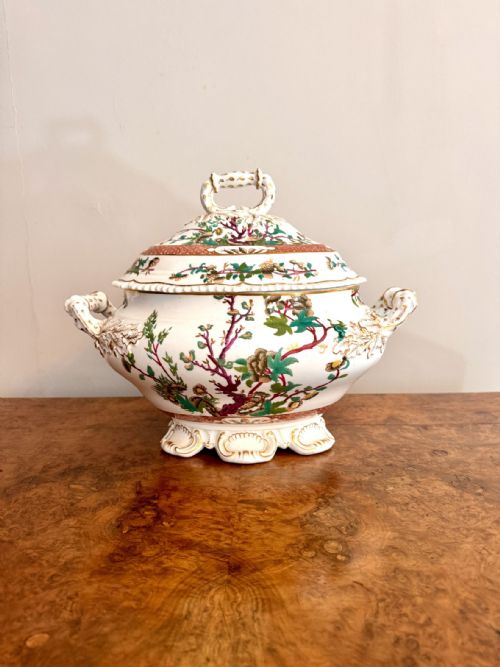
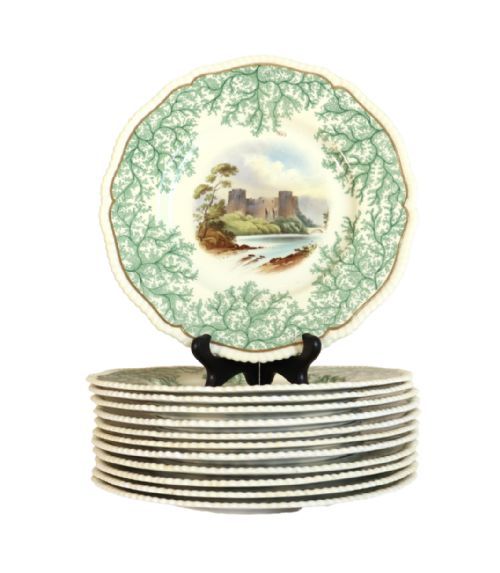
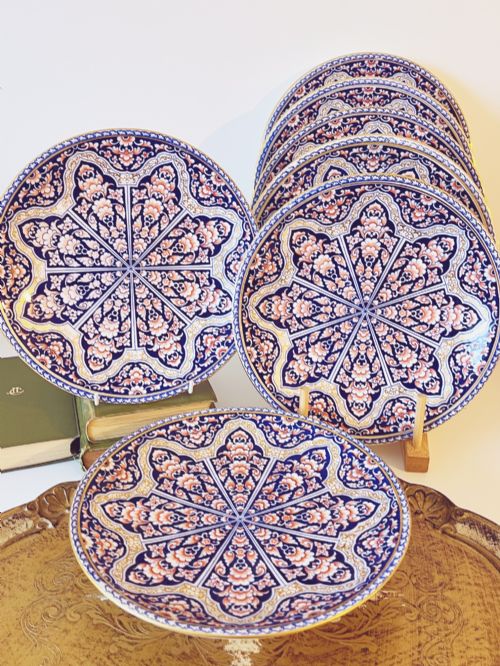
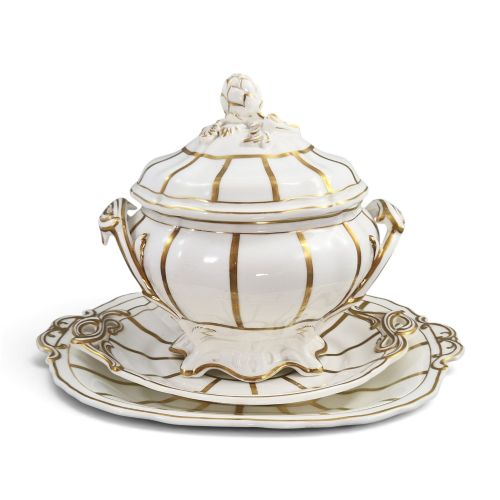
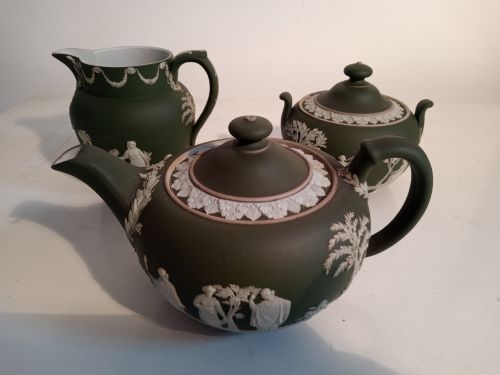
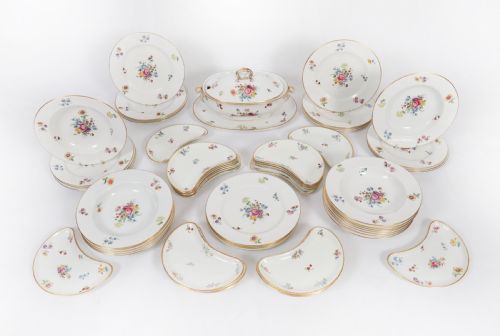
Victorian porcelain tableware spans expansive dinner services, dessert sets, and single serving pieces created across the nineteenth century. Buyers searching for victorian porcelain tableware encounter dinner plates, soup tureens, and tea sets originating from English factories and continental makers.
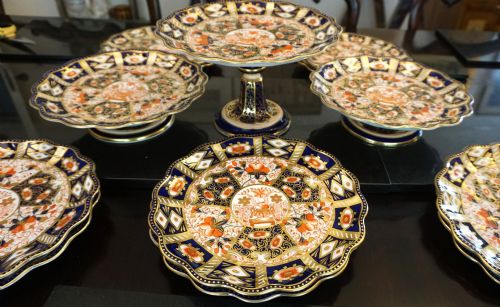
The selections on this page concentrate heavily on nineteenth-century production, particularly the 1880s, alongside pieces from the 1850s to the early 1900s. Dessert services and larger dinner sets form the core of what appears in daily listings.
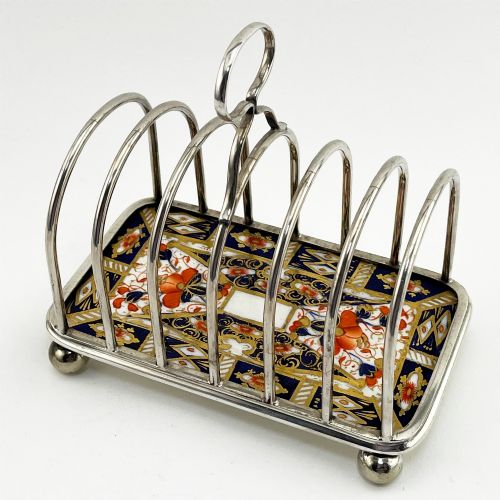
English manufactories dominate the offerings, supplemented by French, Russian, and Old Paris examples. Forms range from decorative dessert plates to practical sauce tureens and bachelor teasets.
Materials and methods
Potters built these services using porcelain, bone china, ironstone, and earthenware. Glaze seals the ceramic body, providing a smooth foundation for painted decoration.
Makers applied hand-painted motifs and enamel colours directly onto the ceramic body. Gold leaf and gilt highlights were added to rims, handles, and borders to catch the light.
Victorian Porcelain Tableware Retail Price Guide 2026
Typical asking prices for victorian porcelain tableware among the pieces listed under this phrase on Sellingantiques today, from the lower quarter to the upper quarter. They describe what is for sale here now, not the wider market.
Judging the work
Quality rests in the precision of the hand-painted brushwork and the preservation of the gilt highlights. Pieces featuring detailed pictorial scenes or intricate floral designs demand closer inspection.
The weight and translucency of the bone china or porcelain body distinguish standard production from finer output. Factory marks and pattern numbers also signal the origin and care put into a service.
Spode·Royal Crown Derby·Davenport·Wedgwood·Copeland·Walker and Hall·Doulton Burslem·Mintons·John Ridgway·Coalport·Masons·Ridgways China·Royal Worcester·Kornilov Brothers·Jacob Petit·Limoges
The Victorian Porcelain Tableware Glossary
- Bone china
- A type of porcelain containing animal bone ash, producing a durable and translucent body. It forms the basis of many nineteenth-century English services.
- Comport
- A raised dish or bowl used for serving fruit or desserts. These sit centrally within larger dessert sets.
- Sauce tureen
- A small covered serving vessel designed for gravies and sauces, often accompanied by a matching stand and ladle.
- Ironstone
- A heavy, durable type of earthenware patented in the nineteenth century. It offered a robust alternative to softer earthenwares.
- Spoon warmer
- A specialised Victorian vessel filled with hot water to keep serving spoons warm during formal meals.
Victorian Porcelain Tableware: Frequently Asked Questions
How do I care for antique tableware?
Wash these pieces by hand in warm water using a mild detergent, avoiding dishwashers entirely. The delicate gold leaf and hand-painted enamels degrade under harsh machine cycles.
Store plates with felt dividers between them to prevent scratching the glaze. Handle serving vessels and tureens by their main bodies rather than relying on delicate handles.
Can I use these services for dining?
Many nineteenth-century services remain robust enough for occasional dining use. Check each piece for crazing or hairline cracks before serving food.
Avoid serving highly acidic foods directly on antique gilt surfaces for extended periods. Hand washing immediately after use keeps the glaze intact.
How do I identify the maker?
Turn the piece over to examine the base for factory stamps, impressed ciphers, or pattern numbers. Marks changed across the nineteenth century, helping narrow down the decade of production.
Hand-painted numbers and retailer marks also appear alongside manufacturer stamps. Reference marks against documented factory archives for precise dating.
What is a dessert service?
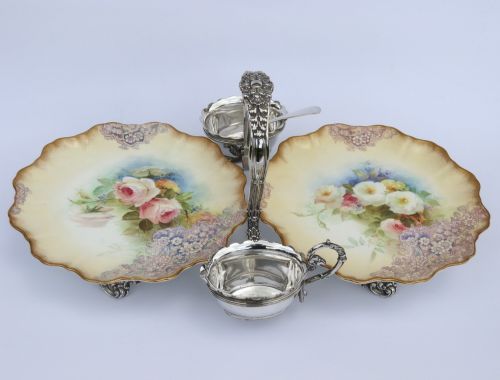
A dessert service is a matched set of plates and comports designed for the final course of a formal meal. These sets often feature hand-painted botanical or scenic motifs.
They were displayed on the table for fruit, sweetmeats, and pastries. Surviving sets range from single-digit plate counts to extensive multi-piece collections.