


Victorian Porcelain Set
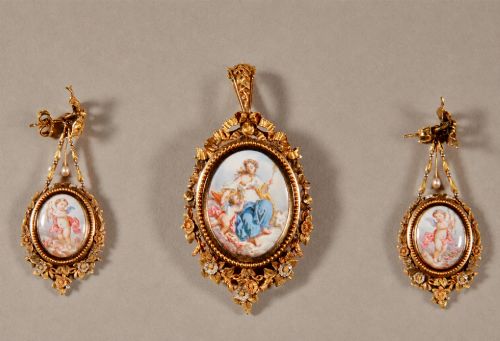
When you search for a victorian porcelain set, you find matched assemblages and multi-piece services created for the table, mantel, or washstand.
Victorian Porcelain Set
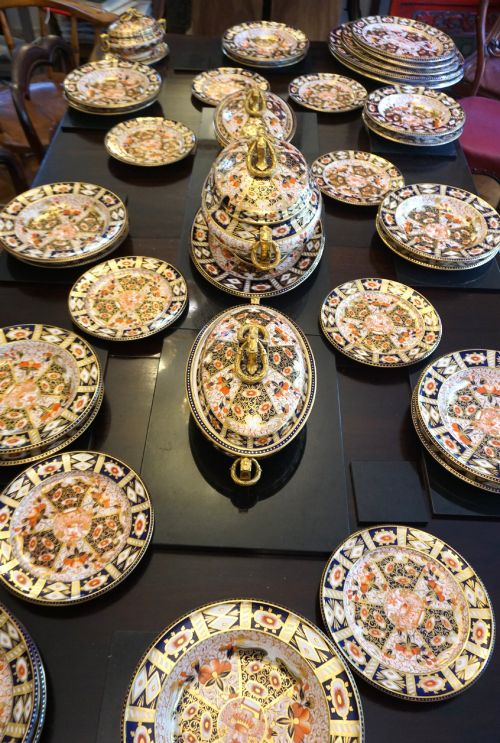
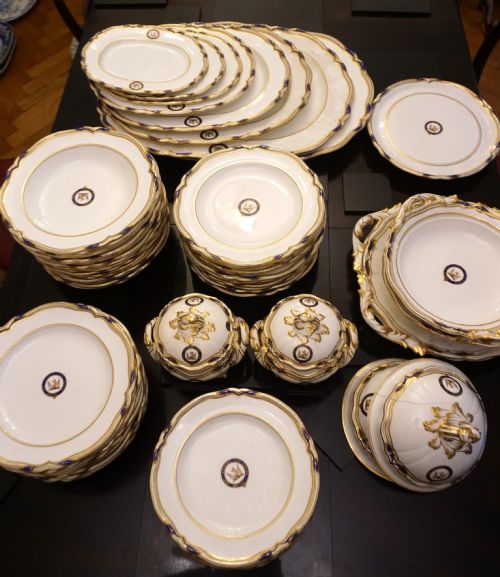
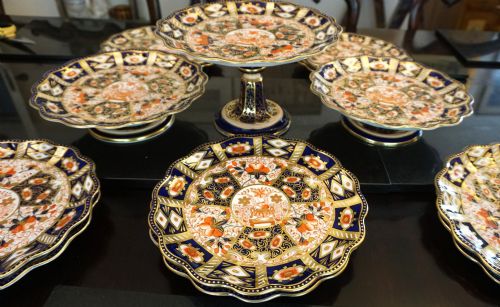
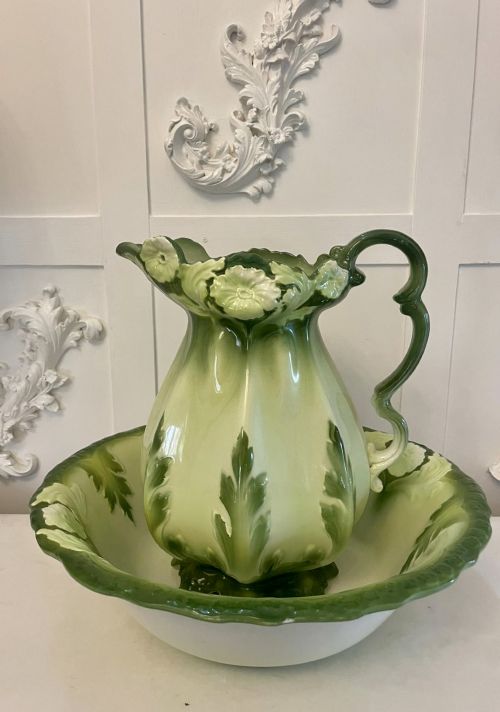
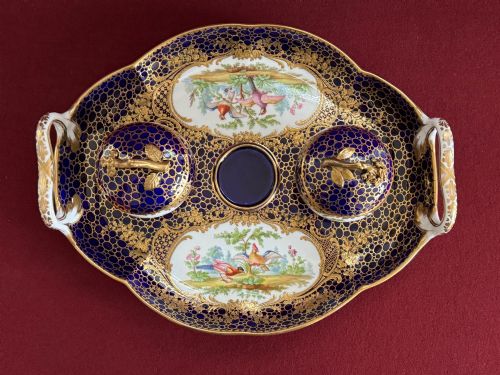
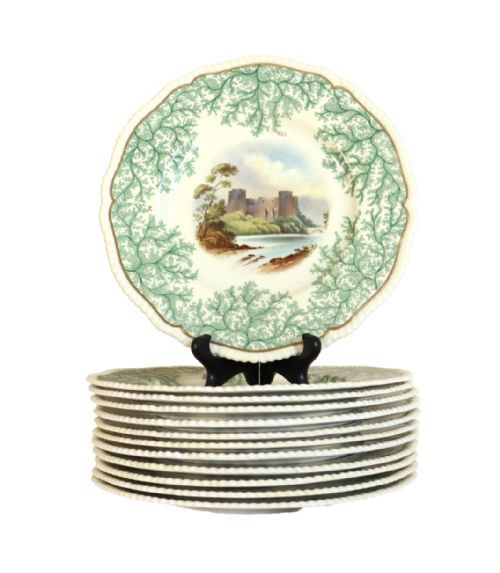
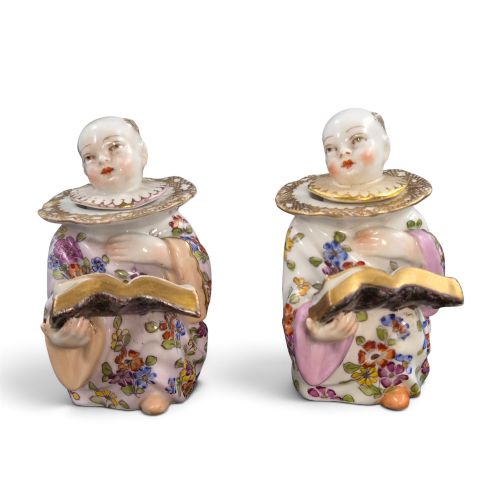
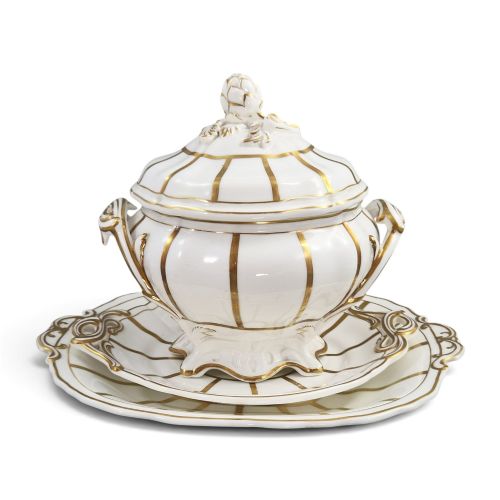
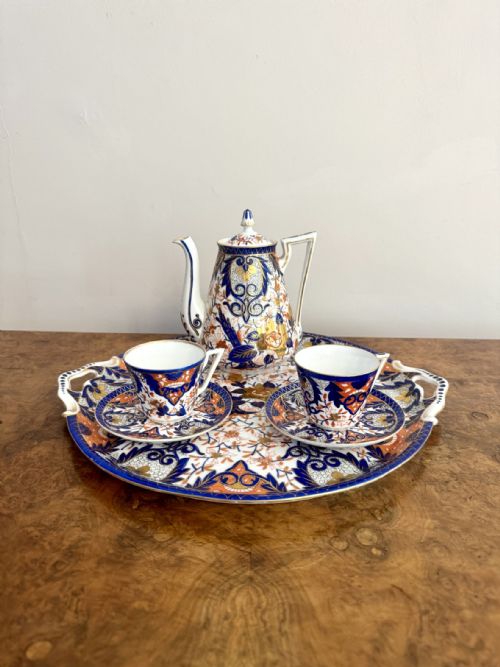
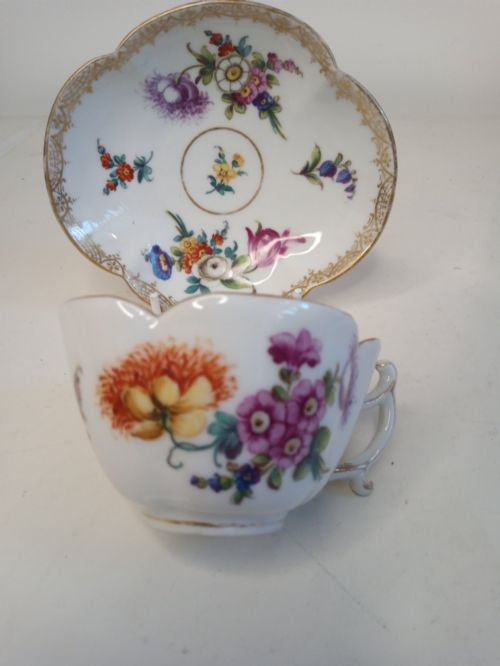
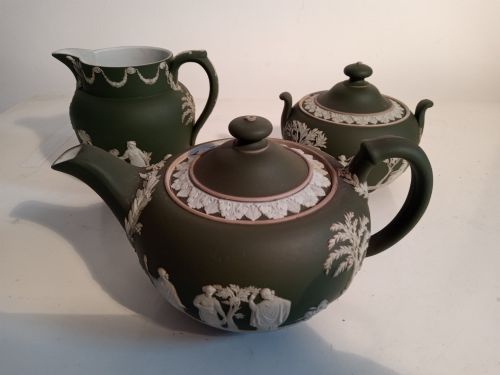
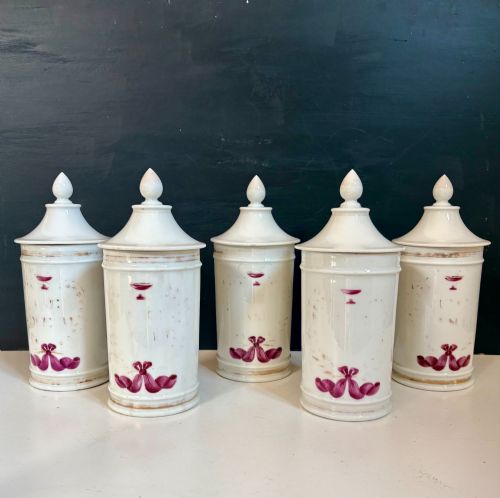
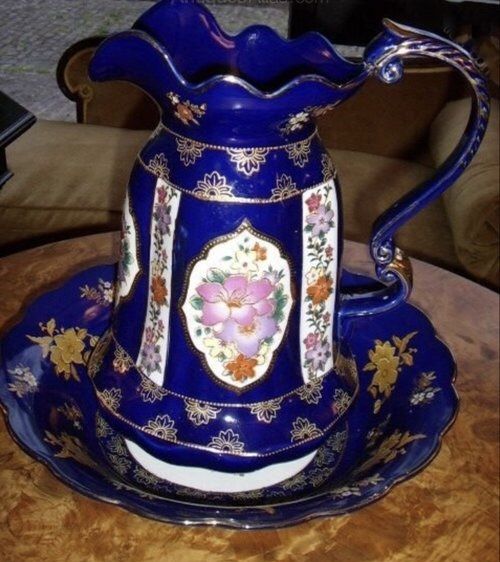
A victorian porcelain set spans utilitarian table services, tea services, dessert services, and decorative clock garnitures. These groupings include dinner plates, teacups and saucers, inkstands, and washstand jug and bowl sets.
The objects originate from nineteenth-century English and Continental factories, recording periods from the eighteen-forties through to nineteen hundred. Dinner services, tea sets, and mantel clock garnitures dominate the selections on this page.
Materials and production methods
Pieces are formed from porcelain, bone china, ceramic, and earthenware, shaped into plates, bowls, tureens, and figural inkwells. Many incorporate ironstone or specialised bodies designed for durability.
Surfaces receive coloured glazes, enamel decoration, and hand-painted motifs, complemented by applications of gold leaf and gilding. Some multi-piece mantel sets also integrate brass and gilt metal mountings.
Victorian Porcelain Set Retail Price Guide 2026
Typical asking prices for victorian porcelain set among the pieces listed under this phrase on Sellingantiques today, from the lower quarter to the upper quarter. They describe what is for sale here now, not the wider market.
Materials documented across the inventory include porcelain, earthenware, ceramic, enamel, gold leaf, glaze, gilt, and brass.
Distinctions in execution
The refinement of hand-painted details separates standard domestic wares from exceptional factory productions. Precision in floral, landscape, or figurative enamel work demonstrates the painter's capability.
The preservation of original gilding and gold leaf across all component pieces determines the integrity of a service. Complete sets maintaining uniform patterns and matching factory marks achieve higher consistency.
Minton·Edmé Samson·Royal Crown Derby·Davenport·Wedgwood·Royal Vienna·Spode·Aynsley·Walker and Hall·Doulton Burslem·John Ridgway·Coalport·Royal Worcester·Carrington·Kornilov Brothers
The Victorian Porcelain Set Glossary
- Garniture
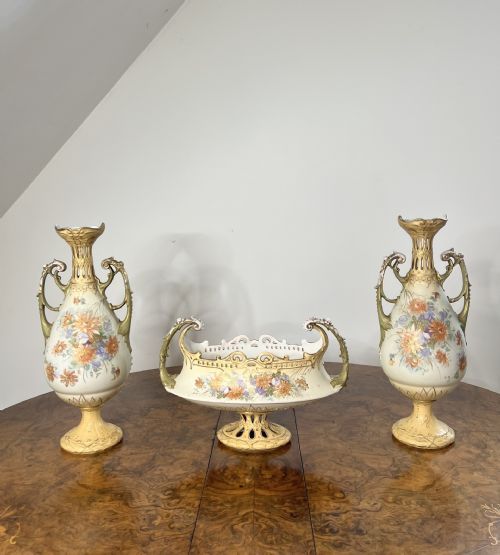
- A matched set of ornamental vases or clocks designed to be displayed together on a mantelpiece. These groupings typically consist of a central clock flanked by matching side urns or vases.
- Gilding
- The application of gold leaf or gold powder to the surface of porcelain. This decorative technique highlights rims, handles, and painted panels.
- Enamel
- Opaque vitreous material fused to porcelain through firing to provide bright surface decoration. It allows intricate, multi-colored designs across plates and tea services.
- Flow blue
- A cobalt blue transfer printing technique where the colour deliberately blurs slightly into the surrounding white glaze during firing. This creates a soft, hazy aesthetic seen on nineteenth-century services.
Victorian Porcelain Set: Frequently Asked Questions
How were tea sets used?
Tea sets served social gatherings in the parlor or drawing room during afternoon visits. Hostesses used teacups, saucers, teapots, and matching bowls to pour and distribute tea.
These gatherings formed a central part of nineteenth-century domestic routine and hospitality. The arrangement of matching porcelain signalled social standing and refined taste.
What is a clock garniture set?
A clock garniture set combines a central mantel clock with matching side vases or urns. The pieces were manufactured as a single decorative grouping for display.
They were placed on mantelpieces in formal rooms to provide both timekeeping and balanced visual symmetry. The components share identical materials, styles, and decorative motifs.
How do I care for antique porcelain?
Antique porcelain requires gentle hand washing in lukewarm water with mild soap. Avoid abrasive sponges or harsh detergents that can damage hand-painted enamels and gold leaf.
Display surfaces should be stable to prevent tipping, as multi-piece sets often include delicate handles, spouts, and finials. Storing pieces separately with padding protects rims from chipping.
How do I identify a Victorian service?
Identification relies on observing factory backstamps, pattern numbers, and stylistic markers such as Rococo Revival or Chinoiserie motifs. The materials include nineteenth-century porcelain, bone china, and ironstone.
Date marks and registered design numbers stamped into the ceramic base provide specific manufacturing eras. Comparing known factory shapes and painted styles confirms the period.