



Victorian Porcelain Pot
A victorian porcelain pot brings tactile warmth and intricate hand-painted detail into a room, spanning everything from utilitarian lidded jars to decorative pot-pourri vessels.
Victorian Porcelain Pot
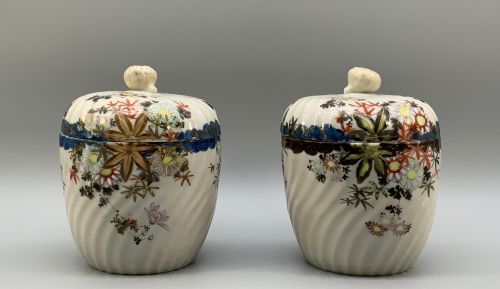
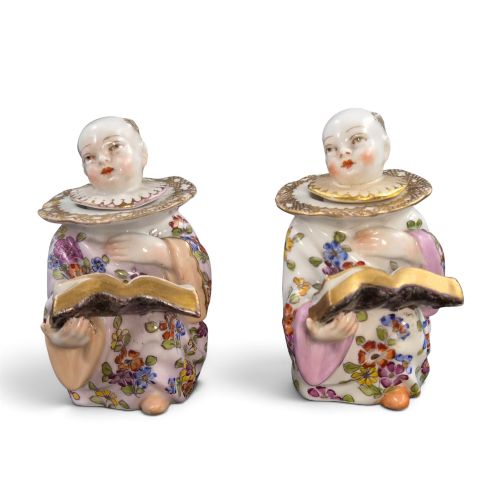
When searching for a victorian porcelain pot, collectors encounter a diverse range of functional and decorative vessels produced throughout the nineteenth and early twentieth centuries. The selection spans utilitarian items like chamber pots, apothecary jars, and tobacco jars alongside ornamental pieces such as pot-pourri vases, lidded jars, and trinket boxes. These objects originate from renowned British factories as well as continental and Japanese workshops that supplied the period market.
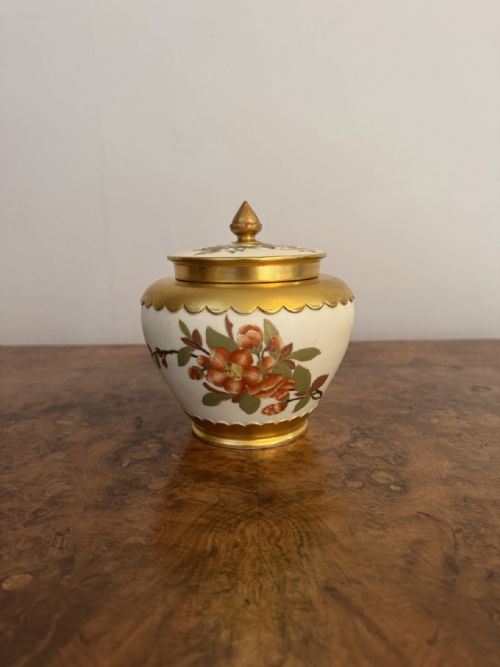
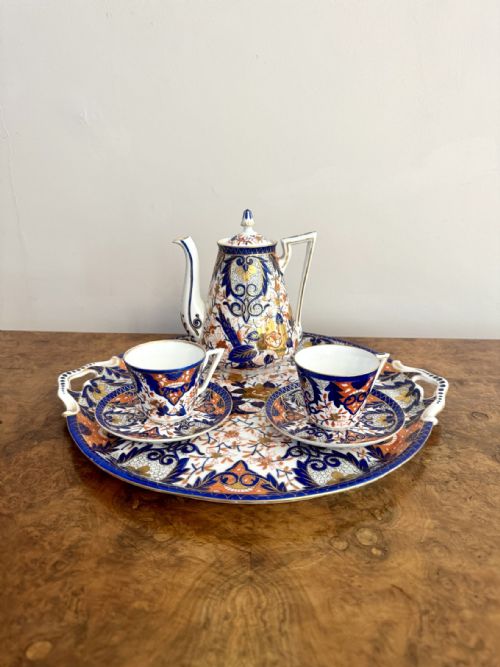
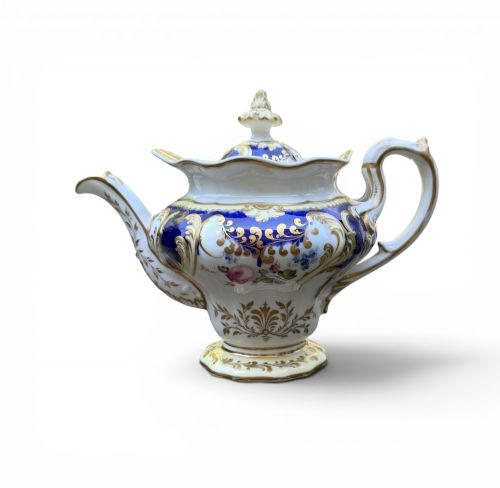
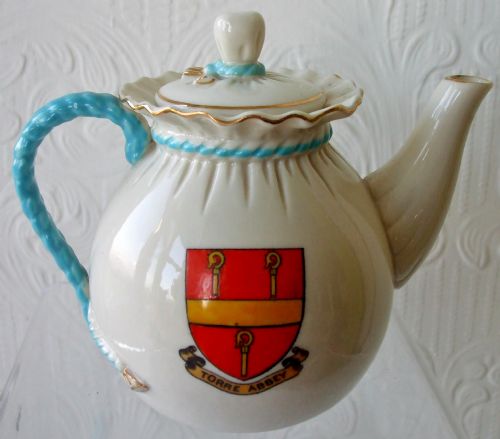
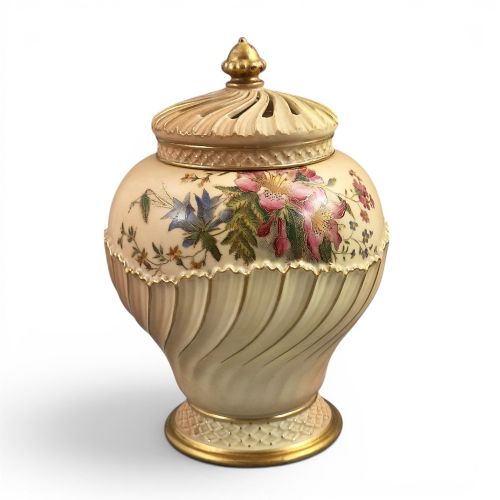
The version most commonly met on this page is the decorative Royal Worcester blush ivory pot-pourri jar, often featuring delicate floral motifs and gilding. Alongside these, buyers frequently find English ceramic biscuit barrels, lidded pails, and hand-painted French or continental boxes. Domestic tea wares and coffee pots also appear, reflecting the era's taste for matching sets and refined tables.
Materials and methods of production
Makers utilised fine porcelain, ceramic, and earthenware bodies as the foundation for these vessels, frequently shaping them through casting or moulding techniques. Pot-pourri jars, vases, and lidded containers received smooth glazes designed to hold painted designs and enamel decorations. Ironstone and sturdy ceramic formulas served for utilitarian items such as chamber pots and apothecary jars.
Surface ornamentation relied heavily on hand-painted floral or figural scenes, complemented by gold leaf, heavy gilding, and enamel work. Royal Worcester pieces often utilised a distinctive blush ivory ground beneath hand-painted details. Gilt detailing, brass mounts, and silver plate hardware were added to boxes, inkwells, and jars to complete the decorative scheme.
Listings feature vessels spanning the 19th Century, Edwardian era, and early 1900s, constructed from porcelain, ceramic, earthenware, and enamel.
Distinctions in quality
Quality rests significantly upon the crispness of the moulding and the artistic skill evident in the hand-painted decoration. Pieces bearing the mark of established factories like Royal Worcester or Samuel Alcock display finer detail in floral motifs and figural modeling. The application of gold leaf and enamel work separates standard production wares from superior exhibition-standard vessels.
Condition and completeness also dictate standing within the range. Lidded pots retaining their original matching covers, crowns, and inner liners command greater interest than those with mismatched or absent components. The preservation of delicate blush ivory grounds and unrubbed gilding marks the difference between average surviving examples and exceptional ones.
Royal Worcester·Edmé Samson·W.H. Goss·Minton·Samuel Alcock and Co·Mason’s·Royal Doulton·Coalport·Davenport
The Victorian Porcelain Pot Glossary
- Pot-pourri
- A decorative lidded jar or vase pierced with holes in the cover to release the scent of dried flower petals held inside. These vessels formed a central feature of nineteenth-century drawing room decoration.
- Blush Ivory
- A specialised cream-coloured ceramic ground developed by Royal Worcester during the late nineteenth century. It provided a soft matte background for delicate hand-painted floral sprays and raised gilding.
- Imari
- A decorative style inspired by Japanese export wares, characterised by a palette of cobalt blue, iron red, and gold. British potteries adopted this aesthetic for teapots, trays, and decorative vessels.
- Jardiniere
- A large ceramic or porcelain pot designed to hold a potted plant or floral arrangement. They often feature prominent handles, moulded feet, and hand-painted or transfer-printed decoration.
- Apothecary Jar
- A utilitarian lidded container originally used by chemists to store medicinal herbs, drugs, or ointments. Examples frequently carry painted or labeled titles designating their contents.
Victorian Porcelain Pot: Frequently Asked Questions
How do I identify a Royal Worcester blush ivory pot?
Royal Worcester blush ivory pieces feature a distinctive soft, creamy-pink matte ceramic body that imitates ivory. They are typically decorated with delicate hand-painted floral motifs and enriched with raised gold leaf.
Factory marks stamped to the base confirm the manufacturer and often provide date ciphers indicating the exact year of production.
What was the purpose of a pot-pourri jar?
These lidded vessels were designed to hold dried flower petals mixed with spices to freshen the air in Victorian rooms. The pierced covers allowed the fragrance to circulate while concealing the contents.
They were often placed on mantelpieces, pedestals, or cabinets as both decorative and functional objects.
How do I care for antique porcelain and ceramics?
Antique porcelain and ceramics require gentle handling and should be cleaned manually using lukewarm water and a mild detergent when necessary. Avoid submerging items with metal mounts, silver plate, or delicate enamel work to prevent tarnishing and damage.
Keep pieces away from direct sunlight and sudden temperature shifts to protect the glaze and gilding.
What is the difference between ironstone and porcelain?
Ironstone is a dense, durable type of earthenware patented in the nineteenth century to provide a sturdy alternative to porcelain. It was commonly used for utilitarian vessels like apothecary jars, chamber pots, and heavy tableware.
Porcelain is finer, more translucent, and traditionally fired at higher temperatures for decorative items and tea wares.
Are antique tobacco jars airtight?
Nineteenth-century tobacco jars were designed with fitted lids to keep pipe tobacco moist, though they rarely feature modern airtight rubber seals. The heavy ceramic or porcelain walls helped maintain humidity levels inside the jar.
Many examples include inner ceramic lids or covers to provide an extra layer of protection for the contents.