



Victorian Plinth Stand
These nineteenth-century victorian plinth stand examples elevate sculpture and ornament, bringing architectural presence and height to domestic interiors and gardens.
Victorian Plinth Stand
A victorian plinth stand serves to elevate statues, urns, and decorative objects within nineteenth-century rooms and gardens. The pieces on this page appear primarily across the nineteenth century, stretching from the eighteen-fifties through to nineteen-hundred, alongside related columns and pedestals.
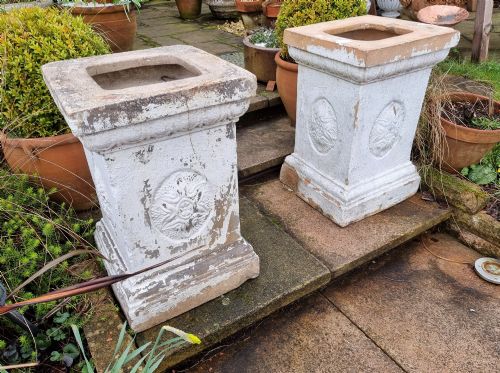
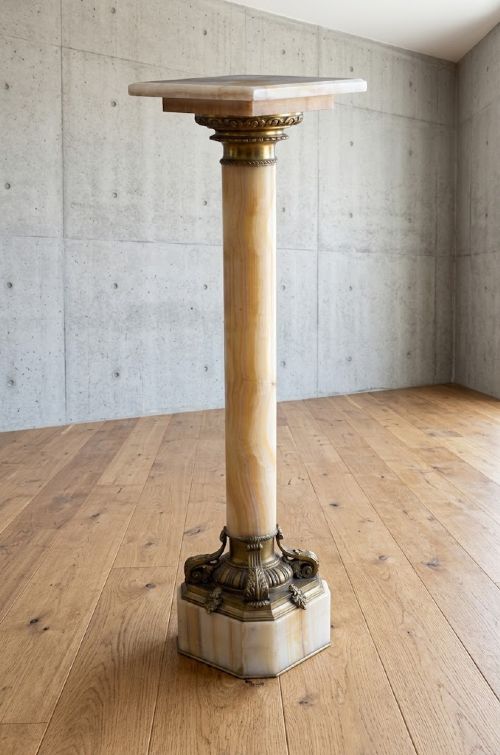
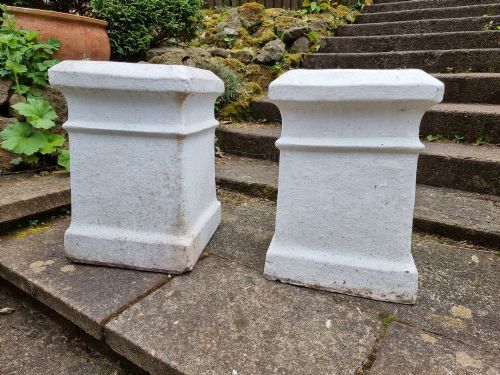
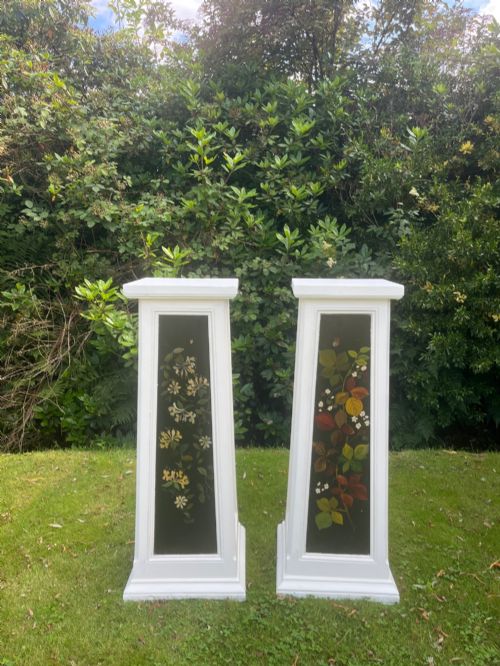
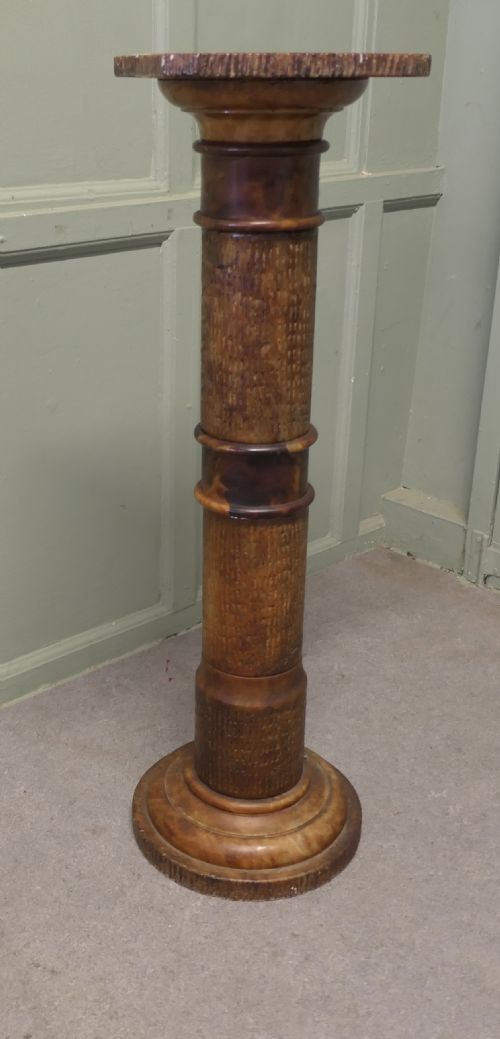
Makers constructed these supports in various configurations, including tall display columns, paired plant stands, and low supporting plinths. Walnut, mahogany, satinwood, and amboyna woods appear alongside marble, onyx, cast iron, and terracotta.
Makers working in the neoclassical, classical revival, and aesthetic movement idioms produced these stands for formal reception spaces and conservatories alike. Buyers frequently encounter turned wooden columns, marble pillars, and iron garden planters.
Materials and Construction
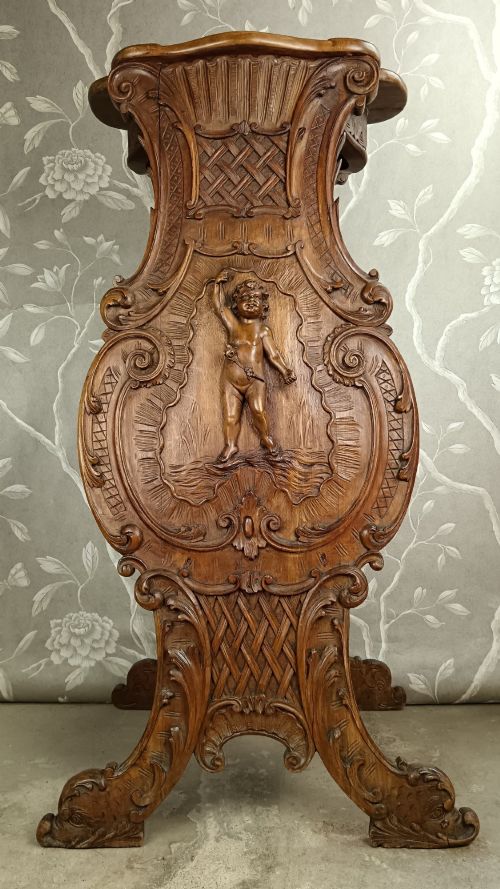
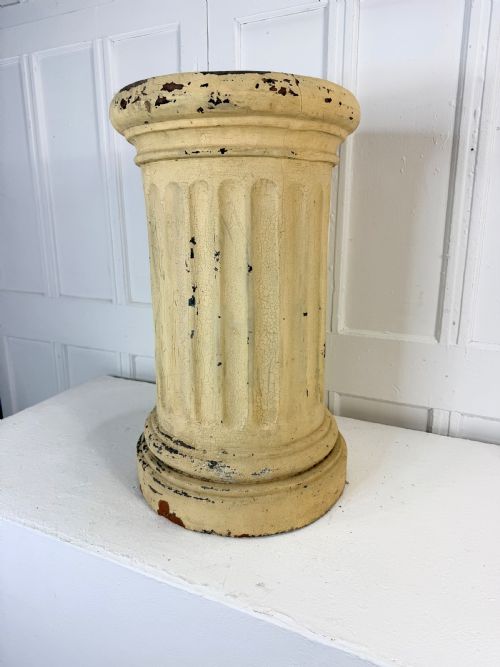
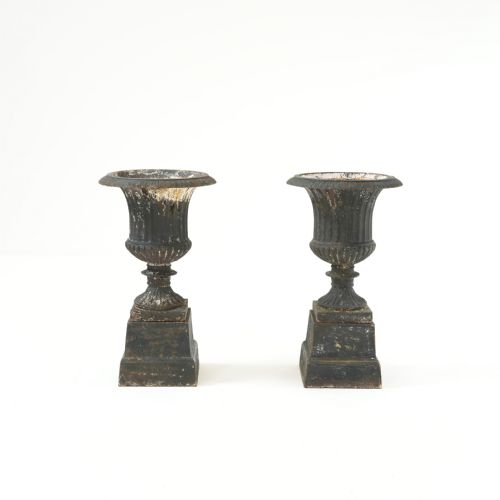
Cabinet makers joined dense timbers such as mahogany, walnut, satinwood, and carved birch, occasionally employing grain painting and faux marble finishes over pine. Stoneware, terracotta, and cast iron provided durable weight for garden urns and campana planters.
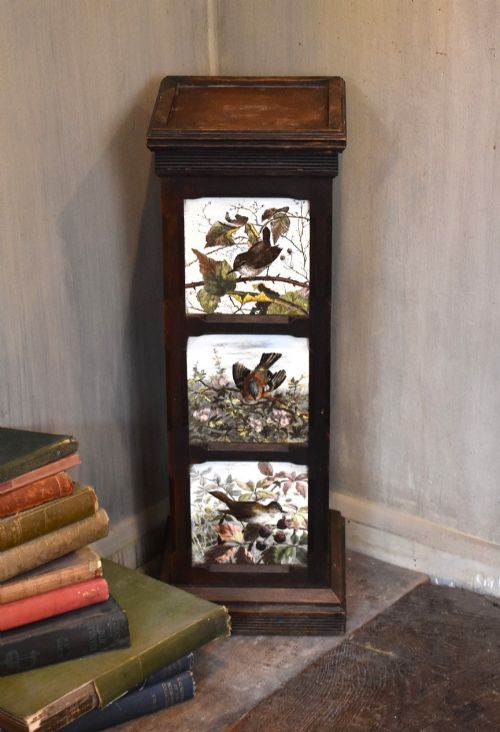
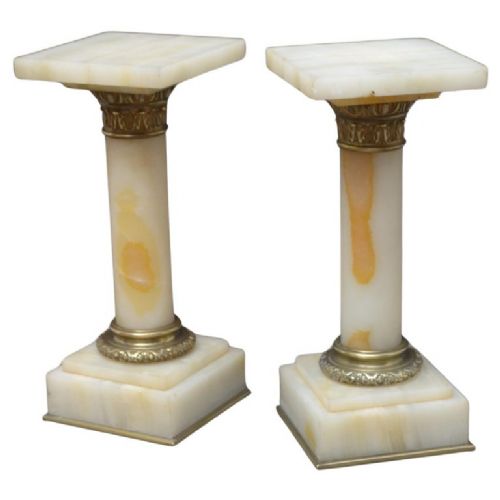
Stone specimens utilise natural variations of honey-coloured marble, verde antico, and onyx, frequently finished with brass or ormolu collars. Woodworkers incorporated spiral pillars, carved acanthus leaf motifs, and glazed tiles to articulate the vertical surfaces.
The listings show nineteenth-century periods ranging from eighteen-fifty through to nineteen-thirty, with marble, mahogany, and cast iron appearing frequently.
Quality and Execution
Superior examples display crisp, hand-carved detailing such as distinct acanthus leaves and precise turning, whereas lesser pieces rely on simpler moulded or painted surfaces. The selection of materials sets the tier of the piece, moving from standard grain-painted pine to exhibition-quality amboyna, carved ebony, and fine verde antico marble.
Structural stability and the integrity of joints dictate the enduring utility of tall columns and display stands. Pieces associated with documented cabinet makers exhibit a higher standard of joinery and refined proportions than anonymous workshop output.
Dunfermline Clay Company·Gillow and Co·Waring and Sons
The Victorian Plinth Stand Glossary
- Pedestal
- A structural support or column designed to elevate a bust, urn, or sculpture above floor level. These items often feature square or circular tops.
- Campana Urn
- A bell-shaped garden vessel frequently mounted upon a matching plinth or column. This classical form appears in cast iron and terracotta.
- Verde Antico
- A dark green serpentine marble prized by nineteenth-century makers for classical columns and architectural fragments. It displays intricate white veining throughout.
- Torchere
- A tall, slender stand originally intended to carry a candle or lamp. In nineteenth-century interiors, these functioned primarily as display columns.
- Ormolu
- Gilt-bronze mountings applied as decorative collars or accents to marble columns and wooden pedestals. The technique adds metallic contrast to stone and timber.
Victorian Plinth Stand: Frequently Asked Questions
What were victorian plinth stand pieces used for?
These supports elevated marble busts, bronze sculptures, urns, and decorative lamps within Victorian reception rooms and halls. They brought visual focus and height to important interior ornaments.
In domestic settings, paired versions supported floral arrangements or jardinieres in drawing rooms and conservatories. Sturdier iron and terracotta variants served similar display functions in gardens.
How do I style a plinth stand at home?
Position a tall marble or wooden column in an empty corner to display a bronze figure, ceramic vase, or trailing plant. Ensure the height complements the object placed upon it.
Keep heavy stone pedestals on solid flooring, and use lower timber stands beside seating or tables. Pair matching columns symmetrically on either side of a doorway or fireplace.
How do I tell different periods apart?
Early examples from the mid-nineteenth century frequently display dense timbers like amboyna and walnut, alongside meticulous hand-carved classical details. Aesthetic movement pieces incorporate specific elements such as decorative tiles.
Later Victorian and turn-of-the-century items often utilise faux marble paint finishes, cast iron, or onyx columns with ormolu collars. Look to the material choices and decorative motifs to indicate the decade of production.
Were these stands made for gardens?
Certain forms utilised durable cast iron, stoneware, and terracotta specifically to withstand outdoor conditions as garden column planters and campana urns. These heavy pieces anchored exterior planting schemes.
Interior stands utilised polished mahogany, satinwood, marble, and onyx which required indoor protection from moisture and frost. The choice of material dictates whether a piece belonged inside the house or out.