





Victorian Pink Glass Jug
These Victorian pink glass jug pieces are vibrant table wares that bring rich colour and tactile warmth to a room.
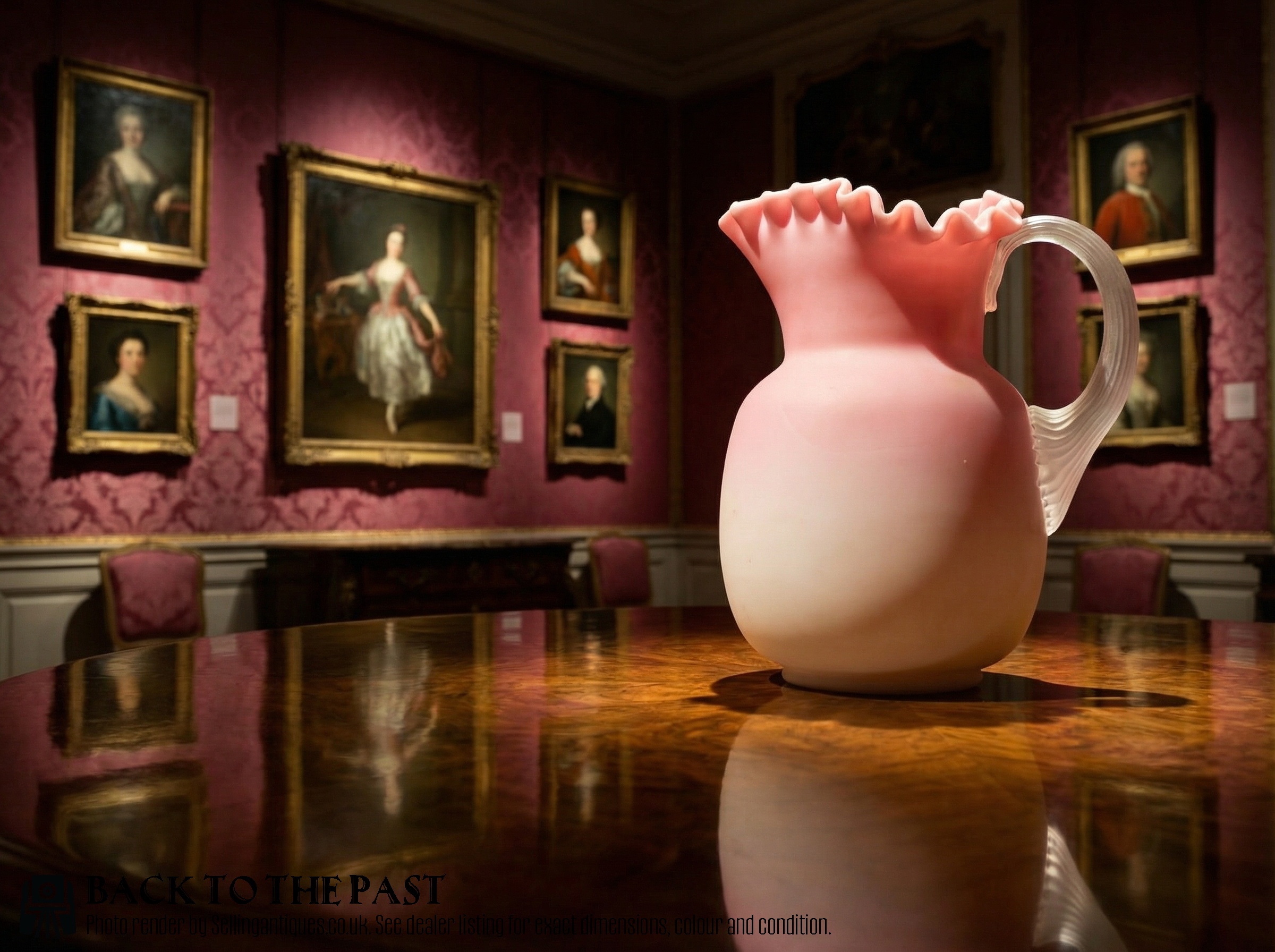
Victorian Pink Glass Jug
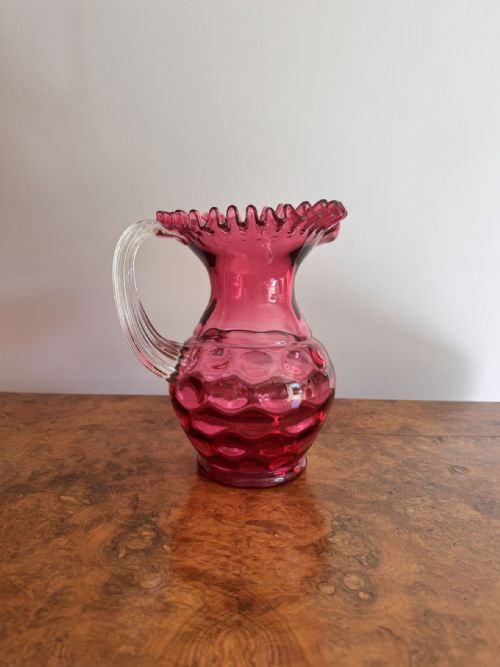
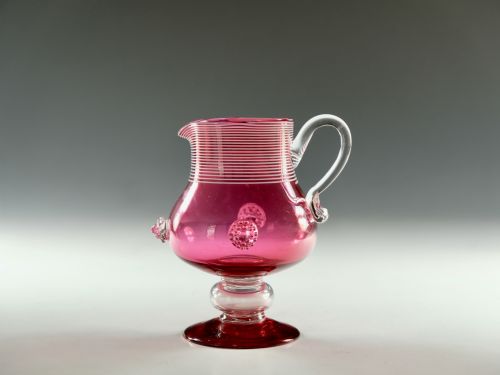
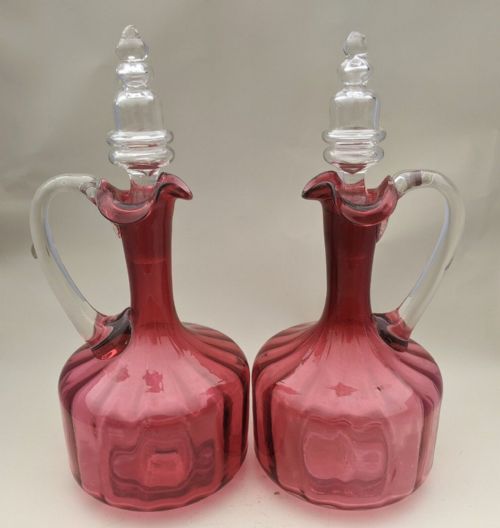
A Victorian pink glass jug is a distinctive domestic vessel found in forms such as cream jugs, pitchers, and larger decanters. These items appear across the nineteenth century, including specific decades like the eighteen-seventies, eighteen-eighties, and eighteen-nineties, alongside pieces dated around nineteen hundred.
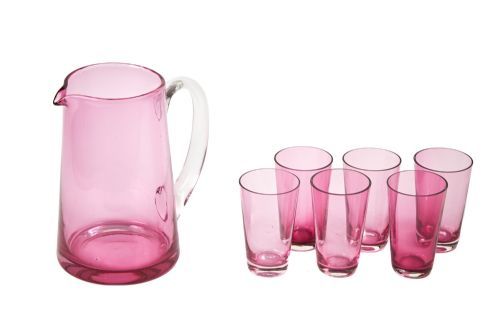
The selections on this page showcase a range of related decorative glassware, from single cream jugs to sets that include matching glasses or bowls. They embody the Victorian era and Victorian Art Glass styles, reflecting the domestic table habits of the period.
Makers and specific origins are occasionally identifiable, with pieces attributed to makers such as Webb and Son alongside broader English examples. Collectors encounter various shades of pink, most notably rich cranberry glass, alongside specialised forms like Burmese glass and satin glass.
How they were made
These items are produced using blown glass techniques, shaping molten material into fluid vessels and pitchers. The process allows for the creation of distinctive forms such as jugs, decanters, and large urns.
Victorian Pink Glass Jug Retail Price Guide 2026
Typical asking prices for victorian pink glass jug among the pieces listed under this phrase on Sellingantiques today, from the lower quarter to the upper quarter. They describe what is for sale here now, not the wider market.
Listings feature items spanning the Victorian era, specifically covering the eighteen-seventies, eighties, and nineties, alongside pieces from around nineteen hundred.
What varies in quality
Quality in these vessels is evident in the depth and consistency of the pink colouration, particularly in cranberry and Burmese glass varieties. The refinement of the blown glass form and the crispness of applied elements like white piping distinguish finer examples.
The presence of matching elements, such as glasses or bowls forming a complete set, elevates the significance of a listing. Attribution to recognised makers like Webb and Son also marks out pieces of higher distinction within the broader category.
WEBB and Son
The Victorian Pink Glass Jug Glossary
- Cranberry glass
- A rich pink or red transparent glass coloured with gold chloride during production. It is the dominant material seen in nineteenth-century jugs and tableware sets.
- Burmese glass
- A heat-sensitive art glass shading from a pale yellow to a soft pink. This material was popularized in the late nineteenth century by makers such as Webb and Son.
- Satin glass
- Art glass featuring a velvety, matte finish created by acid-etching the surface. It appears on various decorative Victorian table wares.
- Cream jug
- A small pitcher traditionally used for serving milk or cream at tea. These form a common functional subset among the available drinkware.
- Enamel
- Opaque glass paint applied to the surface of the vessel for decoration. It provides contrasting details on coloured glass bodies.
Victorian Pink Glass Jug: Frequently Asked Questions
What is a Victorian pink glass jug used for?
These vessels were originally designed for domestic table service, holding cream, water, or other liquids during meals and tea service. Today, buyers primarily use them as decorative display pieces or floral vases.
Their rich pink tones and varied forms make them striking focal points when placed on sideboards, open shelving, or dining tables.
How do I care for antique glass jugs?
Antique glass requires gentle handling and should be washed by hand in lukewarm water using mild soap. Avoid sudden temperature changes to protect the material from thermal shock.
Keep them away from direct, harsh sunlight for extended periods to preserve the stability and appearance of the coloured glass and any enamel details.
How can I tell the period of a glass jug?
Dating relies on observing manufacturing characteristics, material types such as Burmese or cranberry glass, and stylistic traits associated with the nineteenth century. Examining the pontil mark on the base can also provide clues about the blowing technique used.
Comparing the form and decorative motifs against documented Victorian designs helps narrow down the decade of production.
What is the difference between cranberry and Burmese glass?
Cranberry glass is a transparent, deep pink material coloured with gold, maintaining an even tone throughout the vessel. Burmese glass is an opaque or shaded art glass that transitions subtly from yellow to pink.
Both materials were favoured by Victorian glassmakers, but they offer distinct visual textures and light-transmitting qualities.