
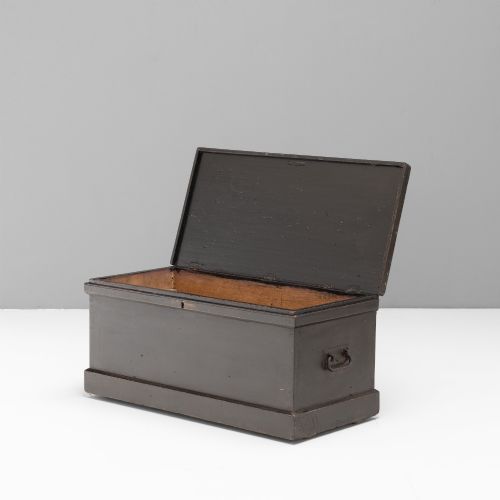
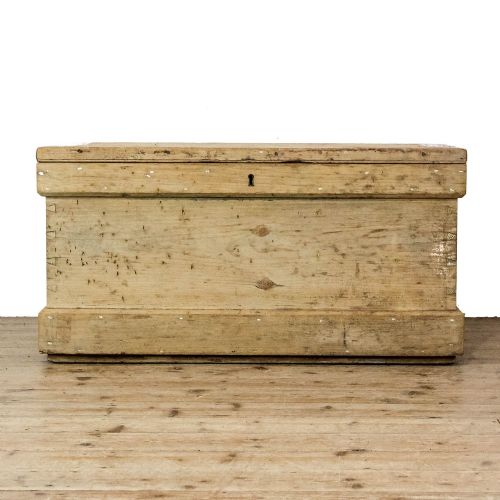
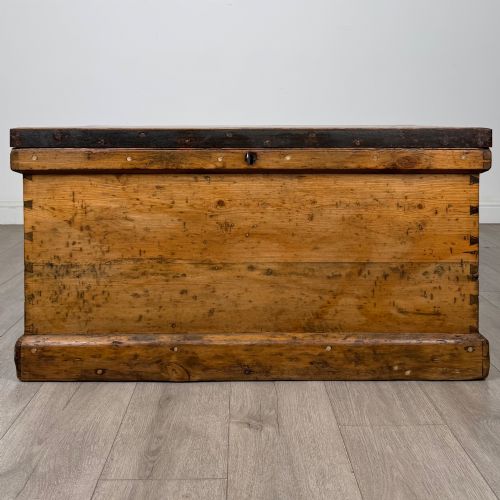

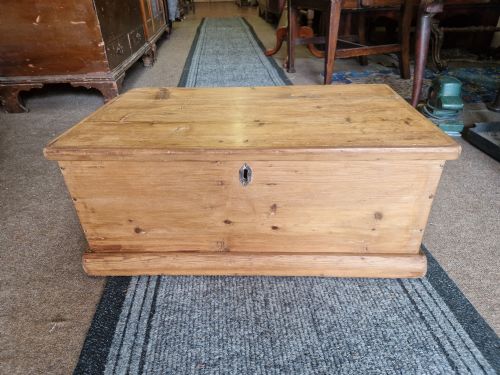



Victorian Pine Tool Chest
A victorian pine tool chest brings robust utility and honest charm to a modern room.

Victorian Pine Tool Chest
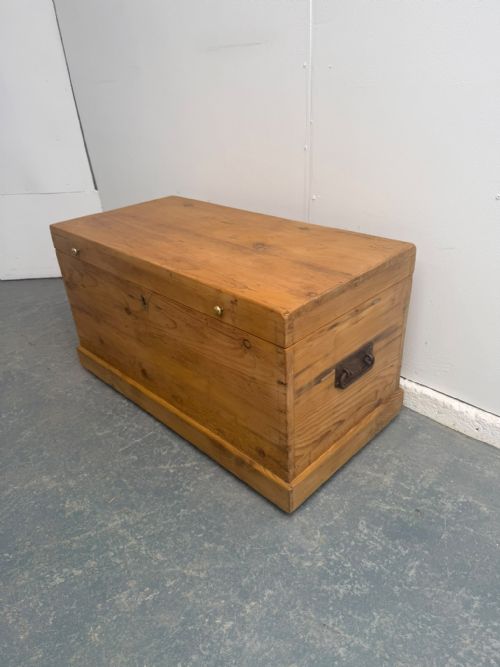
A victorian pine tool chest is a sturdy storage box designed for tradespeople, carpenters, and maritime workers during the nineteenth century. Buyers seek these pieces for their practical storage capacity and rugged aesthetic, fitting easily into contemporary hallways, bedrooms, or living spaces as coffee tables and blanket boxes.
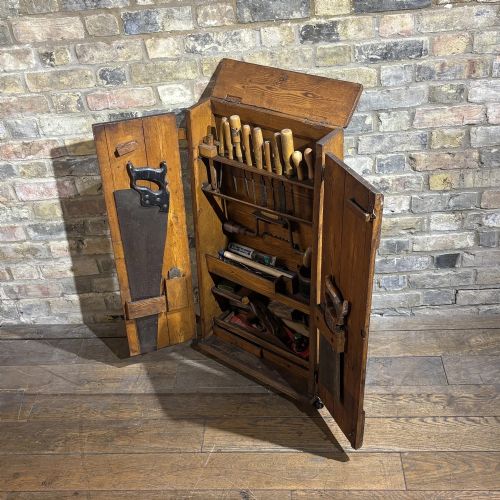
The versions most common on this page span the Victorian period and the wider nineteenth century, encompassing regional variations such as Welsh vernacular boxes and English maritime trunks. These items range from simple blanket boxes to complex portable tool cabinets featuring internal compartments.
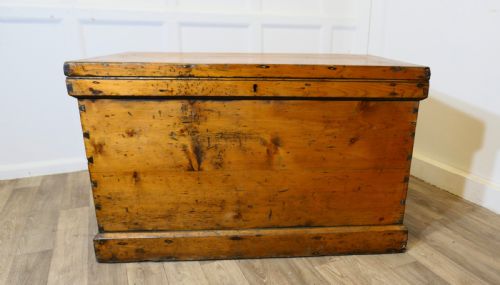
Form follows function closely in these objects, meaning the exterior often displays the knocks and marks of active working lives. Whether configured as a shipwright's trunk or an artisan's chest, each piece retains a direct connection to nineteenth-century craftsmanship.
Materials and construction
Makers constructed these chests primarily from solid pine and pitch pine, selecting the timber for its resilience and availability. Surfaces frequently show historic finishes including wax, scumble paint, or dark stains applied to protect the wood from workshop environments.
Hardware played an essential structural role, incorporating iron hinges, brass bindings, and side lifting handles designed to bear heavy loads during transit. Internal fittings often utilise secondary hardwoods like mahogany or walnut for small drawers and till compartments.
Judging quality and character
Quality in these chests rests upon the integrity of the original construction and the complexity of any internal layout. Simpler boxes rely on clean dovetail joints and solid timber thickness, whereas superior pieces feature sophisticated fitted interiors with multiple small drawers for specialised tools.
The preservation of original surface treatments distinguishes one piece from another, with untouched scumble paint or authentic waxed patination commanding greater interest. Retained working locks, keys, and robust iron or brass hardware further elevate the standing of an individual trunk.
The Victorian Pine Tool Chest Glossary
- Pitch pine
- A dense, resinous variety of pine often utilised for maritime and heavy-duty storage trunks because of its exceptional durability.
- Scumble
- A decorative painting technique used to simulate the grain of more expensive timbers or to create a mottled surface texture on pine.
- Till
- A small lidded compartment built inside a larger chest, traditionally used for holding smaller items, documents, or personal effects.
- Dovetail
- A joint formed by interlocking wedge-shaped fingers, prized for its strength in joining the corners of wooden boxes.
- Carriage chest
- A heavy-duty trunk reinforced with metal or timber bands, designed to withstand frequent travel by coach, rail, or ship.
Victorian Pine Tool Chest: Frequently Asked Questions
What were these chests used for?
Carpenters, shipwrights, and cabinet makers used these sturdy boxes to transport and store their valuable hand tools safely between jobs. The heavy wooden construction and iron hardware protected delicate implements from moisture and rough handling during transit.
Today, the same internal compartments and deep wells serve equally well for storing household blankets, board games, or everyday clutter while doubling as solid coffee tables.
How do I clean a waxed pine chest?
Dust the exterior gently with a dry, soft cloth to remove everyday particles without disturbing the underlying timber surface. Avoid modern solvent-based cleaners that can strip away the historic wax patination accumulated over generations.
Applying a traditional beeswax polish periodically helps nourish the dry nineteenth-century pine and maintains a soft, natural lustre.
Are original locks and keys common?
Many surviving chests retain their original iron or brass working locks, though keys are frequently lost over more than a century of use. Finding a box with a functioning lock and matching key adds a desirable layer of completeness for collectors.
Even without a key, the robust latches and strap hinges remain fully operational for everyday opening and closing.
How can I date a nineteenth-century chest?
Dating relies on examining construction methods, such as the scale and hand-cut precision of the dovetail joints at the corners. The choice of hardware, including wrought iron versus cast brass fittings, also provides clear clues to the manufacturing era.
Makers occasionally inscribed names, dates, or trade affiliations directly onto the timber, offering a documented history of the piece's working life.