

Victorian Pine Pew Bench
A victorian pine pew bench brings solid vernacular character and enduring utility to a hallway or kitchen.
Victorian Pine Pew Bench
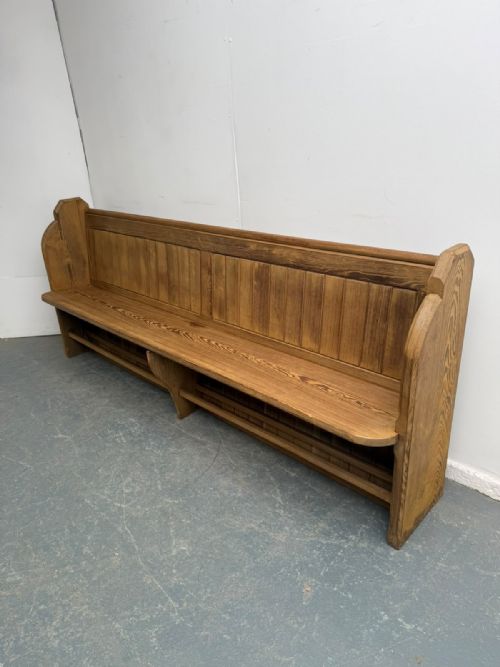
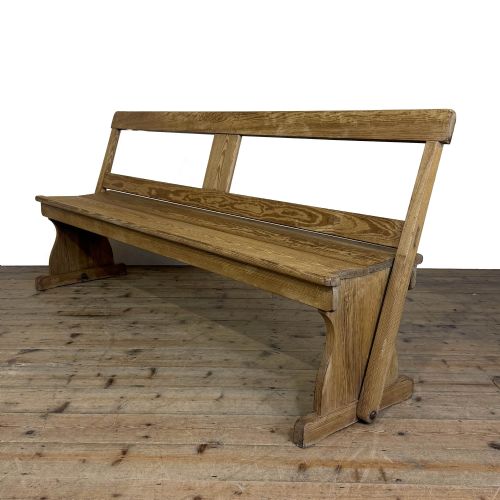
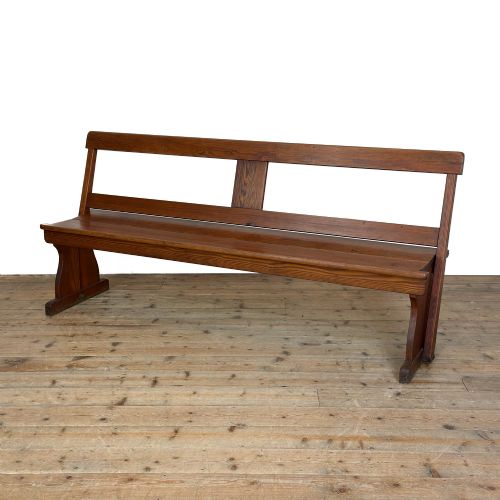
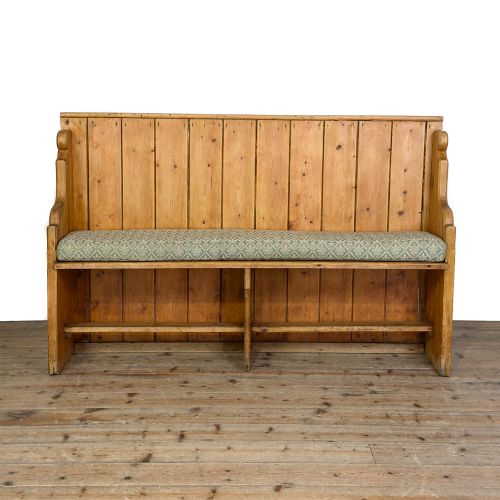
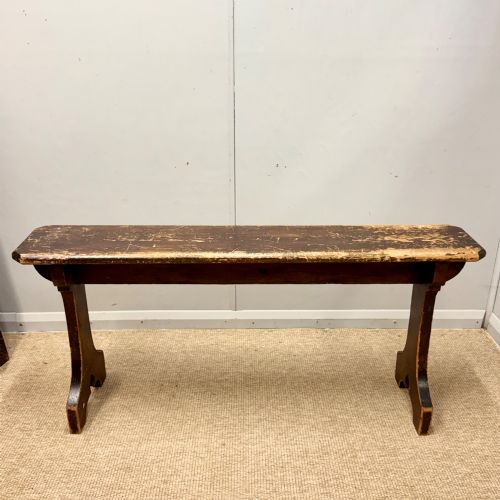
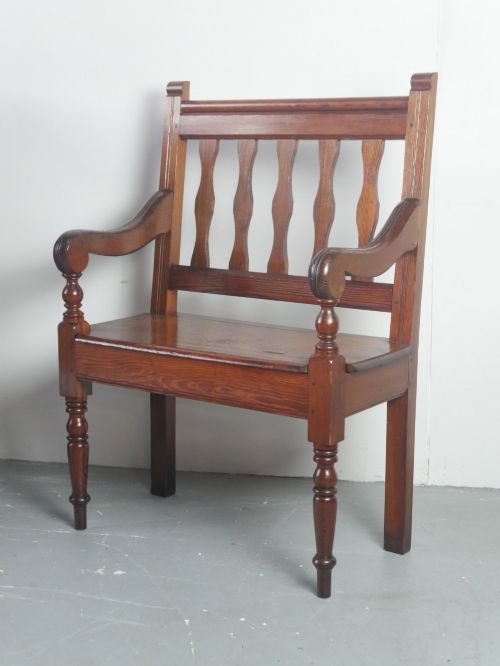
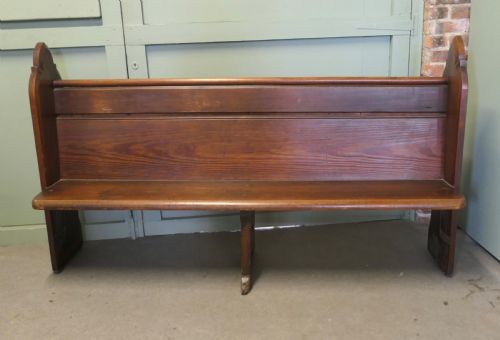
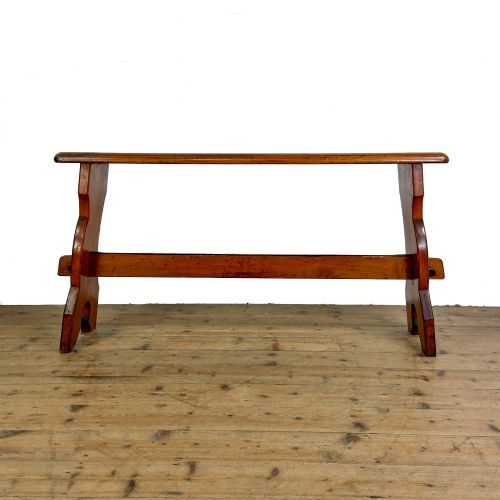
A victorian pine pew bench encompasses functional seating originating from churches, chapels, schools, and domestic settings across the nineteenth century. These items bridge ecclesiastical and utilitarian design, functioning equally as narrow hallway perches or kitchen dining seats.
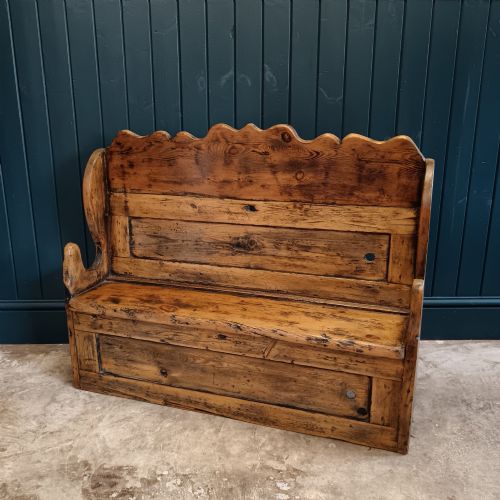
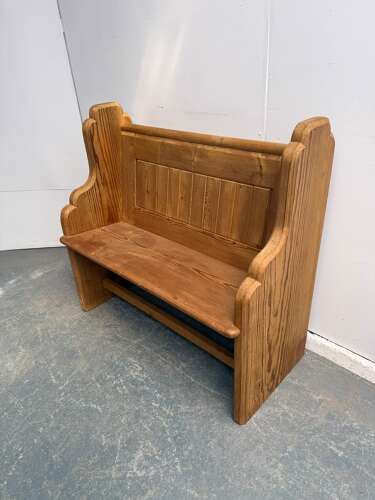
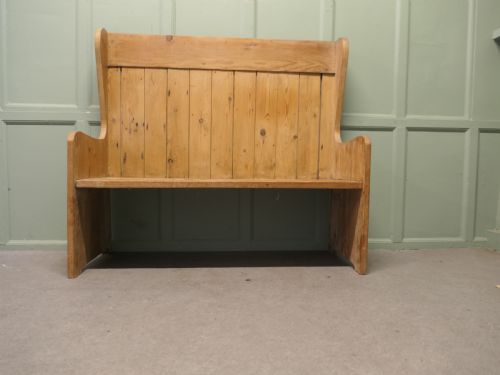
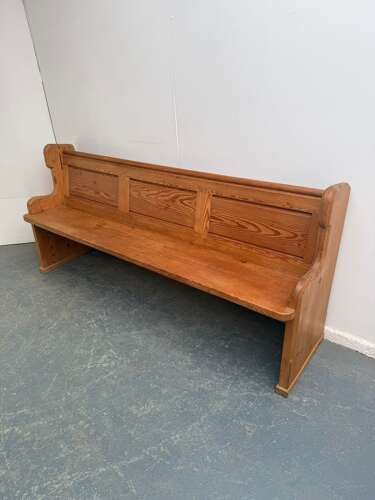
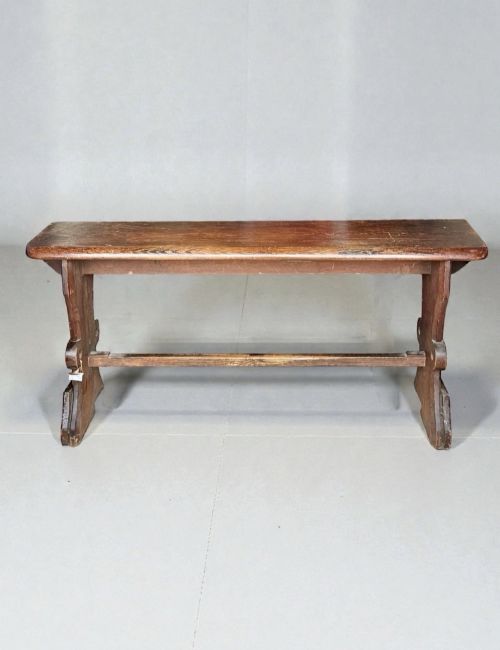
The selections span standard church pews, high-backed fireside settles, flip-over transport benches, and painted box variants. Plain pine and dense pitch pine dominate the selection, often carrying the marks of heavy institutional or rural use.
How they were made
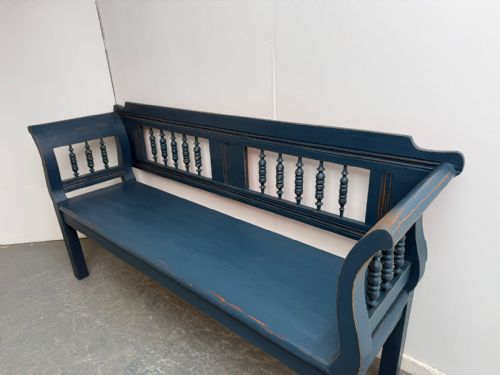
Joinery relies on solid timber construction utilising plain pine, pitch pine, and occasional secondary woods such as elm or ash. Surfaces are finished with simple wax applications, historic paint layers in blue or cream, or left in a bleached state.
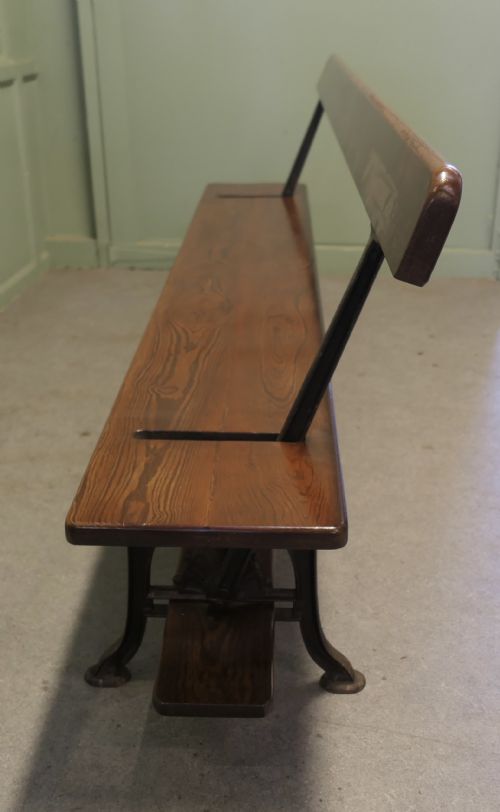
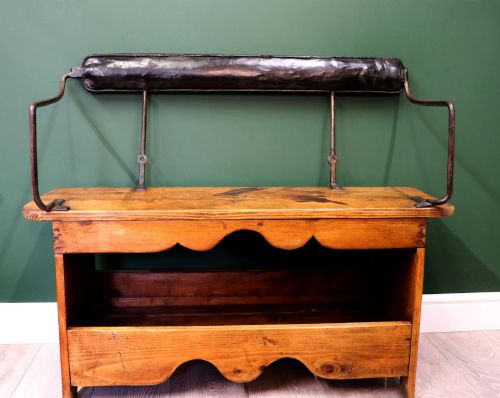
Structural reinforcement incorporates cast iron brackets and iron hardware, particularly on mechanical flip-over or reversible transport examples. Backrests often feature architectural Gothic or simple panelled framing secured directly into solid bench ends.
Victorian Pine Pew Bench Retail Price Guide 2026
Typical asking prices for victorian pine pew bench among the pieces listed under this phrase on Sellingantiques today, from the lower quarter to the upper quarter. They describe what is for sale here now, not the wider market.
Listings feature structural variations including cast iron hardware, elm inserts, and historic painted finishes in blue and cream.
What varies in quality
Proportion and length dictate utility, with shorter chapel pews and slim hallway variants commanding different placement suitability compared to ten-foot ecclesiastical benches. Original surface treatments, such as historic painted finishes or untouched waxed patinas, elevate the integrity of a piece.
The presence of structural modifications from institutional adaptations alters the original form. Pieces retaining untouched bench ends, original box storage compartments, or specific regional provenance display greater historic character.
The Victorian Pine Pew Bench Glossary
- Pitch Pine
- A dense, resinous variety of pine timber noted for prominent grain patterns and durability. It was frequently utilised for heavy-duty ecclesiastical and institutional seating.
- Settle
- A wooden bench featuring a high back to block draughts and solid arms, often incorporating a box compartment beneath the seat for storage.
- Flip-Over Bench
- A dual-directional seat with a pivoting backrest that reverses direction, commonly associated with tram, trolley bus, or railway passenger carriages.
- Box Settle
- A form of seating integrating a hinged lid on the bench base to provide enclosed storage space underneath the sitter.
- Ecclesiastical Furniture
- Items designed specifically for use within churches, chapels, and religious meeting halls, sharing robust construction methods.
Victorian Pine Pew Bench: Frequently Asked Questions
Where do people use these benches?
These benches fit naturally into narrow hallways, boot rooms, and alongside farmhouse kitchen dining tables.
Their slim profiles allow them to sit flush against walls without obstructing walkways.
How do I care for waxed pine?
Maintain the timber by applying a traditional beeswax polish sparingly and buffing with a soft cloth.
Avoid placing the seating near direct heat sources to prevent the wood from drying out.
Can I seat children on them safely?
The sturdy construction makes them robust enough for daily family use in high-traffic domestic areas.
Heavier pieces require careful positioning on level flooring to ensure absolute stability.
What is a flip-over pew?
A flip-over mechanism allows the backrest to pivot from side to side, changing the seating orientation.
This clever design originated in public transport and institutional settings where flexible seating was necessary.