
Victorian Pine Cupboard Unit
A victorian pine cupboard unit brings robust utility and vernacular charm to domestic spaces through honest timber construction.
Victorian Pine Cupboard Unit
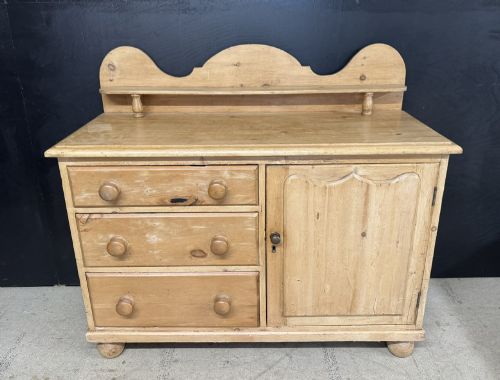
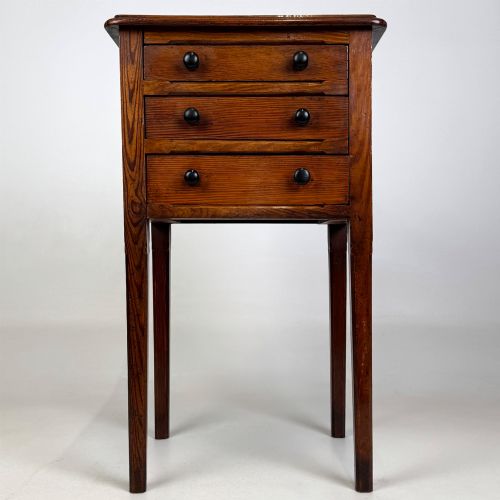
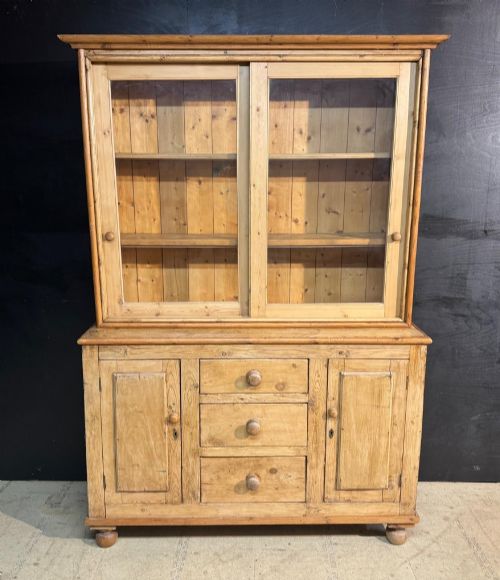
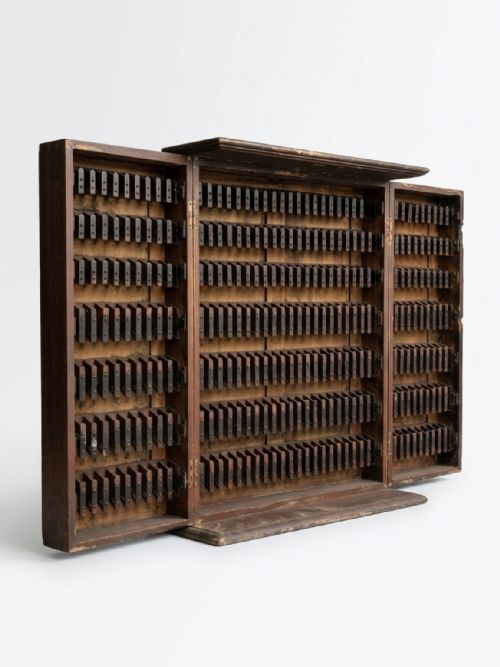
A victorian pine cupboard unit encompasses diverse storage furniture from the nineteenth century, including large larder cupboards, low wide storage units, and multi-drawer banks. These pieces stem from domestic, shop, and utilitarian contexts, reflecting the practical storage needs of the period.
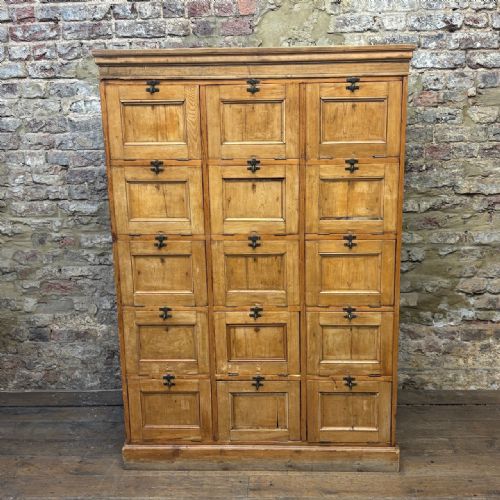
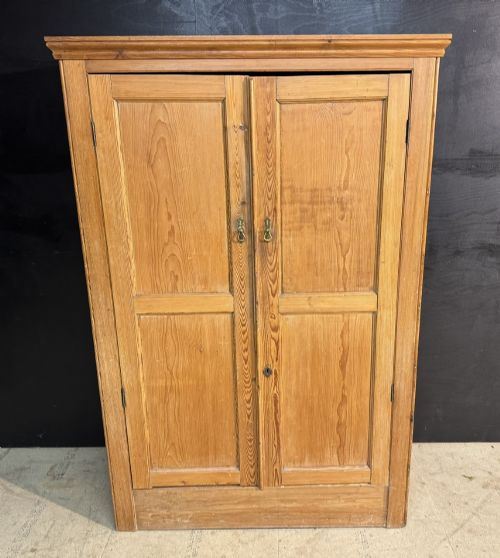
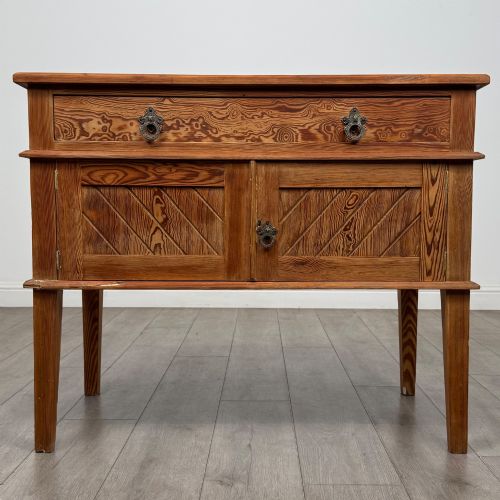
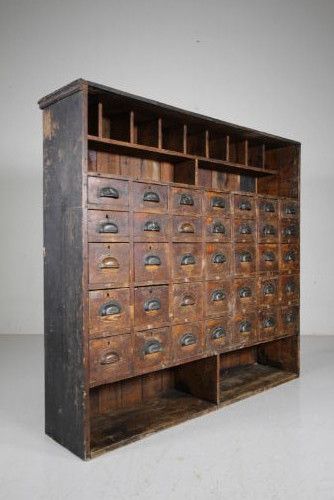
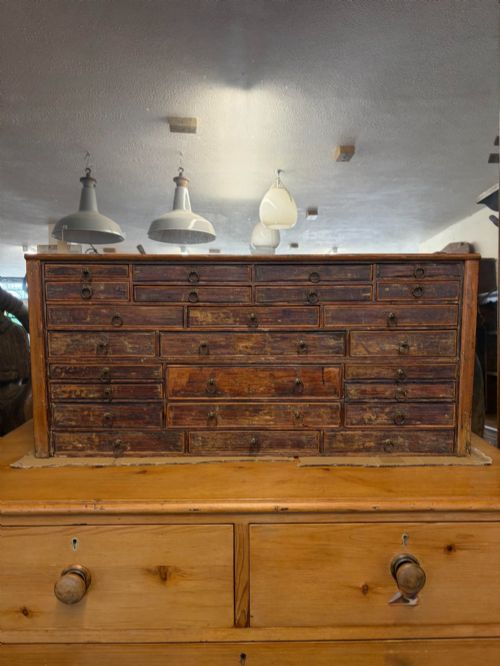
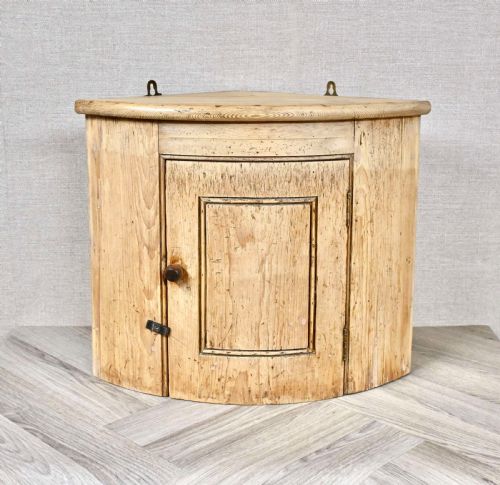
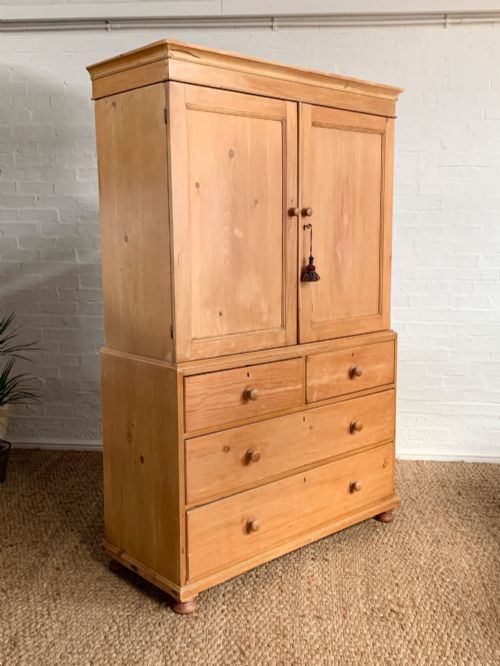
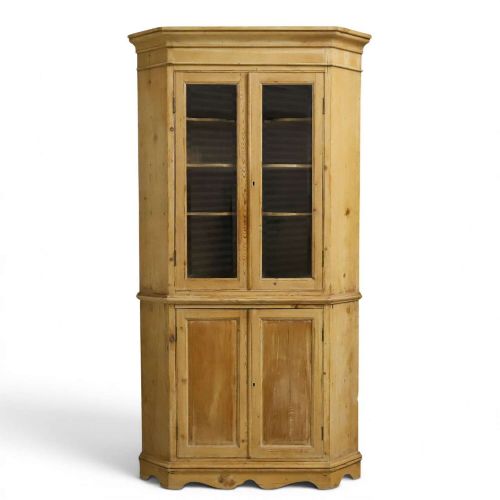
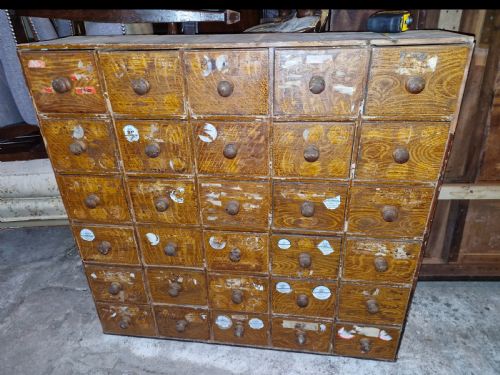
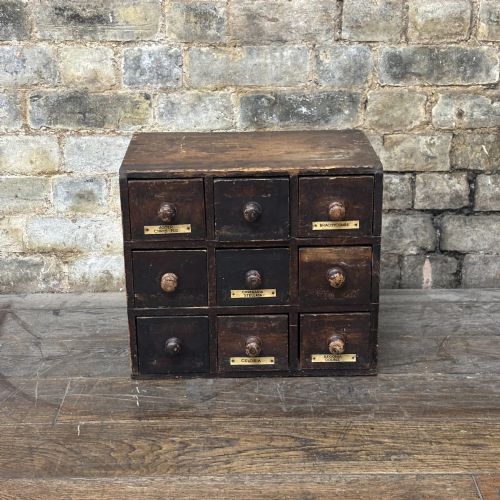
The versions most commonly met on this page are two-door storage cupboards, corner cabinets, and multi-drawer shop fittings or apothecary chests. Many originate from English and Hungarian workshops, showcasing regional joinery traditions in solid pine and pitch pine.
Buyers seek these units for heavy-duty kitchen storage, hallway organisation, or as freestanding pantry solutions. Their adaptable scale allows them to fit modern interiors while retaining authentic period character.
What varies in quality
Quality separates through the integrity of the original timber stock, the complexity of internal configurations, and the retention of original hardware like brass or iron fixtures. Denser pitch pine variants and pieces featuring intricate multi-drawer arrangements or glazed doors represent higher tiers of craftsmanship.
The preservation of original painted surfaces versus stripped finishes alters the character and desirability of individual pieces. Substantial multi-part forms and specialised utilitarian items, such as seed chests or ticket cupboards, demand finer joinery precision than standard domestic storage.
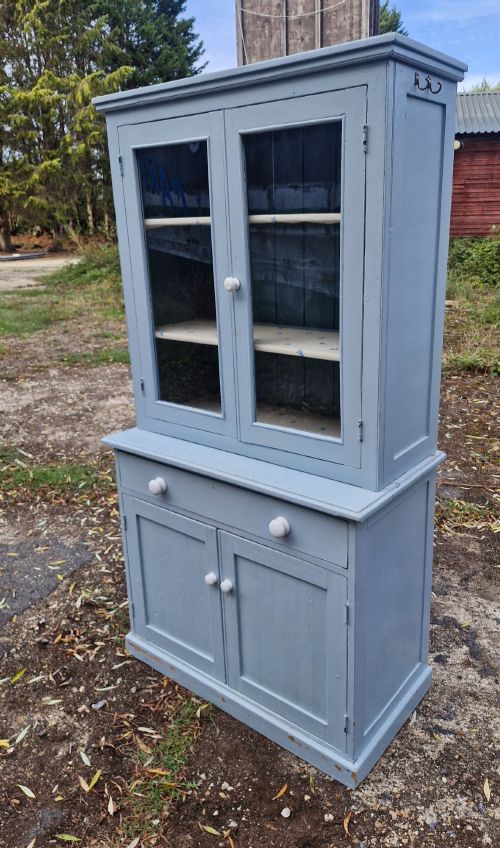
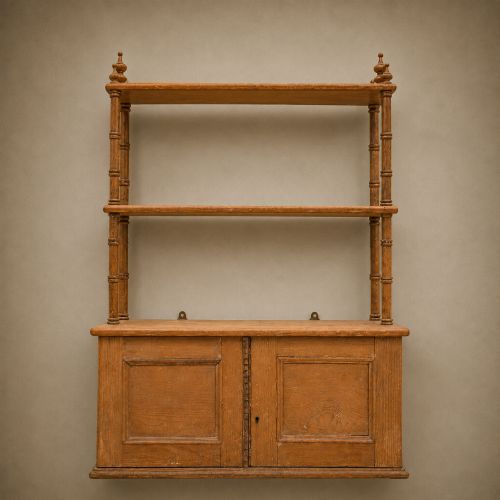
Listings feature various forms spanning the nineteenth and early twentieth centuries, including corner cabinets, larder cupboards, kitchen dressers, and extensive multi-drawer shop fittings.
Luxmore's of Ilfracombe
The Victorian Pine Cupboard Unit Glossary
- Pitch pine
- A dense, resinous softwood variety prized for its durability and prominent grain patterns, frequently utilised in nineteenth-century cabinetry.
- Fielded panel
- A wooden panel with bevelled edges designed to fit into a grooved frame, allowing the timber to expand and contract safely.
- Bank of drawers
- A large storage structure comprising numerous small or medium drawers stacked together, originally used in shops, offices, or workshops.
- Two-part form
- A piece of furniture built in two separate sections, typically a base cabinet and an upper display or shelving unit, to facilitate transport.
- Vented cupboard
- A storage unit featuring pierced metal or mesh panels intended to circulate air, historically used for food preservation.
Victorian Pine Cupboard Unit: Frequently Asked Questions
What is a victorian pine cupboard unit?
A victorian pine cupboard unit is a nineteenth-century storage piece constructed from solid timber, designed for practical domestic or commercial use. These items range from simple single-door cupboards to extensive drawer banks and corner cabinets.
Built to endure rigorous daily demands, they utilise durable pine and pitch pine materials. Their flexible forms make them popular for modern kitchen and utility storage.
How were these cupboards used originally?
Original uses varied widely depending on the specific form, encompassing pantry food storage, shop display, and administrative sorting. Larder cupboards stored provisions, while multi-drawer units held hardware, seeds, or railway tickets.
Many pieces originated in domestic kitchens, retail shops, and institutional settings. This functional background explains their sturdy construction and practical internal layouts.
Can I paint or wax these cupboards?
Many listings specify that pieces are ready to wax or paint, allowing buyers to customise the surface finish. Stripped pine accepts traditional beeswax or modern paints readily.
Some units retain original painted finishes from their working past, such as white or cream coatings. Preserving original paint adds historical character, whereas bare timber suits a natural aesthetic.
How do I identify a nineteenth-century piece?
Nineteenth-century pieces display traditional joinery methods, such as hand-cut dovetails and pegged joints, alongside period hardware made of iron or brass. The use of solid pine and heavy pitch pine is characteristic of this era.
Construction styles reflect utilitarian or country workshop origins rather than mass-produced factory methods. Examining the backboards, interior drawer construction, and wood ageing helps confirm the period.
Do these units dismantle for transport?
Certain larger pieces, such as two-part dressers and specific cupboard units, are constructed to partially dismantle for easier moving. Large bank of drawers and solid single-piece cupboards generally remain as single fixed structures.
Buyers should check individual listing details regarding construction methods. Heavy timber and large dimensions mean transport requires adequate planning.