
Victorian Pendant Necklace
A victorian pendant necklace brings together period goldwork and delicate stones to sit at the collarbone with unmistakable nineteenth-century character.
Victorian Pendant Necklace
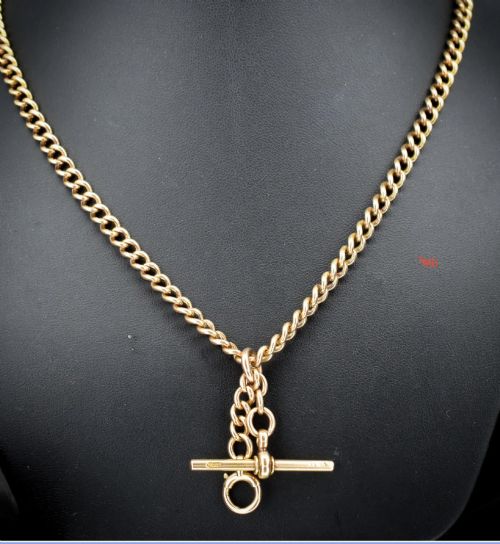
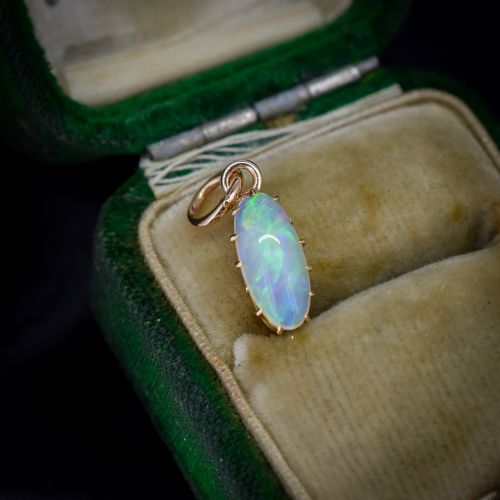
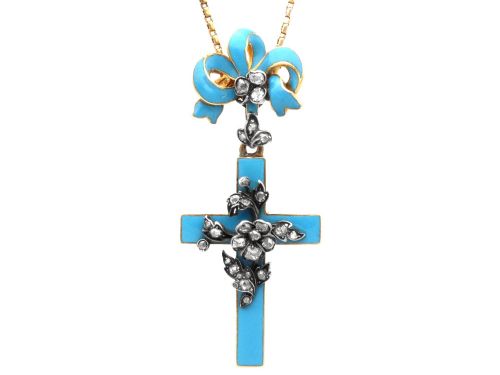
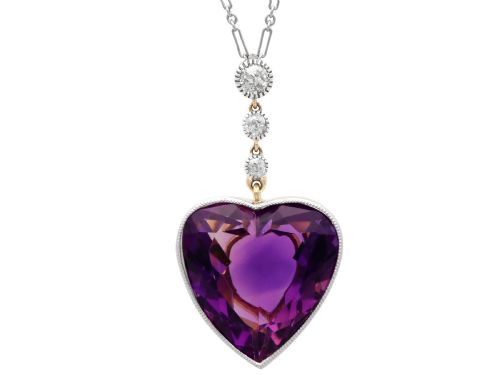
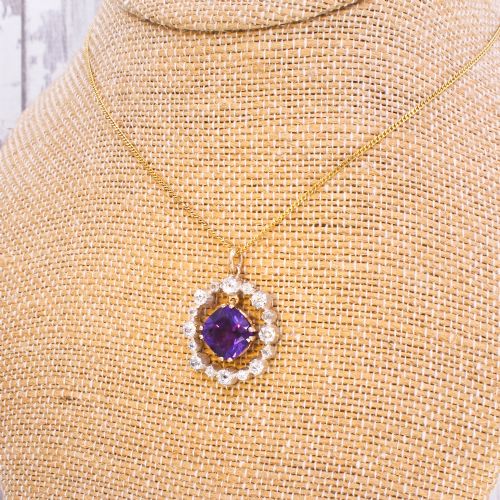
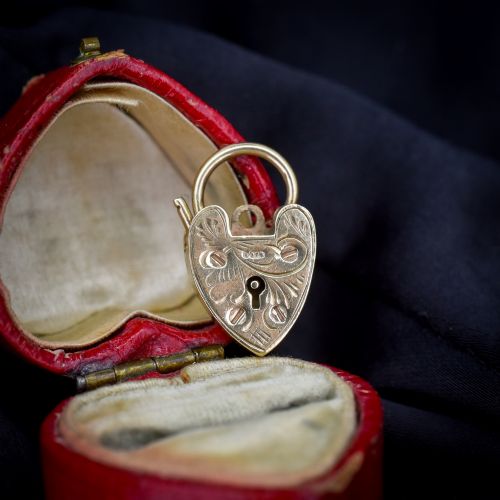
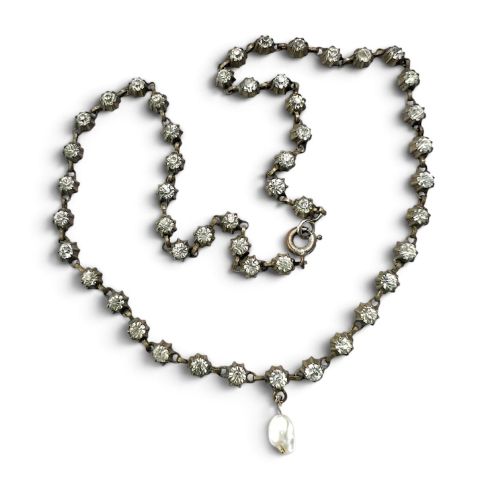
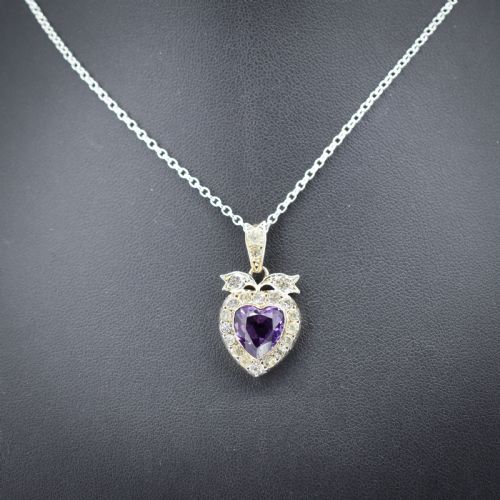
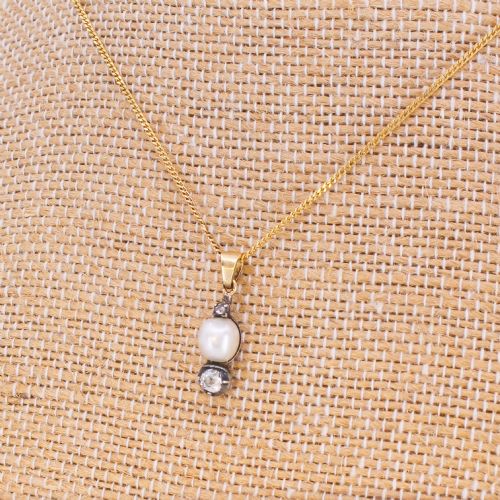
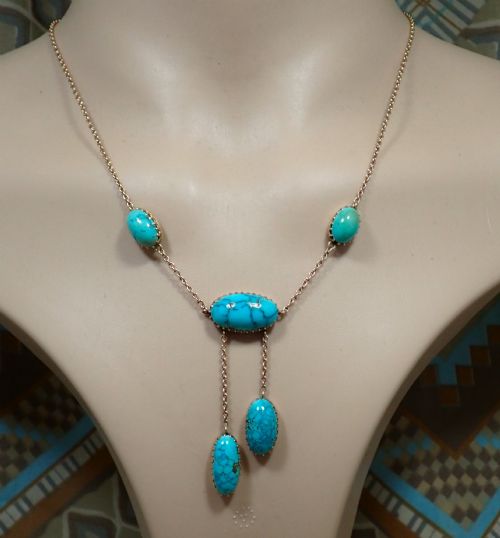
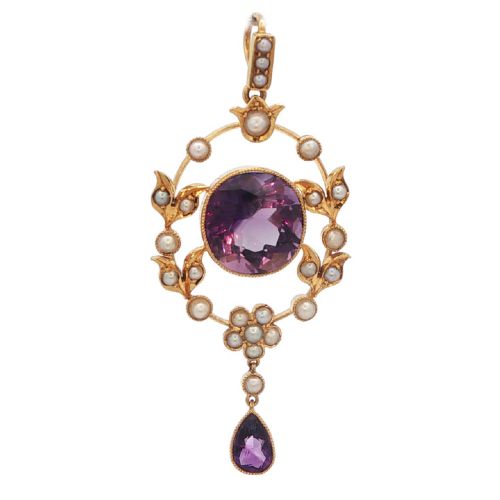
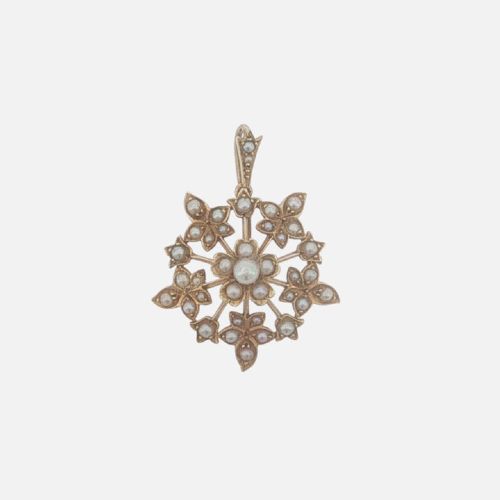
A victorian pendant necklace spans varied forms including cluster halos, crosses, heart-shaped lockets, and serpent motifs suspended from period chains. The pieces found here showcase authentic nineteenth-century and early twentieth-century origins, often grouping pearls, garnets, and amethysts within yellow or rose gold settings.
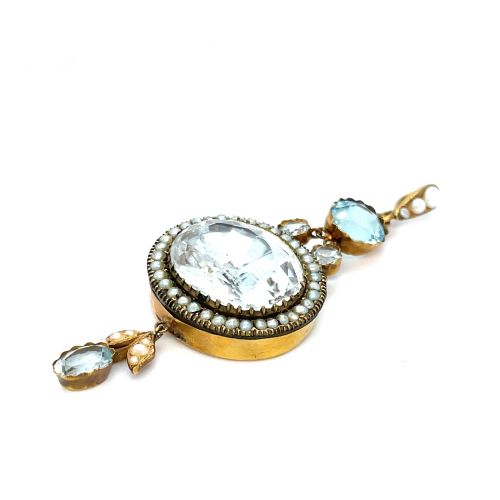
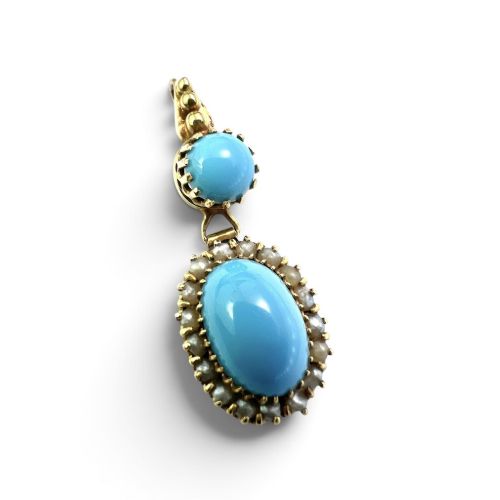
Buyers encounter designs ranging from intricate Etruscan Revival garnet work to simpler turquoise star pendants and seed pearl negligee necklaces. These items combine the pendant and its matching or associated chain, offering a complete wearable piece of antique jewellery history.
Materials and construction
Goldsmiths utilised 9ct, 14ct, 15ct, and 18ct gold alongside silver, shaping metals into engraved lockets, hollow charms, and delicate wirework settings. Gemstones including amethyst, peridot, opal, and diamond are paired with natural pearls, seed pearls, and glass paste to create depth and contrast.
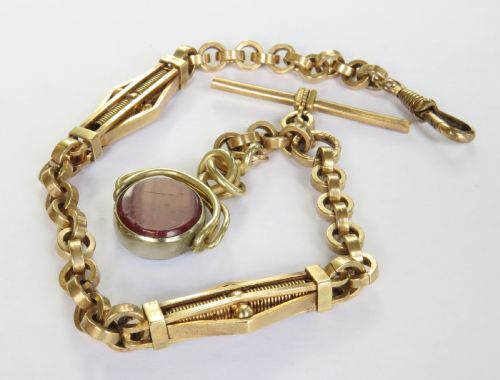
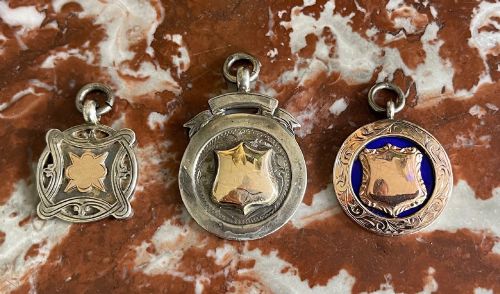
Techniques relied heavily on hand-cut stones, foil backing to enhance colour, and detailed enamel work in blue or polychrome finishes. Components such as swivel fobs, watch chains, and safety pins demonstrate the versatile multi-purpose nature of period jewellery design.
The inventory spans Victorian, Edwardian, and Arts and Crafts periods alongside Ottoman Revival and French antique styles.
Assessing quality and execution
Quality rests in the precision of the metalwork, the matching and calibre of the set gemstones, and the preservation of original elements like box clasps and safety chains. Finer examples display crisp hand-engraving, secure rub-over or claw settings, and well-matched natural pearls rather than uniform synthetic substitutes.
The sophistication of the design dictates distinction, moving from standard mass-produced stamped components to bespoke creations featuring intricate motifs like spiders, flies, or multi-tiered Holbeinesque clusters. Original condition without modern repairs or replaced stones preserves the integrity of the piece.
The Victorian Pendant Necklace Glossary
- Negligee necklace
- A necklace featuring a central drop with asymmetrical or tiered pendants suspended from a fine chain.
- Holbeinesque
- A Victorian revival style drawing on sixteenth-century German and Renaissance designs, heavy with geometric structure, enamel, and dangling pearls.
- Foil back
- A technique where coloured metallic foil is placed behind a gemstone or paste to enhance brilliance and hue.
- Watch fob
- A short chain or ornament attached to a pocket watch, frequently repurposed as a pendant charm.
- Seed pearl
- Very small, naturally occurring pearls threaded or sewn onto silk or mounted in gold clusters.
Victorian Pendant Necklace: Frequently Asked Questions
How do I wear an antique pendant safely?
Pair your pendant with a secure, period-appropriate chain and store it flat in a lined box away from hard items. Remove it before swimming, exercising, or applying lotions to protect delicate seed pearls and foil-backed stones.
Ensure the jump rings and clasps are checked periodically by a jeweller to prevent loss during wear. Gentle cleaning with a soft, dry cloth maintains the metal and stone surfaces without causing damage.
Were these necklaces worn every day?
Victorian women wore jewellery suited to specific social occasions, ranging from daytime lockets to elaborate gemstone pieces reserved for evening events. Many designs served practical functions, doubling as watch chains, brooches, or seals.
Everyday wear typically involved durable stones like garnets and heavier gold links, while delicate seed pearl necklaces were treated with greater care during social gatherings.
How can I tell the gold purity?
Look closely for stamped hallmarks or assay marks indicating the exact gold standard, such as nine carat or fifteen carat. Many pieces rely on historical testing standards or professional acid testing when stamps are absent due to wear or conversion.
Victorian gold often possesses a warmer, slightly rosier hue compared to modern alloys due to the specific proportions of copper and silver mixed with pure gold.
What is the difference between paste and gemstones?
Paste is a heavy, highly transparent type of glass hand-cut and polished to imitate genuine diamonds, amethysts, or other precious stones. It was widely used in antique jewellery for its bright optical properties and precise faceting.
Gemstones are natural minerals formed geologically, valued for their unique inclusions, natural hardness, and organic variety compared to uniform glass paste.