



Victorian Pedestal Mirror
When you search for a Victorian pedestal mirror, you are looking at substantial wood and glass pieces designed for bedrooms and dressing rooms.
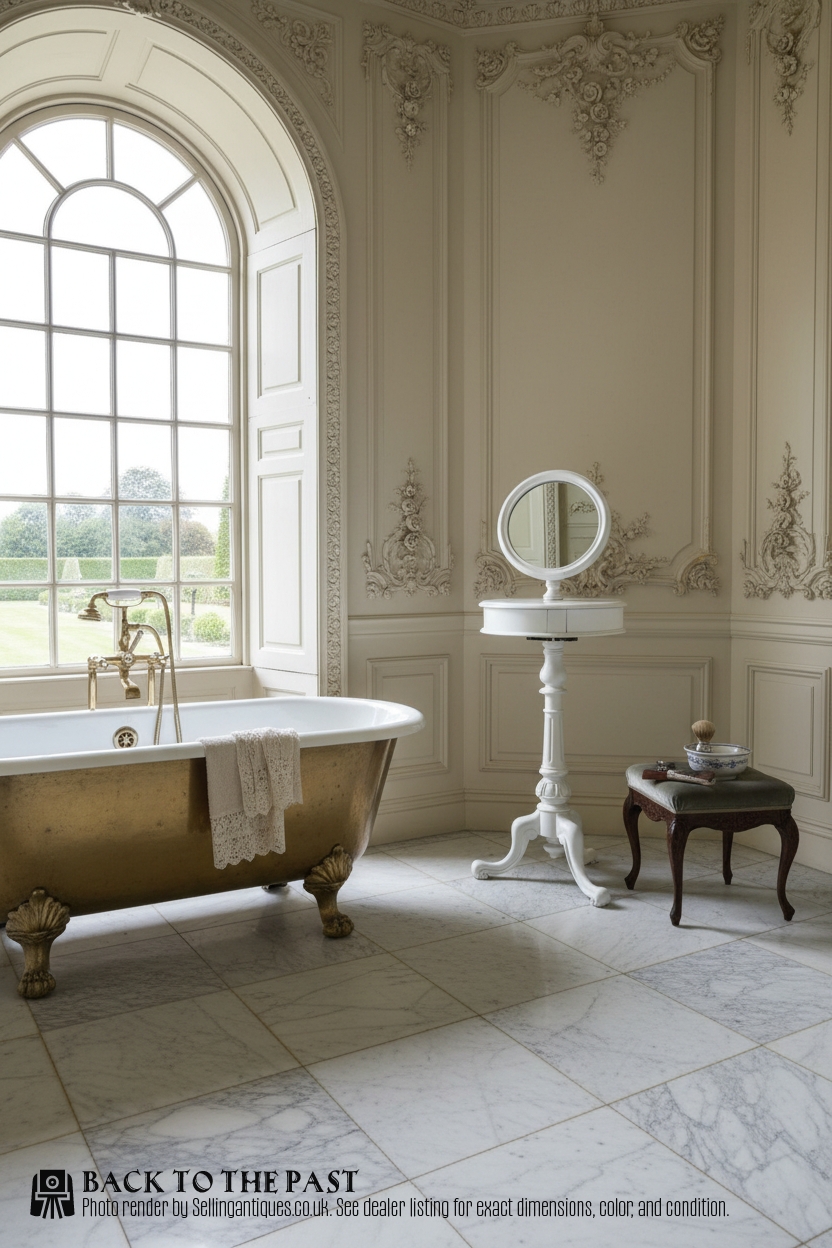
Victorian Pedestal Mirror
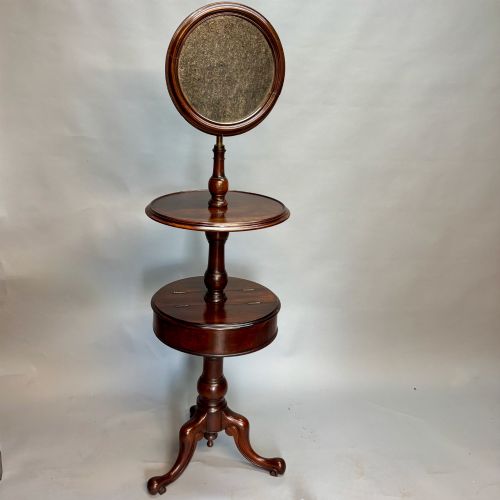
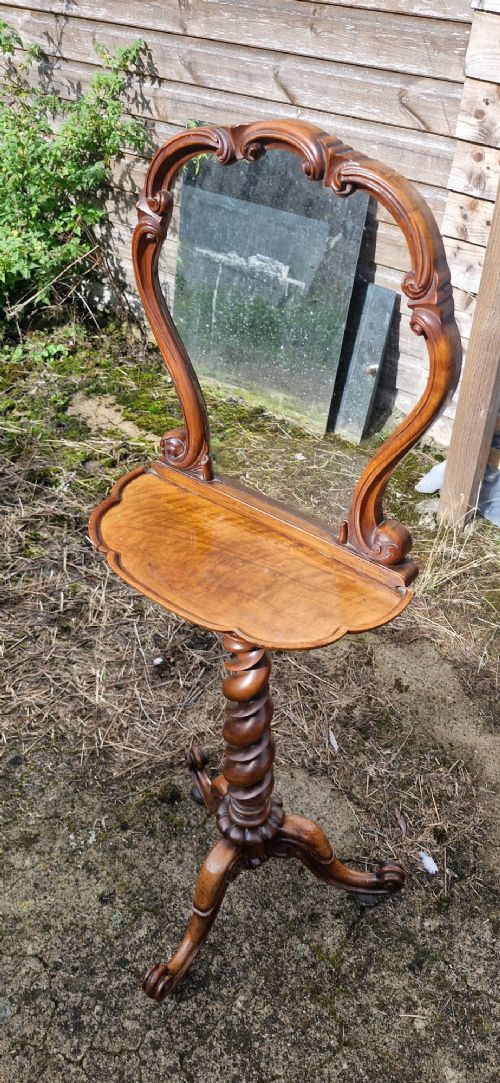
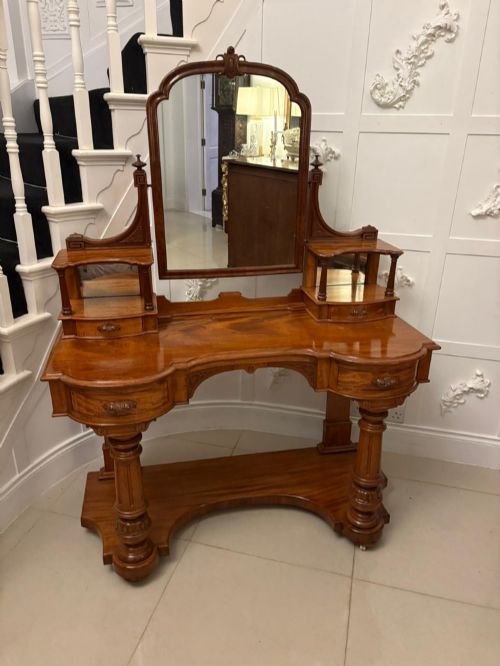
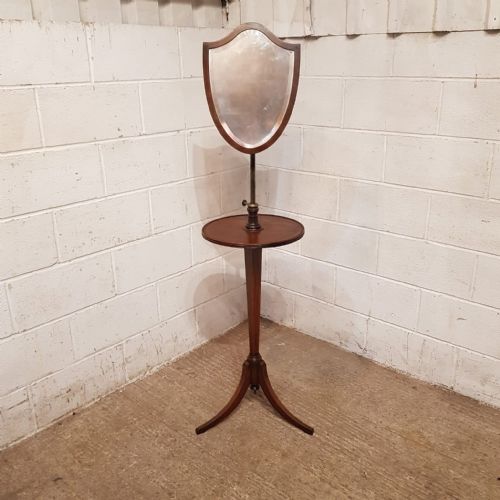
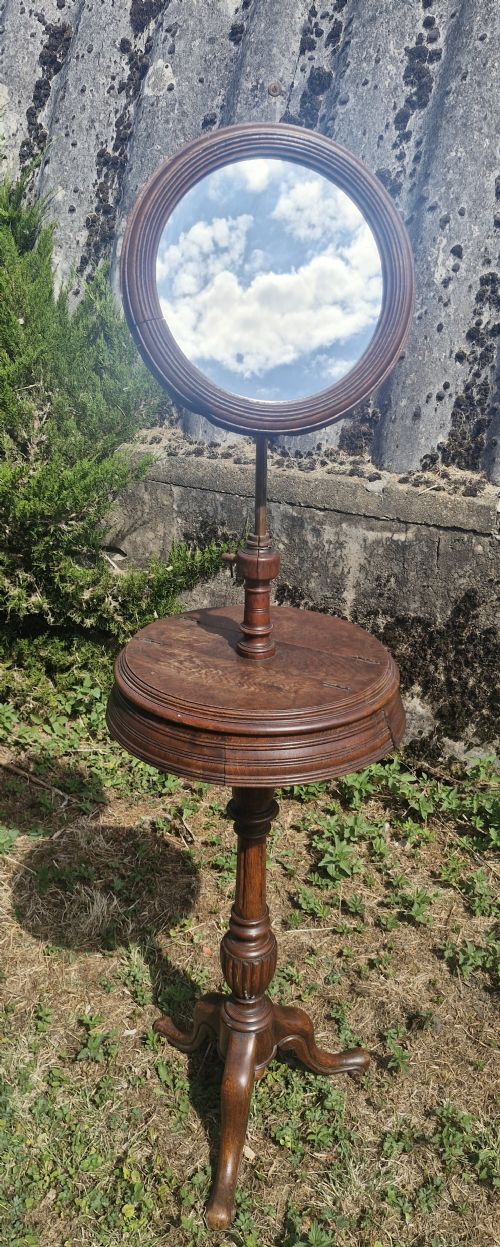
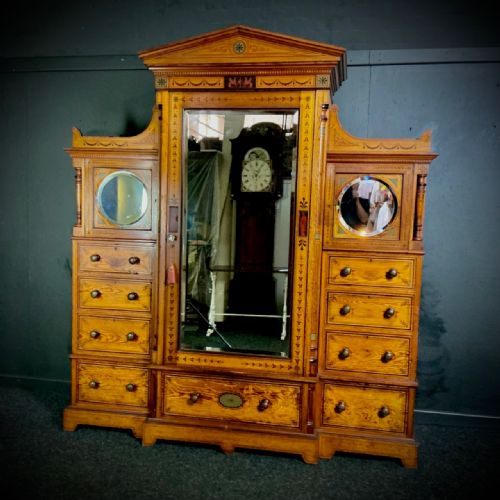
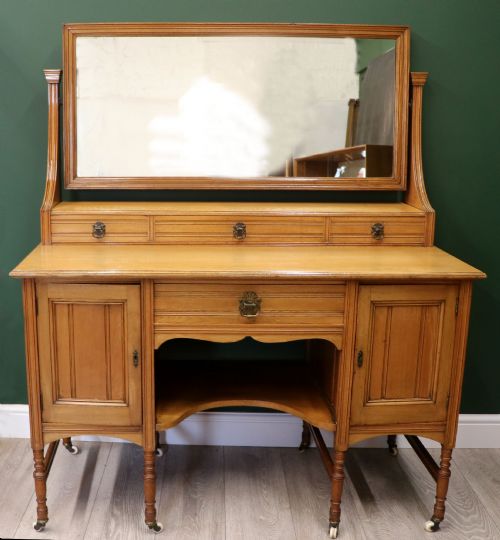
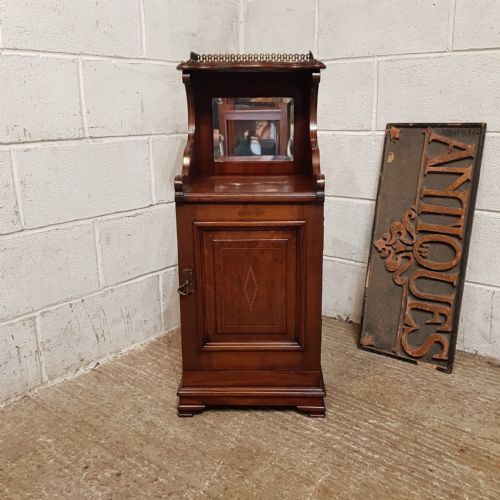
A Victorian pedestal mirror typically manifests as a dressing table, vanity, or shaving stand featuring a pivoting or adjustable glass plate mounted on a sturdy base. These pieces originate from the nineteenth century and incorporate styles ranging from plain utilitarian designs to ornate Gothic Revival and Aesthetic Movement expressions.
You will encounter dressing tables and shaving stands most frequently on this page, often built from mahogany, walnut, or oak. The mirrors themselves are secured by upright supports or pedestals, allowing users to adjust the angle of the glass for grooming and dressing.
Materials and Construction
Cabinet makers utilised dense hardwoods such as mahogany, walnut, and oak to construct the frames and pedestal bases, frequently employing burr veneers or flame mahogany to create decorative grain patterns. Brass fittings secure the pivoting mirrors, while glass provides the reflective surface.
Construction techniques include solid timber framing, dovetail joinery in drawers, and turned wooden supports for the mirror glass. Marquetry inlay, carving, and painted decoration appear on select examples from the period.
Some gentlemen required a tripod stand for their morning shave, proving that even a mirror needs good legs.
Distinctions in Quality
The choice of timber and veneer determines the baseline quality, with figured walnut, burr veneers, and satinwood representing finer production than plain pine or standard oak. Carved detailing and the presence of marquetry inlay distinguish bespoke cabinet work from simpler workshop output.
The integrity of the mirror glass and the mechanical action of the adjustable pivots influence overall worth. Original glass surfaces, robust brass mechanisms, and intact stencilled or inlaid decoration separate standard utility pieces from high Victorian examples.
Edwards & Roberts·John Taylor of Edinburgh
The Victorian Pedestal Mirror Glossary
- Pedestal
- A foundational base or upright support holding a table, cabinet, or mirror glass. In these pieces, pedestals often contain drawers or form the side columns of a dressing table.
- Shaving Stand
- A specialised piece of furniture incorporating an adjustable mirror and a compact table surface, historically used by gentlemen for morning grooming. They frequently include small cupboards or drawers for shaving tackle.
- Dressing Table
- A low table fitted with drawers and a mirror, designed for sitting or standing whilst attending to one's toilet. Pedestal variants feature banks of drawers flanking a central kneehole.
- Gothic Revival
- A nineteenth-century design style drawing inspiration from medieval architecture, identifiable by pointed arches, heavy tracery, and carved woodwork. This aesthetic appears on select oak and mahogany pieces.
- Aesthetic Movement
- A late nineteenth-century design current emphasising visual beauty over narrative meaning, often featuring simplified forms, ebonised finishes, and inlaid decoration.
Victorian Pedestal Mirror: Frequently Asked Questions
How do I use a pedestal mirror safely?
Position the piece on a level floor away from direct sunlight to protect the wood finish and the antique mirror glass. Ensure the supporting pivots are gently tightened so the glass holds its angle without straining the uprights.
Take care when adjusting the mirror plate, supporting the frame with one hand while loosening the brass screws with the other. Regular dusting with a dry cloth keeps the timber and glass clean.
What is the difference between a dressing table and a shaving stand?
A dressing table is wider, featuring a large mirror and multiple drawers designed for full personal grooming and storage. A shaving stand is more compact, built specifically for close-up standing use with a smaller adjustable mirror.
Shaving stands often include specialised compartments for basins or shaving cups, whereas dressing tables focus on surface area and kneehole clearance.
How do I date a Victorian mirror?
Examine the construction methods, timber choices, and decorative style to narrow down the decade of manufacture. Early examples often feature simpler mahogany frames, while high Victorian pieces showcase elaborate carving or burr walnut veneers.
Later Victorian and transitional pieces from the end of the century incorporate lighter woods like satinwood or stencilled decoration, reflecting shifting aesthetic preferences.