
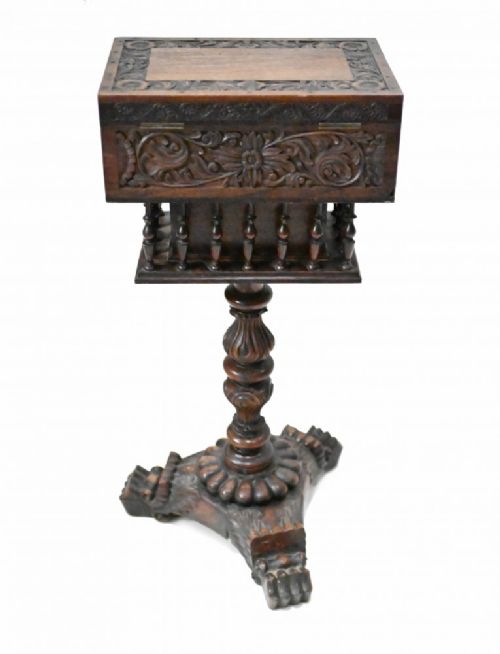


Victorian Pedestal Chests
Victorian pedestal chests are compact, practical storage pieces designed for the bedroom, offering substantial character in a small footprint.
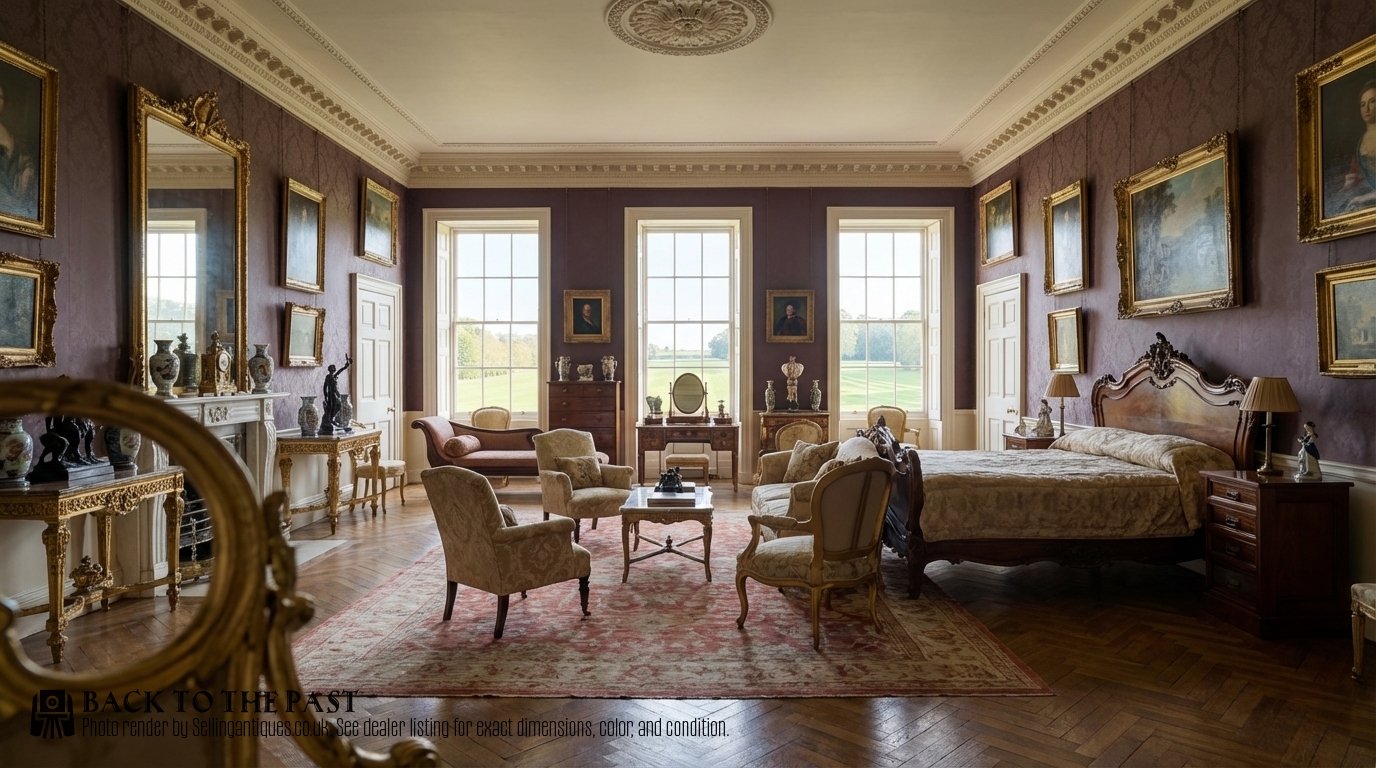
Victorian Pedestal Chests
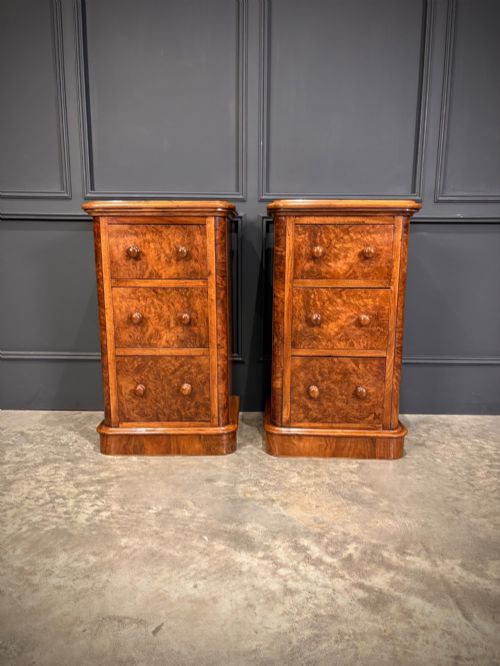
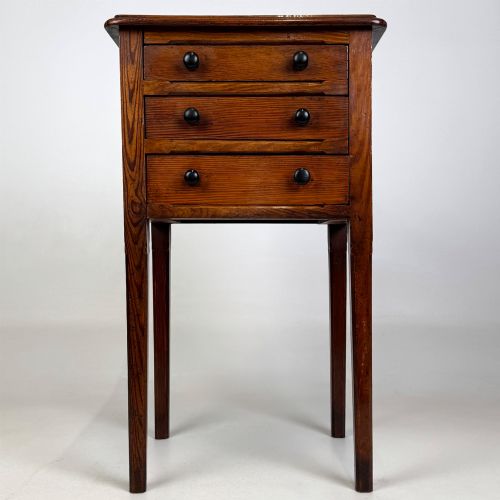
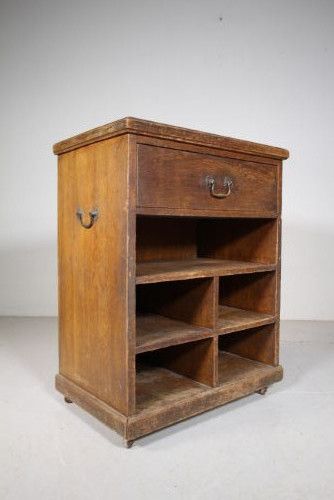
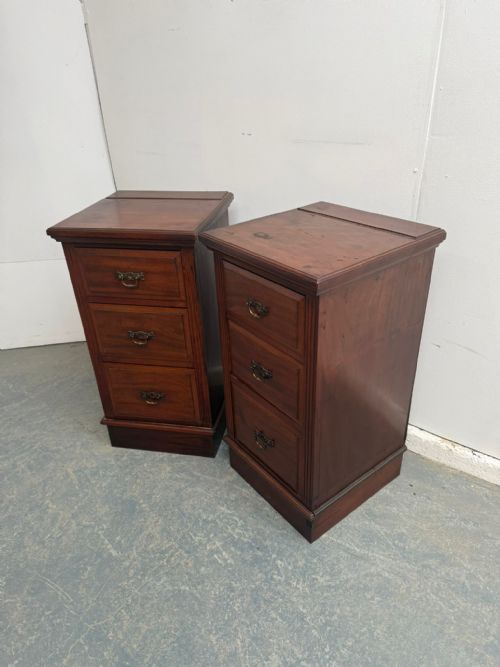
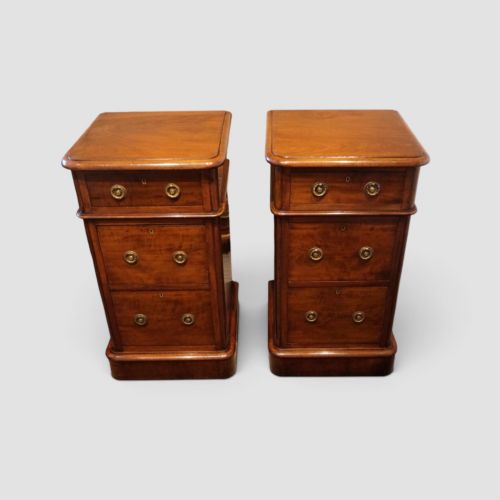
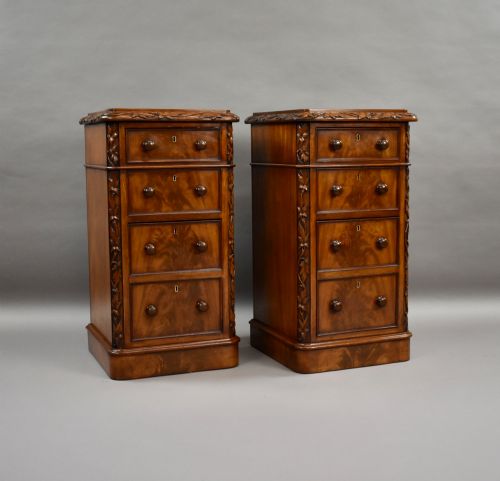
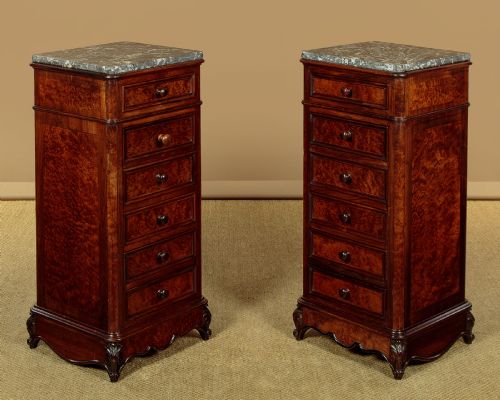
Victorian pedestal chests represent sturdy, upright storage forms primarily used beside beds or within dressing arrangements. Buyers hunting for victorian pedestal chests frequently encounter mahogany and walnut timbers fashioned into single-pedestal lockers or matching pairs.
The evidence spans the nineteenth century, including specific dates from eighteen hundred through to eighteen ninety, alongside Edwardian examples. Bedside chests and cabinets dominate the offerings, often appearing alongside related forms such as dressing tables and teapoys.
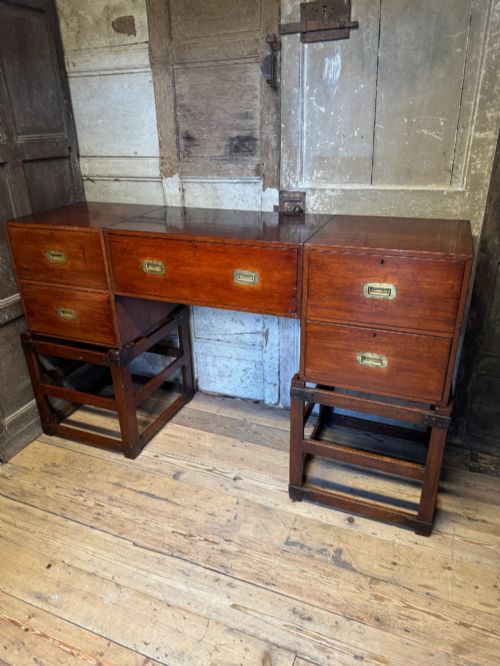
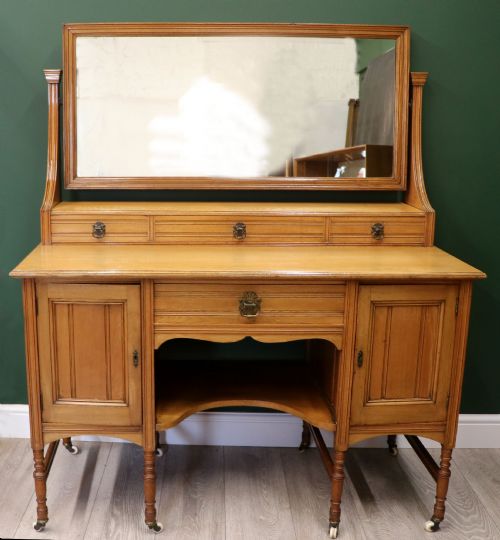
Design vocabulary stretches beyond standard Victorian pieces into William IV, Regency, Aesthetic Movement, and Gothic Revival styles. Anglo-Indian and colonial influences also surface, bringing varied timbers like padouk into the selection.
Materials and construction methods
Cabinetmakers utilised dense hardwoods including mahogany, walnut, burr walnut, and rosewood for primary surfaces, frequently accentuating grain patterns. Pine and satin birch appear as secondary timbers for interior drawer construction.
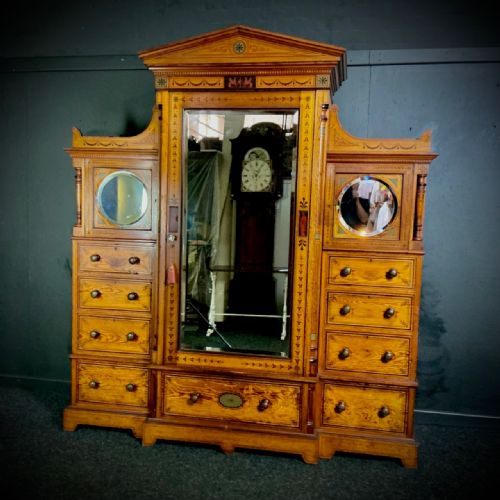
Decorative techniques involve marquetry inlay, brass hardware fittings, and glass accents, alongside carved details seen on colonial and Gothic revival pieces. Waxed and polished finishes protect the timber while highlighting natural figures.
The evidence shows extensive use of mahogany, walnut, and rosewood across the nineteenth century, alongside rarer examples in satinwood and padouk.
Distinctions in construction and design
Superior examples demonstrate meticulous timber selection, particularly in matched burr walnut or figured mahogany veneers applied to carcases. Finer pieces display refined proportions and integrated decorative elements such as precise marquetry inlay.
The integrity of secondary timbers and interior drawer joints indicates workshop standard. Cabinets retaining original hardware and consistent surface patination hold distinct advantages over heavily restored alternatives.
Edwards and Roberts·Maple
The Victorian Pedestal Chests Glossary
- Pedestal chest
- A tall, narrow chest of drawers designed to stand on the floor with a compact footprint. These pieces often feature multiple small drawers stacked vertically.
- Marquetry
- Decorative veneer work forming pictures or geometric patterns using various woods. Craftsmen assemble thin slices of contrasting timber into elaborate designs on drawer fronts or tops.
- Teapoy
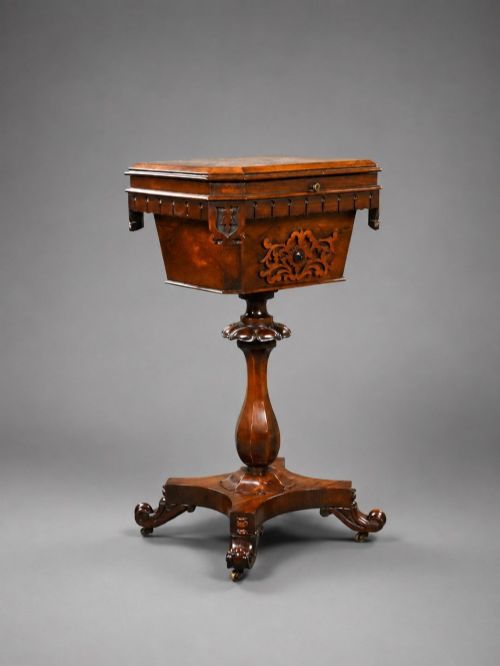
- A small table or box on a central pillar used originally for storing tea. Victorian iterations frequently double as decorative occasional pieces with internal compartments.
- Secondary timber
- Wood used for internal or unseen parts of furniture such as drawer linings and backboards. Pine and oak commonly serve this purpose in nineteenth-century cabinetmaking.
- Wellington chest
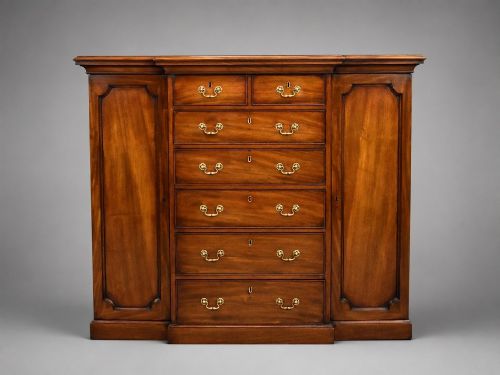
- A tall, narrow chest secured by a hinged locking stile that fastens over the drawer edges. This specific form provides secure storage for papers or valuables.
Victorian Pedestal Chests: Frequently Asked Questions
What is a pedestal chest?
A pedestal chest is a tall, narrow storage unit featuring multiple stacked drawers within a single vertical carcase. It provides efficient storage where floor space is limited.
Cabinetmakers built these pieces in various timbers, making them adaptable for use beside beds or within dressing spaces.
How do I date a Victorian chest?
Dating relies on timber choice, construction methods, and stylistic cues recorded across the nineteenth century. Earlier pieces often utilise solid mahogany, while later decades favour burr walnut and applied marquetry.
Secondary woods inside drawers and hardware styles also offer reliable clues to the decade of manufacture.
Where should I place a bedside chest?
These compact chests suit placement beside a bed to hold nighttime necessities while introducing period character to a room. Their vertical proportions maximise storage without crowding bedside floor space.
They also function effectively as lamp stands or pot cupboards in hallways and sitting rooms.
Are pairs common for these chests?
Matching pairs frequently appear in nineteenth-century bedroom furniture, particularly for bedside use. Cabinetmakers often constructed twin cabinets or chests to flank a bed symmetrically.
Finding a matched pair remains a notable advantage for furnishing balanced bedroom layouts.