


Victorian Pearl Bracelet
When you handle a Victorian pearl bracelet, you hold a piece of nineteenth-century craftsmanship designed to wrap the wrist in delicate organic lustre and enduring gold.
Victorian Pearl Bracelet
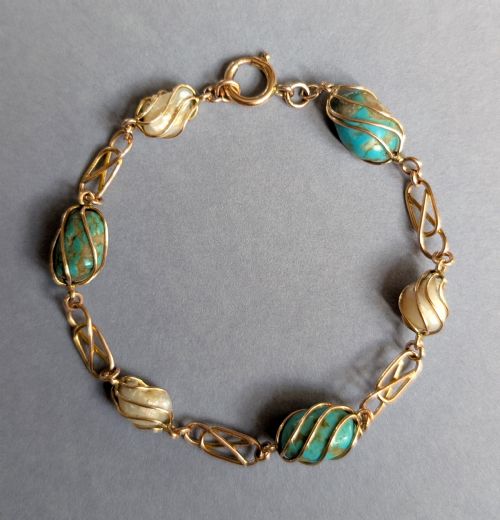
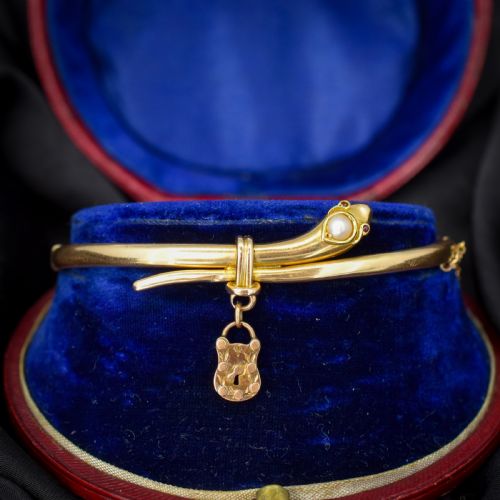
A victorian pearl bracelet combines natural or seed pearls with gold links, padlocks, or hinged bangle forms characteristic of the nineteenth century. These ornaments frequently incorporate symbolic motifs such as hearts, lovers' knots, and serpents alongside turquoise, diamonds, or coloured gemstones.
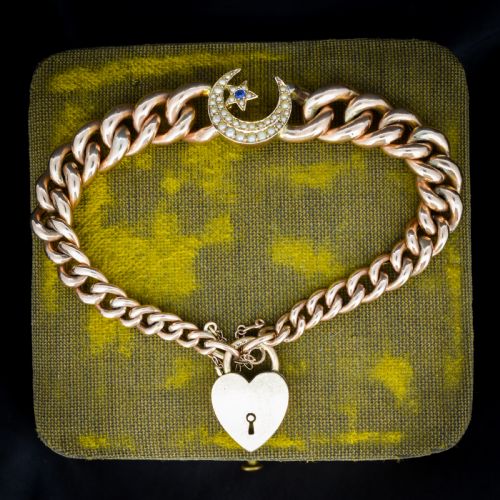
Buyers will most commonly encounter curb link, gate link, and solid hinged bangles fashioned from nine-carat or fifteen-carat gold. Many surviving examples date from the Victorian and Edwardian eras, reflecting periods of romantic sentiment and meticulous metalwork.
How they were made
Goldsmiths utilised nine-carat, fifteen-carat, and eighteen-carat yellow and rose gold to construct hollow or solid links, clasps, and rigid bangle hoops. Metal components were often hand-chased, twisted into rope patterns, or shaped into intricate mesh and gate link configurations.
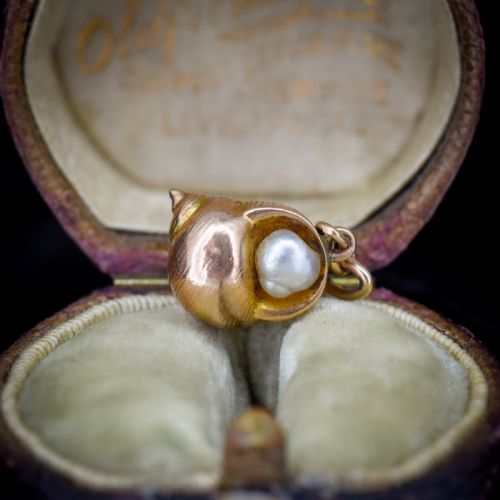
Seed pearls and larger natural pearls were secured using fine wire, pegs, or closed settings, frequently paired with cabochon turquoise, rubies, or diamonds. Enamel work and secure heart padlock clasps provided both functional fastening and decorative detail.
The listings show materials spanning seed pearls, turquoise, and nine-carat to eighteen-carat gold across Victorian and Edwardian periods.
What varies in quality
The integrity of the goldwork and the matching of the pearls distinguish finer examples from standard production. Superior pieces display even pearl alignment, secure peg or bezel settings, and substantial gold weight without excessive thinning.
The complexity of the link design and the inclusion of secondary gems such as diamonds, rubies, or high-grade turquoise elevate the stature of an ornament. Original fitted boxes and intact safety chains also contribute to the distinction of an artefact.
The Victorian Pearl Bracelet Glossary
- Seed pearl
- A very small, naturally formed pearl, often round or slightly irregular, used in clusters or pavé arrangements on nineteenth-century jewellery. These tiny gems provide a delicate, shimmering texture distinct from larger cultured specimens.
- Gate link
- A style of linked bracelet formed from parallel bars connected by small vertical metal links, resembling a decorative gate. This construction creates a flexible, tactile band popular during the Victorian period.
- Padlock clasp
- A functional heart-shaped or rectangular lock mechanism used as a secure fastening on curb and charm bracelets. In Victorian design, the padlock often symbolized locked affection.
- Bangle
- A rigid solid or hollow circular bracelet that slips over the hand or opens on a hinge with a clasp. Victorian bangles frequently feature chased decoration or mounted gemstone clusters.
- Lovers knot
- A decorative motif formed by intertwining two threads or strips of gold into a permanent knot. This symbol represents binding affection and loyalty in antique jewellery.
Victorian Pearl Bracelet: Frequently Asked Questions
How do I care for a Victorian pearl bracelet?
Pearls are organic gems that require gentle handling, protection from harsh chemicals, and separate storage to avoid scratching the nacre. Wipe the pearls with a soft cloth after wearing and keep them away from ultrasonic cleaners.
Inspect the gold links and settings periodically to ensure the pearls remain firmly anchored. Professional cleaning is rarely necessary if you maintain basic hygiene and storage practices.
Can I wear a Victorian pearl bracelet daily?
While these bracelets were built to adorn the wrist, nineteenth-century pieces require mindful wear due to their age and delicate seed pearl settings. Avoid wearing them during physical labour, swimming, or sleeping.
Choosing occasional wear for social settings helps preserve the integrity of the gold links and keeps the delicate pearl mountings secure for future generations.
What gold purity should I expect to find?
Victorian and Edwardian bracelets commonly feature nine-carat or fifteen-carat gold, alongside occasional eighteen-carat pieces. Rose gold and yellow gold are both prevalent across the inventory, reflecting period preferences.
Markings can vary from clear hallmarks to rubbed stamps or unmarked gold tested by weight and acid, which is typical for antique pieces of this era.
How can I tell a Victorian pearl from a modern one?
Antique seed pearls typically display slight irregularities in shape, subtle variations in lustre, and historical mounting techniques like closed-back settings or fine wire work. They lack the absolute uniformity found in modern mass-produced cultured pearls.
Examining the surrounding metalwork, clasp style, and overall construction provides further context for dating the piece alongside the pearls themselves.