
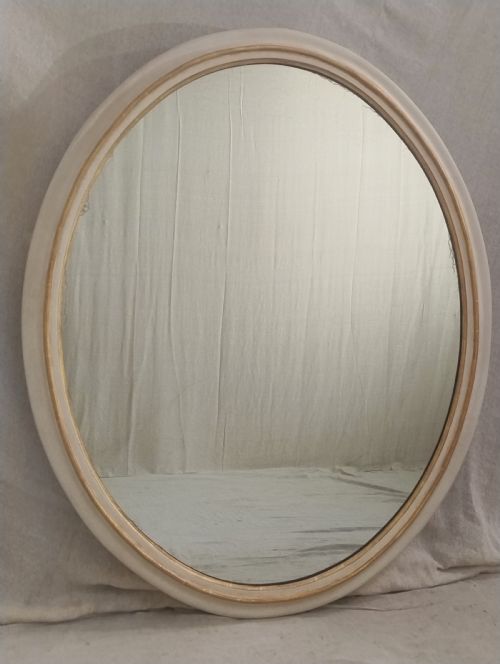
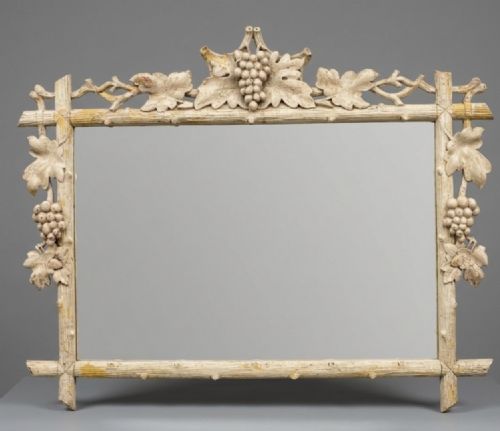


Victorian Painted Wall Mirror
A victorian painted wall mirror brings depth and historic character to a room through layered finishes and carved detail.
Victorian Painted Wall Mirror
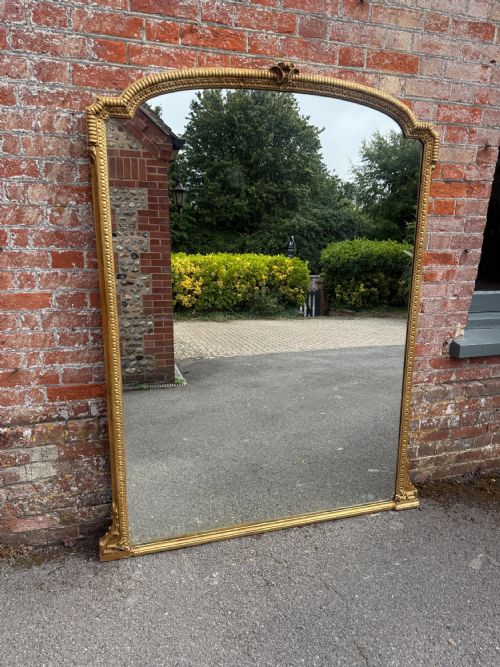
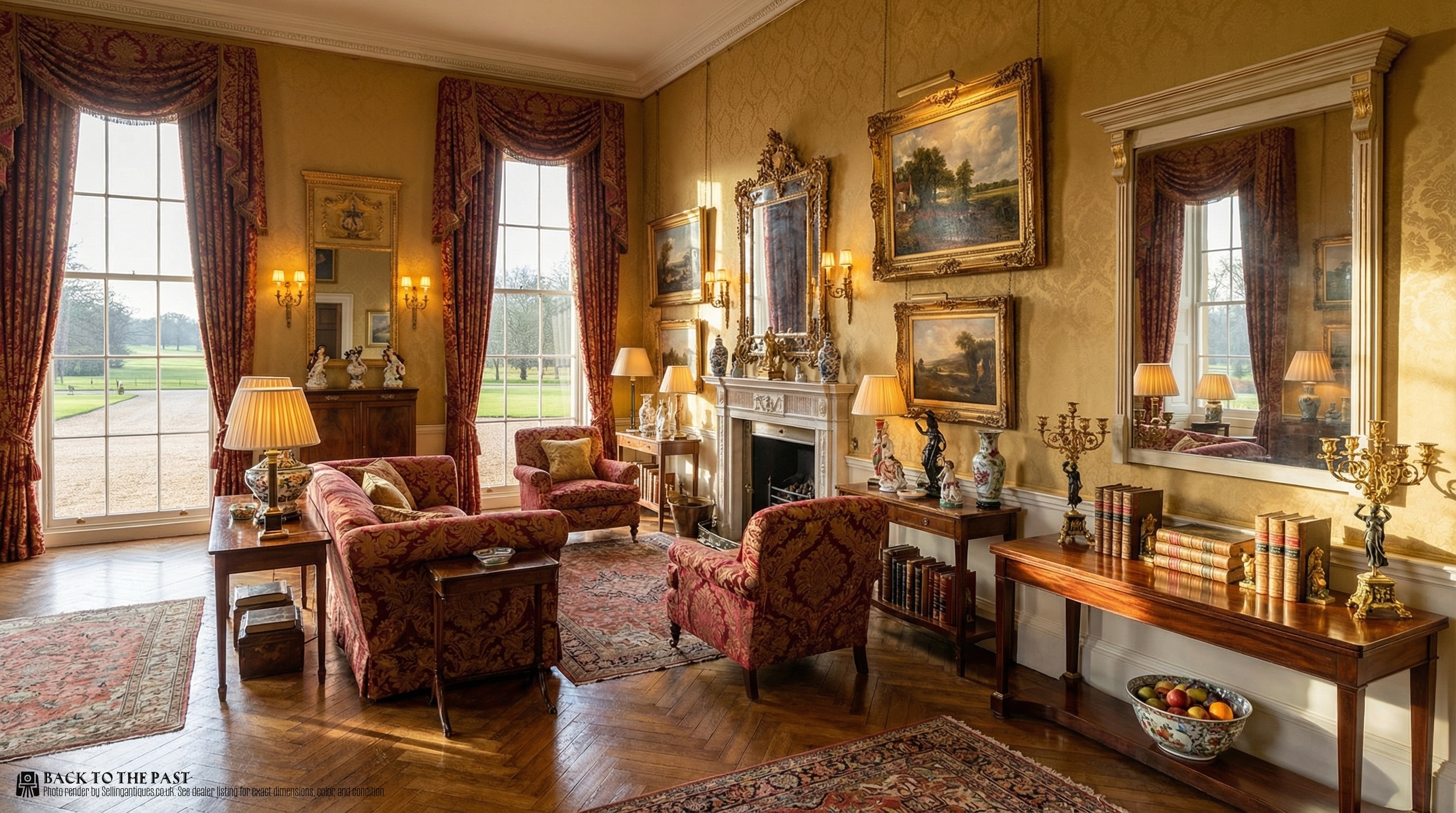
When you search for a victorian painted wall mirror, you encounter substantial furnishings designed to anchor a room, most frequently seen as large overmantel mirrors spanning the nineteenth century.
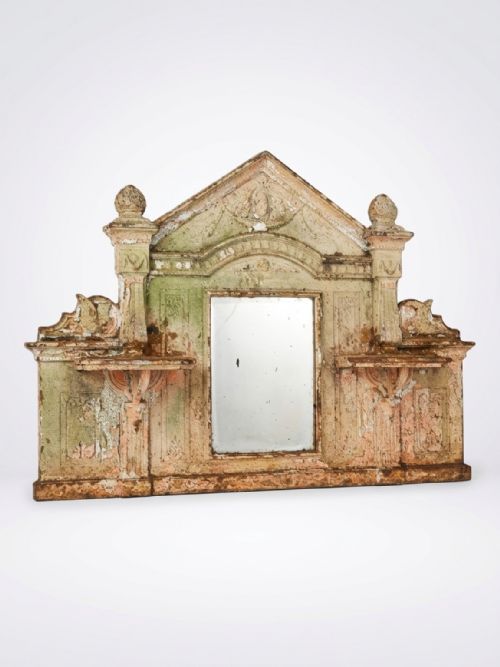
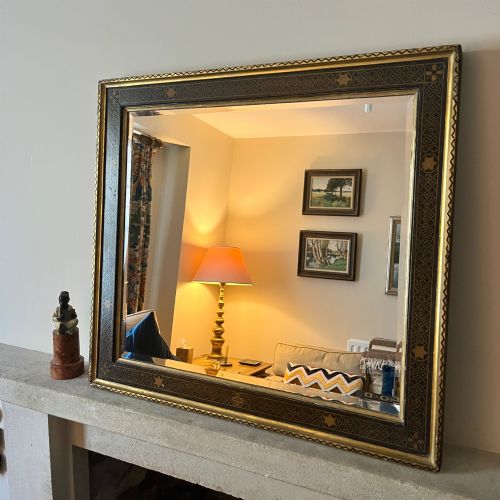
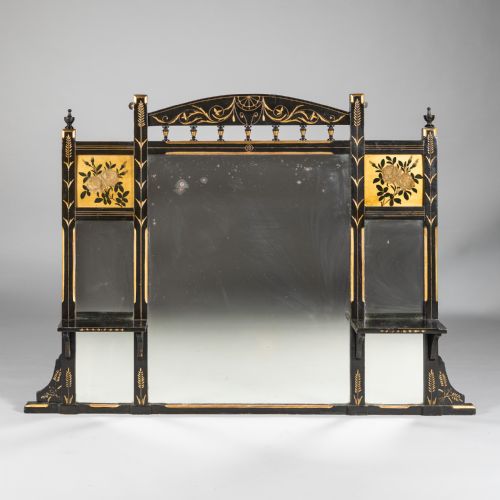
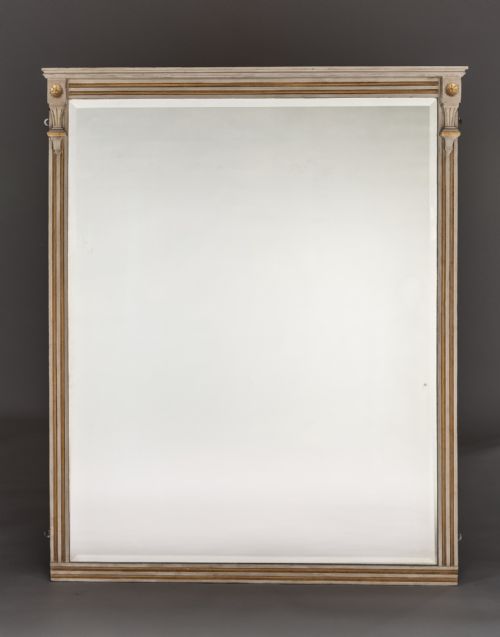
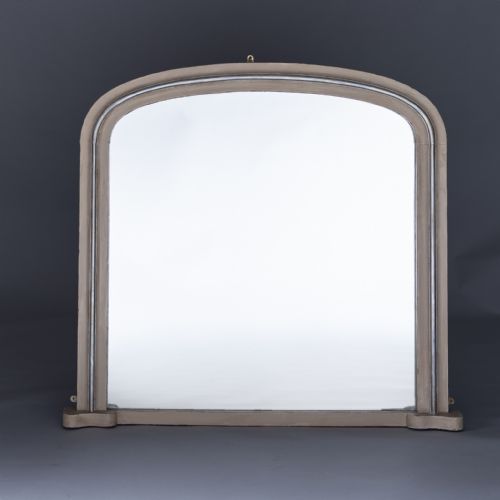
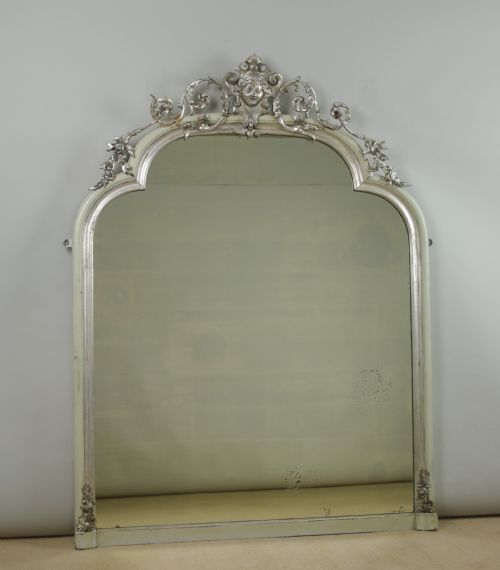
The selection ranges from architectural archtop and ebonised frames to parcel-gilt and distressed painted surfaces originating across the Victorian period and into the early twentieth century.
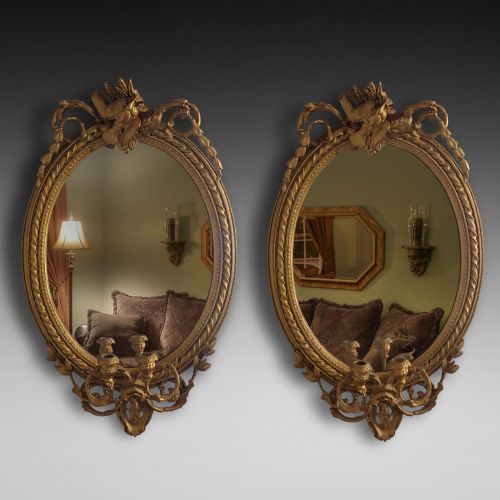
Alongside grand overmantels, the category includes smaller wall mirrors, girandoles, and pier mirrors built from carved wood and gesso.
How They Were Made
Frames are constructed from carved wood and shaped timber, heavily built to support heavy glass plates.
Gesso is applied to the wooden基 structure to build up ornate relief ornament before receiving coats of paint, gold leaf, or parcel-gilt highlights.
The listings span from the 1860s through the Victorian era and into the early twentieth century, featuring materials such as gesso, carved wood, and mirror glass.
What Varies in Quality
The distinction lies in the crispness of the carved wood detail and the depth of the gesso mouldings beneath the paint layers.
Original surface treatments, such as untouched parcel-gilt or authentic period paintwork, separate superior examples from later overpainted pieces.
The Victorian Painted Wall Mirror Glossary
- Gesso
- A plaster-like mixture applied to wood frames to create a smooth surface for gilding and painting. It allows intricate relief details to be moulded onto the timber.
- Overmantel Mirror
- A large mirror specifically designed to hang above a fireplace mantelpiece. These pieces often feature archtop or rectangular formats scaled to the width of the hearth.
- Parcel-Gilt
- Partially gilt decoration where gold leaf is applied only to specific raised portions of the carved frame. It contrasts sharply against painted or ebonised background areas.
- Girandole
- A decorative wall mirror fitted with attached candle sconces. The candle arms reflect additional light into the room.
- Pier Mirror
- A tall narrow mirror designed to hang on the wall space between two windows. They match the vertical architecture of nineteenth-century reception rooms.
Victorian Painted Wall Mirror: Frequently Asked Questions
Where should I hang a large overmantel mirror?
These large mirrors traditionally sit directly above a fireplace mantelpiece to reflect light and anchor the room. They also function well on principal living room walls where their scale creates a focal point.
Ensure the wall construction and fixings can support the substantial weight of the carved wood and glass frame.
How do I identify a Victorian painted frame?
Examine the construction methods, looking for period timber, traditional joinery, and multiple layers of historical paint or gesso beneath any surface wear. The materials typically include heavy carved wood finished with gold leaf, parcel-gilt, or hand-applied pigments.
Stylistic cues such as Aesthetic Movement ebonising or Rococo Revival curves help narrow down the decade of manufacture.
What is parcel-gilt finishing?
Parcel-gilt involves applying gold leaf selectively to specific raised carvings, mouldings, or motifs on the frame. The remaining areas receive a painted, ebonised, or distressed finish.
This technique creates a strong visual contrast between the bright metallic highlights and the dark or coloured background.
How do I care for antique painted mirror glass?
Dust the carved frame gently with a soft brush and avoid using harsh chemical sprays near the painted or gilt surfaces. Clean the glass sparingly with a mild solution applied to a cloth rather than directly onto the mirror.
Protect the original backing boards and avoid placing the piece in rooms with high humidity.