


Victorian Painted Desk Table
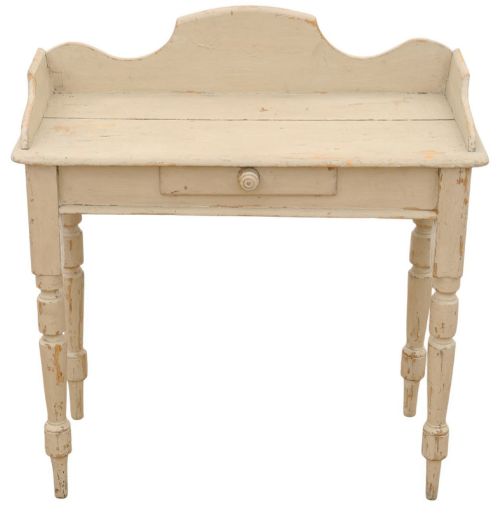
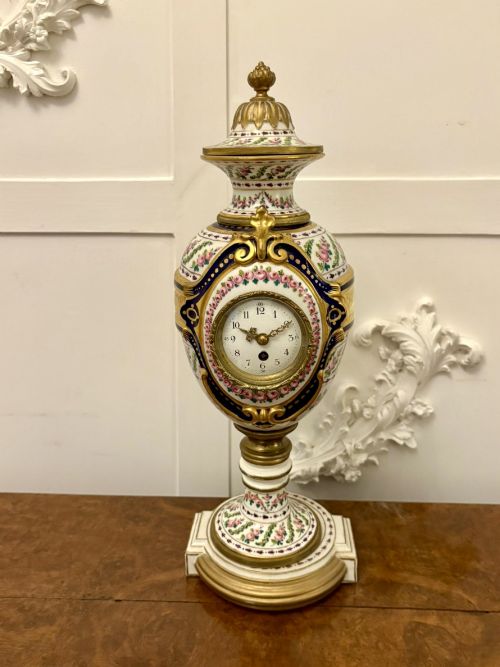
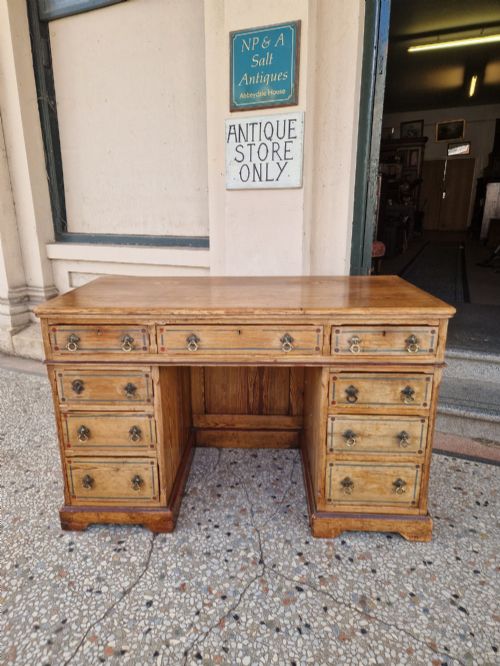
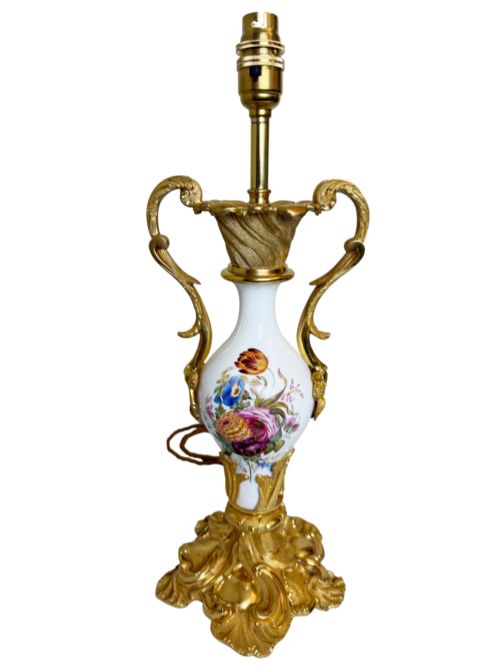
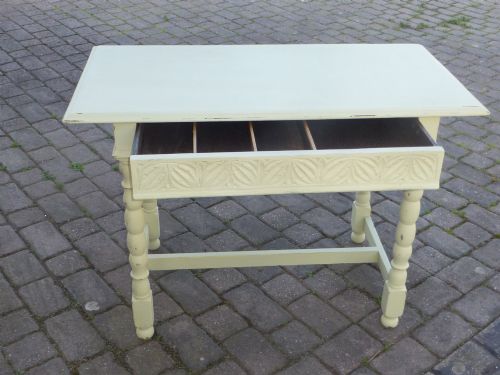
These pieces of a victorian painted desk table bring colour and practicality into a room through nineteenth-century craftsmanship and painted finishes.
Victorian Painted Desk Table
A victorian painted desk table brings together nineteenth-century workspace furniture and decorative paint finishes, spanning writing desks, dressing tables, and smaller side pieces. These items originate from the Victorian era and the broader nineteenth century, reflecting both country workshop traditions and more refined urban tastes.
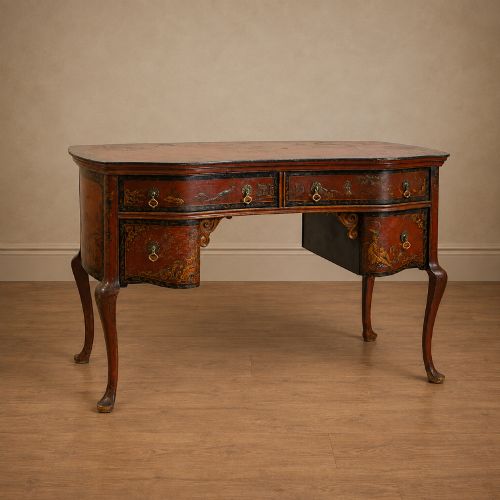
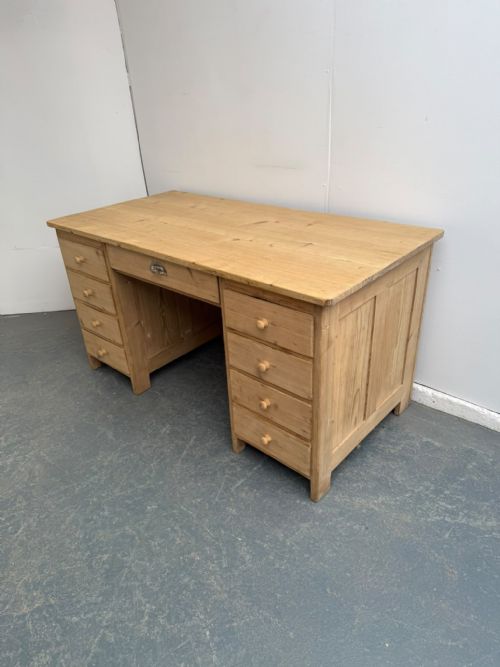
The version most commonly encountered is the pine or satinwood writing table, often featuring single drawers or knee-hole configurations. Alongside these, buyers find kidney-shaped dressing tables and console tables finished with painted surfaces or channelling stylistic revivals like Chinoiserie and French Louis XVI.
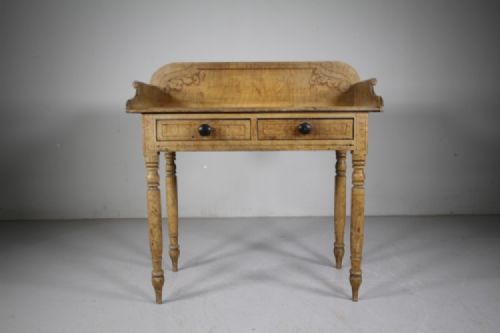
Makers and craftsmen of the period utilised local and exotic timbers, applying decorative paint directly to woods such as pine, birch, and satinwood. These tables served practical daily needs in studies, bedrooms, and halls while introducing distinct visual character through applied colour and ornamentation.
Materials and Technique
Makers constructed the carcases using solid timbers such as pine, oak, birch, and mahogany, often pairing softer woods with decorative painted or stencilled surfaces. Surface treatment was central to the construction, utilising hand-applied paint, lacquer, or gilt details to transform standard workspace timber.
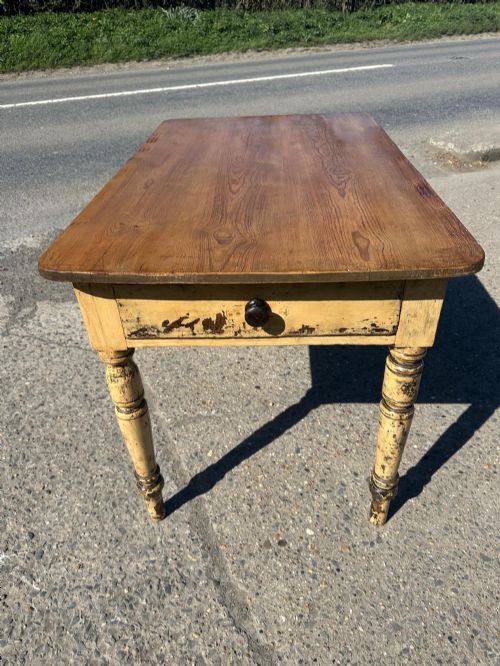
Joinery techniques relied on traditional drawer construction and sturdy framing, visible in pieces ranging from simple tavern tables with original painted legs to complex knee-hole desks and kidney-shaped dressing tables. The application of paint preserved the underlying wood while providing a canvas for decorative motifs.
Listings feature nineteenth-century painted desk tables alongside related forms in pine, birch, and satinwood with Chinoiserie and French styling.
Quality and Execution
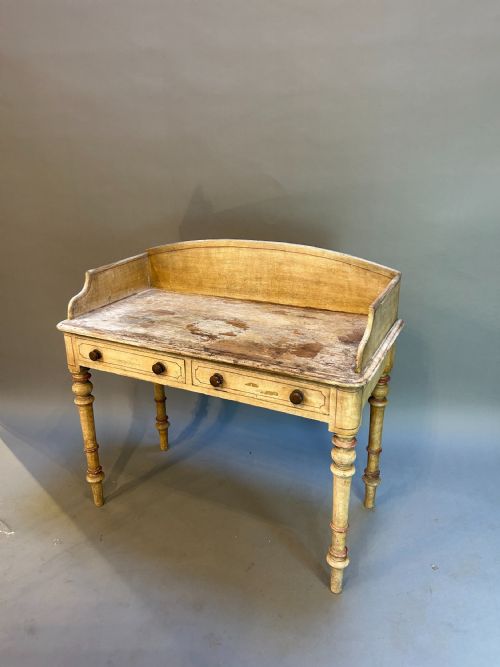
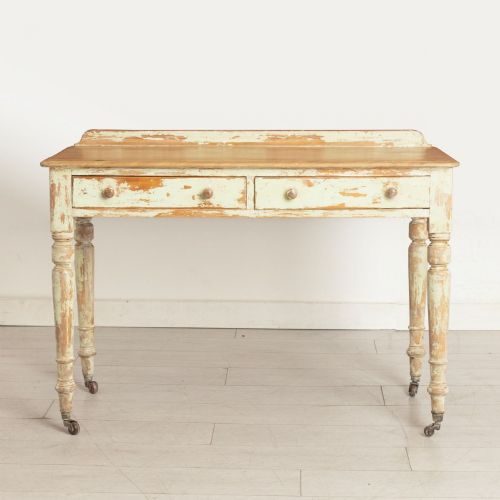
Quality rests upon the preservation of the original painted surface and the crispness of any decorative stencilling or hand-painted detail. Tables retaining their early or original paint layer command greater interest than those stripped or repeatedly recoated.
Structural integrity and the selection of timber dictate the standard of execution, separating straightforward utility furniture from finer satinwood or kidney-shaped pieces. The harmony between the form of the desk table and the execution of its decorative finish determines its place in the range.
The Victorian Painted Desk Table Glossary
- Victorian
- Belonging to the reign of Queen Victoria, spanning the nineteenth century and encompassing diverse revival styles. This period saw heavy production of both utilitarian pine and decorative painted furniture.
- Chinoiserie
- European imitation of Chinese artistic motifs, popular in decorative painting and lacquerwork. It frequently appears on nineteenth-century desks and dressing tables.
- Satinwood
- A durable, lustrous yellowish timber native to the tropics, favoured for fine nineteenth-century desks and dressing tables. It provides an ideal smooth ground for painted decoration.
- Kidney-shaped
- A curved desktop form designed to wrap around the user, appearing on late nineteenth-century dressing tables and writing desks. This ergonomic shape adds considerable elegance to the piece.
- Console table
- A side table fixed or placed against a wall, sometimes featuring a single drawer. These tables often received painted finishes to serve as decorative hall furniture.
Victorian Painted Desk Table: Frequently Asked Questions
What is a painted desk table?
A painted desk table is a nineteenth-century workspace piece finished with decorative paint, lacquer, or stencilling over woods like pine, birch, or satinwood.
These items combine the practical utility of a writing surface or dressing table with ornamental surface design typical of the Victorian era.
Where were these tables used?
These tables served in domestic spaces such as bedrooms, studies, and entrance halls as functional surfaces for writing, dressing, or display.
Simpler pine versions often originated in country workshops or farmhouses, while satinwood and kidney-shaped variants suited more formal rooms.
Are the painted finishes original?
Many pieces retain their original or early painted surfaces, which show natural wear, mellowing, and patination acquired over generations of use.
Examining the layers helps distinguish between untouched nineteenth-century decoration and later re-painting efforts.