

Victorian Painted Cupboard Doors
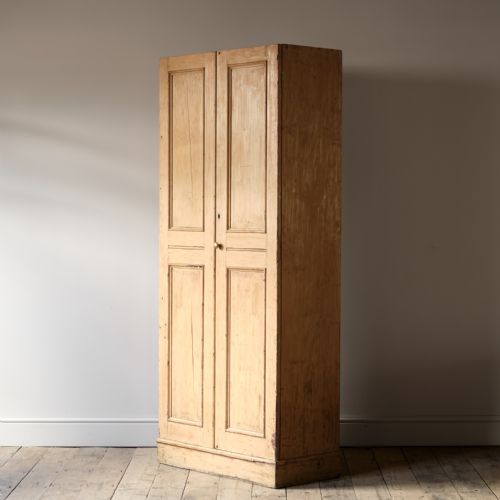
These victorian painted cupboard doors and their parent pieces offer solid timber construction and period character for daily storage.
Victorian Painted Cupboard Doors
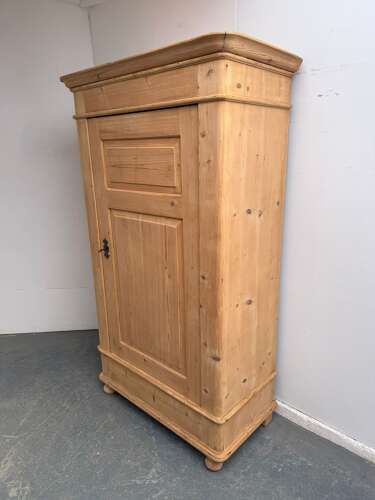
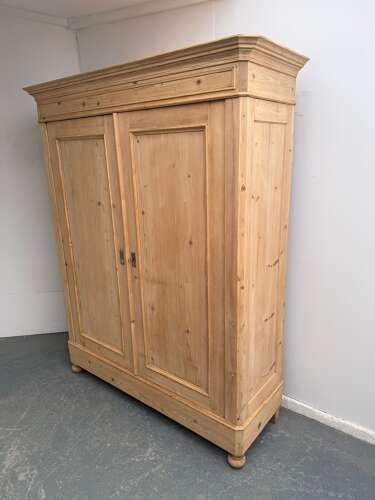
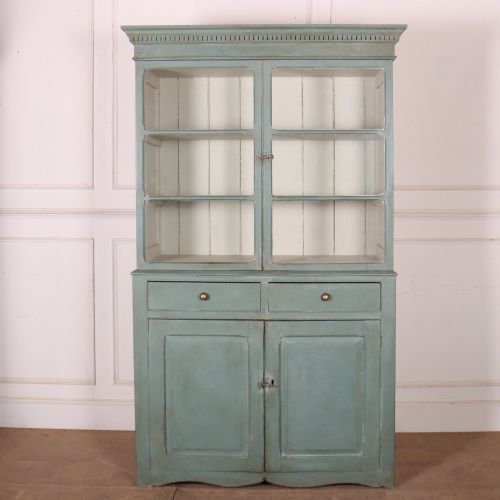
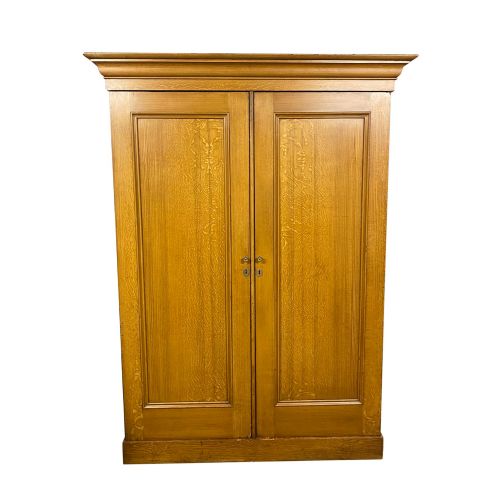
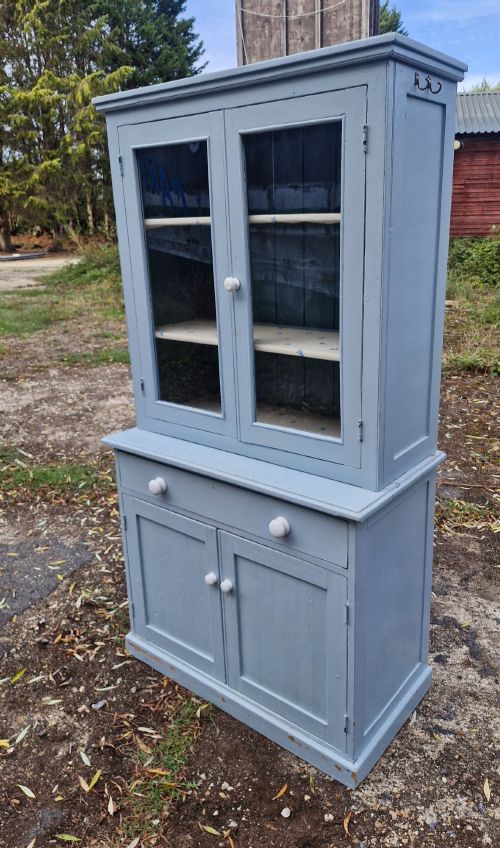
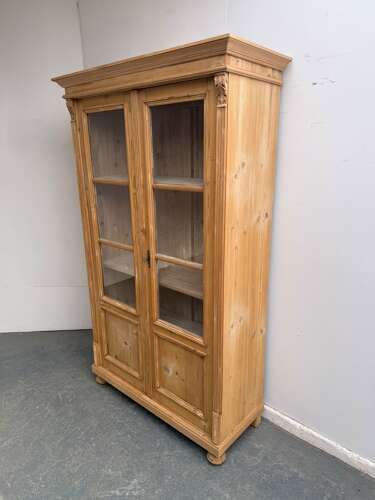
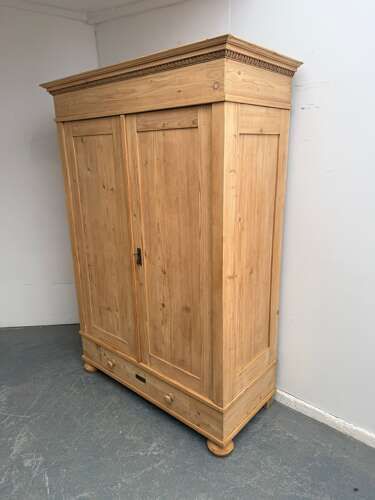
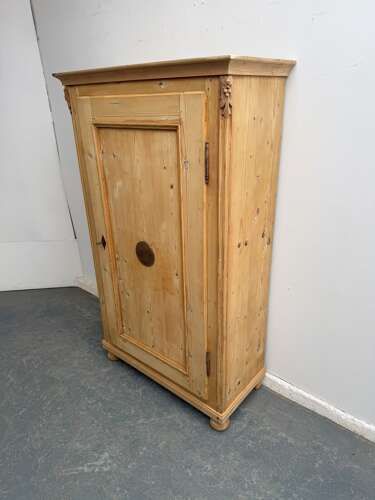
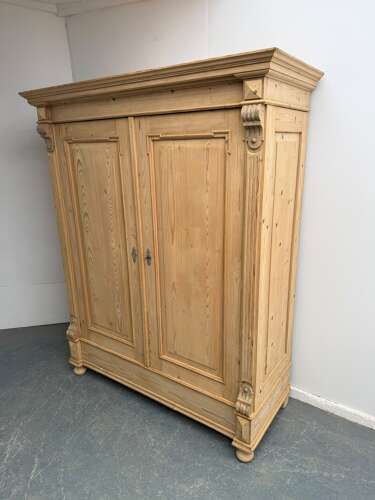
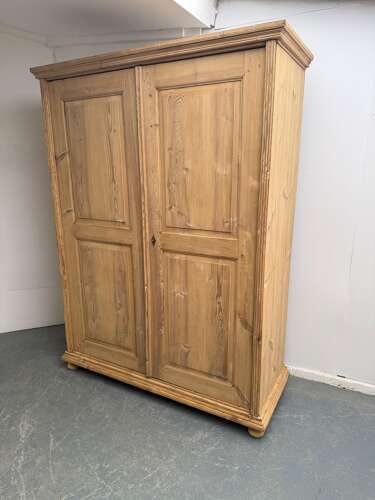
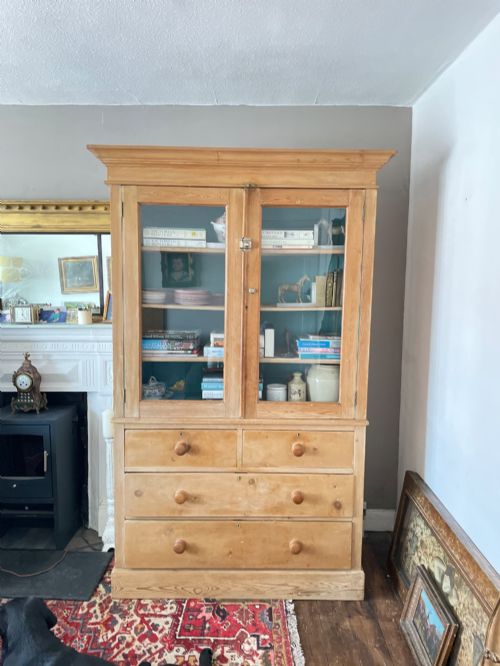
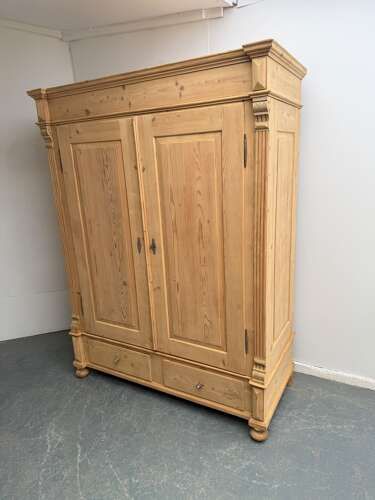
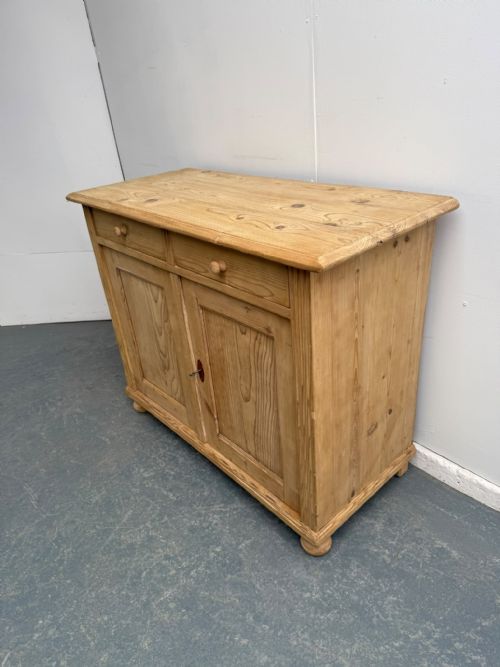
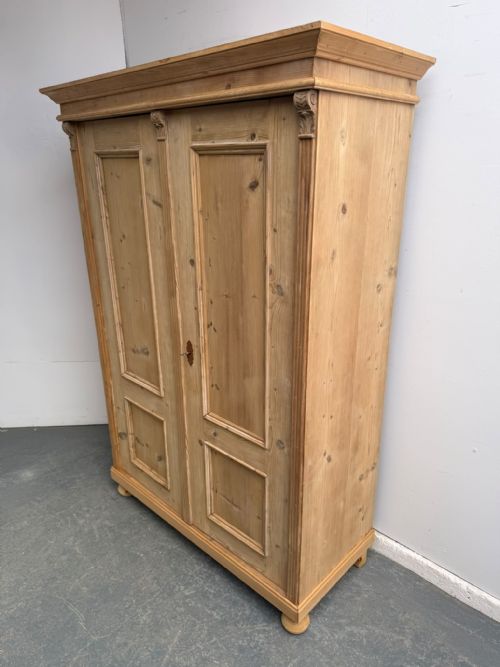
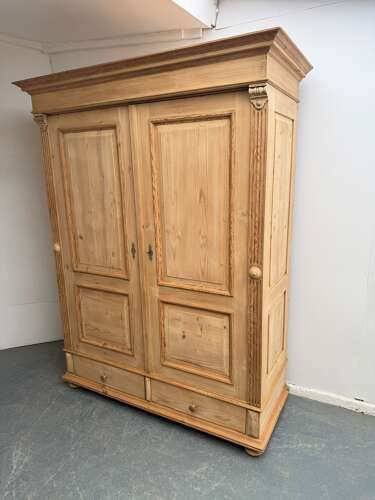
Victorian painted cupboard doors form part of larger storage pieces, wardrobes, and kitchen dressers seen across the nineteenth century. Buyers searching for these items usually encounter pine carcasses, glazed display units, or kitchen cupboards originating from country and domestic settings.
The selection ranges from tall two-door wardrobes to shallow vented kitchen cabinets and low wide storage units. Many examples exhibit regional styles such as Scottish or English country vernacular, alongside revival designs like Adam Revival and Arts and Crafts.
Materials and Construction
Pine serves as the primary timber across the inventory, frequently paired with iron, brass, and glass elements for hinges, handles, and glazing. Carpenters utilised knockdown construction methods for large wardrobes to allow straightforward transport between rooms.
Surfaces feature original scumble faux oak paintwork, painted interiors, or traditional layered paint finishes applied over softwood. Fielded panels and arched detailing demonstrate standard nineteenth-century joinery techniques for domestic furniture.
Victorian Painted Cupboard Doors Retail Price Guide 2026
Typical asking prices for victorian painted cupboard doors among the pieces listed under this phrase on Sellingantiques today, from the lower quarter to the upper quarter. They describe what is for sale here now, not the wider market.
The inventory spans the Victorian period, nineteenth century, and includes items dated up to nineteen ten.
Quality Variations
The standard of a piece rests on the integrity of the timber and the preservation of original decorative paint schemes. Pieces retaining honest, untouched paintwork and sound structural joinery stand apart from items stripped down to bare wood.
Proportion and execution of detail define the finer examples, from well-moulded cornices to balanced fielded panels on single and double doors. The robustness of internal shelving and original hardware further separates standard utility pieces from more finished domestic furniture.
The Victorian Painted Cupboard Doors Glossary
- Scumble
- A decorative paint technique involving translucent glazes manipulated to imitate the grain of more expensive hardwoods like oak. This finish was commonly applied to utilitarian pine furniture during the nineteenth century.
- Knockdown
- A construction method utilising pegs, screws, or bolts rather than permanent glue joints, allowing large wardrobes and cupboards to be easily disassembled. This technique was particularly useful for moving bulky bedroom furniture.
- Fielded
- A panel design featuring a central raised portion with bevelled edges that fit into a surrounding frame. This construction method allows the wood to expand and contract safely with changes in humidity.
- Linen press
- A tall storage cupboard originally designed for storing folded household linen on sliding trays or shelves. Later examples frequently incorporate hanging space for garments.
Victorian Painted Cupboard Doors: Frequently Asked Questions
How are these cupboards cleaned?
Painted surfaces require gentle dusting with a dry cloth and protection from excess moisture to preserve the finish.
Waxed pine elements benefit from occasional application of traditional beeswax to nourish the softwood timber.
Can knockdown wardrobes be assembled easily?
Most nineteenth-century knockdown pieces use straightforward mechanical fixings or peg systems designed for domestic installation.
Careful labelling of parts during transport ensures the carcass squares correctly upon reassembly.
What rooms suit a kitchen dresser base?
These low storage units function well in dining spaces, kitchens, or hallways for tableware and general household items.
The wide timber top also provides a practical surface for serving food or displaying decorative objects.
How do I identify early Victorian pieces?
Early pieces often display distinct architectural proportions, arched panel designs, and heavier timber mouldings.
Construction details like hand-cut joinery and early iron hardware help distinguish these from later nineteenth-century items.