

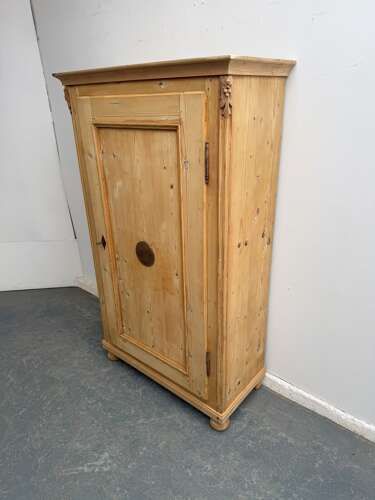
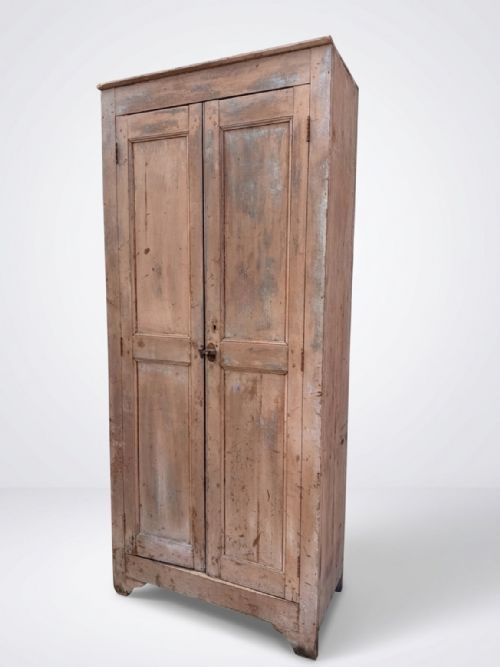
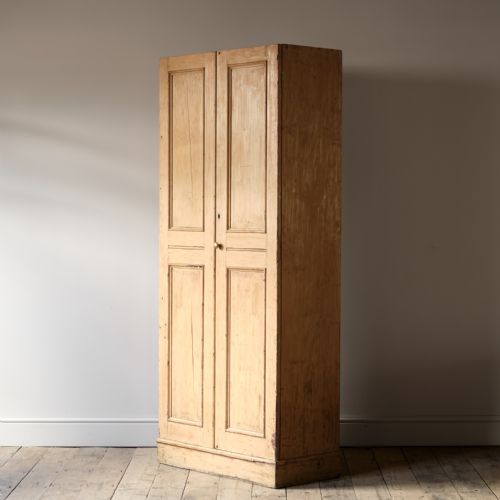
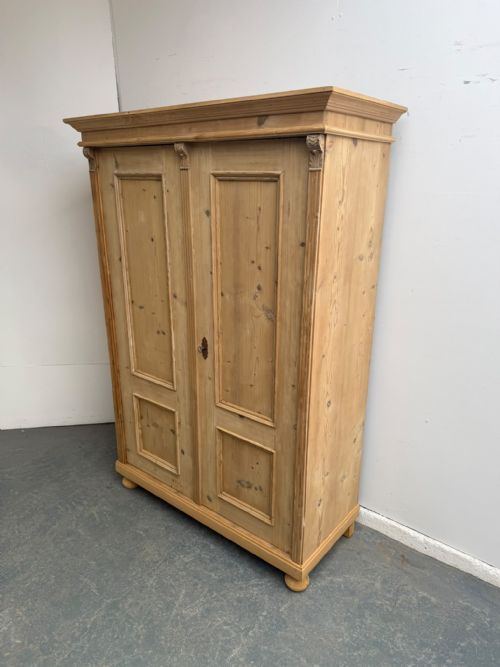


Pine Pantry Cupboard Doors
Pine pantry cupboard doors are architectural fragments offering practical utility and rustic charm, ideal for adding period character to modern joinery.
Pine Pantry Cupboard Doors
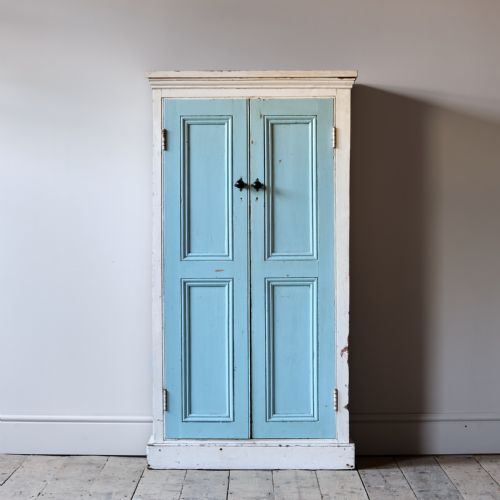
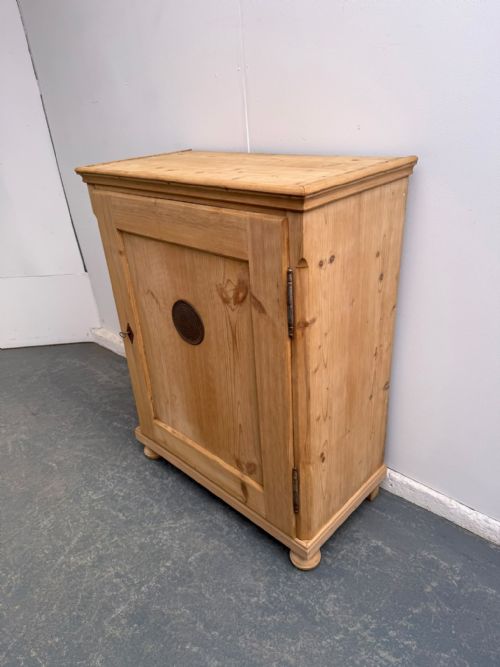
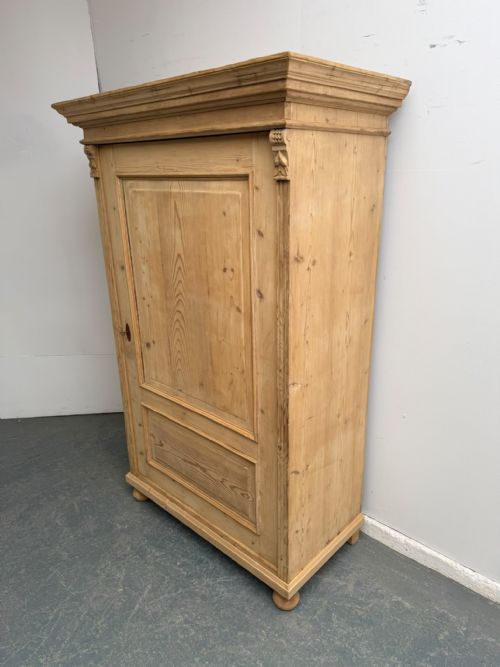
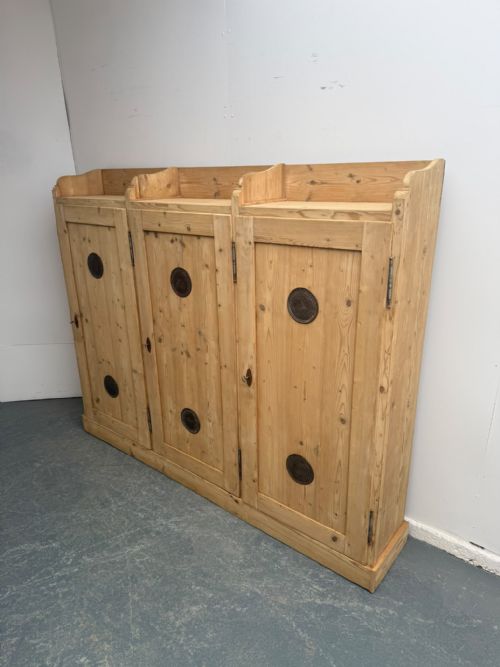
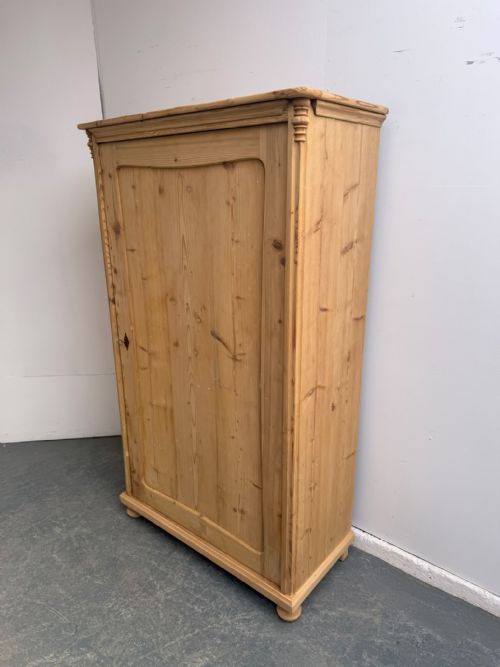
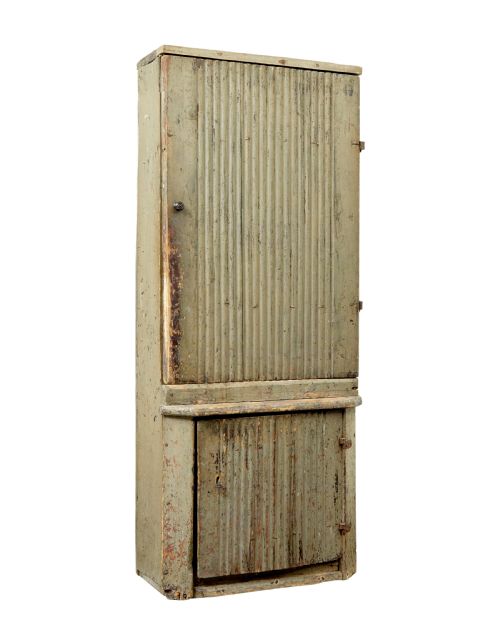
Pine pantry cupboard doors emerge from domestic architecture spanning the eighteenth century through the Edwardian period, often salvaged from larger storage pieces, larders, and country houses. When searching for pine pantry cupboard doors, buyers encounter panels shaped by utilitarian service rooms, farmhouses, and vernacular workshops.
The selections on this page predominantly reflect nineteenth-century vernacular traditions, including Victorian and Georgian examples. These include single and double panel formats, sometimes originating from larger architectural surrounds or fitted alcoves.
Makers ranged from regional carpenters to provincial joiners who utilised locally sourced softwoods for everyday utility. Their forms directly mirror the functional needs of historic domestic pantries and larders.
How they were made
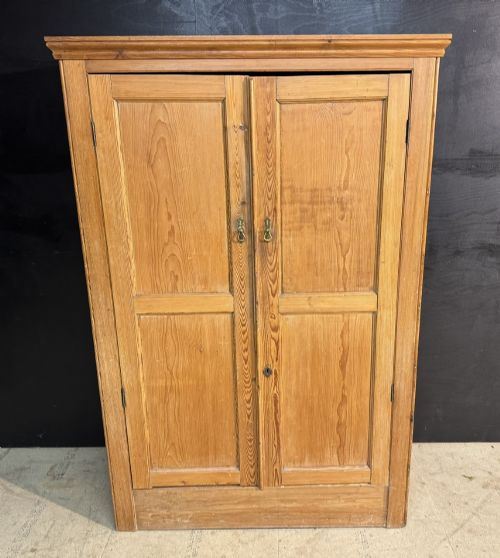
Construction relies upon solid pine timber frames holding inset or fielded panels, joined using traditional woodworking methods suited to domestic utility. Iron and brass hinges, latches, or locks often accompany the woodwork, reflecting the hardware available to period joiners.
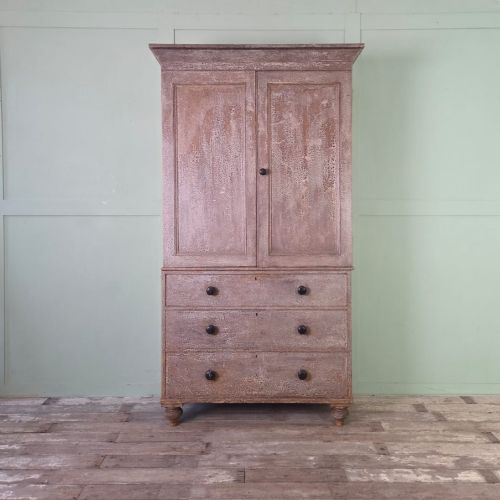
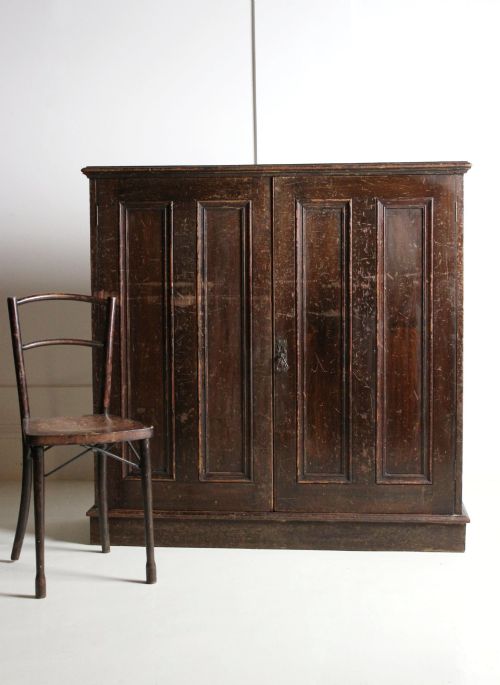
Surfaces exhibit varying treatments recorded across the listings, ranging from bare stained pine to historic layers of paint and scumbled finishes designed to imitate oak. Many pieces show the marks of hand-planing and simple moulding profiles executed with basic bench planes.
Pine Pantry Cupboard Doors Retail Price Guide 2026
Typical asking prices for pine pantry cupboard doors among the pieces listed under this phrase on Sellingantiques today, from the lower quarter to the upper quarter. They describe what is for sale here now, not the wider market.
Some pantry doors wear faux oak coats because nineteenth-century painters loved a bit of theatrical disguise.
What varies in quality
Quality rests upon the integrity of the timber, the crispness of the joinery details such as fielded panels, and the survival of original surface treatments like historic paint or scumbling. Finer examples display balanced proportions and thoughtful construction that reflect the skill of the original carpenter.
Condition is dictated by the degree of architectural alteration and the preservation of original iron or brass hardware. Pieces retaining their early or original finishes hold greater visual depth compared to those stripped down to raw softwood.
The Pine Pantry Cupboard Doors Glossary
- Fielded panel
- A central door panel with bevelled edges that fit into a surrounding groove. This traditional construction method allows the timber to expand and contract safely with changes in humidity.
- Scumbled
- A paint technique involving a translucent top glaze manipulated to imitate the grain of more expensive hardwoods like oak. It was frequently applied during the nineteenth century on utilitarian pine joinery.
- Vernacular
- Architecture and furniture built by local craftsmen using traditional regional methods and materials, rather than following high-style architectural pattern books.
- Larder
- A cool room or tall cupboard traditionally used for storing perishable food items before the advent of refrigeration. These spaces were often ventilated to maintain airflow.
Pine Pantry Cupboard Doors: Frequently Asked Questions
How were pantry cupboard doors used originally?
Pantry doors served to enclose food storage areas, protecting provisions from pests while maintaining ventilation in domestic larders and kitchens.
They formed part of larger built-in or freestanding cabinetry designed for daily household provisioning.
How do I install salvaged cupboard doors?
Installation typically requires mounting the doors into new or existing architectural frames using compatible period-style hinges.
Carpenters often need to adjust the softwood edges slightly to fit modern openings whilst preserving the historic face.
Should I strip or keep the old paint?
Original paint and scumbled surfaces provide historical character and visual texture that modern stripping removes.
Retaining the existing finish preserves the authenticity of the piece, whereas bare pine suits interiors requiring a plain wood aesthetic.
How can I date pine cupboard doors?
Dating relies on examining construction techniques, tool marks, and the style of mouldings and hardware.
Georgian and Victorian joinery methods differ visibly in their timber preparation and the formation of panels and frames.