



Warm Brown Timber Doors
Warm brown timber doors bring deep grain and architectural presence to a room, offering both practical storage and traditional character.
Warm Brown Timber Doors
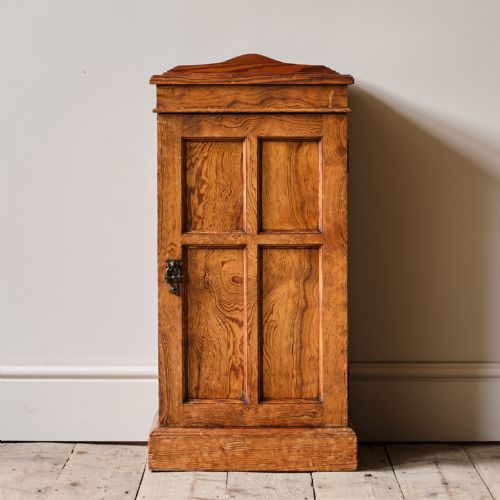
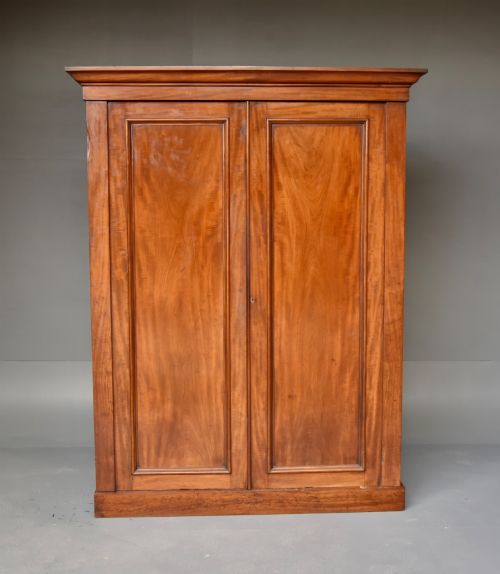
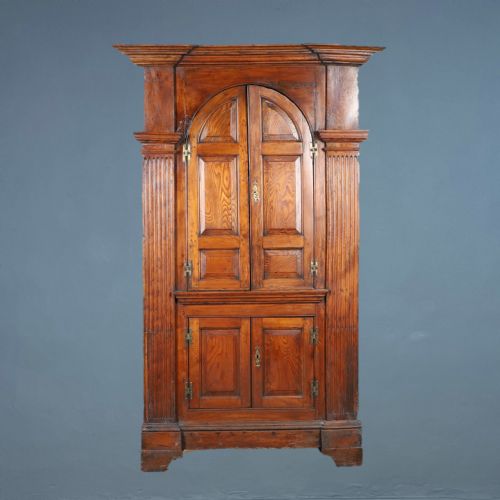
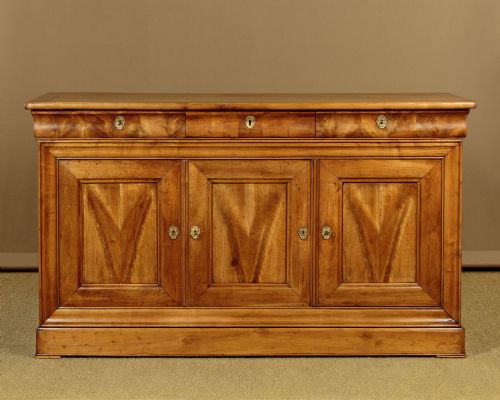
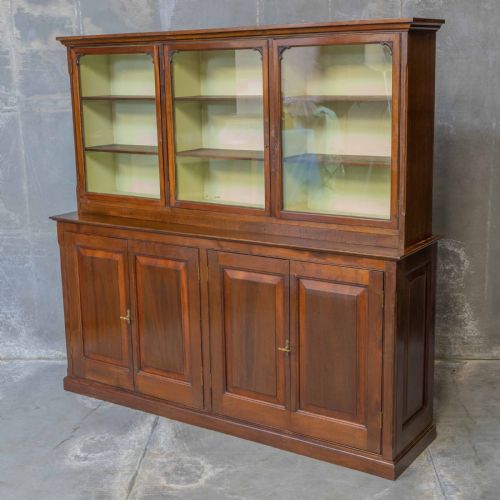
Warm brown timber doors appear across various furniture forms and architectural elements, spanning the Georgian, Victorian, and Regency periods. Buyers seeking warm brown timber doors encounter pieces ranging from Victorian bedroom cupboards to Georgian corner cupboards and architectural pantry panels.
The selection includes specific timber varieties such as mahogany, elm, cherrywood, and Oregon pine, often shaped by styles like Gothic Revival and French Provincial. These pieces function as standalone storage units or fitted architectural elements within domestic spaces.
How they were made
Construction relies on solid timbers and veneers, utilising materials such as mahogany, cherrywood, elm, and iron and brass hardware fittings. Cabinetmakers employed traditional joinery techniques to build robust frames and panelled doors designed to withstand daily domestic use.
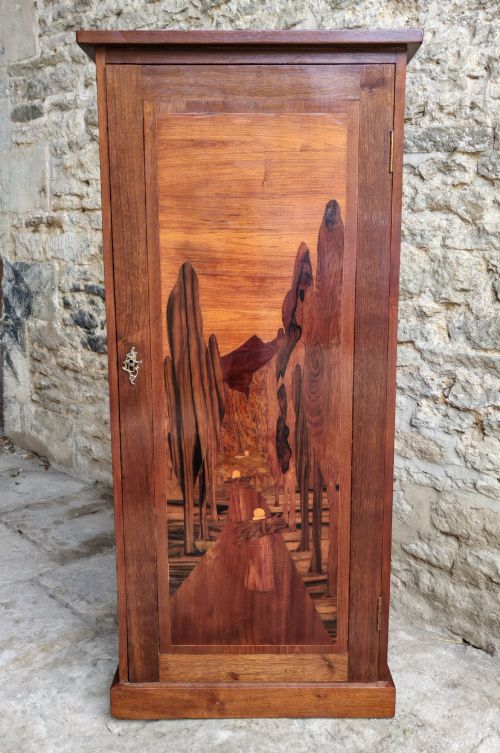
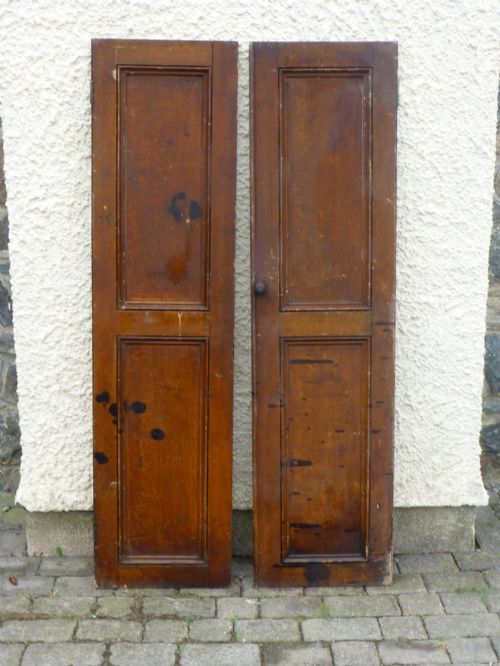
Surface treatments vary from polished mahogany and marquetry veneers to scumbled finishes that imitate richer woods like oak. These finishes protect the underlying timber while highlighting the natural grain and colour.
Warm Brown Timber Doors Retail Price Guide 2026
Typical asking prices for warm brown timber doors among the pieces listed under this phrase on Sellingantiques today, from the lower quarter to the upper quarter. They describe what is for sale here now, not the wider market.
Scumbled pantry doors prove that clever painters have been convincing people an ordinary plank is fine oak since the nineteenth century.
What varies in quality
Quality rests in the selection of timber and the precision of the joinery, distinguishing utilitarian items from finer cabinetwork. Pieces featuring striking grain patterns, such as Gonçalo Alves or detailed marquetry veneers, represent a higher standard of craftsmanship.
The integrity of the original hardware, hinges, and locks also influences the overall standard. Well-preserved architectural panels and custom shop fittings demonstrate superior design execution compared to simpler utility pieces.
The Warm Brown Timber Doors Glossary
- Marquetry veneers
- Thin slices of decorative wood applied to a furniture structure to create intricate patterns. This technique enhances the visual texture of the surface.
- Architectural
- Pertaining to building design and structure, often describing fitted furniture or panels made for specific rooms. Such pieces integrate directly into the interior architecture.
- Scumbled
- A decorative paint technique involving translucent layers dragged over a base coat to simulate wood grain or texture. This method achieves a faux finish on simpler timbers.
- Breakfront
- A cabinet design where the central section projects forward from the flanking sections. This configuration adds depth and visual rhythm to large bookcases and sideboards.
- Enfilade
- A suite of rooms or a long piece of furniture with a sequence of doors in a line. It provides a formal appearance in large dining rooms and saloons.
Warm Brown Timber Doors: Frequently Asked Questions
How do I date these doors?
Dating relies on identifying the underlying timber, construction methods, and stylistic cues associated with periods such as the Georgian era or Victorian era.
Hardware types and joinery marks further help narrow down the decade of production.
Where were these pieces used?
These doors and cupboards served various domestic and commercial functions, from pantry storage to bedroom wardrobes and shop fittings.
Architectural panels typically fitted into specific alcoves within older residential properties.
Are the finishes original?
Many pieces retain their traditional polish, wax, or scumbled surface treatments applied during manufacture to protect the wood.
Subsequent maintenance over the centuries can alter the surface sheen, depending on the care received.
How do I care for the timber?
Maintain the wood by keeping pieces away from direct heat sources and sudden humidity changes to prevent warping.
Regular application of suitable furniture wax preserves the moisture and rich colour of the timber.