
Victorian Painted Chest
A victorian painted chest combines utilitarian nineteenth-century storage with decorative surface work, offering practical storage that suits modern domestic interiors.
Victorian Painted Chest
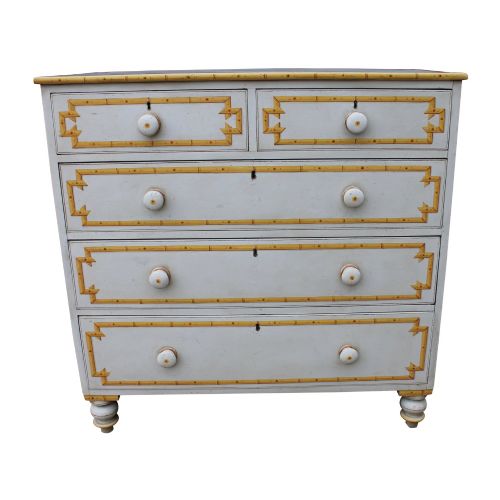
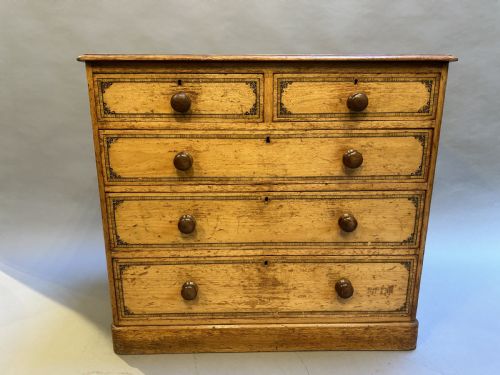
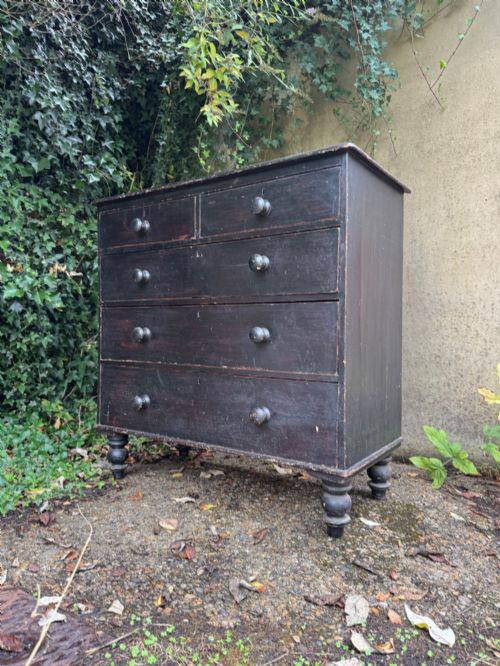
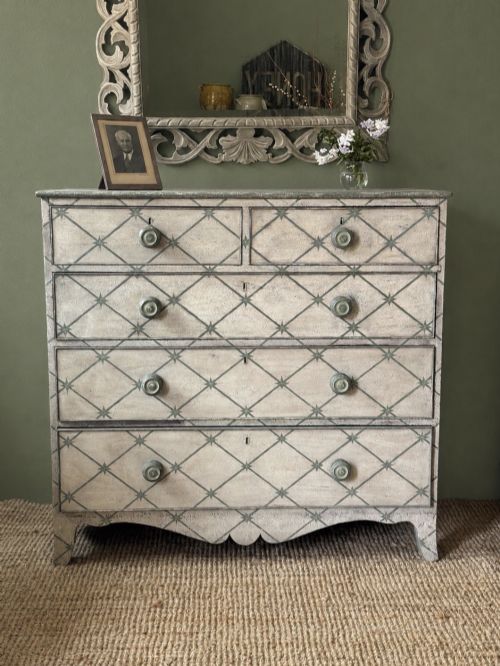
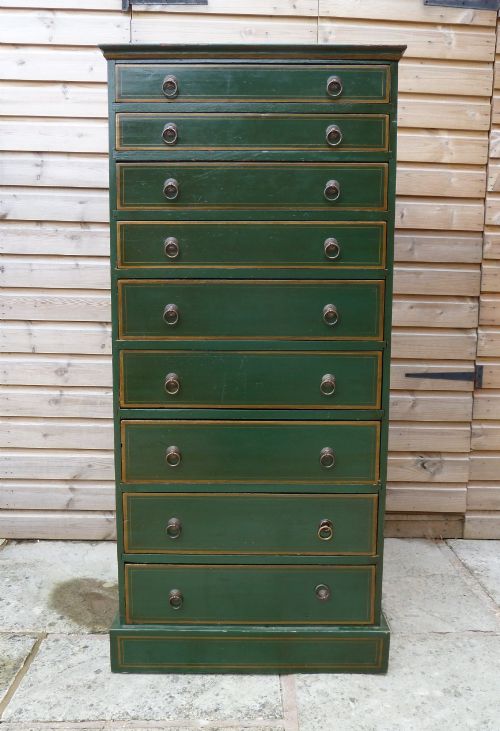
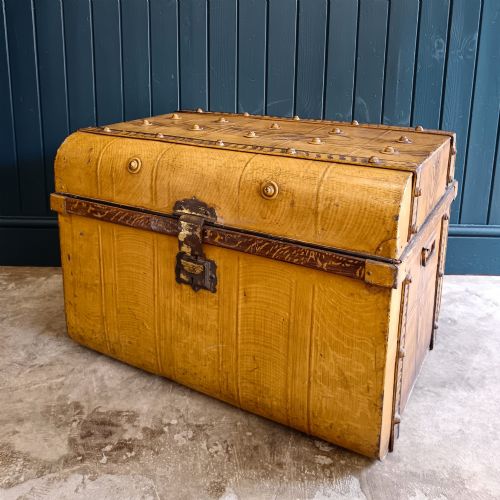
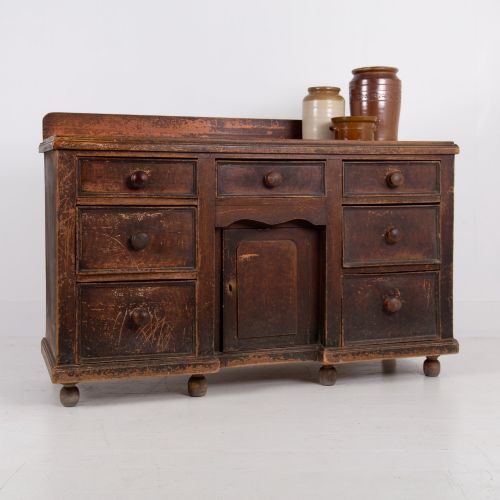
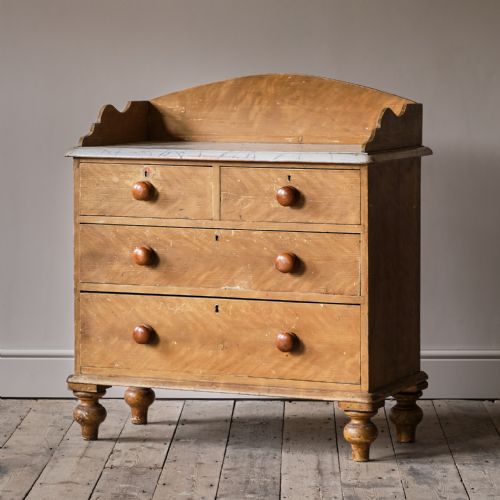
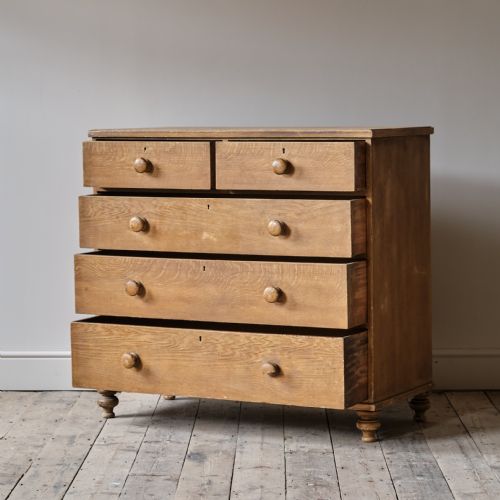
When searching for a victorian painted chest, buyers encounter functional nineteenth-century storage pieces that range from domestic drawer units to campaign boxes and blanket trunks. The most common variation on this page is the pine chest of drawers finished in original paint, often configured in standard drawer arrangements such as two small drawers over three large ones.
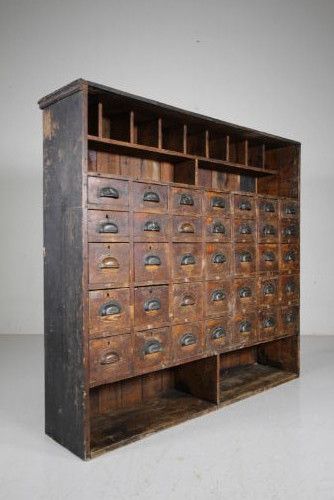
The historical scope spans from the early Victorian decades through to the late nineteenth century, incorporating regional British examples alongside continental pieces and specialised work like chemist shop fittings or miniature apprentice chests. These items served practical domestic and commercial functions before surviving into the present day as decorative furniture.
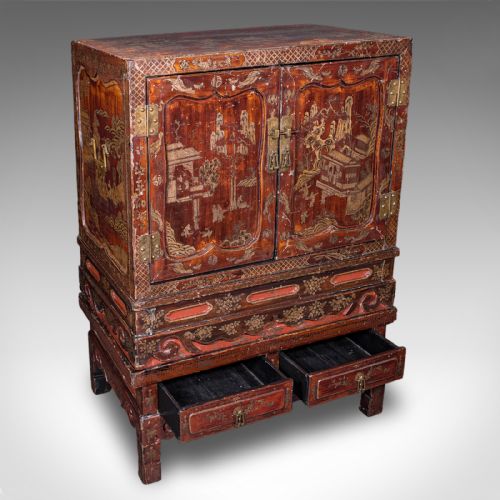
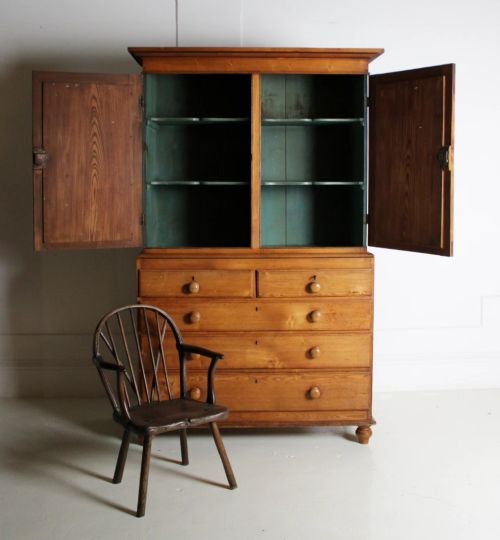
Forms extend beyond conventional drawer chests to include linen presses, washstands, blanket boxes, and trunks finished with stencilling, hand-painted details, or faux-wood effects. The underlying construction remains solidly nineteenth-century in character, utilising timber frameworks designed for everyday utility.

Materials and construction
The foundational material across the majority of these pieces is solid pine, selected by nineteenth-century makers for its accessibility and suitability for decorative surface treatments. Iron and brass hardware, including drop handles, escutcheons, and hinges, provide functional contrast to the wooden bodies.
Surface finishes define the category, utilising oil-based paints, scumble glazes to imitate finer grain, and hand-applied stencilling. These protective and decorative coatings were applied directly to the timber, frequently surviving in patinated states that record decades of use and subsequent layers of history.
Victorian Painted Chest Retail Price Guide 2026
Typical asking prices for victorian painted chest among the pieces listed under this phrase on Sellingantiques today, from the lower quarter to the upper quarter. They describe what is for sale here now, not the wider market.
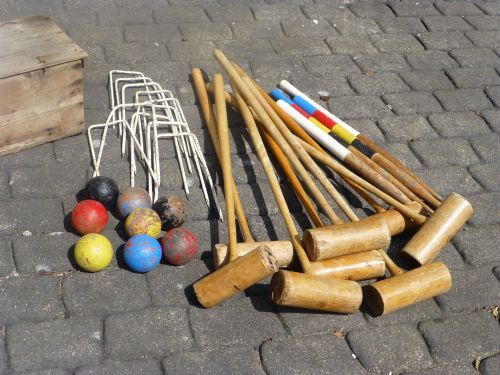
An eight-player croquet set survives snug inside its original nineteenth-century pine box.
Factors that separate examples
Quality in a painted nineteenth-century chest rests primarily in the integrity and originality of the surface coating. Pieces retaining their initial hand-applied paint, scumble finish, or period stencilling without modern overpainting command greater interest from collectors.
Construction standards also differentiate the range, evident in the precision of the dovetail joints, the smooth action of the drawers, and the retention of original brass or iron hardware. The balance of proportions and the subtlety of decorative details elevate certain workshop or maker-attributed pieces above standard utilitarian examples.
Jacques·Edwards and Roberts·Heal and Sons
The Victorian Painted Chest Glossary
- Scumble
- A decorative glazing technique involving translucent paint dragged or textured over a pale base coat to simulate wood grain. It was widely used on nineteenth-century pine furniture to achieve a richer appearance.
- Campaign chest
- A modular storage chest constructed in sections with brass corners and recessed carrying handles, designed for easy transport by military officers. These pieces separate into distinct stacked boxes.
- Toleware
- Metalware painted and japanned in imitation of Asian lacquerwork. These tin containers and boxes feature decorative surface painting characteristic of the period.
- Linen press
- A tall cupboard featuring upper sliding trays or shelves enclosed by doors, positioned above a lower bank of drawers. They were designed for storing household linens flat.
Victorian Painted Chest: Frequently Asked Questions
How do I care for original paint?
Original nineteenth-century paint finishes require gentle maintenance limited to dusting with a dry, soft cloth. Avoid harsh chemical cleaners, modern waxes with solvents, and excessive moisture that can lift or soften fragile historical pigment layers.
Keeping the piece away from direct sunlight and steady humidity levels preserves the stability of both the pine timber and the historic surface coating.
Were these chests made for military use?
Certain forms, specifically campaign chests and trunks, were engineered for military transport by officers on active service. These pieces feature recessed brass hardware and sectional construction designed to withstand rigorous travel.
Standard domestic chests of drawers, however, were built for stationary use in bedrooms, nurseries, and farmhouses rather than transit.
How can I tell if the paint is original?
Original paint exhibits micro-crazing, gentle fading, and wear consistent with age, often showing subtle layers and integrated patination where handling occurred. Modern overpainting tends to sit uniformly on the surface without the integrated wear patterns characteristic of nineteenth-century use.
Examining corners, drawer interiors, and areas protected from direct friction helps reveal the underlying sequence of surface finishes.