
Victorian Painted Box
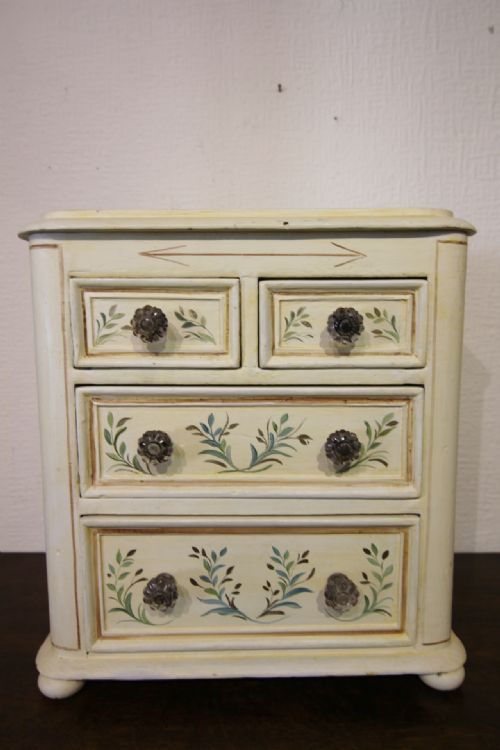
When you choose a victorian painted box, you bring home a piece of nineteenth-century utility that carries hand-brushwork, graining, or lacquer.
Victorian Painted Box
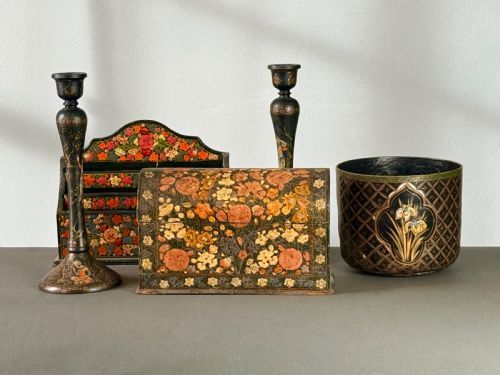
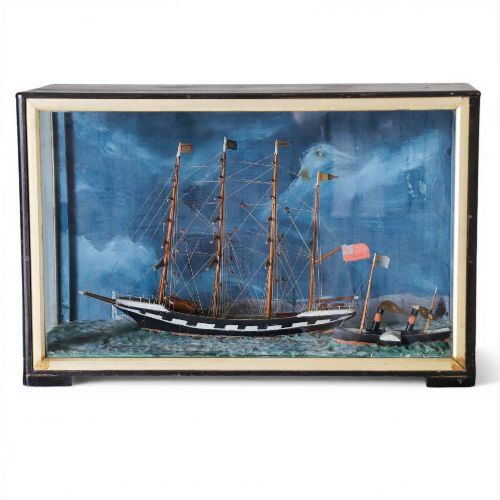
Beyond household storage, the pieces extend to specialised items like artist boxes, apothecary or tool chests, and desk accessories such as letter racks and stationery boxes. Many reflect maritime interests through dioramas or document chests, while others show decorative influences like Chinoiserie and folk art.
How they were made
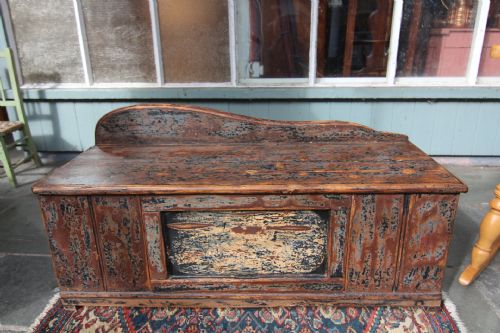
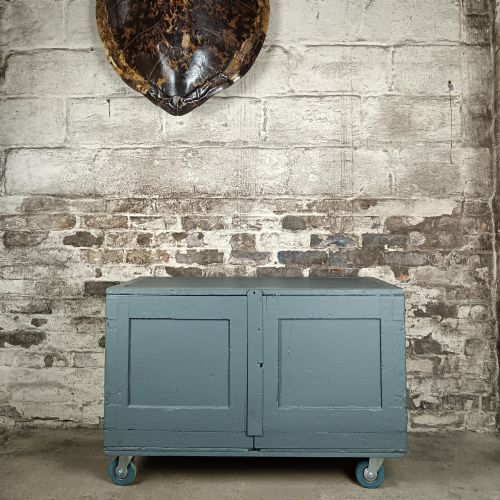
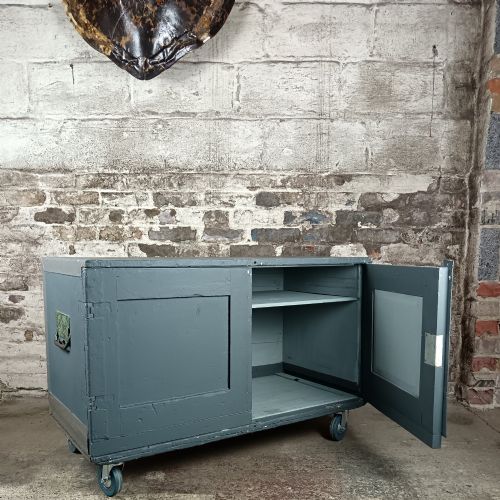
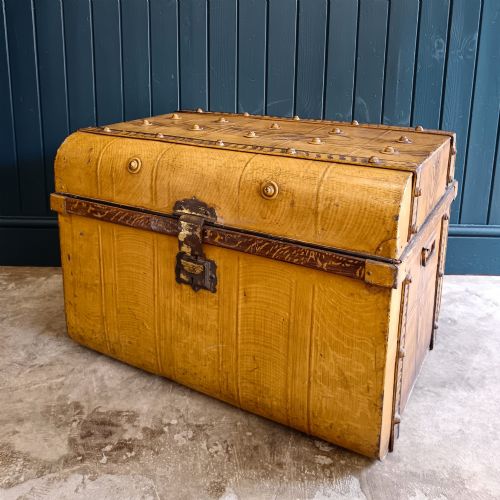
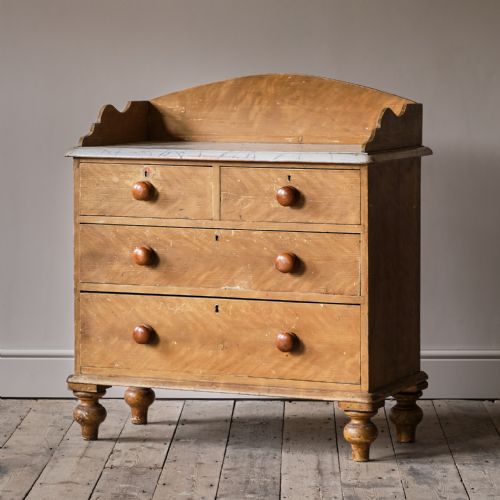
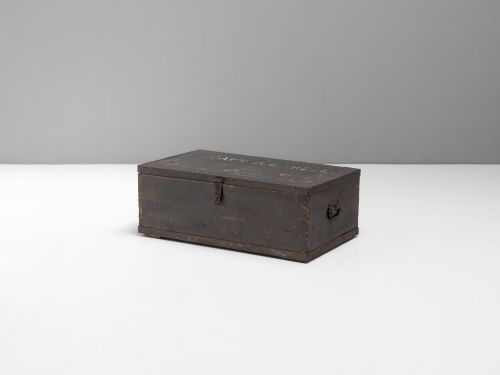
Makers constructed the larger utilitarian boxes and trunks primarily from solid pine, frequently applying scumble glazes, faux-wood graining, or plain lead-based paint to protect the soft timber and mimic more costly hardwoods. Iron and brass hinges, lock plates, and drop handles reinforced these travelling and storage pieces against heavy daily use.
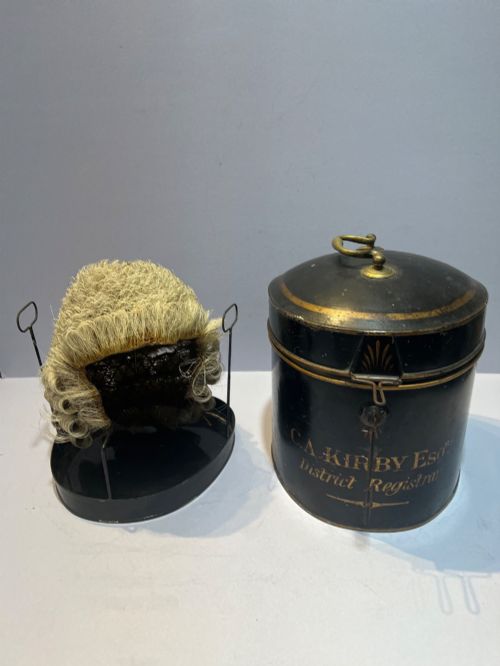
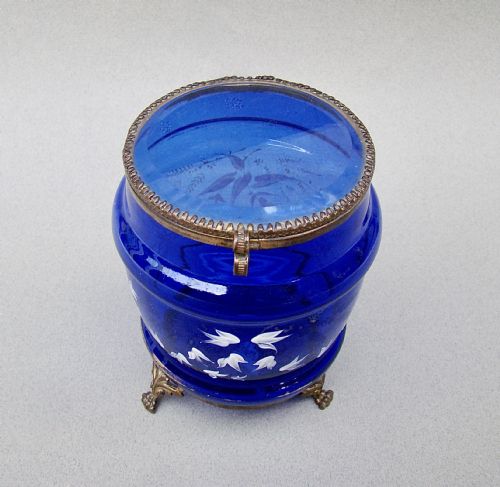
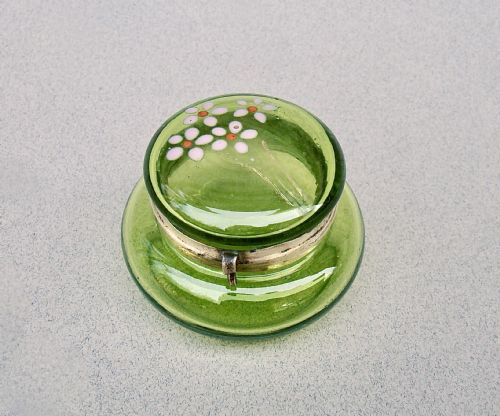
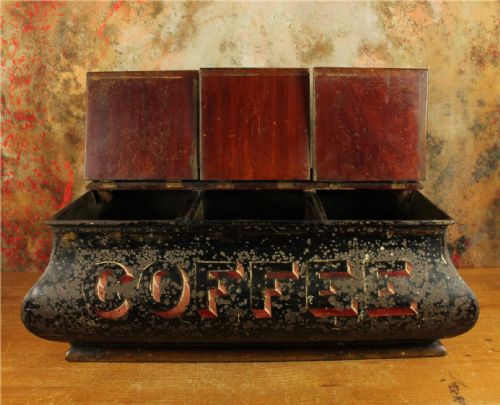
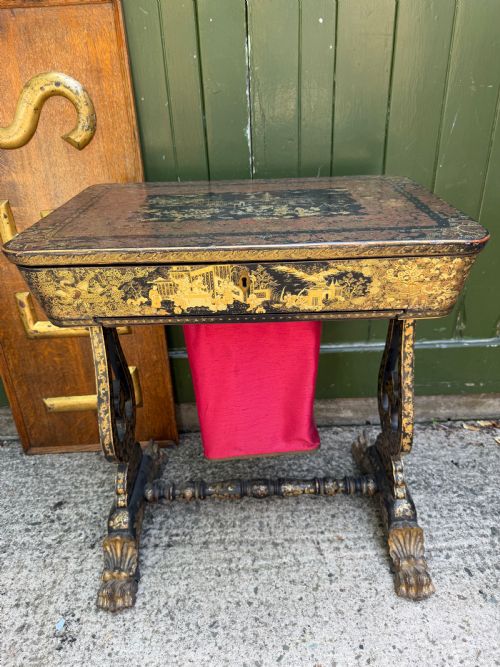
Finer tabletop items utilised materials such as papier-mâché, tin toleware, glass, and porcelain, decorated with hand-applied pigments, gilt detailing, and lacquer work. Artisans layered varnishes and paints over these surfaces to achieve smooth finishes on sewing tables, tea caddies, and jewellery caskets.
Some nineteenth-century travellers entrusted their hats to miniature salesman sample trunks.
What varies in quality
The survival of original surface finishes dictates much of the appeal, distinguishing items retaining their authentic nineteenth-century coats of paint, scumble, or lacquer from those subjected to later refinishing. The subtlety of the hand-brushwork and the preservation of decorative gilt or folk motifs separate standard utility items from more accomplished examples.
Structural integrity and hardware completeness also define the grade, with intact campaign brasses, working original locks, and sound dovetailed joints representing superior craftsmanship. The sophistication of the form, whether a simple country pine kist or a detailed porcelain-mounted jewellery casket, governs the overall standard.
Eade and Son·Drew and Sons·Coalbrookdale
The Victorian Painted Box Glossary
- Scumble
- A translucent layer of dark oil paint dragged or brushed over a lighter base colour to imitate the natural grain of oak or walnut. This technique was widely applied to nineteenth-century pine boxes and trunks.
- Toleware
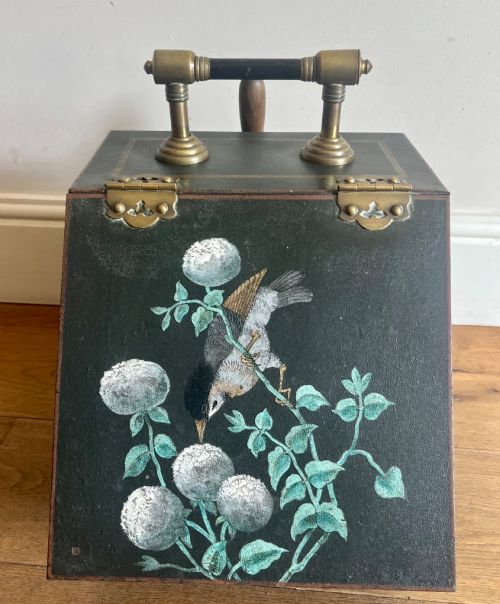
- Enamelled and hand-painted metalware, usually tin or iron, produced for domestic use such as coal scuttles, trays, and kitchen buckets. The items typically feature dark ground colours adorned with floral or gilt motifs.
- Campaign chest
- A portable trunk or set of drawers split into sections with recessed brass handles and corner brackets, designed for easy transport by military officers. These pieces often feature sturdy timber construction and secure locking mechanisms.
- Papier-mâché
- A composite material made from paper pulp or layers of paper bound with glue, pressed into moulds, and baked before receiving layers of lacquer and paint. It served as a lightweight base for Victorian tea caddies and stationery boxes.
Victorian Painted Box: Frequently Asked Questions
What were painted boxes used for?
Nineteenth-century households relied on these containers for storing blankets, legal documents, kitchen goods, and personal valuables. Larger trunks managed travel and estate storage, while smaller boxes organised tea, stationery, and writing materials.
Craftsmen tailored each design to its specific contents, incorporating compartments, trays, or reinforced corners to protect items during domestic use or transport.
How do I identify original paint?
Original nineteenth-century surfaces usually exhibit micro-craquelure, subtle fading, and natural wear patterns accumulated over decades of handling. Beneath the top layers, you may find historic preparation coats or timber patination consistent with the period.
Modern repaint jobs often sit uniformly over the wood without integrating into the grain or showing genuine edge loss around handles and feet.
Are these boxes waterproof?
While paint and lacquer provide a degree of moisture resistance for everyday handling, these historical containers were not sealed for outdoor exposure. Storing them in dry indoor environments prevents the timber from warping and protects the fragile paint layers.
Iron hardware and hinges on these pieces can also develop rust if subjected to damp conditions over extended periods.
How should I clean a painted surface?
Maintenance requires only a soft, dry cloth to remove dust from corners, hinges, and decorative surfaces. Water and chemical solvents risk lifting historic pigments, scumble glazes, and delicate gilt details.
Preserving the existing patina relies entirely on avoiding abrasive cleaners and maintaining stable indoor humidity levels.