
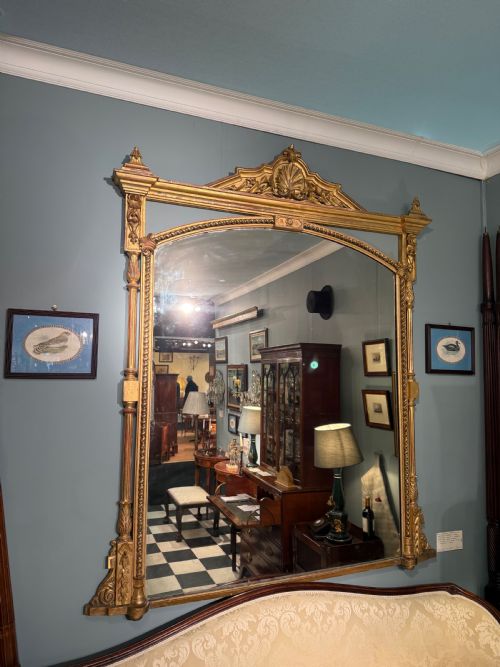
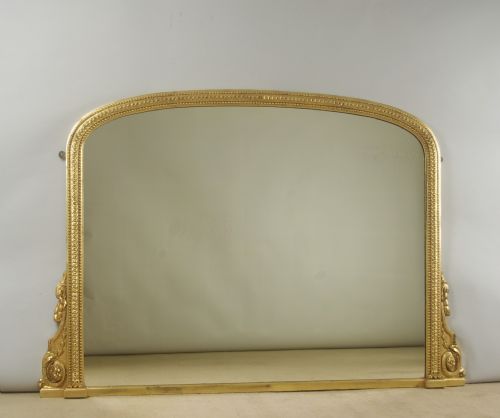
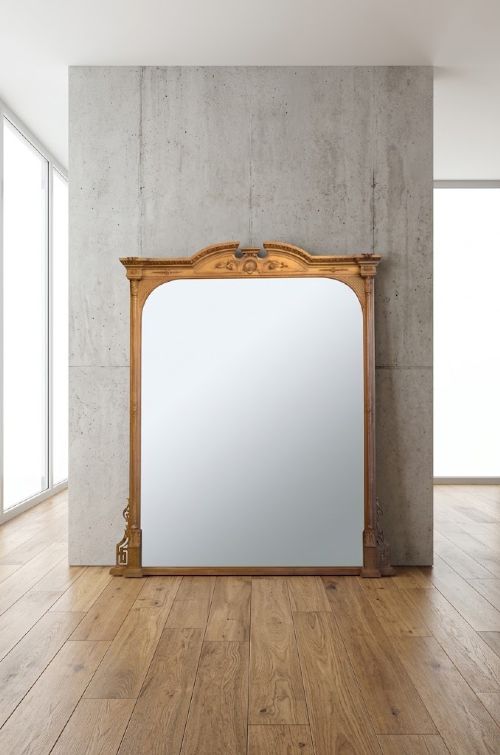
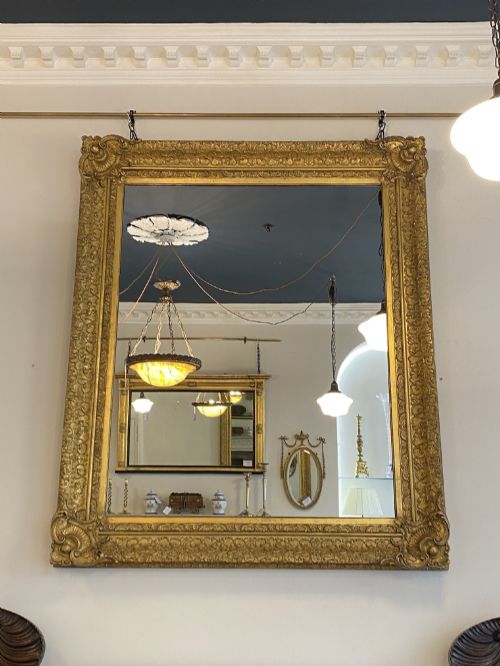
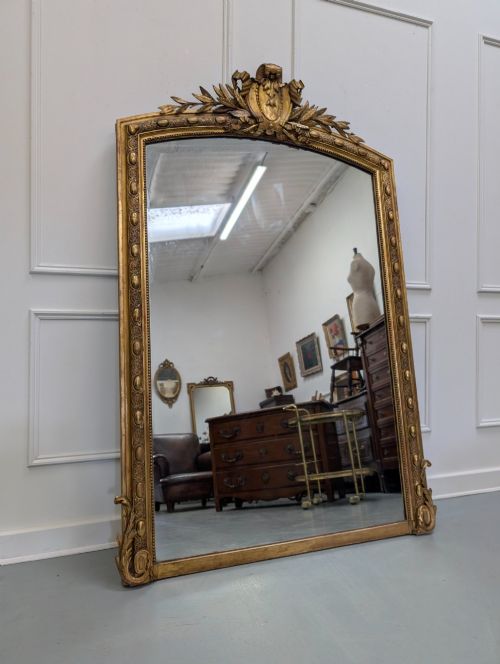
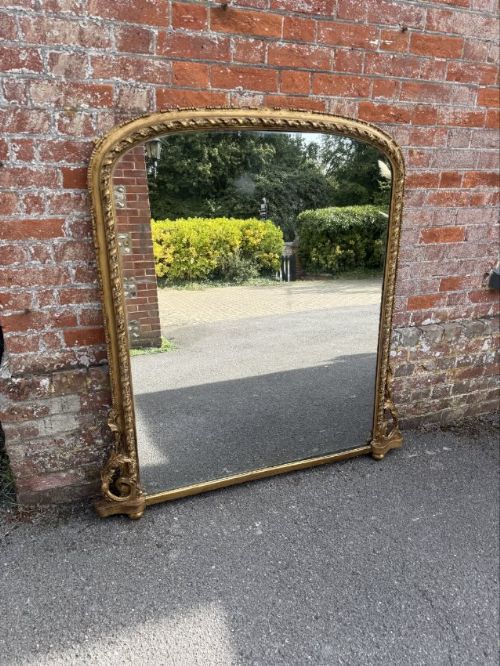
Victorian Overmantel Mirror Frame
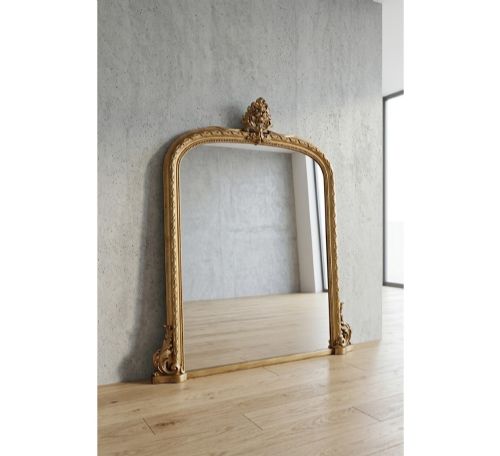
A victorian overmantel mirror frame anchors a room with architectural scale and period presence, designed originally to sit above a fireplace.
Victorian Overmantel Mirror Frame
When searching for a victorian overmantel mirror frame, buyers encounter large, horizontal formats built to span the width of a chimney breast. These pieces define nineteenth-century interiors through architectural proportions and substantial framing.
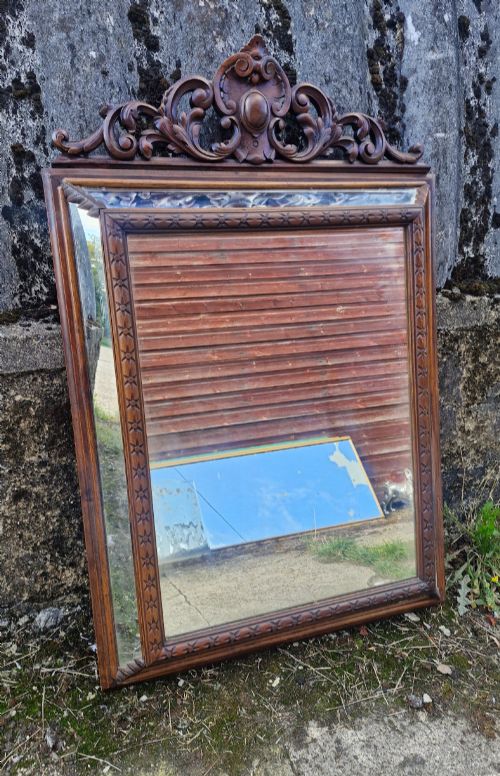
The most common examples on this page date from the mid to late nineteenth century, spanning eras from early Victorian to Edwardian revivals. Pieces appear in both giltwood finishes and dark woods like oak and walnut.
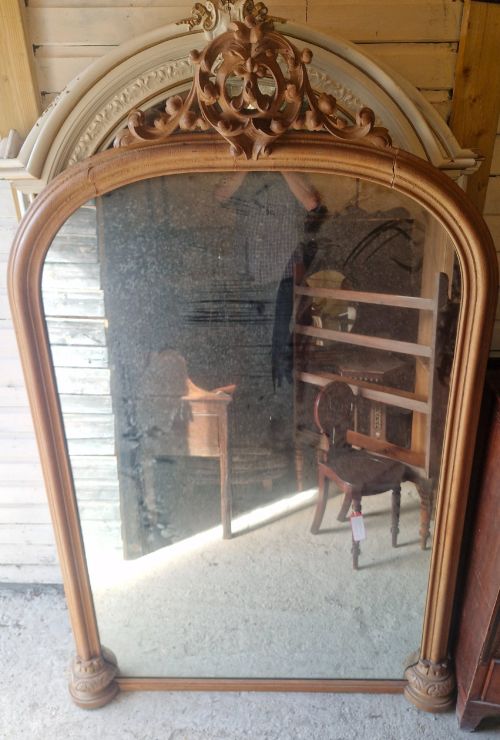
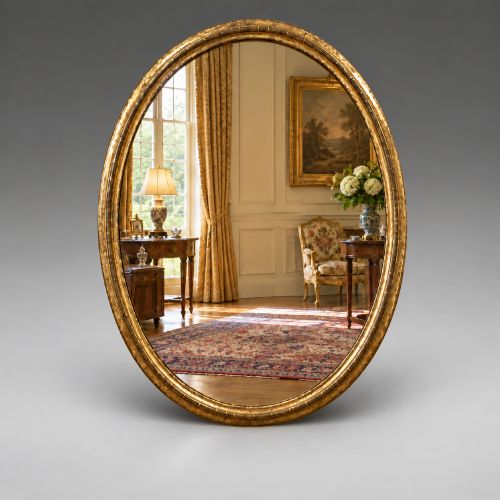
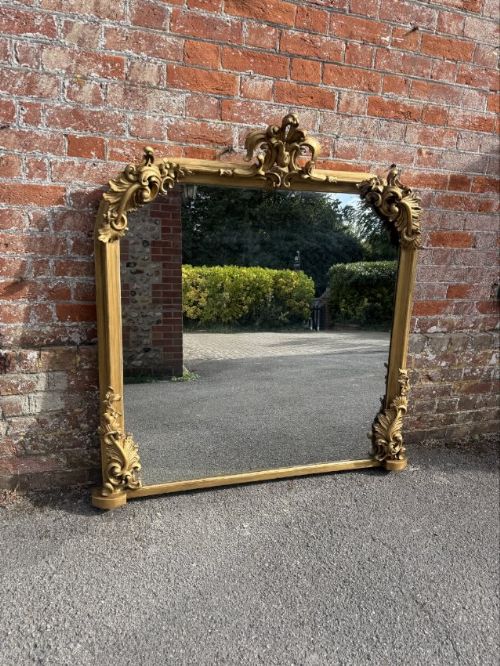
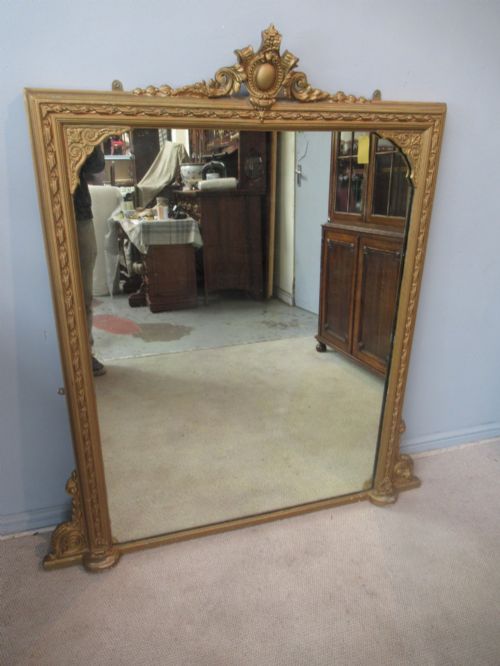
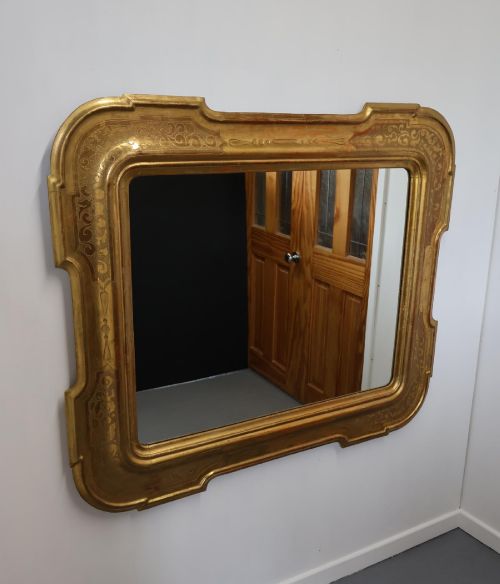
Forms vary from arched tops and shaped frames to triptych designs crested with decorative motifs. Many retain their original proportions for placement above mantels or as leaner mirrors.
Materials and construction
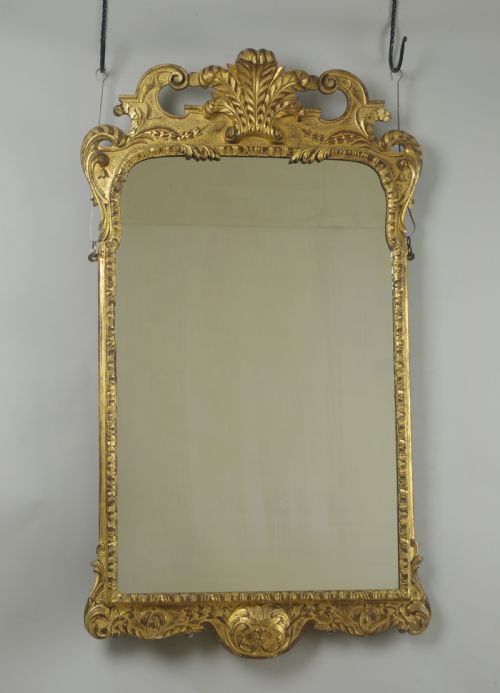
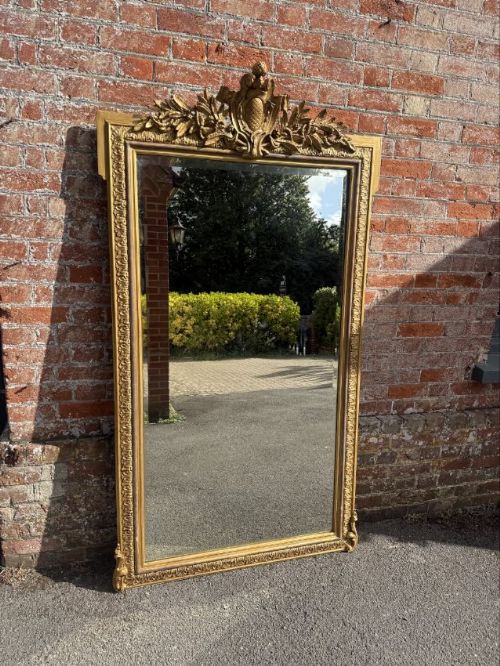
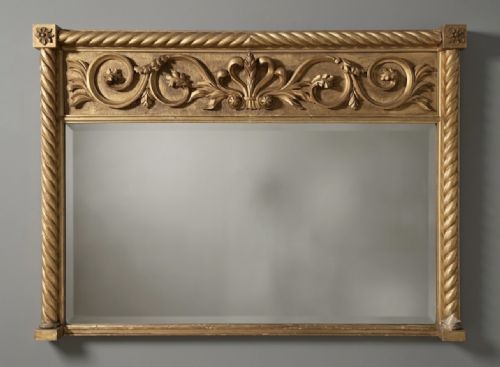
Carved wood and gesso provide the foundation for ornate gilded surfaces, allowing craftsmen to mould intricate relief work including acanthus leaves and rope twists. Gold leaf and composition materials build up the heavy ornamentation characteristic of the period.
Solid timber frames in oak, walnut, and mahogany utilise traditional joinery to support heavy mirror plates. Giltwood frames employ layered preparation before the application of gilding to create reflective depth.
Keep an eye out for frames carrying the cheerful silhouette of the Ho-H o bird cresting.
Assessing craftsmanship and execution
The depth and crispness of the carved wood and gesso relief distinguish finer examples from simpler production. Hand-chased detailing and well-executed composition ornament show superior workshop standards.
The integrity of the frame construction and the preservation of original gilding or wood finishes determine the standing of each piece. Original mirror plates showing natural ageing add historical character.
The Victorian Overmantel Mirror Frame Glossary
- Overmantel
- A mirror or frame specifically designed to be hung or placed upon the mantelpiece above a fireplace. These pieces typically feature wide proportions suited to the span of a hearth.
- Gesso
- A plaster-like material applied to wooden frames and carved or moulded into decorative reliefs before gilding. It provides a smooth surface for gold leaf application.
- Giltwood
- Timber that has been coated with gold leaf or gilt paint. This finish creates a bright decorative surface popular in nineteenth-century formal interiors.
- Pier glass
- A tall mirror designed to fit on the wall between windows, though the term overlaps with large architectural wall mirrors in period listings.
- Foxed glass
- Mirror glass showing natural degradation and dark spots caused by age and moisture affecting the backing. This patination is valued for authenticity.
Victorian Overmantel Mirror Frame: Frequently Asked Questions
Where should an overmantel mirror be hung?
These frames sit traditionally above a fireplace mantel to reflect light and anchor the room's proportions.
Alternatively, large examples function effectively as leaner mirrors placed directly on the floor against a wall.
How do I identify a Victorian frame?
Look for specific construction traits, wood types, and decorative styles typical of the nineteenth century.
Periods are indicated through characteristic motifs such as acanthus leaves, gesso moulding, and specific revival styles.
Are the mirror plates original?
Many surviving frames retain their original glass, often identifiable by foxing and age spots.
Some pieces feature later replacement plates fitted during their history while keeping the antique frame intact.
What woods were used in these frames?
Framing materials include oak, walnut, and mahogany for timber finishes.
Gilt pieces typically use a carved wood and gesso construction beneath the gold leaf.