
Victorian Overmantel Frame
A Victorian overmantel frame anchors a fireplace with grand proportions, bringing reflected light and substantial architectural presence into a room.
Victorian Overmantel Frame
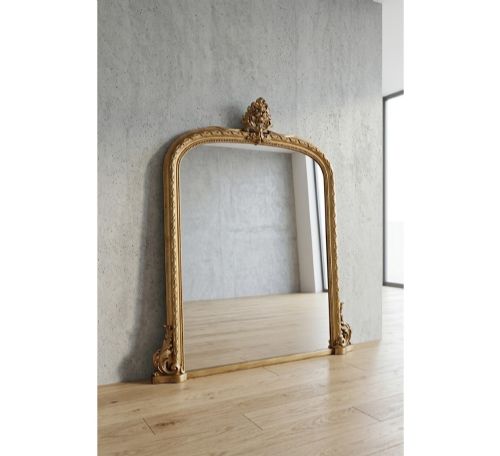
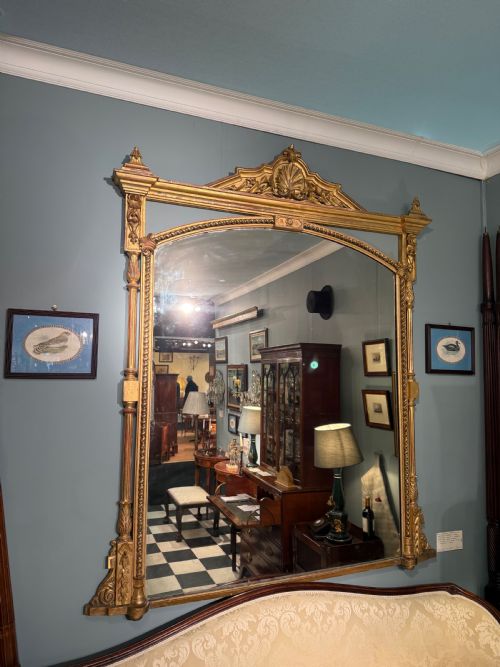
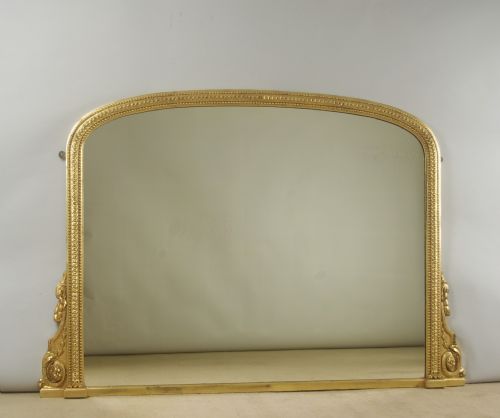
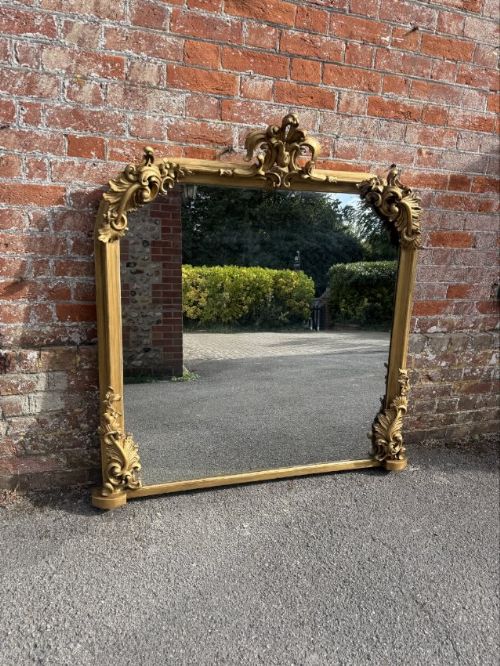
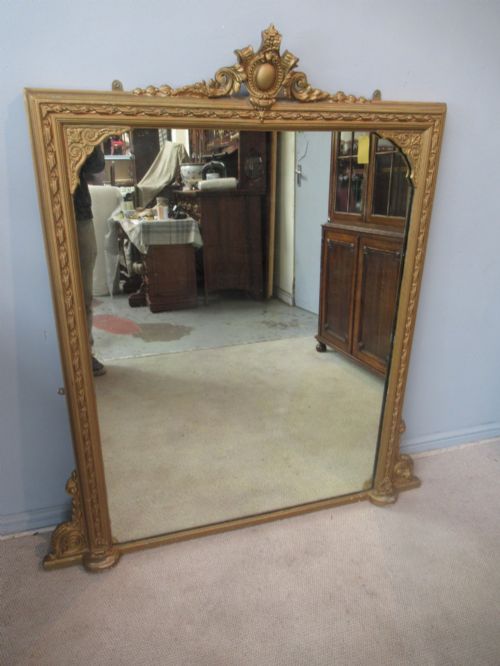
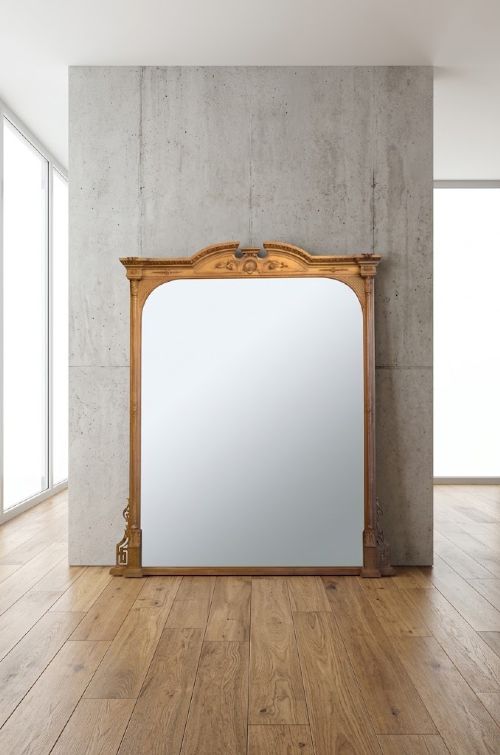
A Victorian overmantel frame sits above a fireplace mantel, designed specifically to complement the hearth and draw the eye upward in a principal room. These large mirrors span across various periods of the nineteenth century, ranging from early Victorian walnut examples to late nineteenth-century giltwood pieces.
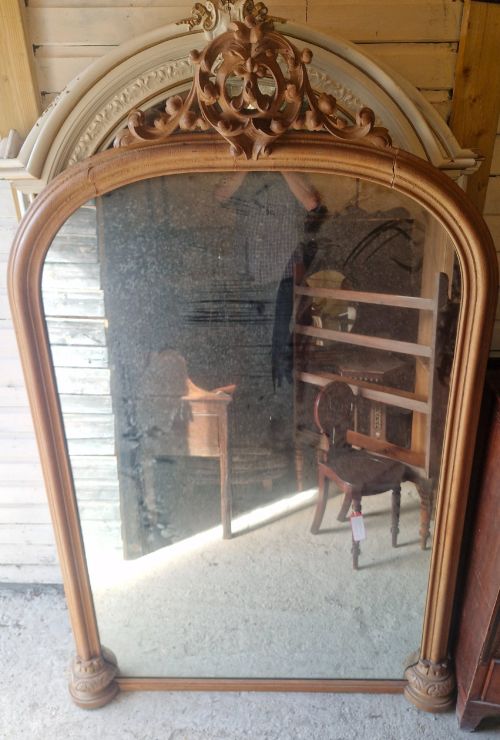
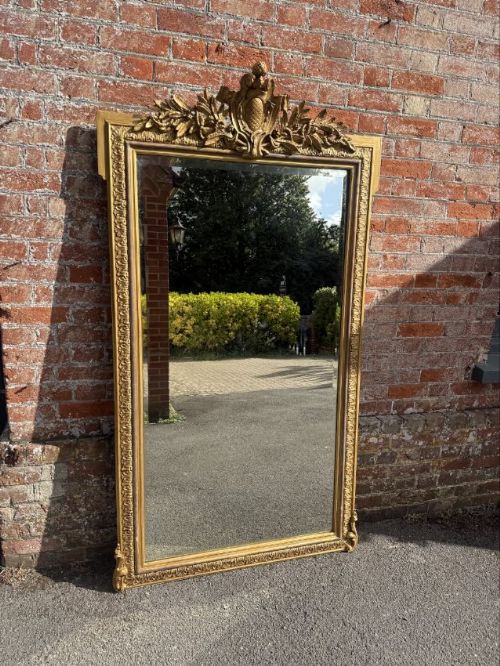
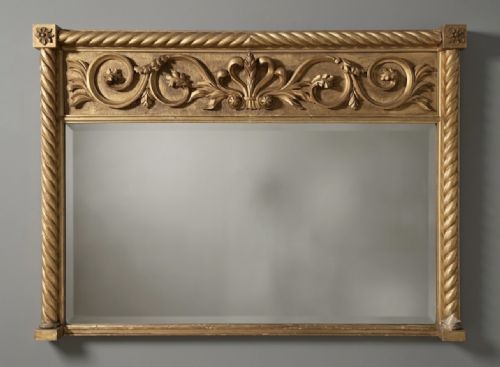
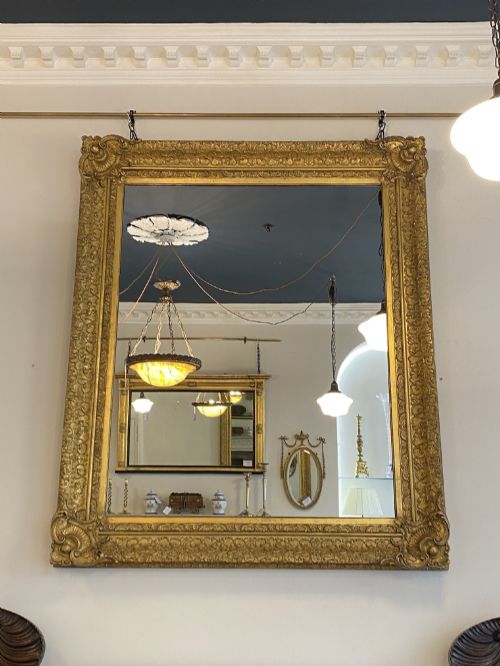
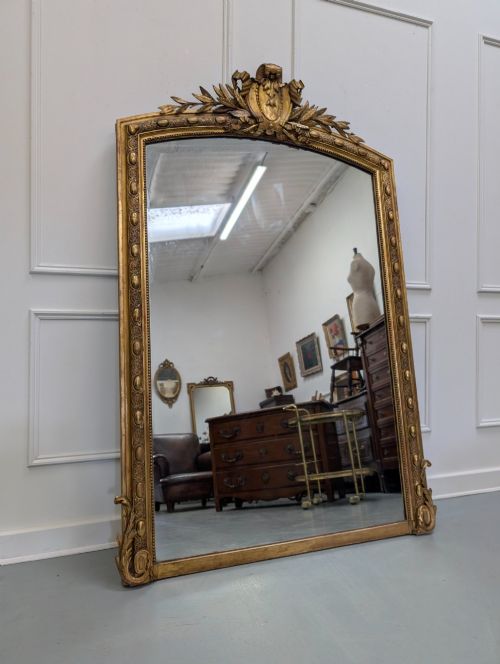
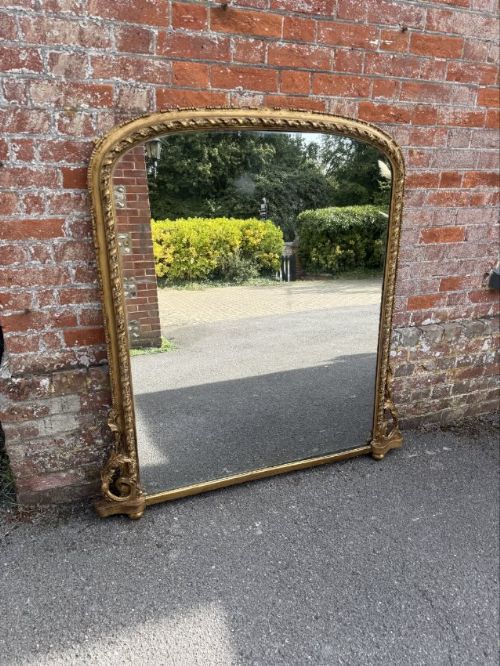
The most common versions met on this page are substantial gilt gesso and carved wood pieces featuring arched tops, rope twists, and classical column details. They frequently appear as wall mirrors or larger leaner mirrors created to dominate the chimney breast.
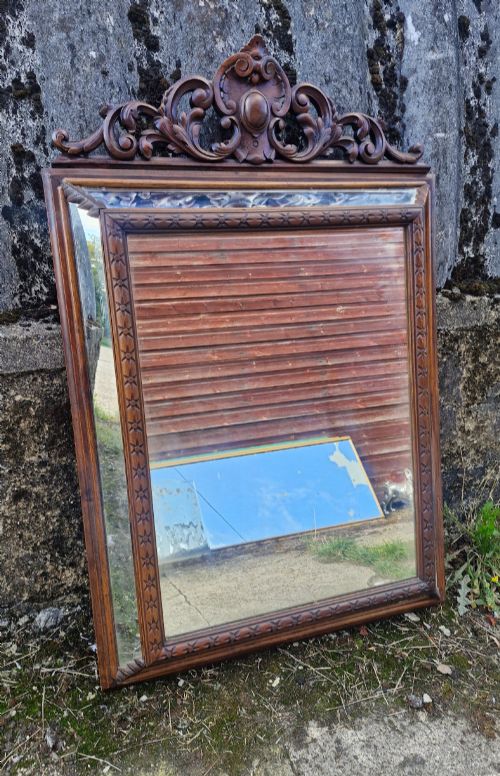
Makers and craftsmen of the era utilised distinct regional styles, producing everything from ornate French Rococo Revival frames to sturdy carved English oak variations. The physical scale of these items allows them to function as major decorative statements within domestic interiors.
Materials and construction
Carved wood forms the structural foundation of these frames, with oak, walnut, and mahogany providing robust support for heavy glass plates. Craftsmen frequently applied gesso over the wooden base to build up intricate relief ornaments, acanthus leaf decorations, and crestings.
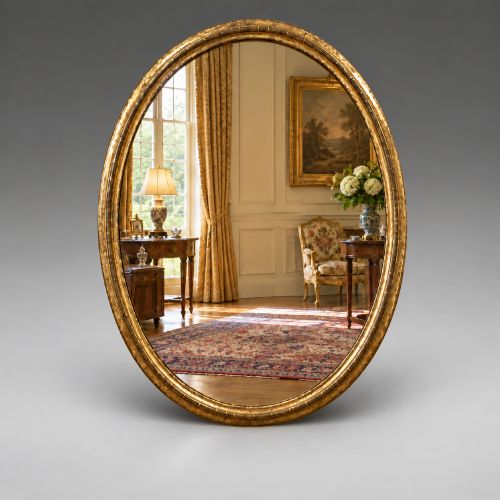
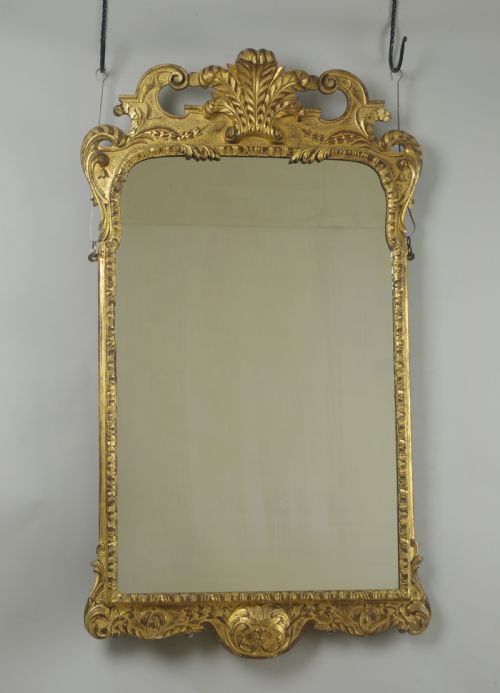
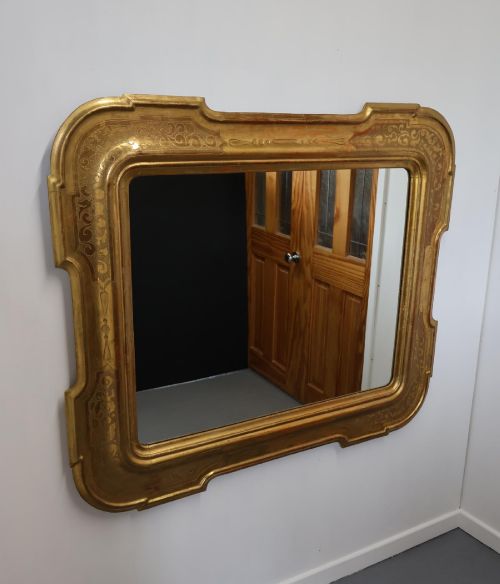
Guilders then applied gold leaf or metallic paint over the prepared gesso surfaces to create the brilliant reflective finishes characteristic of the period. Composition ornaments were also moulded separately and fixed to wooden frames to accelerate the production of complex decorative motifs.
Listings feature items spanning the nineteenth century, incorporating materials such as giltwood, oak, walnut, gesso, and original mirror glass.
Evaluating craftsmanship
The depth and crispness of the hand-carving separate standard production pieces from finer works, where artisan detail remains sharp in every acanthus scroll and rope twist. Superior examples display seamless joins in the wooden framework and expert application of gesso that resists cracking over time.
The original quality of the mirror plate and the degree of authentic foxing contribute significantly to the character and desirability of the piece. Substantial weight and integrated structural bracing indicate robust nineteenth-century construction designed to endure decades above a warm hearth.
The Victorian Overmantel Frame Glossary
- Overmantel
- A large mirror or frame specifically designed to hang or stand upon the mantelpiece above a fireplace. These items were essential focal points in Victorian reception rooms.
- Gesso
- A plaster-like mixture applied to wood frames and carved or moulded into intricate decorative reliefs before gilding. It provides a smooth surface for gold leaf application.
- Giltwood
- Timber that has been coated with gold leaf or gold paint. This finish catches candlelight and natural illumination effectively.
- Foxed glass
- Mirror glass showing characteristic dark spots and discoloration caused by the degradation of the backing over time. It offers a soft, atmospheric reflection.
- Rococo Revival
- A nineteenth-century design style emulating the ornate, asymmetrical scrolls and natural motifs of the eighteenth-century French Rococo movement.
Victorian Overmantel Frame: Frequently Asked Questions
How do I hang a heavy overmantel frame?
These substantial frames require secure fixing directly into wall studs or masonry using heavy-duty brackets to support their considerable weight safely.
Many period pieces were originally designed to rest directly on the slate or marble mantelpiece while being anchored to the wall for stability.
Were these frames always placed above fireplaces?
While specifically proportioned for chimney breasts, larger examples frequently functioned as standalone leaner mirrors in grand hallways and principal drawing rooms.
Their generous dimensions allowed them to reflect maximum light across deep Victorian living spaces regardless of their exact placement.
How do I identify a mid Victorian frame?
Mid-nineteenth-century examples often combine classical architectural elements like columns with heavily gilded gesso ornamentation and arched wooden crests.
Closer inspection of the backing boards and construction fixings helps confirm the manufacturing era alongside stylistic clues.
What is the difference between an overmantel and a pier glass?
An overmantel is built wide and proportioned to span the horizontal space of a fireplace mantel, whereas a pier glass is typically taller and narrower.
Pier glasses were traditionally hung on the narrow wall space or pier between two windows to maximise room illumination.