



Victorian Oval Pendant
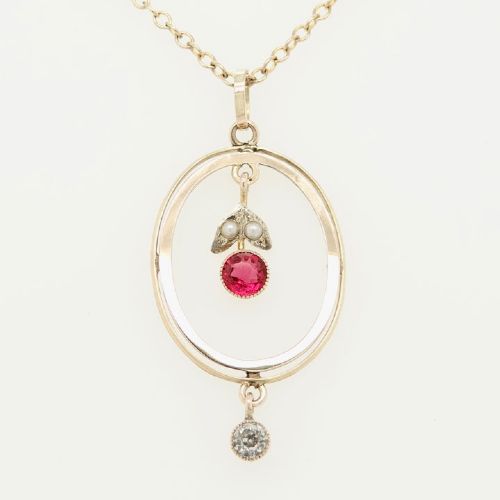
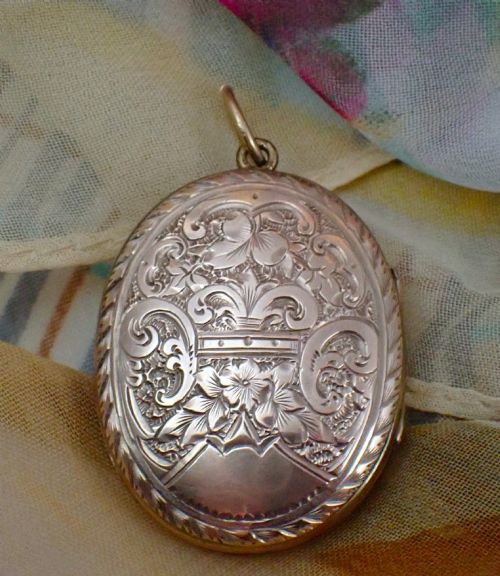
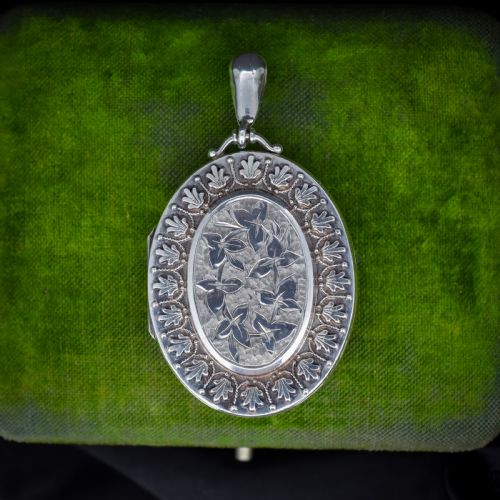
These victorian oval pendant pieces span silver and gold work set with seed pearls, diamonds, and gemstones, offering wearable history.
Victorian Oval Pendant
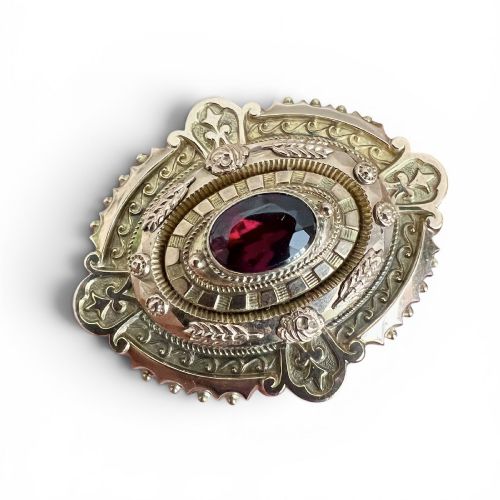
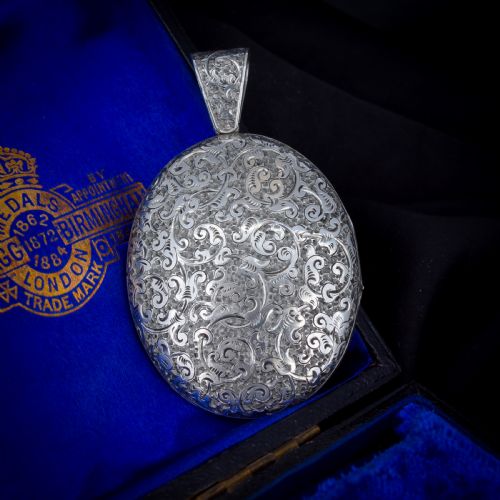
When you search for a victorian oval pendant, you encounter a selection of jewellery primarily comprising lockets, brooches, and pendants spanning the nineteenth century and the early twentieth century. The forms range from simple photo lockets and engraved silver pieces to elaborate garnet and diamond designs drawing on earlier historical revivals.
How they were made
The construction relies heavily on sterling silver and gold, including nine-carat, fifteen-carat, and eighteen-carat standards, alongside filled or back-and-front configurations. Metalworkers utilised techniques such as hand engraving, black enamel application, and repoussé work to decorate the exterior surfaces.
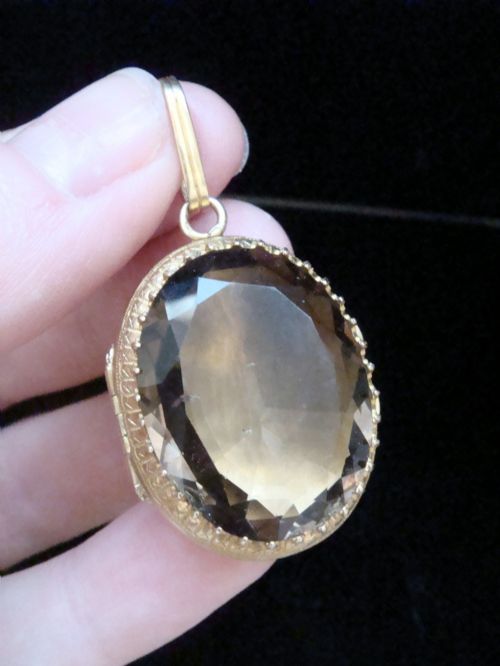
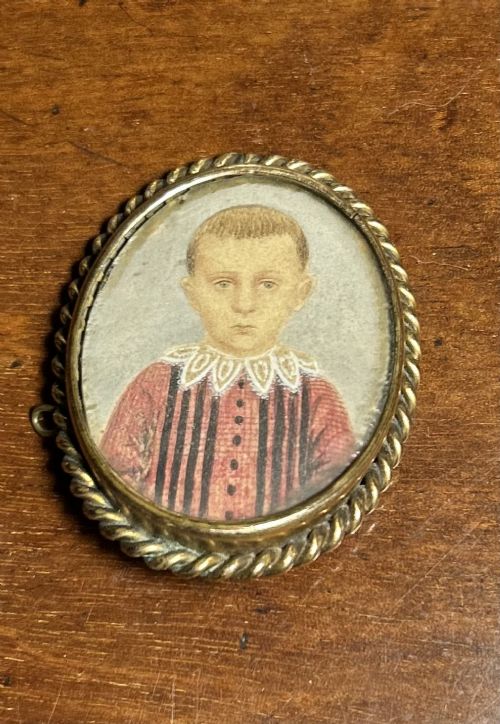
Gemstones including diamonds, seed pearls, citrines, garnets, sapphires, and paste stones are flush-set, bezel-set, or claw-set into the precious metals. Miniature paintings on watercolour and carved shell cameos are similarly mounted into bespoke metal frames to create these hybrid pieces.
One locket whispers of eternal bonds through an enamel AEI motif, standing for "Amity, Eternity, and Integrity".
What varies in quality
The distinction between standard examples and finer items rests on the depth and precision of the craftsmanship, such as the intricacy of floral and ivy hand engraving or the fidelity of a portrait miniature. Solid gold and substantial silver weights elevate a piece above thinner back-and-front constructions.
Quality also appears in the selection and setting of materials, where well-matched natural seed pearls, clean citrines, or old-cut diamonds demonstrate superior workshop standards compared to simpler glass or paste alternatives.
The Victorian Oval Pendant Glossary
- Locket
- A hinged piece of jewellery designed to open and enclose a small portrait, lock of hair, or photograph. Most examples found here take an oval form in silver or gold.
- Back and front
- A construction method where the outer shell of the locket is made of precious gold while the internal structure utilises a base metal for strength.
- Etruscan Revival
- A nineteenth-century design style inspired by ancient archaeological discoveries, characterised by applied wirework, granulation, and classical motifs on gold jewellery.
- Seed pearl
- A very small, naturally formed pearl often used in clusters or borders around central gems in Victorian decorative pieces.
Victorian Oval Pendant: Frequently Asked Questions
What fits inside an antique oval locket?
These compartments were traditionally designed to hold small paper photographs, hand-painted portrait miniatures on watercolour, or braided locks of human hair kept as mementoes.
Modern wearers often use trimmed photographs cut to follow the internal oval shape of the frame.
How do I wear a convertible brooch pendant?
Many Victorian pieces feature a fold-down loop alongside a pin fastening, allowing the item to function interchangeably as a chest brooch or a neck pendant.
Securing the pin safely when worn on a chain requires ensuring the C-clasp or safety catch engages correctly.
How do I date a Victorian silver pendant?
Dating relies on stylistic clues such as Aesthetic Movement engraving, Etruscan wirework, or specific motifs like swallows and ivy, alongside any accompanying hallmarks.
Assay office marks and date letters stamped on the silver provide the exact year of manufacture where present.