



Victorian Outdoor Lighting
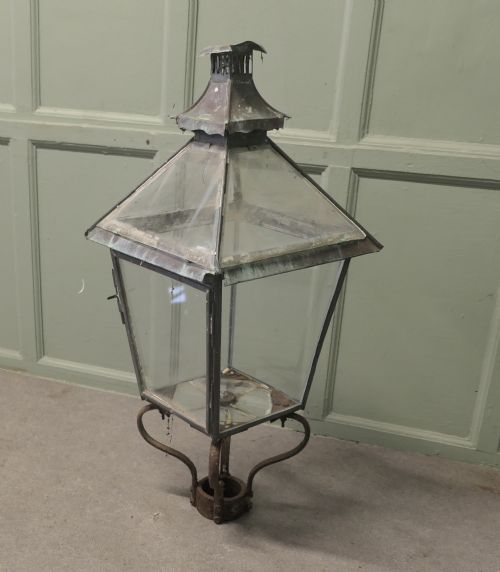
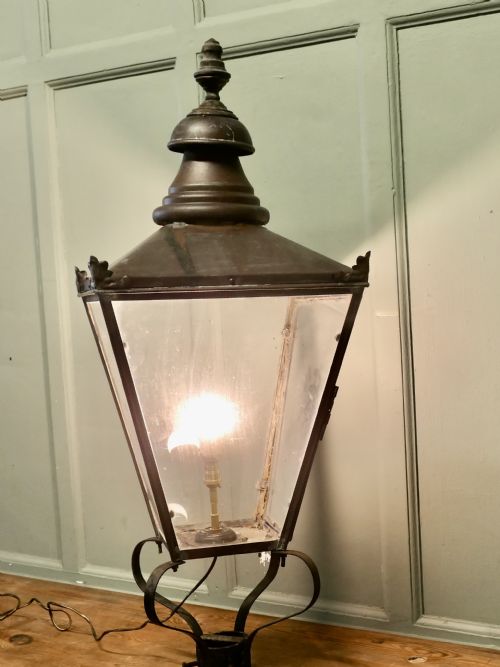
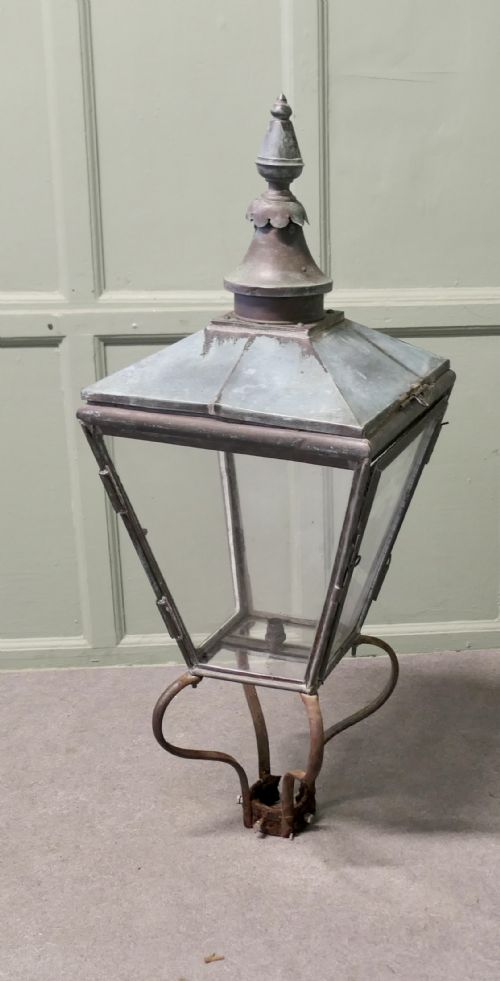
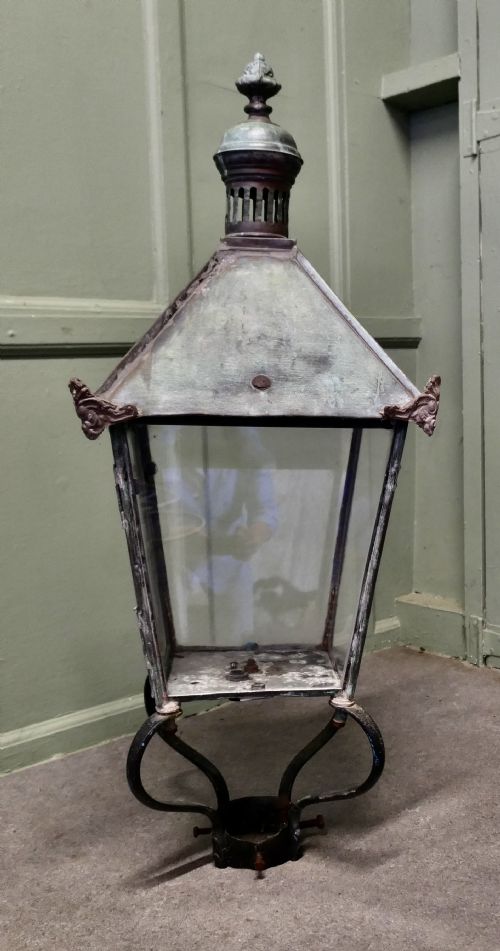
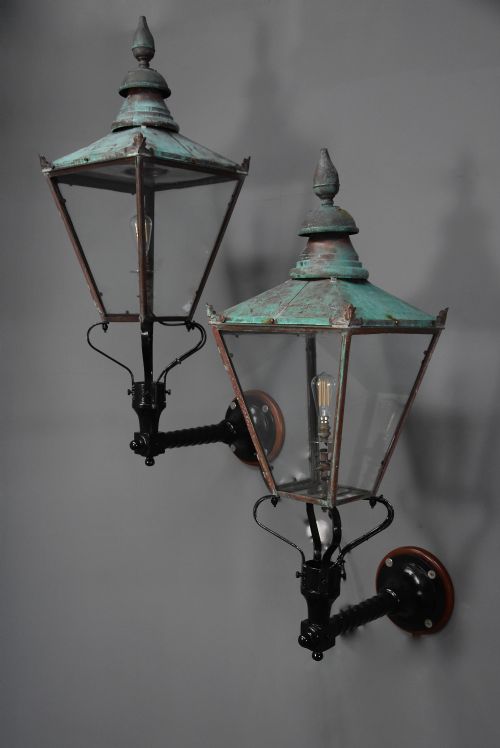
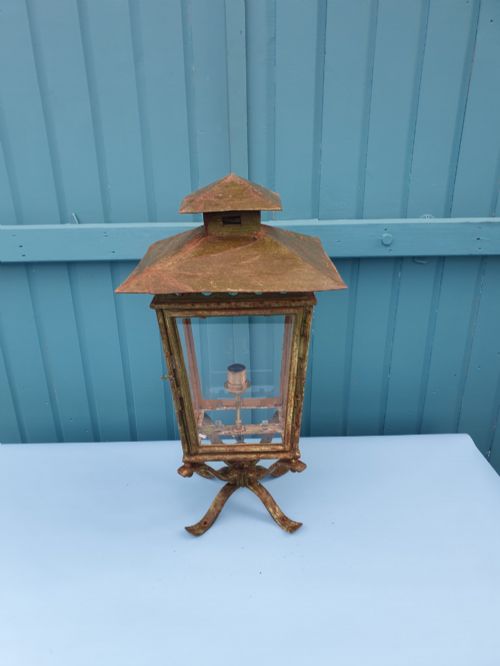
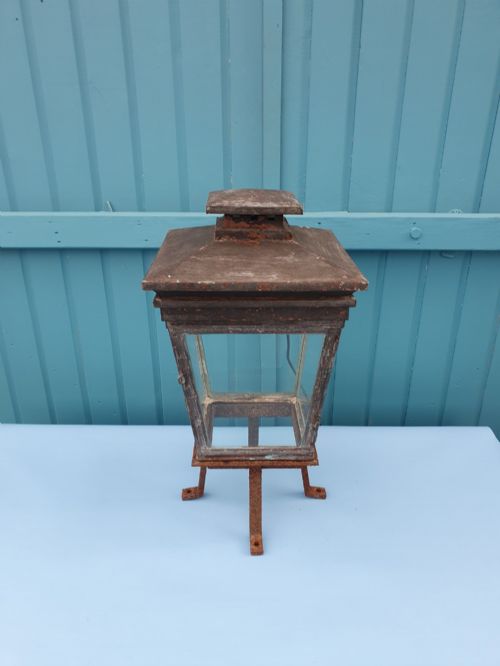
Victorian outdoor lighting brings genuine period character to exterior spaces through robust metal framing and glass panels designed to weather the elements.
Victorian Outdoor Lighting
Victorian outdoor lighting encompasses sturdy lanterns, wall lights, and lamp posts designed to illuminate exterior spaces with period authenticity. When exploring victorian outdoor lighting, you encounter substantial pieces originally configured for gas or early electric illumination on streets, coach-houses, and porches.
Beyond standard wall lanterns and hanging fixtures, the category includes rarer survivals such as converted gas lamps and architectural elements like cast iron cloches. These pieces bridge domestic comfort and civic utility from the nineteenth century.
Materials and construction methods
Copper dominates the construction of these lanterns, frequently shaped by hand to create durable housings capable of withstanding outdoor exposure. Iron and wrought iron provide structural support for heavy brackets and lamp posts.
Glazing relies on thick clear or frosted glass panels secured within metal frames to protect the internal burner or bulb. Painted metal finishes and verdigris patination protect the underlying surfaces while adding historic visual depth.
Listings feature items spanning the Victorian era, nineteenth century, and early twentieth century up to the nineteen-thirties.
Assessing quality and proportion
Quality rests in the weight of the metal gauge and the integrity of the soldered or riveted joints holding the glass panels. Finer examples exhibit sophisticated decorative elements like spiral twist brackets, cast shamrocks, or distinct neo-classical cresting.
The conversion process from gas to electricity alters the interior fittings, yet superior items preserve the original external volume and patination without clumsy alterations. Scale also dictates desirability, with larger matched pairs commanding greater presence for architectural placement.
A Foster & Pullen Bradford·Revo Tipton
The Victorian Outdoor Lighting Glossary
- Verdigris
- A green patina formed naturally on copper and brass surfaces through atmospheric oxidation. This chemical change provides a protective layer and a desirable antique appearance.
- Coach-house style
- An architectural design tailored for carriage houses and stables, typically featuring robust bracket mounts and protective overhangs. These fixtures directed light over doorways and stable yards.
- Swan neck
- A curved metal arm supporting a light fixture, resembling the neck of a swan. This profile distances the lantern from the wall or post for wider light distribution.
- Gothic Revival
- An architectural and decorative style drawing inspiration from medieval forms, featuring pointed arches and ornate tracery. Lanterns in this taste emphasise vertical lines and ecclesiastical motifs.
- Cloche
- A bell-shaped garden cover traditionally utilised for protecting plants from frost. In iron, these serve as robust horticultural ornaments.
Victorian Outdoor Lighting: Frequently Asked Questions
Can these antique lanterns be wired for modern electricity?
Most of these fixtures are easily adapted for contemporary electrical circuits by a qualified electrician, often utilising the existing internal chambers where gas burners once sat.
Careful positioning of modern lamp holders ensures the original glass and metalwork remain unaltered during conversion.
How do I mount a heavy copper street lantern?
Due to the substantial weight of copper and iron components, secure installation requires structural fixings into solid masonry or reinforced timber backing.
Pairing large lanterns with appropriate wall brackets or lamp posts distributes the load safely for exterior display.
Are these lights weatherproof for year-round outdoor use?
The combination of heavy-gauge copper, iron, and fitted glass offers natural resilience against rain and wind when properly sealed and maintained.
Period protective coatings or applied patinas help shield the metals from aggressive corrosion over successive winters.
How can I identify a genuine nineteenth-century piece?
Authentic items display hand-formed metal seams, traditional fixings, and natural patination developed through decades of environmental exposure.
Stylistic markers such as Gothic Revival motifs or gas conversion evidence further support the period attribution.