


Victorian Openwork Pendant
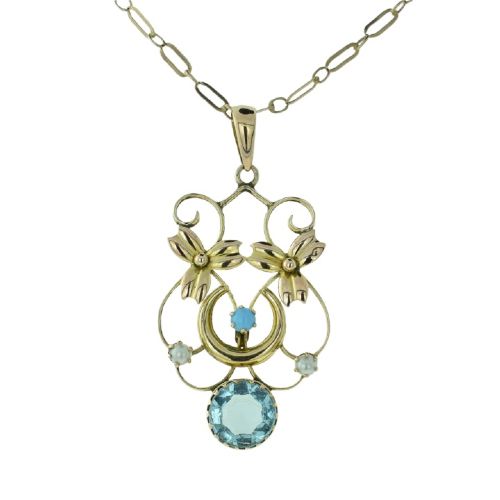
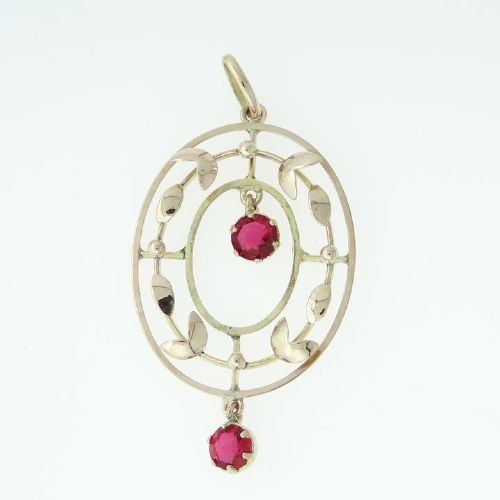
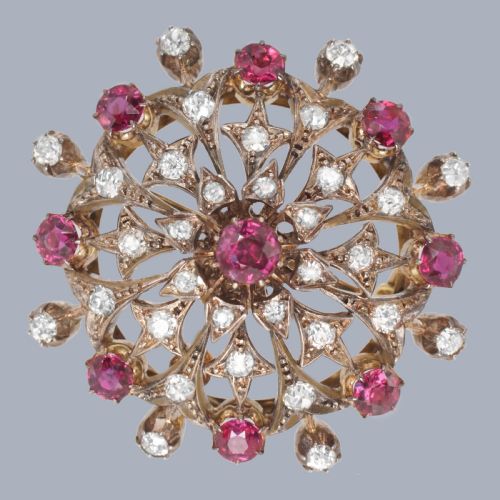
These Victorian openwork pendant examples are intricate pierced metal designs set with gems, offering delicate historic charm for daily wear.
Victorian Openwork Pendant
A victorian openwork pendant is a delicate jewel defined by pierced metalwork, creating light, airy frameworks of gold or silver. These pieces date principally from the Victorian era alongside related Edwardian and Georgian revival periods, capturing the intricate metalcraft of the late nineteenth century.
The forms vary from simple teardrops and foliate clusters to versatile brooch-pendant combinations and lockets. Stones such as peridot, amethyst, garnet, pearl and diamond frequently punctuate the open gold and silver frames.
How They Were Made
Craftsmen built these jewels using nine-carat or fifteen-carat yellow and rose gold, sterling silver, and occasionally cast brass. They pierced and filed the sheet metal by hand to achieve the signature openwork patterns.
Gems including seed pearls, blue topaz, turquoise, sapphire and paste were set into the pierced frames using traditional claw and collet techniques. Many incorporate secondary fittings to allow dual wear as both pendants and brooches.
One unexpected Victorian piece on the page is a solid cast brass ceiling rose, proving the era applied decorative openwork to houses as well as jewellery.
What Varies in Quality
The refinement of the pierced metalwork dictates the overall quality, separating crisp, hand-cut lattice patterns from softer, heavier castings. Clean execution in the openwork creates a lighter, more balanced suspension on the neck.
Stone selection and matching also divide the range, from uniform natural pearls and saturated amethysts to simpler simulated gems and paste. The precision of the setting work and the integrity of the original metal components complete the distinction.
The Victorian Openwork Pendant Glossary
- Openwork
- Metal design that has been pierced or cut through to create a pattern of holes and solid areas. This technique reduces the weight of the piece and lets light pass through the setting.
- Foliate
- Ornamentation styled after leaves and foliage. It appears frequently in the naturalistic floral motifs of these jewels.
- Paste
- Hand-cut glass used as a gemstone substitute in historic jewellery. High quality paste exhibits strong light refraction and sits in bespoke metal settings.
- Collet
- A flat collar or band of metal that holds a gemstone in place by its girdle. This secure setting style is typical of period work.
- Seed pearl
- Very small natural saltwater or freshwater pearls utilised for delicate borders and floral clusters. They lend a soft lustre to the brighter gold and silver frames.
Victorian Openwork Pendant: Frequently Asked Questions
How do I wear a convertible brooch pendant?
Many period pieces feature a hidden loop alongside a pin fitting on the reverse, allowing them to hang from a chain or fasten securely to garments. You can thread a fine gold or silver chain through the bail for daily necklace wear.
When converting the piece back into a brooch, ensure the safety catch fastens firmly to protect the delicate openwork frame from bending during use.
Are these pendants fragile?
The pierced metal frameworks require mindful handling because the fine gold or silver lattices can bend under sharp pressure. Storing them flat in a dedicated jewellery box prevents accidental impacts.
Take care to remove the pieces before swimming, bathing, or engaging in strenuous physical work to protect the delicate seed pearls and soft gold.
How do I clean an antique openwork pendant?
Use a soft, dry microfibre cloth to gently polish the metal surfaces and remove everyday oils. Avoid chemical dips, abrasive pastes, and ultrasonic cleaners, which can damage seed pearls and loosen delicate stone settings.
If the piece requires deeper cleaning, a damp cloth with mild soap followed by immediate drying is sufficient for most gold and gemstone combinations.
What chain length suits these pendants?
Shorter chains between sixteen and eighteen inches place the jewel high on the chest, where the intricate pierced details and gemstone colours catch the light best. This length mirrors historical ways of wearing similar Victorian neckwear.
Choose a fine, simple chain that complements the weight of the pendant without distracting from the central openwork design.