


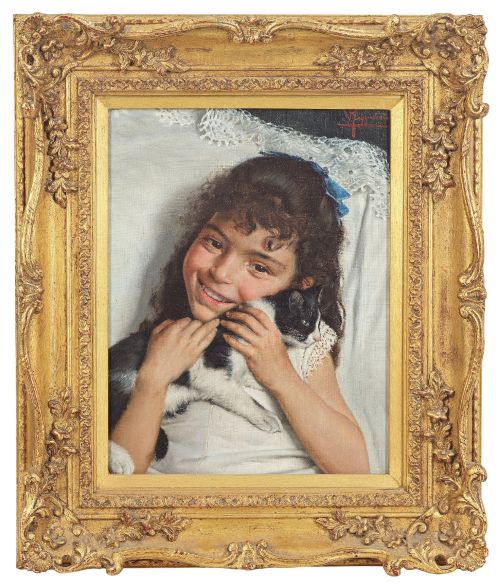
Victorian Oil Portrait Artwork
Victorian oil portrait artwork captures the distinct faces and social lives of the nineteenth century through enduring hand-painted canvases.
Victorian Oil Portrait Artwork
Victorian oil portrait artwork encompasses painted likenesses executed primarily on canvas during the nineteenth century. These canvases range from intimate portrayals of individual sitters to monumental military and civilian commissions.
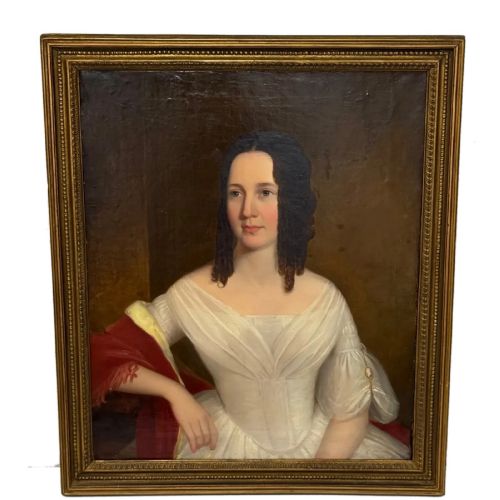
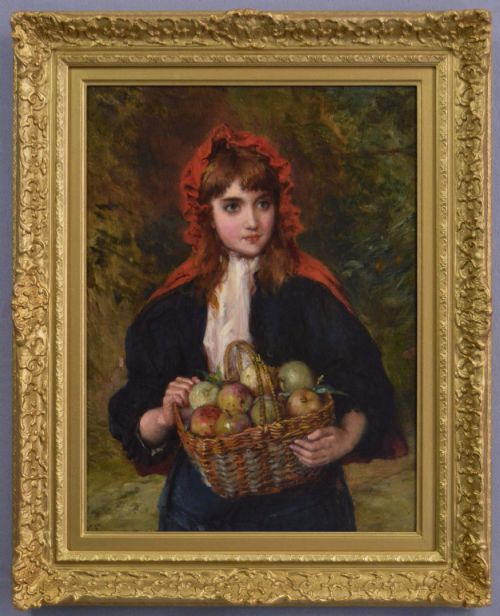
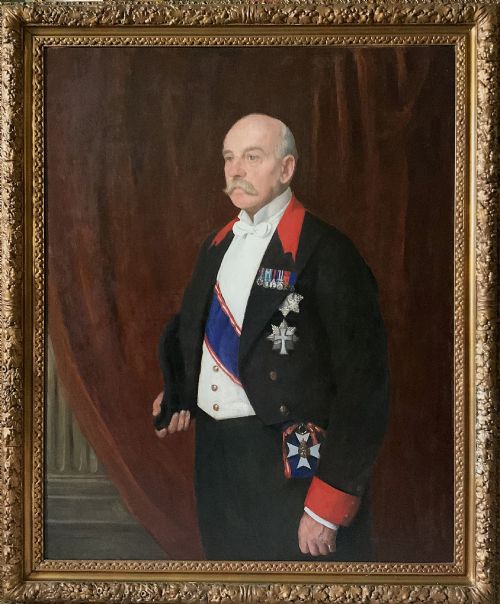
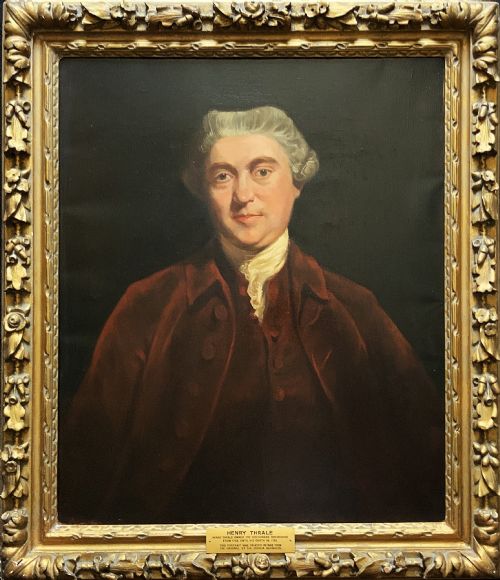
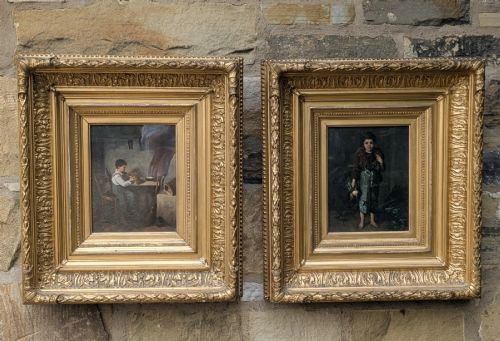
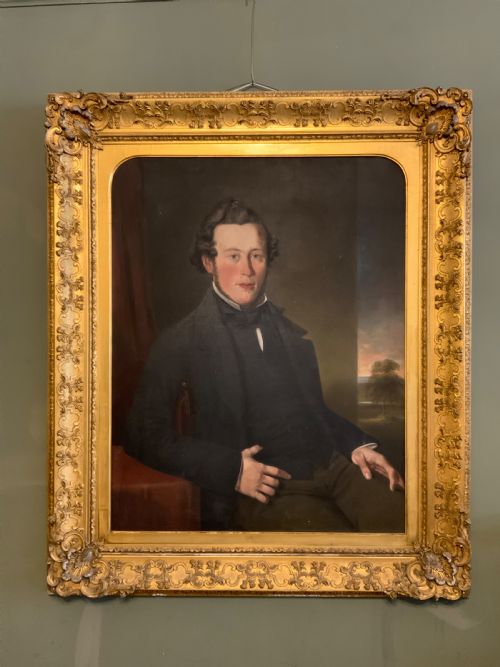
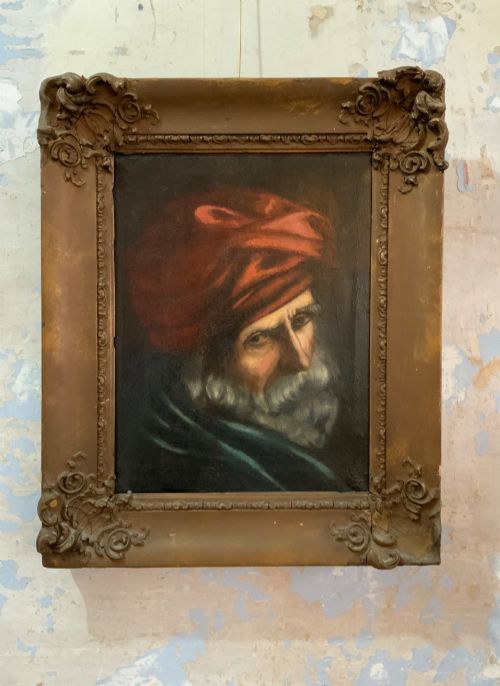
The selections available here frequently feature specific subjects, including gentlemen, young women, actors in character, and notable figures. Many works are housed in their original frames, preserving the physical context of the period.
Materials and Construction
Artists of the period applied oil paint to stretched canvas or occasionally wooden boards, utilising pigments mixed with drying oils. Canvases were often prepared with gesso layers to provide a stable, smooth ground for fine brushwork.
Frames play a substantial role in the physical structure of these pieces, constructed from wood and embellished with moulded gesso or applied gold leaf to create ornate gilded borders.
Materials documented across the catalogue include oil paint, canvas, gesso, and gold leaf.
Assessing Quality and Execution
The strength of the draughtsmanship and the psychological depth of the sitter's expression separate standard decorative portraits from works of academic achievement. Masterful handling of light, shadow, and fabric texture indicates a higher tier of painterly skill.
The preservation of the original canvas tension, minimal intervention in the paint layer, and the integrity of the period giltwood frame heavily influence the overall standard of any given piece.
William Oliver·Eugène Verboeckhoven·Valentine T Garland·William McAlpine·Vittorio Reggianini·Albert Clark·Martin Theodore Ward·Howard Helmick·Margaret Sarah Carpenter·Adelaïde Salles Wagner·Max Kaltenmoser
The Victorian Oil Portrait Artwork Glossary
- Oil on Canvas
- A traditional painting medium where pigments bound in oil are applied to a woven fabric support stretched over a wooden frame.
- Gesso
- A plaster-like mixture applied to wood or canvas to prepare a smooth surface for painting or gilding.
- Giltwood
- Wood that has been thinly coated with gold leaf or gold paint for decorative effect, common in period framing.
- Realism
- An artistic movement focused on the faithful, unidealised depiction of everyday subjects and contemporary life.
Victorian Oil Portrait Artwork: Frequently Asked Questions
How do I identify a Victorian portrait?
Look closely at the clothing styles, hairstyles, and framing methods typical of the nineteenth century. Portraits often carry signatures, dates, or canvas stamps on the reverse that indicate the period.
Examining the craquelure in the oil paint also helps determine the age of the canvas. Genuine nineteenth-century works display consistent micro-fracturing across the paint surface.
Where should I hang an oil portrait?
Choose a wall away from direct sunlight and steady moisture to protect the oil paint and canvas. Stable indoor temperatures prevent the wooden stretcher bars from warping over time.
Positioning the artwork at eye level in a principal room mirrors how these striking historical pieces were originally displayed in period homes.
Are these portraits cleaned or restored?
Many antique canvases retain their original surface condition, while others have undergone professional conservation such as varnishing or canvas relining. Minor repairs to the paint layer are common in works of this age.
Checking listing details helps clarify the extent of any historical restoration work carried out on the canvas or the accompanying frame.
What subjects appear in these artworks?
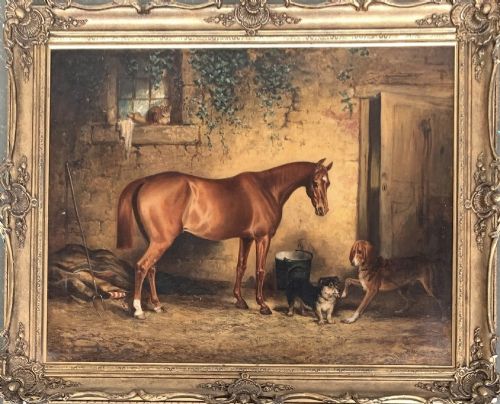
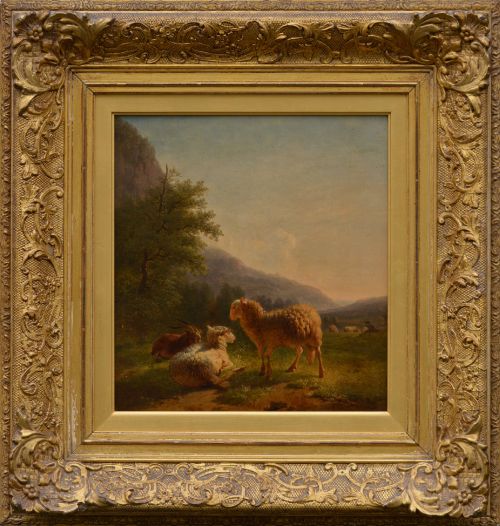
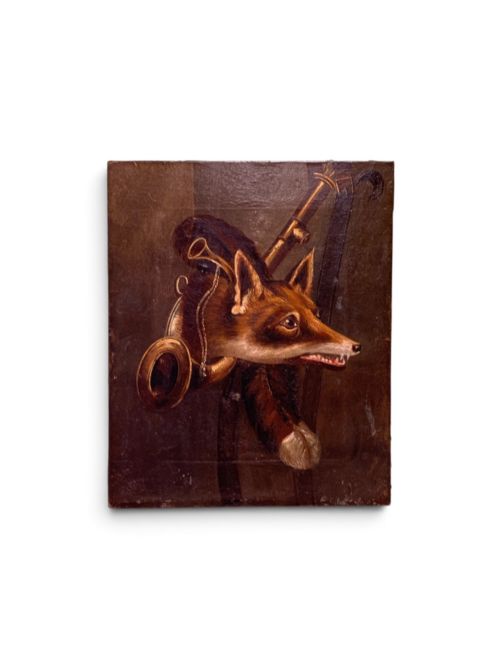
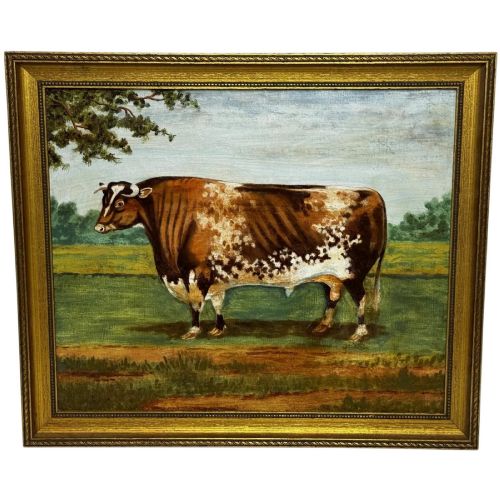
The sitters range from documented historical figures and military officers to anonymous gentlemen and young women. Other works depict children, actors, or animals tied to the domestic life of the era.
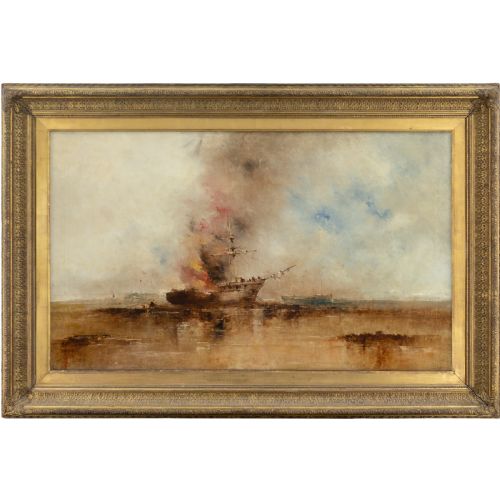
Genre scenes and sporting art also feature heavily alongside direct human likenesses within this category.