
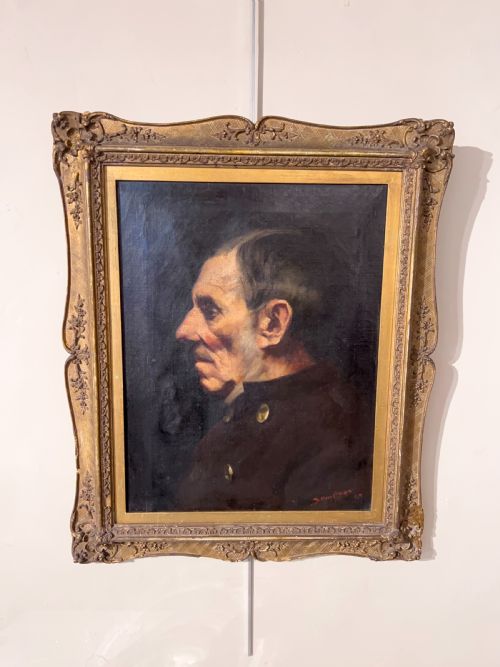


Classic British Oil Portrait
A classic british oil portrait brings historical presence into a room through layered canvas and oil paint.
Classic British Oil Portrait
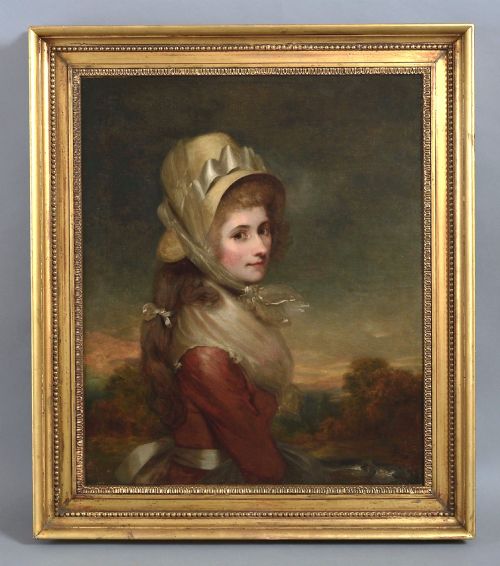
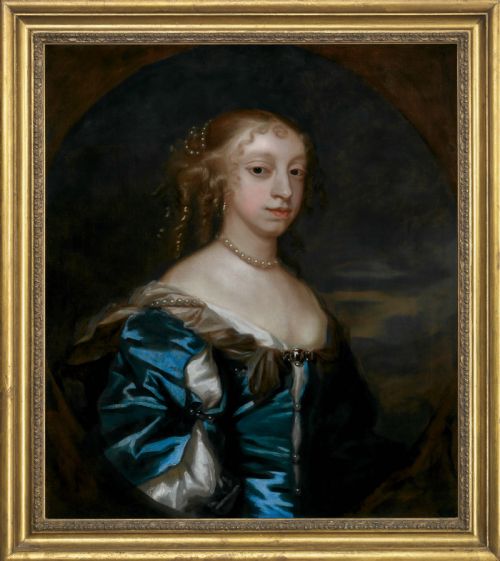
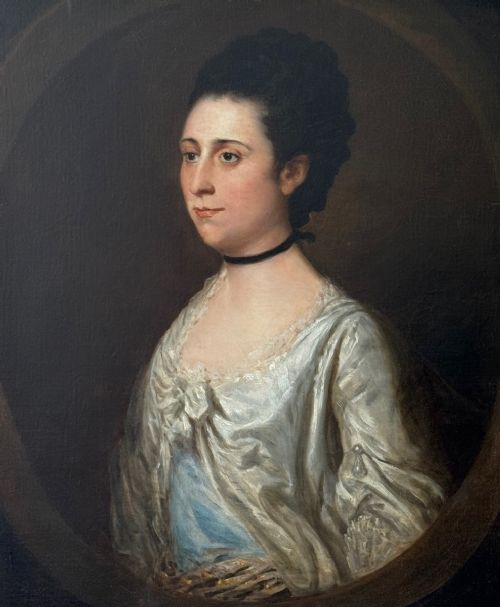
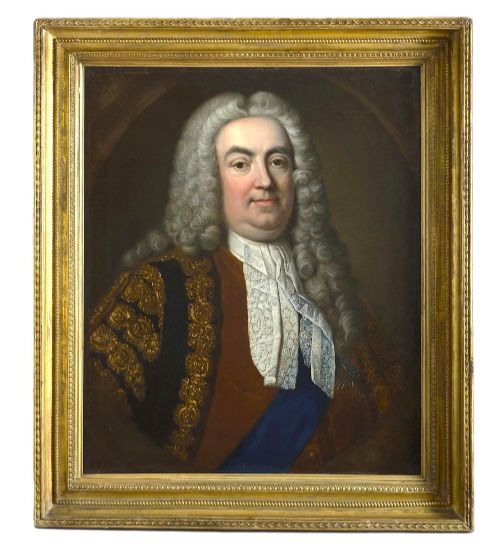
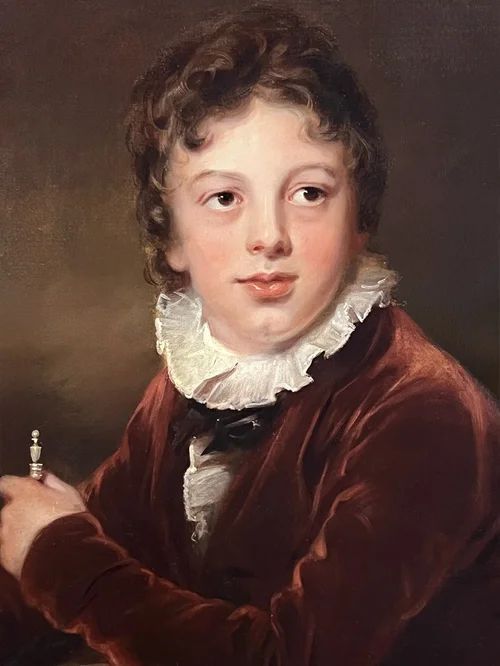
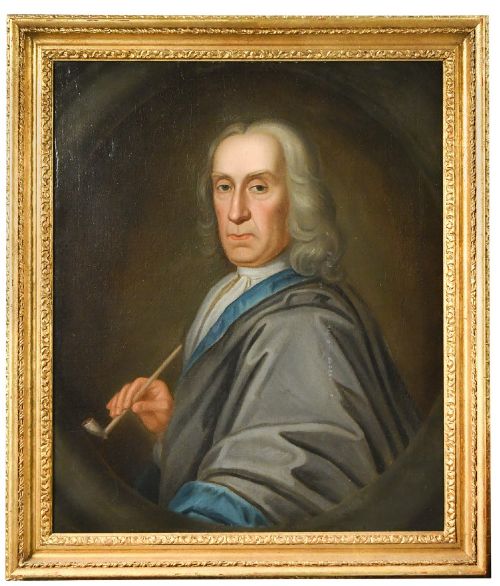
A classic british oil portrait captures figures from centuries past on canvas, reflecting the social standing and likeness of sitters from the seventeenth century onwards. These works range from formal depictions of nobility and public figures to intimate studies of everyday acquaintances, rural landscapes, and animals.
Buyers encountering this selection will find examples spanning multiple periods including Georgian, Victorian, and Edwardian eras. The most common forms are traditional oil paintings on canvas, frequently housed within original or period-appropriate gilt wood frames.
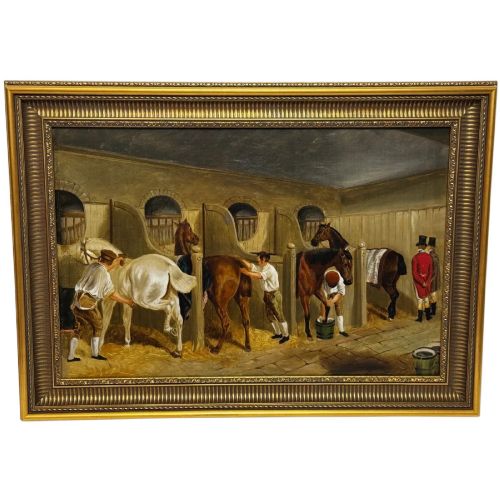
The subjects encompass aristocrats, military officers, ladies in period dress, and notable historical personalities. Alongside formal portraiture, the selection includes genre scenes and animal studies executed in oil paint by recognised and regional schools.
How they were made
Artists built these works using oil paint applied to stretched canvas, often preparing the surface with a gesso ground to receive the pigments. The medium allowed painters to achieve deep chiaroscuro, subtle flesh tones, and intricate details in garments and backgrounds over weeks of drying.
Frames form an integral part of the construction, utilising carved timber finished with plaster ornamentation and gilt wood or giltwood leaf. These heavy frames protect the canvas edges and contribute the characteristic weight and visual presence associated with period framing.
What varies in quality
Quality rests upon the artist's command of anatomy, light, and psychological depth, separating competent studio output from masterwork portraiture. A finer hand renders fabrics, lace, and facial expressions with convincing weight and individuality rather than formulaic repetition.
The preservation of the original paint surface and the stability of the canvas dictate the long-term integrity of the piece. Works retaining their initial gilt wood frame without excessive regilding or structural compromise hold greater historical coherence.
Sir Martin Archer Shee·Jean Baptiste Van Loo·Margaret Sarah Carpenter·Bertram Priestman RA·William Henry Mander·Louis William Desanges·Frank Moss Bennett·Sydney Kendrick·Marcellus Laroon·Sir Godfrey Kneller·Harry Clifford Pilsbury·John Gilroy·Arthur Royce Bradbury·Sir William Charles Ross·Sir Richard Westmacott·John Raphael Smith
The Classic British Oil Portrait Glossary
- Oil on Canvas
- A painting medium where pigments suspended in drying oils are applied to a woven fabric support. This combination provides flexibility and durability across centuries.
- Giltwood
- Timber carved and coated with a thin layer of gold leaf or metallic powder. It provides the ornate, reflective borders typical of period frames.
- Studio of
- A term indicating a work produced by assistants or pupils under the supervision of a master artist. Such pieces often replicate popular compositions or record sitters through the master's established workshop style.
- Genre Painting
- The pictorial representation of scenes from everyday life involving ordinary people. These works focus on domestic interiors, rural settings, or social gatherings rather than formal individual likenesses.
- Chiaroscuro
- The treatment of light and shade in a drawing or painting. Artists utilise this technique to give subjects a three-dimensional volume against dark backgrounds.
Classic British Oil Portrait: Frequently Asked Questions
How do I date an antique oil portrait?
Dating relies on the sitter's clothing, hairstyle, and framing style, alongside any inscriptions or signatures recorded on the reverse of the canvas. Pigment analysis and stretcher construction also offer clues to the era of creation.
Comparison with documented works by known portraitists helps narrow the decade in which the painting was executed.
What is the difference between studio work and an original?
A primary work is executed entirely by the named master's hand, whereas a studio piece involves the participation of assistants working to the master's design. Both hold historical value, though fully autographic works command greater art-historical significance.
Studio paintings often replicate famous portraits intended for wider distribution among patrons.
How should I hang an oil painting?
Mount the heavy gilt wood frame securely using professional wall anchors rated for the weight of the timber and canvas. Position the painting away from direct sunlight and heat sources to prevent the oil paint from cracking.
Maintain stable room humidity to protect both the wooden stretcher bars and the canvas substrate.