



Edwardian Lady Oil Painting
An edwardian lady oil painting brings the polished character and costume of the early twentieth century directly onto the wall.
Edwardian Lady Oil Painting
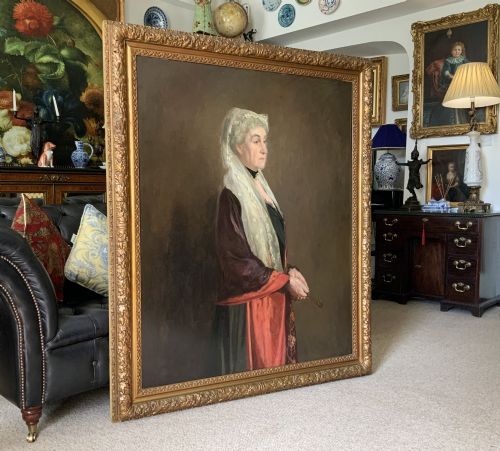
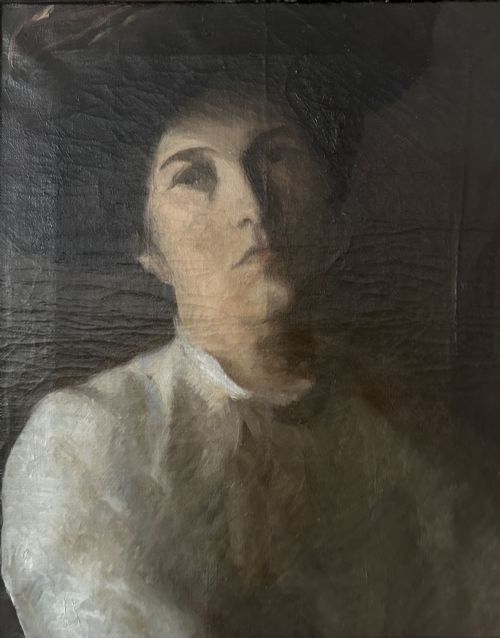
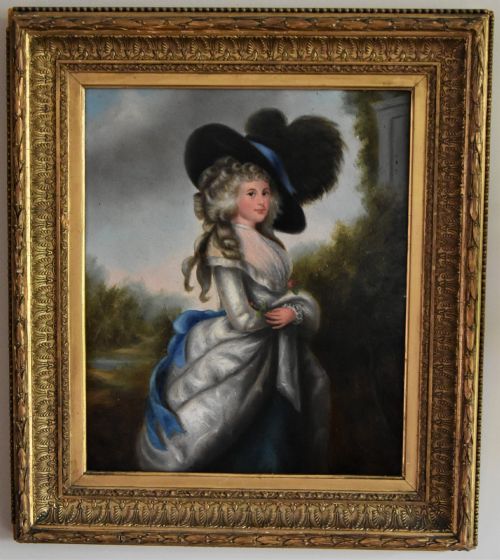
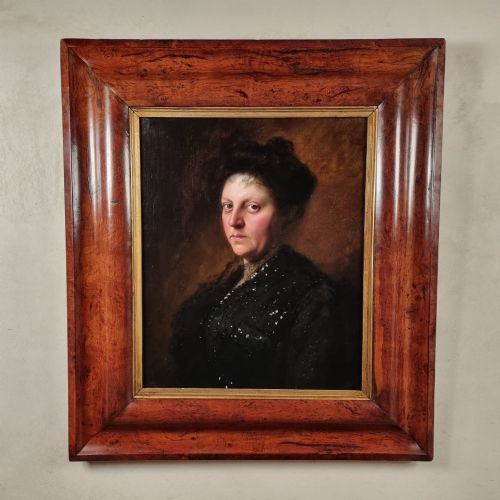
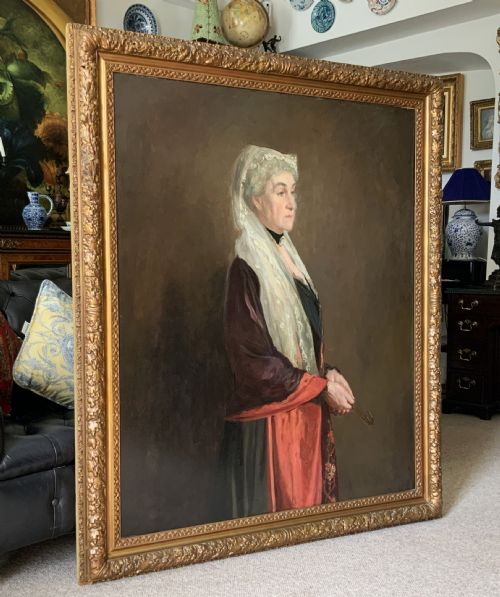
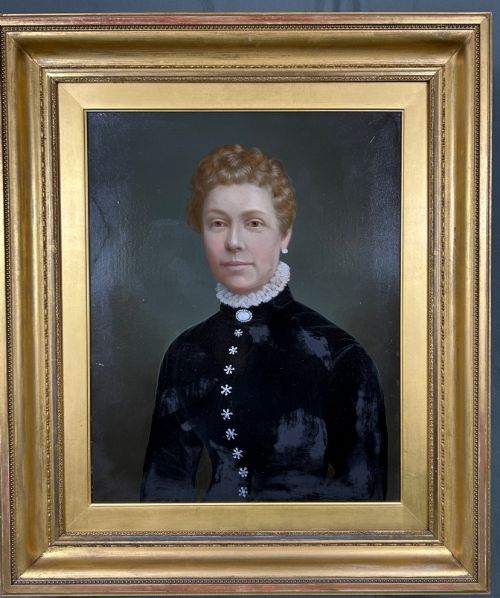
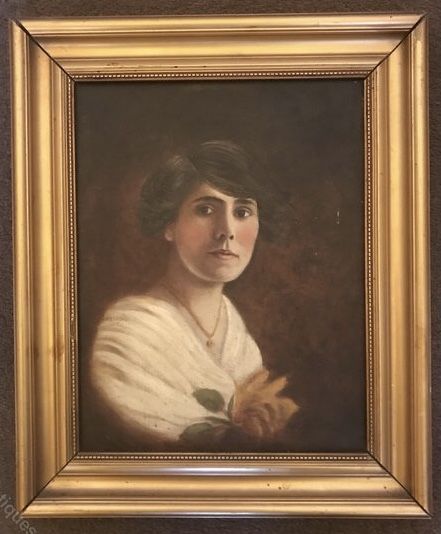
An edwardian lady oil painting captures female subjects in formal or casual attire through the lens of late nineteenth-century, Edwardian, and early twentieth-century portraiture. Buyers looking at this page encounter canvases and boards depicting sitters in everything from blue velvet dresses and lace caps to kimonos and evening dress.
The prevailing style relies on traditional British art and British Impressionism, alongside French Symbolist influences. Works span periods from the Victorian era through the 1930s, reflecting the artistic output of artists working around 1900, 1910, and 1920.
Most pieces met here are oil portraits, rendered on canvas or board. Subjects range from named figures such as Lady Shaw and Lady Dunbar of Mochrum to anonymous sitters posed with dogs, fans, or prayer books.
Materials and construction
Artists relied primarily on oil paint applied to canvas or wood boards as a sturdy support for detailed portraiture. These surfaces often sit within period frames constructed from giltwood, gesso, or plain wood.
Makers layered oil paint to build up textures in garments like lace stoles, blue velvet dresses, and liturgical costumes. The combination of oil medium on canvas or board allowed painters to capture subtle variations in light across the sitter's face and dress.
Materials utilised across these listings include oil on canvas, wood, giltwood, and gesso.
Assessing quality and execution
The choice of materials and the preservation of the original paint surface influence the standing of a piece. Well-kept oil on canvas works retain vibrant pigments in elements like yellow roses, blue dresses, and detailed background settings.
John Maler Collier·Frank Moss Bennett·Robert Edward Morrison·Harry Clifford Pilsbury·Harry John Pearson
The Edwardian Lady Oil Painting Glossary
- Oil on Canvas
- A traditional painting medium where oil-based pigments are applied to a stretched woven fabric support. This combination offers durability and a flexible texture favoured by portrait artists.
- Giltwood
- Wood carved and covered with a thin layer of gold leaf or gold paint. Frames made from this material frequently accompany formal period portraits.
- Gesso
- A paint mixture consisting of a binder mixed with chalk, gypsum, or pigment used as a base coat on wood panels or frames. It provides a smooth surface for subsequent gilding or painting.
- Symbolist
- An artistic movement focusing on internal visions and symbolic imagery rather than strict realism. Works in this vein often feature sitters in theatrical or liturgical costumes.
Edwardian Lady Oil Painting: Frequently Asked Questions
What periods do these paintings cover?
The works span from the late nineteenth century through the Victorian and Edwardian eras, extending into the 1920s and 1930s. Artists painted these portraits across several decades of changing social styles.
Most pieces cluster around the turn of the century and the early twentieth century, reflecting the portraiture trends of those decades.
How should I hang an oil portrait?
Keep the painting away from direct sunlight and damp environments to protect the oil pigments and canvas support. Hang it securely on a wall using appropriate fixings suited to the weight of the frame.
Ensure the piece is positioned at eye level to properly appreciate the detail in the sitter's face and costume.
Are all the sitters identified?
Many portraits depict anonymous subjects referred to simply as ladies in hats, lace caps, or evening dress. These unknown sitters were often captured by portraitists recording the fashion of the day.
Some canvases name specific historical individuals, such as members of the aristocracy or wives of notable military figures.
What framing do these portraits feature?
Many works retain their period frames constructed from wood, giltwood, or gesso. These surrounds often reflect the decorative tastes of the era in which the portrait was painted.
Original frames complement the canvas by maintaining the historical integrity and visual weight of the artwork.