


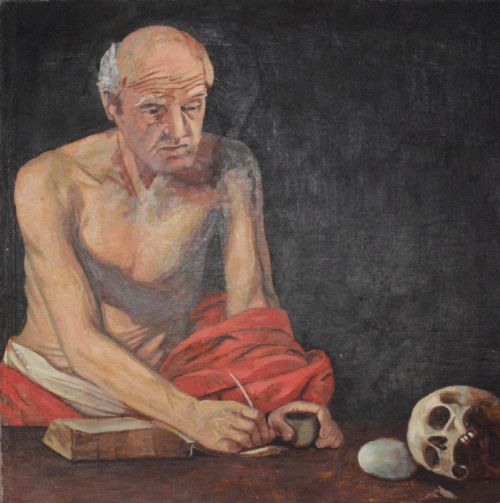

Classic Oil Painting Study
A classic oil painting study brings direct touch and immediate observation into a room, capturing the hand of the maker before a finished canvas.
Classic Oil Painting Study
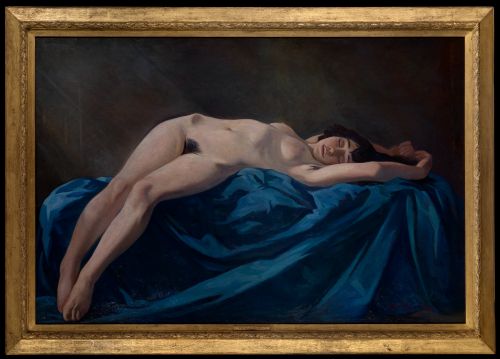
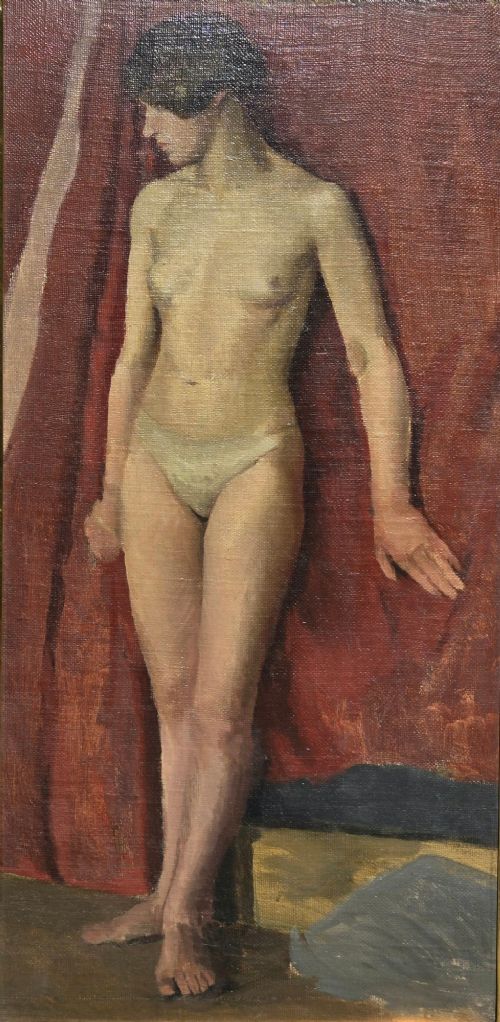
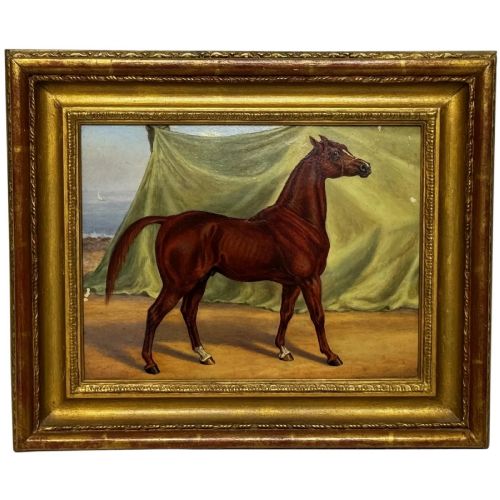
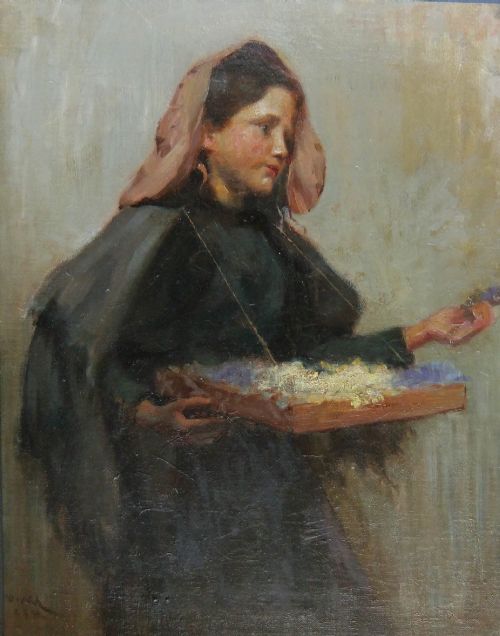
A classic oil painting study represents an intimate and preparatory approach to fine art, capturing figures, animals, and still lifes with direct observation. When browsing for a classic oil painting study, you encounter works spanning from the Victorian era through the early twentieth century and into the post-war period. These paintings include portraits, nudes, floral still lifes, and narrative works created by named artists and regional painters alike.
The pieces on this page range from modest portrait sketches to large-scale figurative canvases and framed compositions. They document subjects as diverse as colonial stables in India, classical architecture, and quiet domestic moments. Each work serves as a window into the working methods and aesthetic concerns of past centuries.
How they were made
These works are executed primarily in oil paint applied to canvas or wood panels, utilising the traditional techniques of nineteenth and twentieth-century studios. Painters built up their compositions through layered brushwork, blending rich pigments to capture light, shadow, and texture. Many of these canvases remain housed within their period giltwood frames, which complement the depth of the painted surface.
The physical support varies from stretched canvas to solid wooden panels, each prepared with a ground to receive the oil medium. Artists worked with varied brush sizes and pigment consistencies, allowing for rapid gestural marks in studies or more blended finishes in finished portraits. This direct application preserves the immediate choices and revisions of the painter.
Listings feature works spanning from the nineteenth century through the 1960s, utilising canvas, wood, and oil paint.
What varies in quality
Quality in these works rests upon the confidence of the brushwork and the accuracy of proportion within the composition. A superior study demonstrates a sure command of tone and light, where every mark contributes to the vitality of the subject. Lesser pieces may display hesitation in line or a more formulaic arrangement of forms.
The integrity of the surface and the harmony between the painting and its frame also distinguish the range. Works that retain their original canvas tension and unrestored pigment layers offer a more direct connection to the artist's hand. Framing choices further influence the overall presence of the piece within a room.
Eric Robertson·Winifred Rymer Standing·William Watt Milne·Frank Moss Bennett·Thomas Hooper·Margaret Evangeline Wilson·Robert Julius Beyschlag
The Classic Oil Painting Study Glossary
- Study
- A preparatory painting or sketch executed to explore a subject, composition, or lighting effect before embarking on a larger finished work. These pieces often possess a directness and spontaneity missing in formal exhibition canvases.
- Oil on Canvas
- A traditional painting medium where pigmented oil is applied to a woven fabric support stretched across a wooden frame. This combination allows for rich colour blending and long-term durability.
- Giltwood Frame
- A wooden picture frame coated with a thin layer of gold leaf or metallic gilt, commonly used in the nineteenth and early twentieth centuries. Such frames provide a complementary border that enhances the warmth of oil paintings.
Classic Oil Painting Study: Frequently Asked Questions
What is a study in oil painting?
A study is a working painting made to explore a subject or test lighting before creating a larger piece.
These works prioritize direct observation and loose brushwork over formal polish.
How should I hang these paintings?
These works suit traditional and eclectic interiors alike, often placed in studies, hallways, or living rooms.
Pairing them with period giltwood frames helps anchor them within existing decorative schemes.
How do I identify the period?
Periods are determined through stretcher construction, canvas types, framing styles, and artist signatures.
Victorian and early twentieth-century works display distinct materials and handling compared to post-war examples.
Are these works original?
The pieces listed are authentic period works created in oil on canvas or wood.
Each painting records the hand and technique of its maker from the stated era.